Navigation
- PVC (Polyvinyl Chloride)
- Resin
- ABS (Acrylonitrile Butadiene Styrene)
- Practical Considerations for Collectors
- Conclusion
A Quick Look Sheet:
|
Feature
|
PVC
|
Resin
|
ABS
|
|
Durability
|
Flexible and tough
|
Brittle, prone to shattering
|
Hard and impact-resistant
|
|
Weight
|
Light
|
Heavy
|
Moderate
|
|
Detail Level
|
Good
|
Excellent, sharp details
|
Good, but not as fine as resin
|
|
Cost
|
Low, cost-effective
|
High, premium pricing
|
Medium
|
|
Maintenance
|
Easy to clean
|
Requires careful handling
|
Moderately easy to maintain
|
|
Availability
|
Widely available
|
Limited editions, sought after
|
Common, often used for parts
|
|
Best For
|
Static display, budget figures
|
Detailed and rare collectibles
|
Dynamic poses, play figures
|
Anime figures, with their dynamic poses and intricate details, bring beloved characters from the screen to the shelf. However, not all figures are created equal. The materials used in their construction can greatly affect how durable, aesthetically pleasing, and pricey they are. Whether you're a seasoned collector or just getting into anime figures, knowing what sets PVC, Resin, and ABS apart will help you make decisions for the longevity of your collection.
PVC (Polyvinyl Chloride)
PVC, or Polyvinyl Chloride, is a type of plastic that's very popular in various industries due to its versatility. It's commonly found in items such as plumbing pipes, and electrical cables, and also plays a key role in the creation of anime figures.
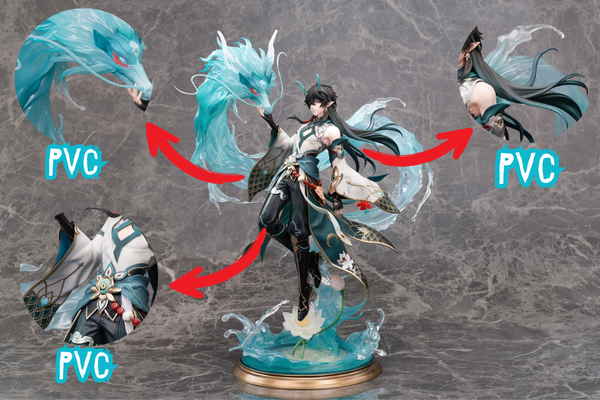
Advantages of PVC Figures
a)Flexibility and Durability: One of its most outstanding features is its blend of flexibility and toughness. This means an anime figure made from PVC will not be as susceptible to shattering into a hundred pieces if it falls off a shelf; thus, it can withstand being moved around and touched.
b)Color Retention: When colorants are mixed into PVC, they spread out nicely and evenly, which helps keep your anime figures looking sharp and colorful. Additionally, PVC is resistant to chemical reactions and is non-porous, preventing water or air from affecting the figure's colors.
c)Cost-Effectiveness: PVC is cost-efficient. It doesn't cost much to produce, which means the final price of anime figures made from PVC is more affordable. Collectors can acquire more of their favorite characters without spending a fortune.
Disadvantages of PVC Figures
a)Prone to Softening: While PVC is sturdy, it has its limits. If it gets too hot – like in a room with lots of sunshine or near a window that gets a lot of light – it might become a little droopy. This could lead to the figure taking on an unexpected lean or the fine details blurring.
b)Environmental Concerns: The process of making and disposing of PVC involves chemicals that can be harmful if not handled properly. This has raised concerns about using PVC in ways that are more environmentally friendly.
c)Feel and Looks: PVC can sometimes lack the detail compared to its sturdier cousin, resin. Fine details, such as the texture on a piece of armor or the individual hairs on a character's head, might not be as refined with PVC.
Suitable Uses for PVC Figures
For the beginner or budget collector, PVC is a strong choice for those just getting into figure collecting or keeping a close eye on the bottom line of their bank account. It's affordable yet still provides quality. Besides, PVC is perfect for figures that are just going to chill on your shelf, work desk, or in some display case. It's the material you want for figures that aren't meant to be played with but just admired.
Resin
Resin is like the high-definition version of materials for anime figures. It's a sturdy mix that locks into shape once it dries. Collectors dig it for those super detailed, often limited-edition figures because it's great at picking up all those tiny, complex details.
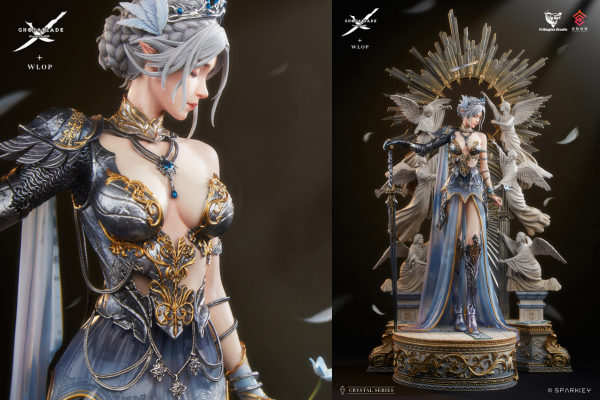
Advantages of Resin Figures
a)Sharp Details: Resin stands out because it is used with high-precision molds that are excellent at capturing the tiniest notches and textures. When resin is in liquid form, it flows into every nook and cranny of these molds. As it hardens, it becomes super sturdy, preserving those fine details from wearing down or bending out of shape. This is why resin figures retain their crisp, clear details so well. Additionally, they are usually made in small batches, where each piece receives a lot of hands-on attention to ensure top-notch quality.
b)Hefty Feel: Resin figures have a noticeable weight because the material itself is denser than PVC or ABS. Its molecular structure packs tightly together, meaning that a resin figure of the same size will often weigh more. The casting process for resin also involves filling molds to the brim and using thicker walls to prevent breakage, adding to the weight and giving resin figures that substantial, quality feel in hand.
c)Limited Runs: Resin figures often come in exclusive, limited editions. Unlike PVC or ABS, which are used for mass production, resin is chosen for items that are not made in huge quantities. This scarcity makes each resin figure a more valuable collector's item, as they are not as widely available.
Disadvantages of Resin Figures
a)Brittleness: Resin figures are hard and sturdy, but this also means they can be brittle. They lack the flexibility that materials like PVC or ABS have, which allows those plastics to bend a bit under pressure. So, if resin figures get knocked around or dropped, they are more likely to snap or shatter.
b)Care Considerations: Keeping resin figures clean and intact means handling them gently. They are not suited for rough treatment or harsh cleaners that might damage their detailed surfaces.
c)Heavier Weight: Resin figures are quite heavy, so they are not exactly the grab-and-go type. Find them a solid spot where they will not get knocked over or become a tipping hazard.
d)Pricey Pieces: Since resin figures tend to be special-run items with lots of fine details, the extra craftsmanship bumps up the price. These are more like art pieces, which means spending a few more bucks.
Ideal Scenarios for Resin Figures
a)For the Limited Edition Chasers: If you are about getting only a few of those very rare finds, resin figures are the real deal. They are like the golden ticket to the figure realm since they are hard to find and highly coveted.
b)For Detail Devotees: For the fans who zoom in on every single line and texture, resin figures focus on nailing every intricate design, making them a dream for collectors who want their figures to be picture-perfect replicas of their favorite characters.
ABS (Acrylonitrile Butadiene Styrene)
Known for its hardness, ABS is less likely to deform under high temperatures, making it suitable for displaying figures near windows or in well-lit rooms. Its resistance to physical impact means fewer worries about accidental drops. Often, you'll find ABS paired with PVC to give your items some extra backbone where it's needed most.
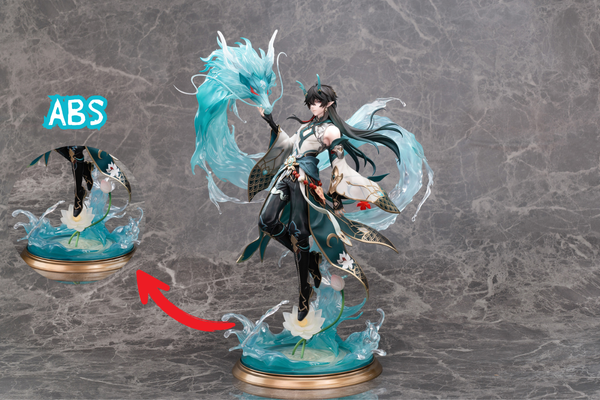
Advantages of ABS Figures
a)Rock-Solid Support: ABS stands out for its toughness and rigidity, especially when compared to materials like resin and PVC. With ABS, your figures get a sturdy frame that's built to last, ensuring they stand tall without any wobbles. It's particularly good for crafting small, detailed parts and joints that need to be durable. While resin can provide a high level of detail, it's more prone to chipping and cracking if it takes a tumble. ABS, on the other hand, is more forgiving when it comes to bumps and drops.
b)Holds Its Cool: When the heat is on, ABS is better at keeping its cool than other plastics, especially compared to PVC. PVC is lighter and more flexible than ABS, which can be an advantage in some cases. However, this flexibility also means PVC might not hold up as well in the heat - it tends to become softer and more pliable, which could lead to warping over time if exposed to warm environments.
Disadvantages of ABS Figures
a)Limited Bendability: Although ABS is very tough, it isn't the best choice for figures intended to strike flexible poses. It doesn't have the give that some other materials offer, so if you're looking to have a figure mimic a gymnast, then ABS might not be the best choice.
b)Mid-Range Price: As far as cost goes, ABS is a bit more expensive than PVC due to its durable qualities. It doesn't break the bank in the same manner that resin can, but it is not the cheapest option out there.
c)Sharper Details May Vary: In terms of figure details, ABS is like a butter knife-reliable but not as sharp as resin. If you are looking for razor-crisp edges and the finest of fine lines, resin is the scalpel. ABS may not provide that minute detail, but it still manages to look good where it counts compared to PVC. Currently, ABS is mainly used to make the legs of figures or their bases, offering a balance between durability and looking good.
Suitable Scenarios for ABS Figures
ABS is particularly well-suited for creating small parts and joints in figures. Its strength and durability make it an excellent choice for detailed components that need precision. For example, many action figures use ABS for their joints, which allows for better movement without sacrificing stability. When collectors want figures with movable limbs or parts that hold their shape over time, ABS is often the material of choice. Additionally, because ABS resists impact, it's ideal for figures that are regularly handled, such as toys designed for play.
Practical Considerations for Collectors
Visual Appeal
What a figure is made of totally changes the game for how cool it looks. PVC gives you that smooth, chill vibe – it's not flashy, but it gets the job done. If you're all about those crazy crisp details that make you do a double-take, resin is where it's at. ABS, often unnoticed, supports the piece structurally but can also contribute to a figure's overall gloss and sheen.
Durability and Maintenance
If you want your figures to last and hold their value, durability's a big deal. PVC can bend without breaking, so it's pretty forgiving if it gets knocked around. However, resin is more high-maintenance - treat it gingerly, or it might show wear and tear. ABS is solid and can handle some roughhousing, but don't push your luck; it's not indestructible. For cleaning, PVC is the easiest - just a quick dust-off will do, while resin and ABS might need some special cleaners to keep them looking fresh.
Collectibility and Availability
Figures made from resin are often seen as more exclusive because of their detailed craftsmanship, resulting in limited editions that can be highly desired by collectors. In contrast, PVC figures are more readily available, offering a wide variety of options for all kinds of collectors. Although ABS is not usually the main material, it is essential for maintaining the figure's strength and durability over time.
Display and Storage Tips Based on Material
Proper display and storage are important. Resin figures should be kept in controlled indoor spaces, avoiding direct sunlight and potential damage. ABS figures are great for impact resistance and can handle changes in temperature, making them ideal for areas where they will be moved and shown often; however, they do not do well in bright light but are fairly weather-resistant. PVC figures, because of their flexibility and lightweight design, can fit in many different display settings but should be kept out of strong sunlight for long periods.
Budgeting for Various Materials
This is the reason why PVC figures tend to appeal more to collectors on a tight budget. Resin figures are normally classed as a high-end investment. In most cases, these figures have intricate details or designs that set them apart, hence commanding higher prices. ABS parts don't really affect the overall price that much.
Conclusion
Exploring the world of anime figure materials can feel like a quest in itself, but understanding PVC, resin and ABS makes it much easier to find the perfect piece for any collection. The good news is that most figures on the market today are a dynamic blend of PVC and ABS, combining the great features of both worlds. Whether you're looking for low cost, intricate detail or rugged durability, each material brings something unique to the table.