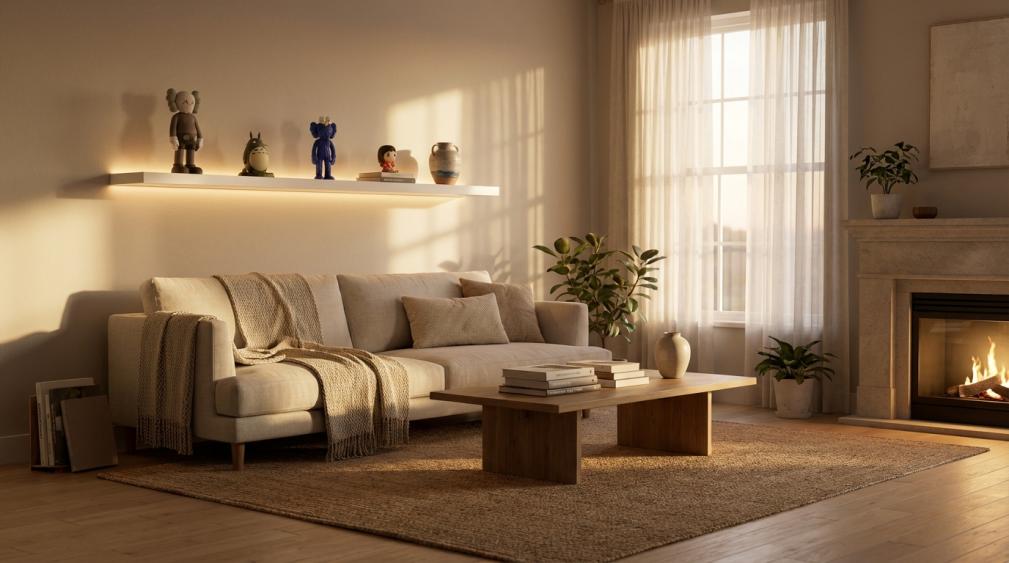
Collecting vs Minimalism: Can Figurine Fans Have Both?
You do not have to choose between a chaotic figure shrine and a calm, minimalist home; the real tension is clutter versus curation.
Why Your Collector Brain Wants "Just One More"
Collecting is baked into human behavior; research suggests about 40% of U.S. households collect something, from sneakers to stamps. For figure fans, that "Add to cart" hit is not just shopping; it is about passion, nostalgia, identity, and the thrill of completing a set.
Psychologists describe collecting as a way to stabilize and express the self, with overlapping motives like self-expression, social connection, and knowledge sharing. For many of us, that first grail figure becomes an origin story, not just a purchase.
Because collections are tied to identity, they rarely feel finished. There is always a new character sculpt, a variant pose, or a better paint job. That endless horizon is exciting, but it is exactly what can collide with minimalist goals.

When Passion Turns Into Visual Noise
Minimalist interiors aim for simplicity, open space, and freedom from clutter. Every item needs a clear purpose, and negative space (empty areas) is part of the design, not wasted shelf.
Collecting, hoarding, and compulsive hoarding sit on a spectrum. Clinicians focus on whether belongings overwhelm living space and cause distress, not on how many items you own. That means a 200-figure collection can be healthier than 20 figures if the 20 are piled in front of your TV and stressing you out.
On the flip side, one figure collector who sold over half of their collection to "go minimalist" reported feeling worse; the empty shelves signaled lack rather than peace. Drastic decluttering can backfire if you are naturally more maximalist and have not rebuilt the space around what you love.
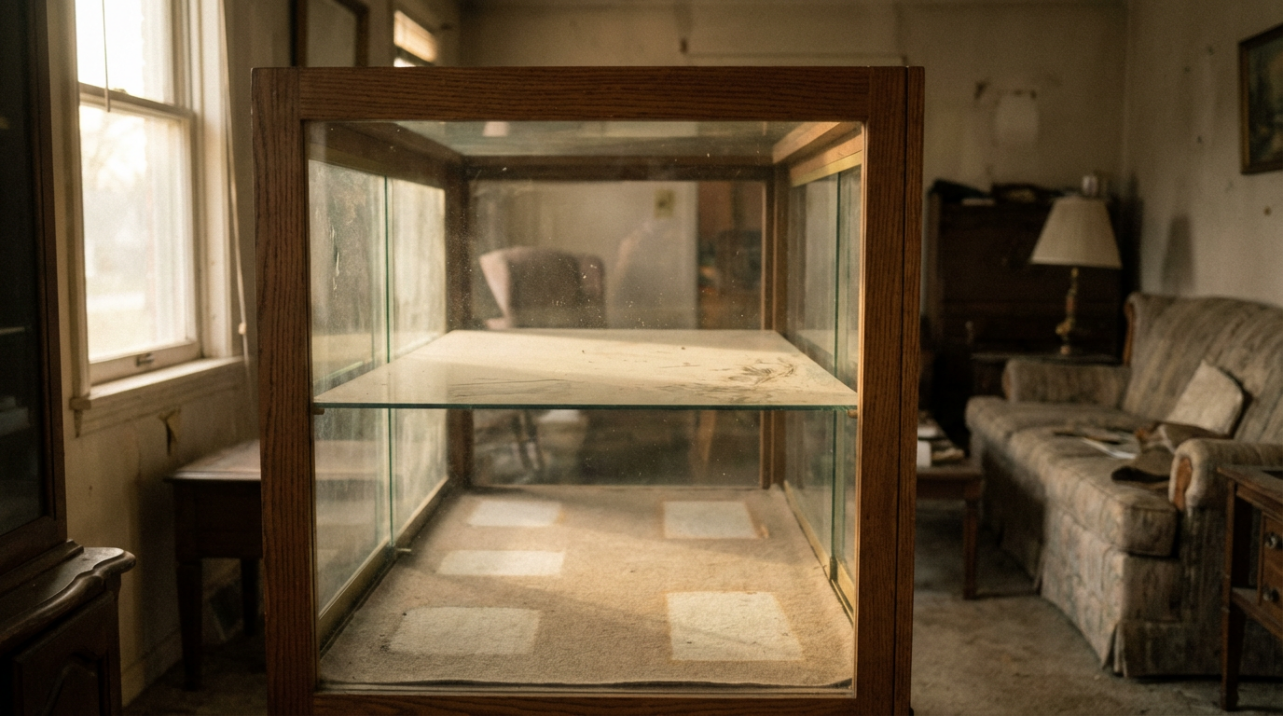
Layout Tricks: Display Like a Museum, Live Like a Minimalist
The goal is not necessarily fewer figures; it is fewer visible distractions. Treat your collection like decor, not storage. Homes that treat collectibles as intentional design elements look curated, not messy.
Sculpture display experts suggest using lighting, scale, and negative space to turn rooms into gallery-like spaces instead of cluttered shelves. Your figures are essentially small sculptures and deserve the same treatment.

Use these quick layout steps to keep both vibe and volume:
- Pick one "hero" zone (such as a main display case or bookshelf) and give it your best pieces plus your best lighting.
- Group figures by theme or series so your eye reads a coherent story instead of a random pile.
- Use risers and strict spacing; if every figure cannot be seen clearly, move some into storage instead of cramming the front row.
- Cap yourself with a rule (for example, one 3- to 4-ft shelf per series) to prevent slow, quiet expansion.
- Rotate displays seasonally so you enjoy more figures over time without permanently overloading the room.
Editing Without Regret: Making Peace With Your Shelf
Minimalist collectors think in terms of curation, not deprivation. Instead of asking, "How do I own less?" try, "What do I want to see and care for every day?"
If your shelves feel loud, start with a soft edit, not a purge. Box up about a third of your figures and move them to labeled, protected storage; even dedicated collectors use climate-controlled storage units as an extension of their display space, not a dumping ground. Live with the lighter look for a month before deciding what to sell.
Then, upgrade instead of endlessly adding. When a truly better sculpt of your favorite character arrives, let the weaker one go so your total count stays roughly stable. Your nervous system, not a checklist, ultimately decides when you have too many.
A "minimalist" figure collection might be 10 pieces or 100, depending on your space and your temperament. If your room feels calm, your figures feel special, and you actually have time to enjoy them, you have found the sweet spot where collecting and minimalism stop fighting and start collaborating.