Impact of Dust Covers on Display Effectiveness for Collectible Figures
Dust covers and enclosed cases can dramatically improve both the look and long‑term condition of collectible figures when you choose materials and setups that balance clarity, protection, and space.
You know that feeling: you finish carefully brushing dust out of every anime fringe and armor plate, only to spot a fresh gray film creeping back across the shelf a week later. As more collectors shift from open shelves to covered displays, one pattern keeps coming up: how you shield your figures from dust and light largely determines how bright their colors stay and how “mint” the setup feels months or years later. This guide explains what dust covers really do for figure displays, where they help, where they hold you back, and how to pick a setup that fits your collection and room.
What “Dust Covers” Really Mean for Figure Collectors
In the most basic sense, a dust cover is any fitted barrier that shields an object from dust, dirt, and other airborne particles while it is sitting still. Design references describe dust covers for furniture and electronics as simple plastic, vinyl, or fabric shells made to match the object’s shape so they can block particles and reduce small scratches and dings over time while still looking tidy in the room. The same logic applies to figures when you use clear acrylic boxes, glass cabinets, slip‑on plastic protectors, or even fitted cloth covers over a shelf or detolf‑style case. Dust covers are most effective when the material and dimensions match the object, which is exactly what you get from a well‑sized display case or box protector over your figures.
Book collecting shows how much an outer layer can matter. For rare hardcovers, the detachable paper dust jacket is officially just a wrapper, but it protects the binding and carries most of the artwork and marketing. In famous cases like early printings of “The Great Gatsby,” copies without the original jacket might be worth around $1,000, while a copy in a complete, original jacket can jump into the tens of thousands of dollars or more, with near‑mint examples once listed in the hundreds of thousands. The jacket acts as a sacrificial yet essential shell for both protection and visual impact, which is why collectors and libraries often add clear covers over the jacket itself to keep it intact.
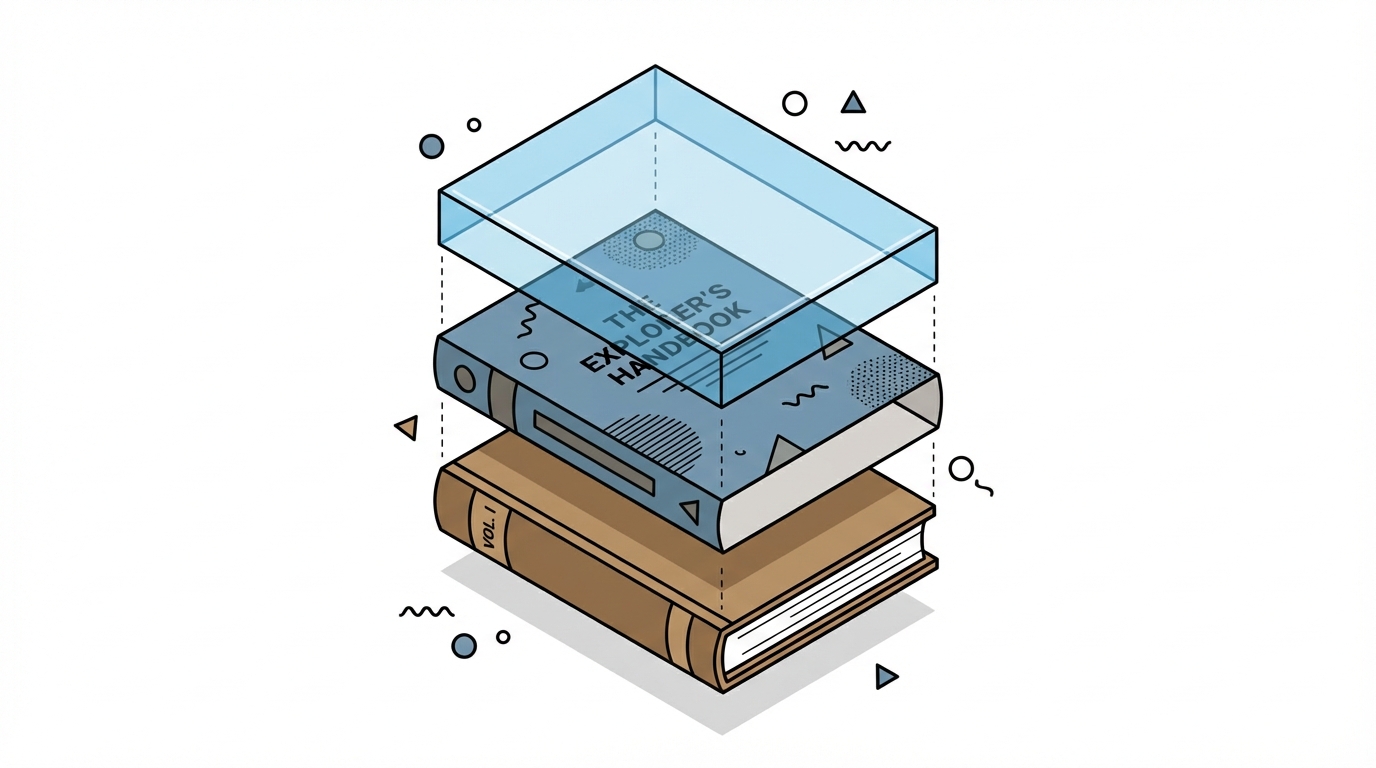
Dust jackets show how much value can live in that outer layer, a mindset that maps well to figure boxes and display hardware.
Collectible storage guides for toys and action figures lean on the same idea. They treat “mint condition” as looking essentially brand new, with bright colors and undamaged packaging, and they recommend dust‑resistant cases and UV‑safe enclosures to protect figures and boxes from dust, moisture, and sunlight so they stay closer to that state over time. Action figure storage advice also emphasizes that enclosed, UV‑protective cases and careful room placement can prevent dust from packing into joints and reduce fading and cracking caused by light and harsh environments. Action figure storage is really a cousin of figure display: the better your barrier against dust and light, the more “fresh out of the box” everything looks.
How Dust Covers Change Display Effectiveness
Visual Impact: Clarity Versus Dust
Open shelves give you a raw, cinematic wall of characters, but they also invite dust to land on every sculpted fold and gradient. References on dust covers for furniture and electronics note that covers work by intercepting particles before they ever settle on the surface they protect, which is exactly what a clear acrylic case does for figures; the dust ends up on the case, not in every hair strand. That means fewer visible specks, less gray haze on dark bases, and fewer tiny scratches from repeated direct cleaning on delicate paint. When a case is sized properly and made from clear material, it can keep items clean and visually sharp with minimal effort. Design guidance on dust covers stresses that good fit and appropriate materials improve both protection and appearance.
The trade‑off is that you are suddenly looking through a pane. Cheap acrylic can yellow or develop micro‑scratches that scatter light, and flat glass can throw reflections from windows, computer monitors, or LED strips right across your favorite faceplate. Storage guides for figures recommend choosing clear cases and placing them away from direct sunlight and air vents, then using cool, low‑UV LED lighting so the figures inside are bright without being cooked. They also suggest risers and stands inside the case to bring characters up to eye level and avoid a “shadows and ankles” look behind the front row. Done well, you get a cleaner, more three‑dimensional display that looks less like a dusty shelf and more like a small museum, with the case helping rather than hiding the sculpt.
Protection, Condition, and Long‑Term Value
From a preservation point of view, dust is only one of the enemies. Preservation specialists point out that almost every type of collectible prefers a stable, controlled environment with moderate temperature and humidity, low light, and minimal pollutants. Dust, cooking vapors, and airborne grime can bring in moisture, acids, and food residues that attract insects; high humidity encourages mold and makes materials decay faster; light, especially sunlight and some artificial lighting, fades colors and weakens surfaces. The more you can buffer your figures and their packaging from those stressors, the longer they stay crisp. A case or dust cover is effectively a first line of defense that lowers exposure to dust and pollutants and helps smooth out small swings in the room’s environment, especially when combined with good placement away from steamy bathrooms, hot windows, and kitchen airflow. Collection care tips underscore how much damage light, dust, and unstable humidity can do.
You can see this buffer effect clearly in framed art. A paper dust cover across the back of a frame forces insects and airborne contaminants to get through an extra barrier before reaching the art, and it also helps stabilize humidity inside the frame just enough to reduce some moisture‑related damage. However, experts warn that no dust cover can completely fight off a bad environment, especially in places with frequent hot showers or big humidity spikes; in those rooms, even framed pieces with dust covers are still at risk. The lesson for figure displays is that a case or cover is incredibly helpful, but it does not grant immunity: you still want a decent room setup and location. Picture frame dust covers are a good analogy for how a simple paper layer can have an outsized preservation impact without doing all the work alone.
There is another angle: how protective layers interact with collectible value. In book collecting, guides and reference articles repeatedly emphasize that the original dust jacket is considered an integral part of the book; without it, the copy is treated as incomplete, and value can drop to a small fraction of a jacketed example. Because jackets matter so much, collectors either slide them into clear plastic covers or, in more cautious setups, remove the jacket entirely, store it safely, and put a separate protective cover directly on the book for everyday handling. Discussions of archival dust jacket protection describe applying permanent films or laminates directly to the jacket itself as essentially ruining its collector value. The key rule is to avoid anything irreversible on the original surface and rely on removable, sacrificial layers instead.
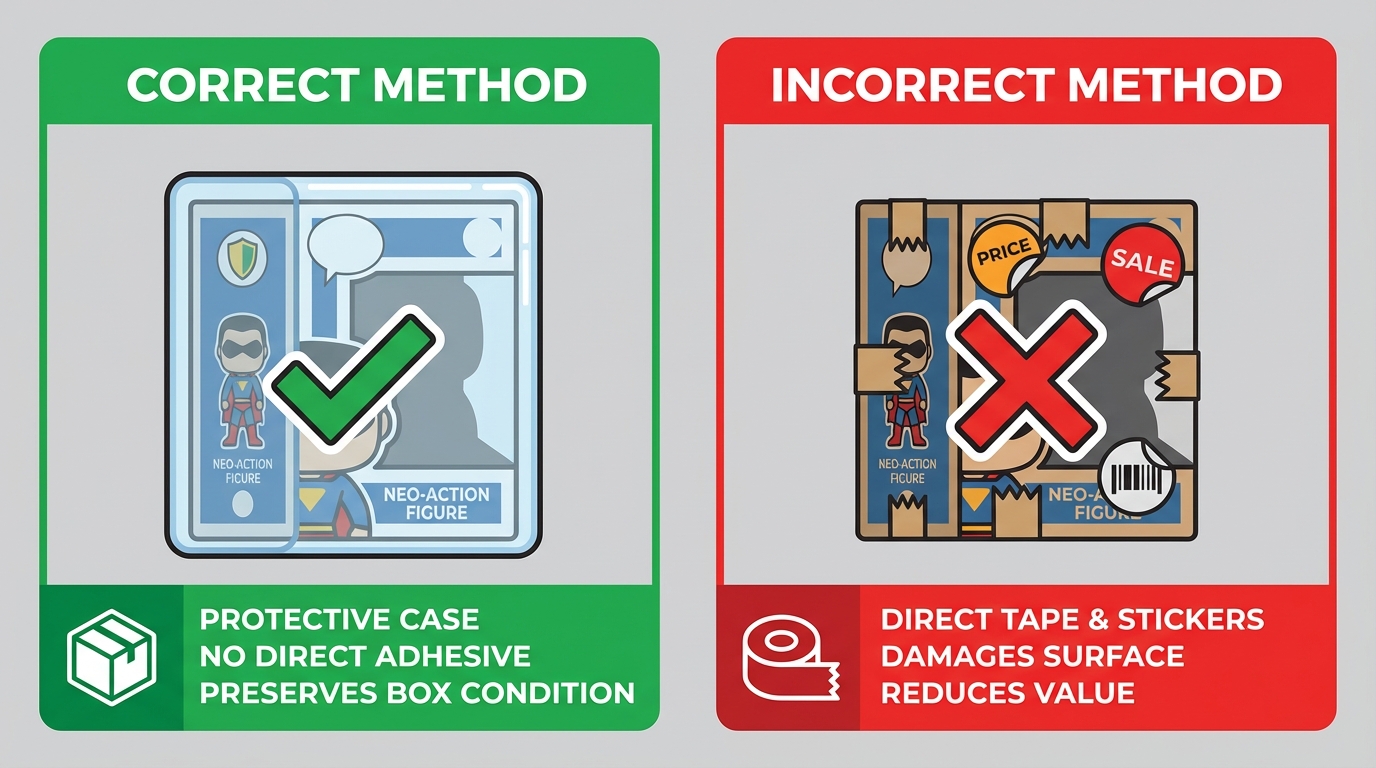
For figures, boxes and display hardware play a similar role. Storage guides for collectibles and action figures recommend keeping items in original packaging when investment value matters and using separate box protectors, sleeves, or cases to shield that packaging from dust, crushing, and fading. The logic is the same as with books: the original box and its print quality often drive a large part of a figure’s resale appeal, especially for limited runs or exclusives. A clear box protector or display case lets you show off the art and logos while taking the scuffs and sunlight instead of the box. By contrast, stickers, laminated films, or tape directly on the box can permanently mark it, just as non‑archival tapes can stain and degrade paper dust jackets over time. Keeping the original packaging clean and untouched while using removable covers around it is the safest approach if future value matters.
Pros and Cons of Dust‑Covered Figure Displays
A dust cover is not automatically an upgrade; it changes how your collection feels and how you interact with it. Thinking in terms collectors and preservationists use for books and framed art helps clarify the trade‑offs.
One clear upside is reduced direct handling of the figures themselves. When the dust lands on an acrylic panel instead of on hair spikes and cape folds, you mostly wipe the case rather than the sculpt. That means fewer chances to bump tiny accessories, loosen joints, or rub soft paint. Storage and preservation guides routinely recommend enclosed display cases for high‑value collectibles partly for this reason: you cut down on both dust accumulation and mechanical wear from constant cleaning and casual touches.
Another advantage is a more controlled micro‑environment. While a display case will not magically fix a steamy, sun‑blasted room, it can soften the edges of daily temperature and humidity swings and reduce how much airborne pollution reaches your figures and their boxes. Preservation guidance for textiles, photos, and mixed‑media collections stresses that stable conditions and low pollutants matter more than any fancy treatment, and that using barriers plus good room choice is the winning combination. A dust‑covered figure display echoes this: you pick a reasonable room, avoid direct sunlight, then let cases and covers handle the last stretch of everyday dust and airflow.
The downsides cluster around immediacy, space, and maintenance. Cases and covers take physical depth; large acrylic cubes or glass cabinets can eat floor and shelf space that open figures did not. Cleaning shifts from dozens of tiny surfaces to fewer big panels, which is usually an upgrade, but those panels show fingerprints and smudges quickly and can scratch if you use rough cloths. Cheap materials can develop a slight haze that dulls figure colors even when spotless. There is also an emotional cost: pulling a figure out to re‑pose or swap faceplates feels less spontaneous when you have to lift or slide off a cover, then open a case. Some collectors solve this by using dust covers mainly for grails, limited editions, or fragile garage kits while keeping lower‑stakes prize figures on open shelves that they handle more casually. That hybrid approach borrows from libraries and rare‑book rooms, where only the most sensitive or valuable items get the full protective treatment.
To see all of this at a glance, it helps to compare setups side by side.
Setup | Strengths for display | Trade‑offs |
|---|
Open shelves, no covers | Maximum immediacy, no glare, easy posing and photos | Fast dust buildup on figures and bases, more cleaning, higher risk of fading and surface wear |
Enclosed cases or covers | Cleaner look, less dust on figures, better environmental buffering, “museum” aesthetic | Glare or haze if materials are poor, fingerprints, extra space and cost, less spontaneous access |
Hybrid (covers for select) | Protection focused on grails or fragile pieces, mix of “play” and “museum” shelves | Visual inconsistency, planning which pieces get cases, still some dusty shelves to maintain |
The right choice depends less on a single “best” answer and more on how you balance these strengths and trade‑offs for your own room, budget, and fandom habits.
Choosing a Dust Cover Strategy That Fits Your Collection
How Much Do You Care About Mint Packaging?
If you buy multiple copies of exclusives to keep some sealed, or if you track aftermarket prices, your packaging is doing a lot of heavy lifting. Storage advice for toys and action figures is clear: items kept in original, undamaged packaging typically command a noticeable premium over otherwise identical pieces that show wear, especially if the packaging is unopened and the colors remain bright. The recommended setup is to keep such pieces in their boxes, use box protectors or acrylic cases sized to the packaging, and store or display those boxes upright, away from sunlight and harsh environments so they do not warp or fade. Action figure storage guidance treats original packaging almost like a figure’s “dust jacket,” not just a shipping container.
In that mindset, a dust cover’s main job is to protect the box that protects the figure. Even if you never plan to sell, the visual impact of a wall of sharp, unfaded boxes is huge compared with a row of sun‑bleached cardboard. If you are more of a “pose everything” fan who recycles boxes, cases and covers are still useful, but their priority shifts from packaging to paint and plastic. You might skip box protectors entirely and invest in a few large display cases that can house your favorite open figures instead.
Matching Cover Type to Room and Shelf
Figure rooms live in real apartments and houses, with roommates, pets, and limited floor space. Design references on dust covers emphasize matching cover materials and dimensions to the object and environment, which translates into choosing cases and covers that fit your shelves, ceiling height, and how often you actually move things. For a small bedroom, a single tall glass or acrylic cabinet with doors and internal risers can turn one tight corner into a dense, dust‑controlled cluster of characters. For long, low shelves in a living room, a series of clear acrylic fronts or fitted fabric covers that drop over each shelf can shield figures when you are not actively showing them off. Dust cover design guidance underlines how tailoring size and material improves both protection and appearance.
Placement matters as much as hardware. Preservation and storage advice consistently recommends avoiding direct sunlight, very hot or cold spots, and high‑humidity zones. That means steering clear of window sills, uninsulated attics, and steamy bathrooms for permanent displays, even if a case has a dust cover. A covered figure shelf in a climate‑controlled room with curtains or blinds will nearly always age better than an uncovered shelf in a bright, temperature‑swinging area, but a case in a bad spot can still trap heat or moisture. Treat the dust cover as your second line of defense; the room itself is the first.
Cleaning and Maintenance So Covers Help Instead of Hurt
Dust covers cut down on how often you need to touch the figures themselves, but they do not remove cleaning from your life. The goal is to shift to gentler, larger‑scale maintenance that stresses the cases, not the collectibles. Preservation tips for both books and home collections recommend using soft, non‑abrasive cloths or brushes and avoiding strong cleaners that can damage coatings or leave residues. Some guides also note that slightly damp cleaning cloths pick up dust more effectively than dry ones, which tend to just push particles around; the key is to keep moisture low and avoid soaking seams or paper. Over time, regular gentle cleaning of case exteriors and occasional inspection of seals, hinges, and cover edges keeps your “defense layer” performing well.
For the figures inside, enclosed displays significantly slow dust buildup, so you can usually reserve detailed brushing for occasional refreshes or pose changes rather than constant emergency cleanups. Storage advice for action figures suggests making sure everything is fully dry before enclosing it, since trapped moisture is one of the quickest paths to mold, corrosion on metal parts, or sticky residue around joints. Action figure preservation guidance also recommends removing or isolating batteries for any figures or bases that light up, because leaks inside a closed case can go unnoticed until there is serious damage. Think of dust covers as making your maintenance more predictable and less frantic, not eliminating it.
FAQ: Common Dust Cover Questions From Figure Fans
Do Dust Covers Really Reduce How Often You Have to Clean Figures?
Yes, especially in rooms that are otherwise reasonably clean and stable. General design references on dust covers emphasize that their main job is to intercept dust and debris before it lands on the object itself, which means you spend more time wiping smooth plastic or glass surfaces and less time digging particles out of tiny sculpt details. For action figures, storage guides recommend enclosed, dust‑resistant cases partly because they slow dust from settling into joints and textured surfaces, making cleaning sessions less frequent and less aggressive.
Can Dust Covers or Cases Cause Yellowing or Warping?
The covers themselves are not usually the direct cause; the problem is trapping figures in an environment that is too hot, too humid, or flooded with UV light. Preservation advice for framed art, textiles, and mixed collections notes that dust covers and backing boards can help stabilize humidity and block pollutants, but they cannot counteract extreme environments like steamy bathrooms or spots that bake in sun for hours each day. If a figure in a case sits in full sunlight or in a room with big temperature swings, the case can hold in heat and accelerate discoloration or plastic warping. Keeping cases out of direct sunlight, in climate‑controlled rooms with moderate humidity, and occasionally opening them to let air move through is the safer pattern.
Is It Safe to Stick Films, Labels, or Tape Directly on Figure Boxes for Protection?
Anything non‑reversible stuck directly onto original surfaces is risky if you care about long‑term value. In the book world, collectors and conservators warn that applying mylar or other permanent coverings directly to dust jackets, or repairing tears with ordinary tape, can ruin a jacket’s collector value because adhesives stain and degrade paper over time and coverings are hard to remove without damage. The safer practice is to use removable plastic sleeves or separate covers that protect while keeping the original unobstructed. For figure boxes, the same logic applies: clear box protectors or cases that slide over the packaging are preferable to laminate films or stickers placed directly on the box, and any necessary labels are best stuck to the protector, not the original carton.
A well‑chosen dust cover is less about hiding your figures and more about making them look like they belong in a tiny gallery instead of a storage shelf. If you balance clear cases and smart room placement with a cleaning routine that favors gentle, infrequent contact, your favorite characters will stay sharp, bright, and display‑ready far longer than if they were left to fend off dust and sunlight alone.