Understanding the Causes of Your Figurine Deformation Issues
Most figurine deformation comes from a mix of heat, light, humidity, and time pushing plastic past its limit, but small changes to how and where you display and store figures can prevent most warping.
Have you ever walked into your room and noticed a favorite character suddenly leaning forward, a heroic sword sagging toward the base, or a once-sharp cape curling like it is exhausted? Across conservation labs and collector case studies, the same pattern keeps showing up: when figures sit for weeks or months in hot, bright, unstable spaces, soft plastics, paints, and glues start to droop, yellow, and separate. This article explains what is happening inside the materials, which environments quietly damage your shelves, and the practical steps that keep your characters standing proud instead of collapsing into puddles.
What Your Figure’s Plastic Does When It Warps
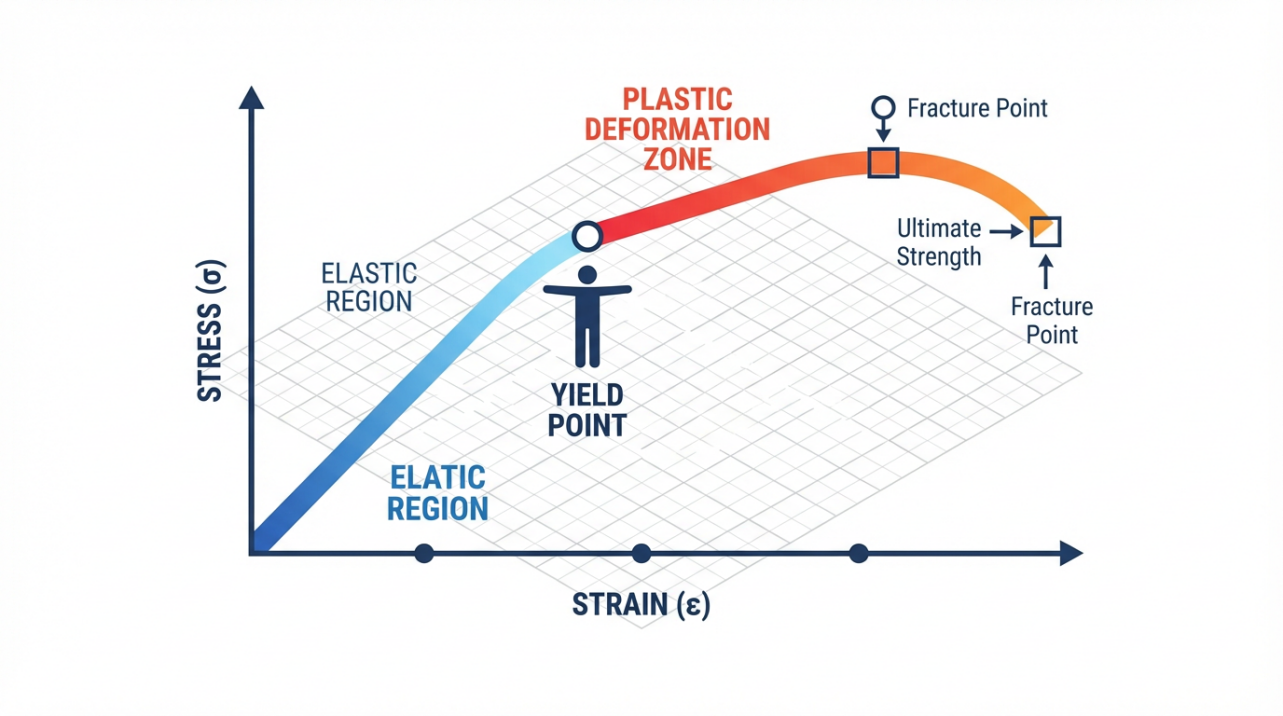
At the most basic level, a figurine is a shaped piece of solid material under constant stress from its own weight, pose, and environment. Materials science describes how solids respond to stress with stress–strain curves: first an elastic region where the material stretches and then snaps back, then a plastic region where extra stretching leaves a permanent bend even after the load is removed. This shift from reversible to permanent change, described in discussions of elasticity and plasticity, is exactly where drooping and warping begin for PVC and ABS collectibles.
In the elastic region, deforming the material is like stretching a spring: the long polymer chains that make up plastics twist and uncoil, but their internal links stay intact, so the figure returns to its original shape when the stress disappears. Past a certain stress, called the elastic limit or yield point, those chains start to slip past each other and untangle in ways that do not fully reverse, creating permanent plastic strain that shows up as a new curve in a limb, base, or weapon. Studies of high-strain plastic behavior in polymers describe how, in this plastic region, unloading the stress only recovers part of the deformation while the rest remains as residual strain, and how continued loading eventually leads to final failure on the stress–strain curve.
For figurines, you almost never see catastrophic fracture; instead, you mostly notice the middle territory where repeated stress or environmental change pushes a pose just beyond that elastic limit. A character sculpted with a dynamic forward lean, thin ankle, or heavy weapon is already operating near its mechanical limit, so even a small creep in plastic chains over months of display can turn a crisp stance into a visible lean.
Heat: The Number One Villain Behind Drooping and Warped Figures
Heat is the fastest way to push your figures out of that safe elastic range. As temperature rises, polymer chains move more easily, making plastic softer and more willing to stretch under the same load, and many glues and coatings reach their own softening points long before full melting. Conservation research on temperature and relative humidity shows that high temperatures accelerate chemical deterioration and can embrittle or distort a wide variety of collection materials over time, especially when combined with fluctuating humidity. This dynamic is a central focus of preventive conservation work on temperature and relative humidity.
Collectors have seen this play out in real time. Reports from action figure communities describe soft plastic effects pieces and thin limbs starting to sag on days when room temperatures climb into the 90s°F, especially near windows or in stuffy rooms. Inside closed cars the problem is worse: tests and collector experiences around vinyl figures like chibi Pops show that car interiors can cook far above the outdoor temperature, enough to soften the plastic bodies, weaken assembly glue, and even deform packaging when figures are left for long drives or full afternoons in the sun. The same principle applies to any figure left near heaters, radiators, or gaming setups that pump out heat onto nearby shelves.
Safer Versus Riskier Temperature Ranges
Conservation professionals and figure-focused guides converge on a similar rule of thumb for mixed collections: cooler, stable, and boring is best. Museum experts caring for boxed toys and other materials often aim for spaces around the low 60s°F with moderate relative humidity near the mid-40s percent and minimal daily swings, because rapid fluctuations add mechanical stress as different materials expand and contract at different rates.
More figure-specific advice around PVC and ABS collectibles recommends keeping display and storage rooms in roughly the mid-60s to low-70s°F and relative humidity around 40–50%, which balances comfort, mold risk, and plastic stability for long-term display. Guidance for muscle-style figurines made from these materials explicitly recommends climate-controlled rooms in that temperature and humidity band and warns against attics, basements, and garages where temperatures and moisture swing widely. These best practices for climate-controlled display come through clearly in collectible figurine care recommendations.
At the other extreme, conservation data on modern materials shows that as temperatures climb toward the high 80s°F and beyond, mixtures with waxy components, fillings, and common glues soften and lose strength, especially if humidity is also high and the exposure lasts hours or days. Combined with gravity, this softening can let joints creep, bases bow, or glued elements shift into a new permanent position. Even if the plastic does not visibly melt, you can still end up with a “forever lean” once things cool in their new shape.
Hidden Hot Zones: Cars, Attics, and Window Shelves
Some display spots just ask for trouble. Cars are the obvious villains: on a hot day, a parked car quickly becomes a mini oven, and clear display boxes or clamshells act like extra greenhouses that trap heat around your figures. Collectors who leave PVC figures in cars for conventions, shows, or travel have reported softened parts, detached glued pieces, and warped boxes after only a few intense heat cycles, especially when the figures sit in direct sun on seats or dashboards.
Attics are the home equivalent. Even in regions that normally feel mild, attic alcoves can run much hotter than the rest of the house, and a space that once briefly hit 110°F or more during a historic heat wave can easily repeat that in future summers. The combination of trapped heat, limited ventilation, and sometimes unshielded lights or roof windows makes attics some of the most dangerous places to display premium pieces.
Finally, those iconic window shelves bathed in sunlight look incredible for photos but brutalize plastic over months and years. Direct sunlight not only raises surface temperatures; ultraviolet and visible light slowly fade paint and can make plastics brittle and discolored. Care guides for anime figures specifically caution against direct sunlight and recommend cool cabinets or shelves away from windows, while also suggesting regular inspection for chips, cracks, and loosening parts to catch heat-related damage early.
Light, Humidity, and Time: The Slow Motion Deformation Crew
Heat gets most of the blame, but light and moisture quietly set the stage for a lot of deformation and yellowing. From a conservation perspective, there is effectively no such thing as safe light: even visible light without ultraviolet causes cumulative, irreversible damage like fading, yellowing, and embrittlement. Storage specialists therefore favor dark, opaque boxes, UV-filtering films, and turning off lights when displays are not being viewed, because every extra hour of illumination adds to the total dose. This emphasis on minimizing light exposure and using opaque or UV-filtered containers runs through guidance on collectible and artifact storage and on agents of deterioration like temperature and relative humidity.
Relative humidity adds another layer. Many figure lines combine plastics, paints, glues, cardboard backs, and sometimes fabric or soft goods in a single piece or package, and these materials respond differently as humidity rises and falls. Most mixed objects fare best around a stable 40–60% relative humidity with daily changes kept small, because fluctuations cause internal stresses where one material swells or shrinks more than its neighbor. Figurine-specific storage advice lines up with this, favoring climate-controlled rooms around 40–50% relative humidity to reduce both mold and mechanical creep in plastics.
Then there is time and chemistry. Many modern plastics are inherently unstable and prone to slow breakdown, releasing acidic or corrosive gases that can harm nearby objects and themselves. Storage experts describe this as inherent vice and recommend keeping plastic artifacts in separate, inert, acid-free containers in cool, moderate environments whenever possible. These warnings about inherent instability and off-gassing are a key part of tips for collectible and artifact storage. Environmental writers focusing on plastic waste point out that how fast plastics degrade depends strongly on the type of plastic and its environment; hotter, brighter, more chemically active conditions push them toward breaking down much faster, as discussed in the environmental cost of plastic degradation. For figurines, that slow chemical aging shows up as yellowing, tacky surfaces, or unexpected softening even in pieces that were once rock solid.
Collector communities dealing with vintage toys have already seen how this plays out over decades: bubbles separate from cards, plastic shells yellow, and some figures become sticky or start to “rot” despite careful care. The uncomfortable truth is that you cannot fully stop time-driven degradation in unstable plastics; the goal is to slow it dramatically so favorite pieces age gracefully instead of collapsing early.
Is Your Warp Temporary or Permanent?
Figurine owners often want to know whether a new lean or bend is something the material will “remember” or forget. The answer lives on that stress–strain curve: if a part is still within the elastic range, you can remove the load and the original size and shape return completely; past the elastic limit, the material follows a different line and keeps a residual strain, meaning a permanent change in shape. These distinctions between elastic and plastic behavior are laid out clearly in discussions of elasticity and plasticity.
In everyday terms, if a figure has a slight temporary flex because a shelf is vibrating or a pose is under modest stress, you may see a tiny wobble that disappears when you reposition the base or take away the stress. Once gravity has slowly driven the ankle, knee, or base past its elastic limit under heat and time, the new curve becomes the “default,” and cooling or rebalancing alone will not return it to factory shape. At that point you are dealing with plastic deformation; beyond cosmetic tweaks to the pose, there is no risk-free way to fully erase it at home, which is why prevention is so prized.
Storage and Display Choices That Prevent Deformation
The good news is that most warping, leaning, and softening issues can be dramatically reduced with smarter storage and display choices. Across museum storage guidelines and figure-specific care articles, the most consistent theme is to treat your collection more like a miniature exhibit than a toy box, from using divided boxes for small objects to choosing climate-controlled spaces and reducing handling.
Picking Safe Rooms and Spots in Your Home
Start by choosing the right room. Climate-controlled living spaces that stay roughly in the mid-60s to low-70s°F all year with moderate humidity are far safer than attics, garages, or unfinished basements that swing from chilly to sauna-like with the seasons. Storage experts strongly advise against attics and basements for sensitive collectibles because of temperature and humidity extremes and fluctuations, instead favoring interior rooms with more stable conditions.
Within a safe room, positioning matters. Open shelves directly across from sunny windows or under ceiling vents are much riskier than shaded alcoves or wall sections with no direct sunlight and gentle airflow. Collectors and specialty shops often recommend placing figure shelves away from exterior doors and windows, keeping them a few feet from heaters, and avoiding spots right under AC vents where cold drafts and condensation can stress materials. These display choices line up with recommendations to use shaded areas and cool cabinets for anime figures and to keep them away from heaters and abrupt temperature changes.
Cases, Cabinets, and Boxes: How They Help (and When They Hurt)
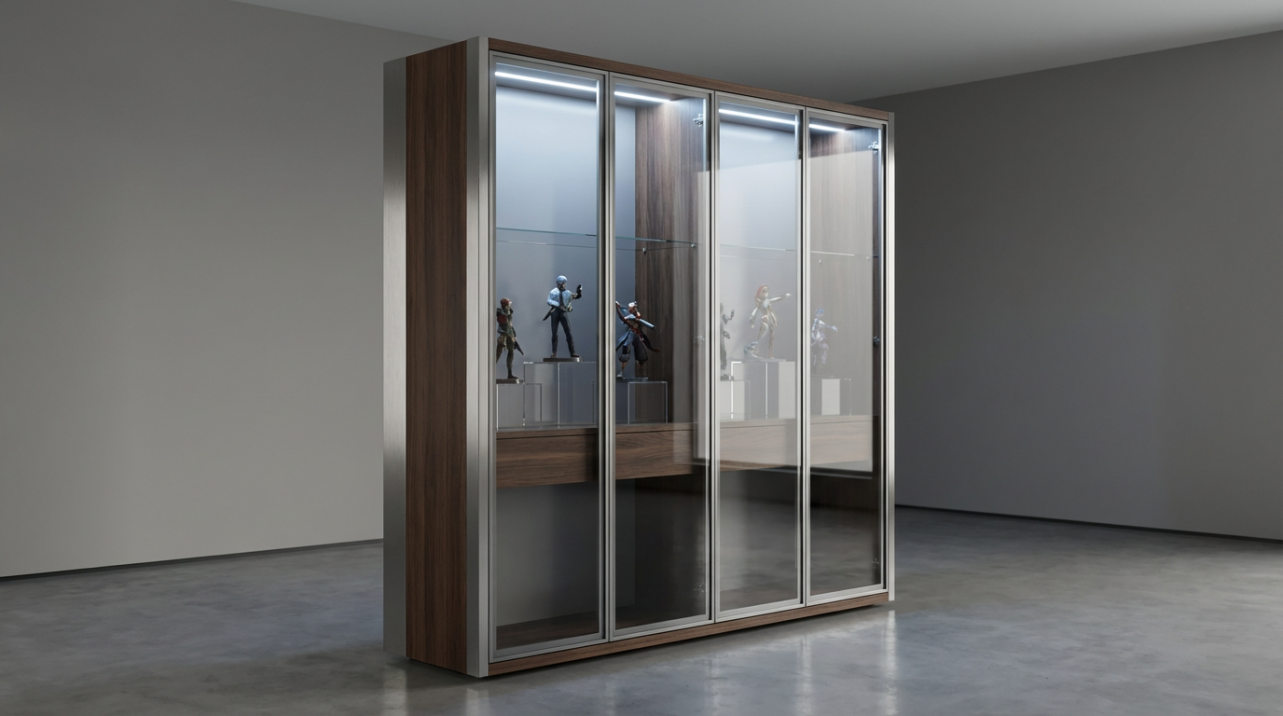
Protective enclosures are some of the best tools against deformation, as long as you do not trap heat with them. UV-filtering acrylic or glass cases cut light exposure dramatically and shield figures from dust and accidental bumps, making them ideal for grail pieces or detailed sculpts with fragile hair, weapons, or accessories. Figure-specific guides recommend such display cabinets, positioned away from strong light and heat sources and lit with cool LED lighting rather than hot bulbs, to reduce both UV exposure and plastic fatigue.
When figures go into long-term storage, the goals shift toward stability and separation. Archival storage tips suggest using acid-free boxes or containers, separating objects so they do not touch, and cushioning them with inert materials so that small knocks do not translate into stress on delicate limbs or accessories. For plastics in particular, experts advise storing them separately from metals and organic materials like wood to avoid cross-contamination from off-gassing and to wrap them in acid-free tissue in cool, moderate environments. Figurine-specific advice extends this by suggesting rigid plastic containers with silica gel desiccant, foam dividers between figures, and clearly labeled compartments so pieces do not rub or press on each other during transport or storage.
Cleaning, Handling, and Inspection Habits
Even if the environment is perfect, careless handling and cleaning can cause micro-damage that makes future deformation more likely. Basic figure cleaning guides stress gentle, regular maintenance using soft microfiber cloths and soft-bristled brushes to remove dust and grime without scratching paint or stressing joints. For more soiled figures, they advise warm, not hot, water with mild soap and strict avoidance of boiling water or harsh chemicals, both of which can warp plastic, ruin paint, or damage fine details. After cleaning, figures should air dry completely out of direct sunlight, resting on towels or other soft surfaces.
Conservation-oriented storage advice adds that handling should be minimized, hands should be clean and dry, and for particularly unstable plastics, nitrile gloves can reduce the risk of skin oils interacting with the surface. It also encourages regular visual inspections to catch early signs of cracking, loosening, or mold so you can intervene quickly. Figure-specific sources echo this rhythm, recommending periodic inspections of joints and paint, seasonal rotation of which figures are on display, and returning figures to neutral, well-supported poses when they are not being photographed or reposed for fun. These maintenance routines are laid out in quarterly inspection and cleaning schedules for muscle-series figurine care, and they are reflected in how dedicated collectors treat figure care as a proper skill worth articles and tutorials, such as how-to pieces on caring for action figure collections.
Common Deformation Symptoms and Likely Causes
Symptom you notice | Likely main cause | First move to protect the figure |
|---|
Leaning or “falling forward” over months on a shelf | Gravity slowly pushing soft plastic or joints past the elastic limit in a warm room with unstable climate | Move to a cooler, more stable room in roughly the mid-60s to low-70s°F, reduce pose stress, and consider a stand or support. |
Warped weapon, cape, or effect piece near a window | Local heating plus direct light driving thin parts into plastic deformation and UV damage | Relocate the display away from direct sunlight, use UV-filtering cases, and rotate figures periodically. |
Yellowing clear parts or sticky plastic over years | Inherent chemical instability of certain plastics, accelerated by heat, light, and pollutants | Lower temperature and light levels, isolate the piece in inert, acid-free materials, and monitor for further change. |
Glue seams opening or accessories drooping off | Adhesive softening or failing after exposure to high temperatures and humidity | Cool the environment, avoid further heat exposure, and for high-value pieces consider professional restoration rather than DIY re-gluing. |
When to Call a Professional Instead of DIY Fixes
Once a figure has crossed deep into the plastic region of its stress–strain behavior, there are real limits to what can be safely reversed at home. While it is tempting to experiment with aggressive heating, bending, or solvent-based cleaning to “fix” warps or sticky surfaces, these methods can easily push materials past their breaking stress, delaminate paints, or ruin fine details. In contrast, professional restorers who work on figurines and other collectibles build their whole workflow around understanding material properties, using compatible adhesives and fillers, and carefully color-matching paints so repairs are both structurally sound and visually unobtrusive. Their process usually involves detailed assessment, careful cleaning, controlled bonding, filling, smoothing, and finally repainting and finishing, all tailored to the specific material. For rare or sentimental pieces showing serious deformation, cracks, or separation, that level of expertise offers a much better chance of preserving both emotional and financial value than risky home experiments.
Closing Thoughts for Fellow Figure Fans
Figurine deformation is not random bad luck; it is physics, chemistry, and environment all playing out slowly on your shelves. By treating your collection more like a tiny museum—cool rooms, stable humidity, shaded displays, gentle cleaning, and regular checkups—you turn gravity and time from mortal enemies into manageable background forces. With a few smart changes now, your favorite characters can keep their heroic poses for many seasons of anime marathons to come, instead of slumping into retirement long before their stories are finished.