Choosing the Right Soft Brush for Figure Cleaning
Choose a truly soft, dense brush that matches your figures’ scale, reserve it only for dusting, and use a gentle routine so you lift dust while keeping paint, decals, and PVC or ABS surfaces untouched.
You glance up at your shelf and realize your favorite scale heroine is wearing more dust than her outfit, and the instinct is to grab any old brush and start scrubbing before guests arrive. Long-time collectors and cleaning guides agree that sticking to soft brushes and patient routines keeps figures looking close to new for years instead of turning cloudy, scuffed, or sticky long before their time. This guide breaks down how to choose the right soft brush, how to use it safely, and when to stop scrubbing so your collection stays sharp, colorful, and convention-ready.
Why Soft Brushes Matter
Maintenance guides for plastic figures describe PVC and ABS characters as happiest when dust is lifted with a microfiber cloth or soft brush, and when harsh cleaners are saved for rare deep cleanings rather than everyday use, to preserve surfaces and paintwork over time plastic figure maintenance. Dust is made of tiny abrasive particles; if you grind it into the surface with something rough, it behaves more like ultra-fine sandpaper than a simple powder. A soft brush lets you float that dust off joints, hair strands, frills, and weapon details before it cakes into the texture or turns into shiny rub marks on matte paint.
Collectors of antiques and household treasures use very specific, gentle tools because cleaning is always a tradeoff between getting rid of grime and preserving original finishes that can never be replaced tips, tools, and techniques for caring for antiques. A compact antiques handbook can justify something as oddly precise as crushing pecans to disguise a watermark on wood, all to avoid heavy refinishing that erases value. That same “careful, not aggressive” mindset translates perfectly to scale figures and garage kits: you are not just cleaning plastic, you are preserving tiny factory paint jobs and sometimes irreplaceable limited runs.
The debate over how far to restore collectibles shows how fragile “original condition” really is, with some communities insisting objects stay as found while others embrace careful restoration when corrosion or wear has clearly taken over, as collectors debate restoration versus originality. The important lesson for figure fans is that every scratch you add chasing perfection is permanent, while a bit of soft dust on a rare grail can always be brushed off later. When a dusty box of vintage figures emerges from an attic after a few decades, experienced collectors often start with nothing more than air and the softest brush they own until they are sure tougher methods are worth the risk.
What Makes a Good Soft Brush for Figures?
Bristle Softness and Material
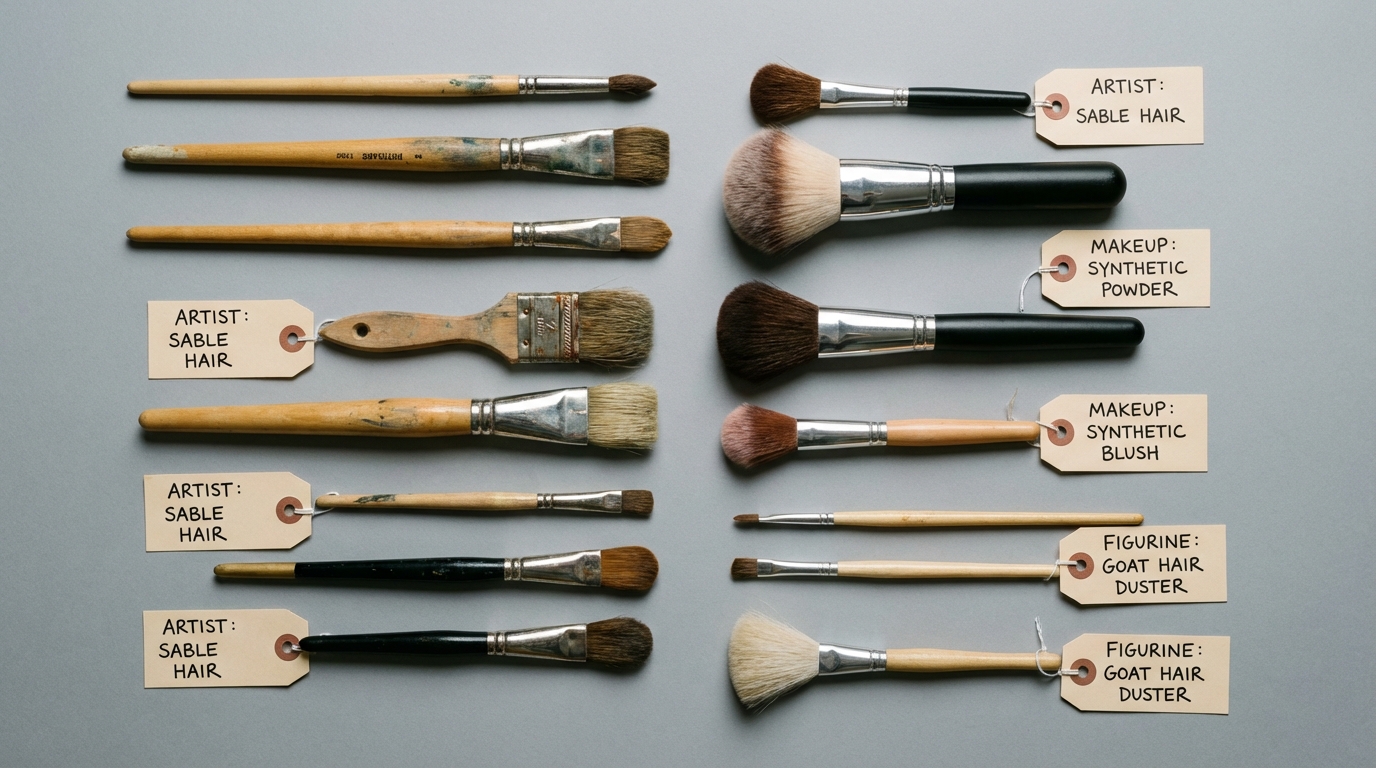
Brush ranges designed for scale models and hobby work are built around matching bristle material to the job, offering synthetic, natural, and hybrid bristles in shapes tailored for fine detail or broad coverage paint brushes for scale models and hobbyists. The same logic works for figure dusting: you want bristles that bend easily under their own weight and spring back without feeling scratchy if you drag them over the inside of your wrist. Anything that feels like a kitchen scrub brush or bathtub cleaner belongs nowhere near your figures.
Synthetic bristles are described for modeling as durable and resilient, happy with acrylics, enamels, and oils, which also makes them strong candidates for a dedicated dusting brush that will be washed and reused often (paint brushes for scale models and hobbyists). Ultra-soft makeup-style synthetics work beautifully on large anime hair pieces and flowing skirts because they glide over edges and do not hold onto moisture. Natural bristles shine at holding paint and delivering smooth strokes in art use, and that same “grabby” quality means they can pick up a lot of dust, but you need them in genuinely soft grades; stiff hog-bristle styles built for rough paint effects can be too aggressive for delicate figure finishes.
There is also a growing category of plastic cleaning brushes made with recycled content, where certifications such as the Global Recycled Standard verify that at least half the material is recycled and produced under defined social and environmental criteria (plastic cleaning brush with recycled content certification). If you go this route, focus on models explicitly described as soft and non-scratch and then test them on a junk base or prize figure stand before touching a favorite character, since many kitchen brushes in this category are tuned for plates and pans, not matte pastel hair gradients.
Size and Shape for Different Figures
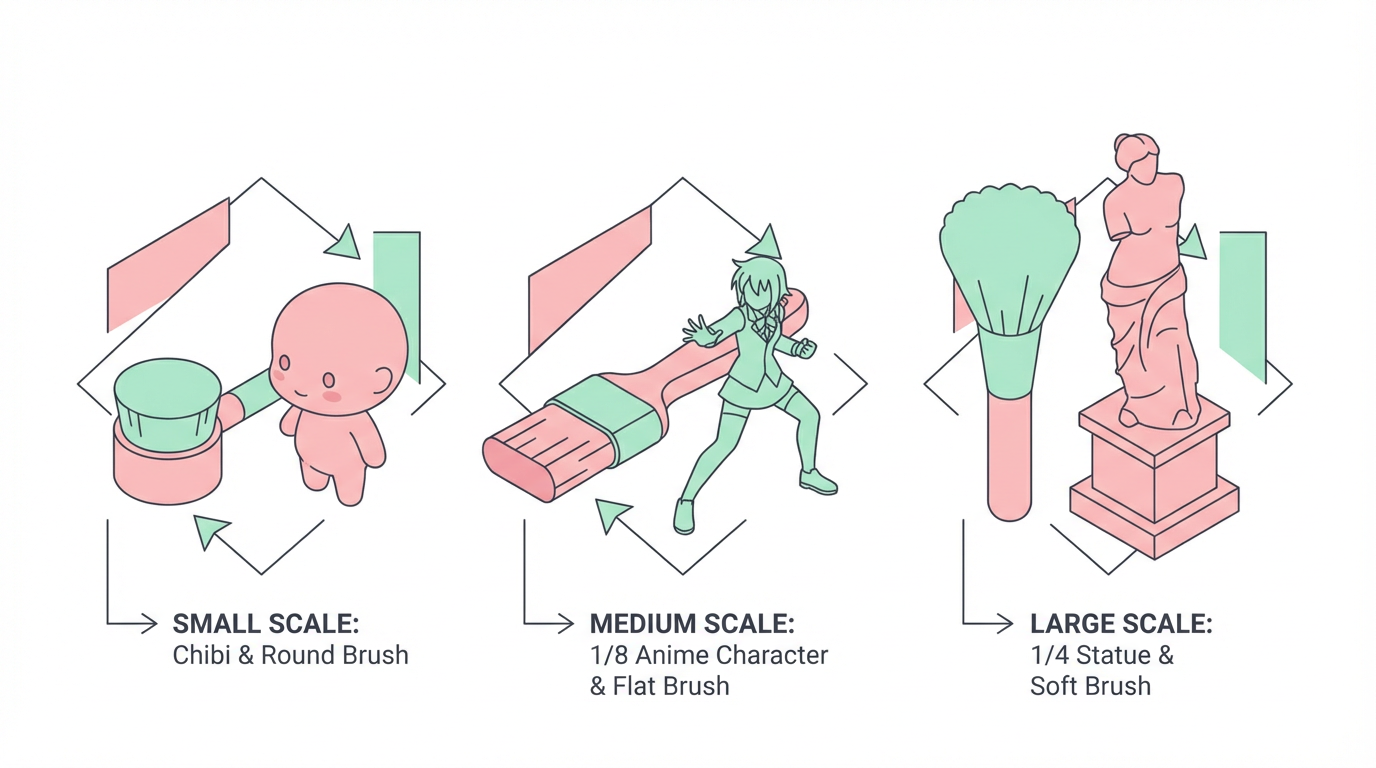
Curated brush lines for modelers cover everything from ultra-fine round tips to broad wash and fan brushes so painters can hit tiny rivets, wide armor panels, and soft blends with the right tool (paint brushes for scale models and hobbyists). For figure cleaning, a similar spread works well: a small round brush is perfect for faces, eyes, and tight joint lines; a medium round or filbert glides along hair drills and skirt folds; and a slightly larger, soft flat brush makes quick work of bases and simple cloaks.
Dedicated figure-cleaning brush sets bundle that variety specifically for statues and figurines, often with several heads meant for edges, crevices, and wider surfaces professional statue and figurine cleaning brush set. The recommended motion is gentle, single-direction strokes that push dust off the surface instead of grinding it in from multiple angles. For example, a shelf packed with 1/8-scale characters might use a broad brush to sweep dust down their backs and bases, then a narrower round to chase crumbs out of belt buckles, mech panel lines, and folded sleeves.
If your collection ranges from tiny trading figures to large resin displays, it can help to think of brush scale the way you think of figure scale. A jumbo 1/4-scale bunny statue benefits from a bigger, fluffier brush that covers ground quickly and follows big curves, while a chibi figure with oversized eyes and short limbs really wants a petite brush that can sneak under and around bangs without bending delicate parts.
Dedicated Figurine Brushes vs. Repurposed Hobby and Makeup Brushes
Purpose-made figurine brush sets are designed from the start as dusting tools, not paint applicators or cosmetics, and are marketed as safe on delicate finishes when used with light pressure (professional statue and figurine cleaning brush set). They usually ship in protective sleeves or cases and emphasize staying dry and free from harsh chemicals so they remain soft over many cleaning sessions. The tradeoff is that quality and actual softness may vary between brands, so testing on a low-stakes figure or base is essential.
High-quality artists’ brushes can be excellent once they retire from active painting, especially if they were originally bought for fine detail work and have soft, well-shaped tips (cleaning and caring for hobby paint brushes). Collectors who already paint Gunpla or garage kits often promote a favorite size zero or size one round brush to “dusting duty” instead of throwing it away the moment it loses its razor-sharp point. Makeup brushes are another fan favorite for intricate areas, particularly eye and highlight brushes, but once you use them on figures they should never go back to your face because cosmetic oils and figure dust are a bad mix for skin and plastic alike, as figure-maintenance writers warn.
In practice, many collections end up with a hybrid kit: a dedicated figurine brush set for quick weekly passes, one or two ex-paintbrushes for surgical dusting in super-detailed bases, and a soft, dome-shaped makeup brush reserved for armor panels, wings, and capes. The only hard rule is that all of these remain genuinely soft and are used gently; if any brush starts to feel prickly on the back of your hand, retire it from figure work.
How to Use Your Soft Brush Safely on Figures
A Simple Dusting Routine That Fits Into Your Week
Maintenance guides suggest that figures displayed in the open benefit from weekly dusting and more thorough cleaning every couple of months, while those in cases can often wait longer between deeper sessions (plastic figure maintenance). A realistic ritual for a busy fan is to pick one shelf per week instead of the whole room: take each figure in both hands, angle it slightly downward so dust falls away, and use your soft brush in gentle strokes from top to bottom. Hair, shoulders, and the tops of accessories collect the most dust, so giving them an extra pass pays off.
On broad, flat sections like capes, shields, and skirts, a medium or large soft brush lets you sweep dust in long paths rather than short taps, which moves particles completely off the surface instead of just shifting them around. For joint lines, undersides of ponytails, and armor panels, switch briefly to a smaller brush and work from the cleanest area toward the dirtiest so you are not dragging grime into pristine spots. A 20-figure shelf cleaned this way at about two minutes per character takes less time than a single anime episode and leaves the dust mostly on your table instead of in delicate joints.
When Brushing Alone Is Not Enough
Plastic figure care guides describe a two-step approach where regular dry dusting is joined by rare, careful wet cleaning using mild soap diluted in warm water and, ideally, distilled water to avoid cloudy mineral deposits (plastic figure maintenance). If a figure feels sticky from migrated plasticizer, or a long-neglected piece has greasy dust that refuses to lift, a soft brush becomes the applicator for that mild solution rather than a sander. You can dip just the tips of the bristles into the diluted soap, blot on a towel until barely damp, and then stroke along the dirty area before rinsing the brush and repeating.
Writers who work on decades-old toys recommend starting with the least aggressive method and only escalating if the figure still looks grimy after gentle attempts, often practicing on low-value pieces first to build confidence with pressure and technique practical cleaning of older plastic toys and collectibles. For figures with paper labels, authenticity stickers, or fragile tampo printing, a full soak is discouraged; spot-cleaning just the dirty spots with a soft brush or cotton swab keeps sensitive areas dry.
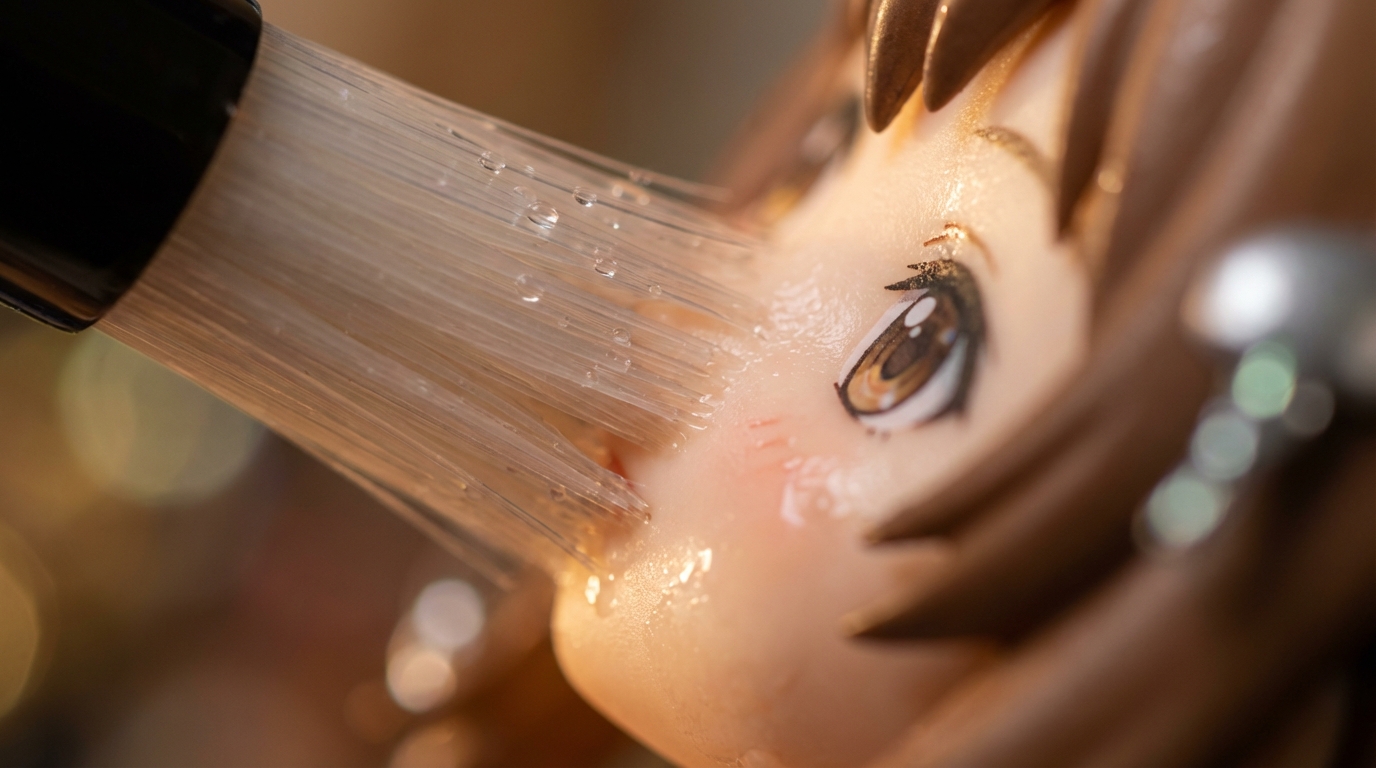
Think of heavy grime as a mini-boss: soften it with time and mild solutions, chip away slowly with a soft brush, and accept that not every mark is worth risking a repaint.
Knowing When to Stop: Preservation Beats Perfection
Collectors who specialize in other niches caution that an item is only truly original once, and any polishing or heavy cleaning that strips finishes or labels permanently changes its status, as seen in collectors’ discussions of restoration versus originality. In blowtorch and auto collecting, heavily corroded pieces may be fully refinished when no meaningful patina is left, while rare, well-preserved examples are barely cleaned at all. Figures sit somewhere in the middle: yellowing or grime that clearly hides the sculpt or paint is fair game for careful cleaning, but every extra experiment with solvents gambles with detail you cannot get back.
Experienced figure-maintenance writers treat strong solvents as an absolute last resort, recommending that stubborn streaks, paint transfer, and scuffs only be tackled after erasers, soap, and water have failed and always in pinpoint fashion with cotton swabs. Plastic figure owners who tested different cleaners on Pokémon figures found that very targeted applications of isopropyl alcohol could erase certain scuffs on colored plastic, but acetone and other harsh products stripped finishes too easily to be worth the gamble on collectibles tests of cleaners on plastic figure scuffs. A safe rule for anime figures is simple: if a mark is so minor you only see it with your nose inches from the shelf, your soft brush has already done its job, and anything more belongs in the advanced-restoration bucket, not a casual cleaning session.
Caring for the Brush So It Keeps Caring for Your Figures
Hobby brush experts show that regular cleaning and light conditioning can keep high-end brushes functional for six or seven years of frequent use, even when they spend their days in paint cups and on miniatures (cleaning and caring for hobby paint brushes). Their routine uses warm water and dedicated brush soap to remove residue from the bristles and ferrule, followed by gently shaping the tip as it dries. A figure-dusting brush sees much lighter use than a painting brush, but the same idea applies: a quick wash now and then keeps it from becoming a grimy dust stick.
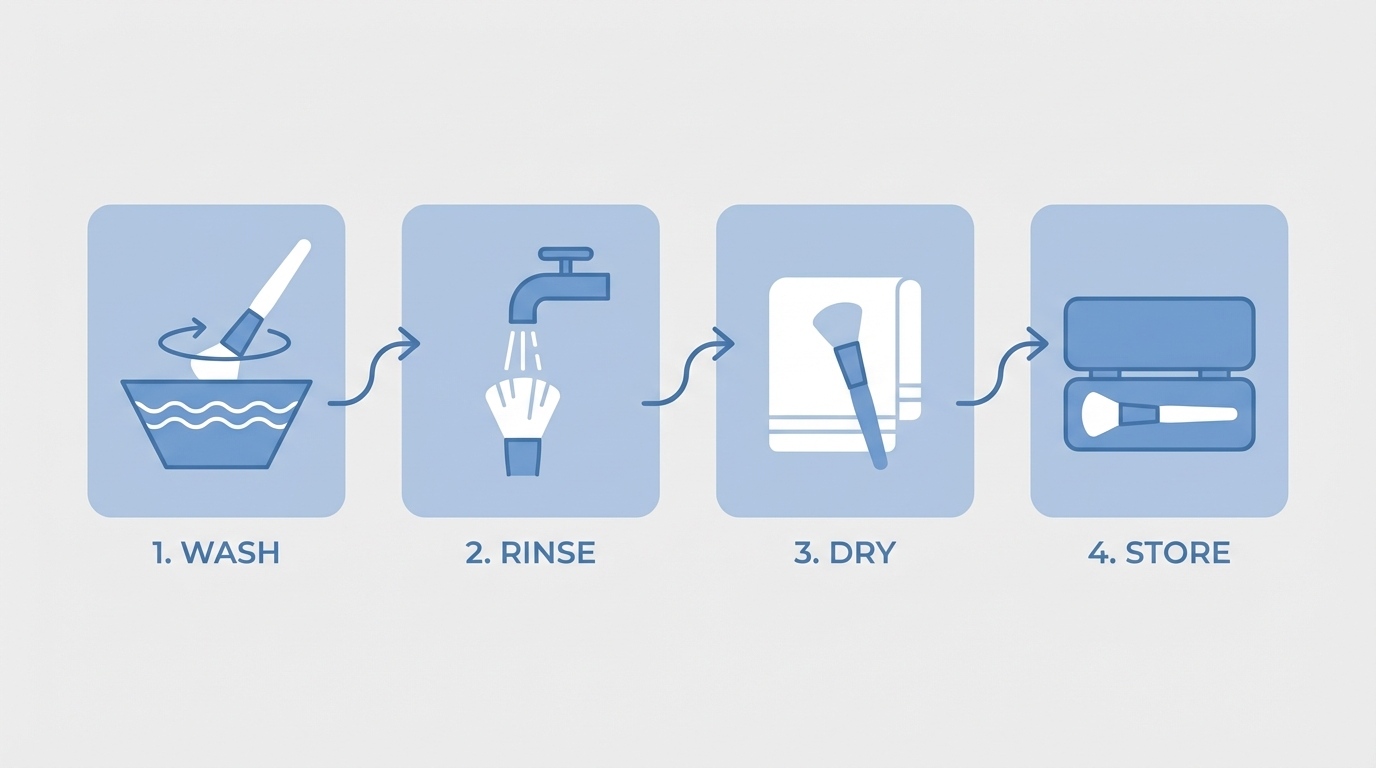
For a soft brush reserved only for cleaning figures, an easy ritual is to wash it every few weeks of use by swirling the bristles in lukewarm water with a little mild soap or brush cleaner, taking care not to crush the tip into the bottom of the cup, then rinsing until the water runs clear and gently squeezing out excess moisture with a towel. Let it dry lying flat or bristles-down so water does not sit in the ferrule, and reshape the tip with your fingers once it is only slightly damp so it dries with its original profile (cleaning and caring for hobby paint brushes). Avoid hair shampoos or random household detergents that can strip oils too aggressively; if you need something stronger after a paint mishap, follow up with extra conditioning so the bristles stay supple.
Dedicated figurine brush sets advise keeping the brushes dry, clean, and protected from dust between uses so they do not carry grit from last week’s clean into today’s pass over a glossy face (professional statue and figurine cleaning brush set). Storing your main dusting brush in a pencil case or brush roll near your display makes it easy to grab and use regularly without it picking up kitchen grease, bathroom moisture, or stray paint water.
If you opt for a brush made with recycled plastic and care about sustainability, the most planet-friendly move is the same as the most figure-friendly one: treat it gently so it lasts many years instead of being replaced every season plastic cleaning brush with recycled content certification.
Quick Comparison of Common Soft Brush Options
Brush type | Best for | Pros | Cons |
|---|
Soft makeup brush | Everyday dusting of hair, capes, and large armor panels | Plush feel, wide availability, great for big smooth areas and gentle on paint | Must be kept separate from facial use, some cheaper brushes shed or are not truly soft |
Artist paintbrush (retired from paint) | Precision dusting on faces, weapons, and bases | Designed for fine control, easy to repurpose from hobby painting, responds well to proper cleaning and conditioning (cleaning and caring for hobby paint brushes) | Smaller coverage makes big figures slower to clean, old brushes with damaged tips can scratch if not checked |
Dedicated figurine brush set | Mixed collections with many scales and display poses | Multiple shapes and sizes in one kit, marketed specifically as safe for figures, often includes storage solutions (professional statue and figurine cleaning brush set) | Quality varies between brands, still needs testing on less important pieces before use on rare figures |
Sustainable plastic cleaning brush | Collectors who prioritize recycled materials | Uses verified recycled content with supply-chain checks for social and environmental standards (plastic cleaning brush with recycled content certification) | Many products are designed for dishes or general cleaning, so you must choose only the very softest models and test carefully |
FAQ
Can You Use the Same Soft Brush for Painting and for Cleaning Figures?
Brush-care guides for painters emphasize that paint residues travel deep into the bristles and ferrule and need thorough cleaning to avoid drying out and ruining the brush, even when the artist is careful during use (cleaning and caring for hobby paint brushes). Because even tiny specks of dried paint can act like grit on a figure’s surface, it is safer to keep a clear separation: brushes that currently touch paint do not touch figures, and brushes promoted to “dusting duty” after painting are washed very thoroughly and checked on junk plastic before they go anywhere near prized sculpts.
Are Power Scrubbers or Drill Brushes Ever Safe on Figures?
Tests of drill-brush sets for household cleaning found that even stiff brushes rarely damaged hard surfaces when used correctly, but they are designed for tubs, tiles, and outdoor gear, not collectors’ items with fragile paint and decals (tests of drill brush stiffness and household surfaces). That scale of power and stiffness is excessive for PVC and ABS figures, which are better served by patient hand-dusting with soft tools; the only “power assist” worth considering is gentle canned air, used sparingly and at a distance, to loosen dust before the soft brush finishes the job.
How Often Should You Actually Dust Your Figures?
A practical guideline from plastic figure maintenance is that openly displayed pieces benefit from weekly dusting and a deeper clean every two to three months, while figures in enclosed cases can usually wait longer between big sessions because they collect less dust (plastic figure maintenance). Many collectors find it easiest to rotate through shelves, doing one or two each week with a soft brush so no single session feels overwhelming and each figure gets attention often enough that dust never turns into sticky grime.
Anime shelves will never be truly dust-free, but damage from rushed cleaning is optional. With one trustworthy soft brush, a relaxed routine, and a mindset that prioritizes preservation over perfection, your favorite characters can keep looking like they just stepped out of their boxes long after the latest season’s hype has faded.