Designing Narrative Spaces in Themed Cafes with Figurines
When you step into a great themed café, you are not just walking into a room with tables and an espresso machine. You are walking into a story. As an anime figurine collector who has spent far too many nights rearranging shelves, building mini-dioramas, and advising café owners, I can say this: the difference between “cute decor” and a true narrative space often comes down to how you use small objects, especially figurines, to guide what guests feel, notice, and remember.
Figurines are not just knickknacks. In a café that lives and dies on atmosphere and repeat visits, they can be story anchors, subtle sales tools, and community-building props, all at once. Let’s dig into how to design narrative spaces in themed cafés using figurines, backed by what café and merchandising experts already know about layout, lighting, and add-on sales, and what anime collectors know about display magic.
From Decor To Narrative Space
A lot of café design content talks about themes, color palettes, and “Instagrammable corners.” That is a good starting point, but narrative spaces go a step further. A narrative space is a physical environment that suggests a story as you move through it. The environment hints at characters, conflicts, and moods the way a manga panel does, but in 3D.
Café design guides from firms like ImpeccaBuild and ArchitectsCasa point out that people no longer visit cafés only for coffee. They come for a total experience that feels like an adventure, with clear themes, comfortable seating, and a strong visual identity. Coffee shop merchandising research from CoffeeBusiness and Barista Underground adds a very practical angle: visual merchandising is the “closer” that makes customers buy more than they planned, especially add-ons like pastries, beans, and merch. Together, that means your space should not just look good in photos; it should gently direct both feelings and behavior.
In fandom terms, decor is like static key art, while a narrative café is like a fully storyboarded episode.
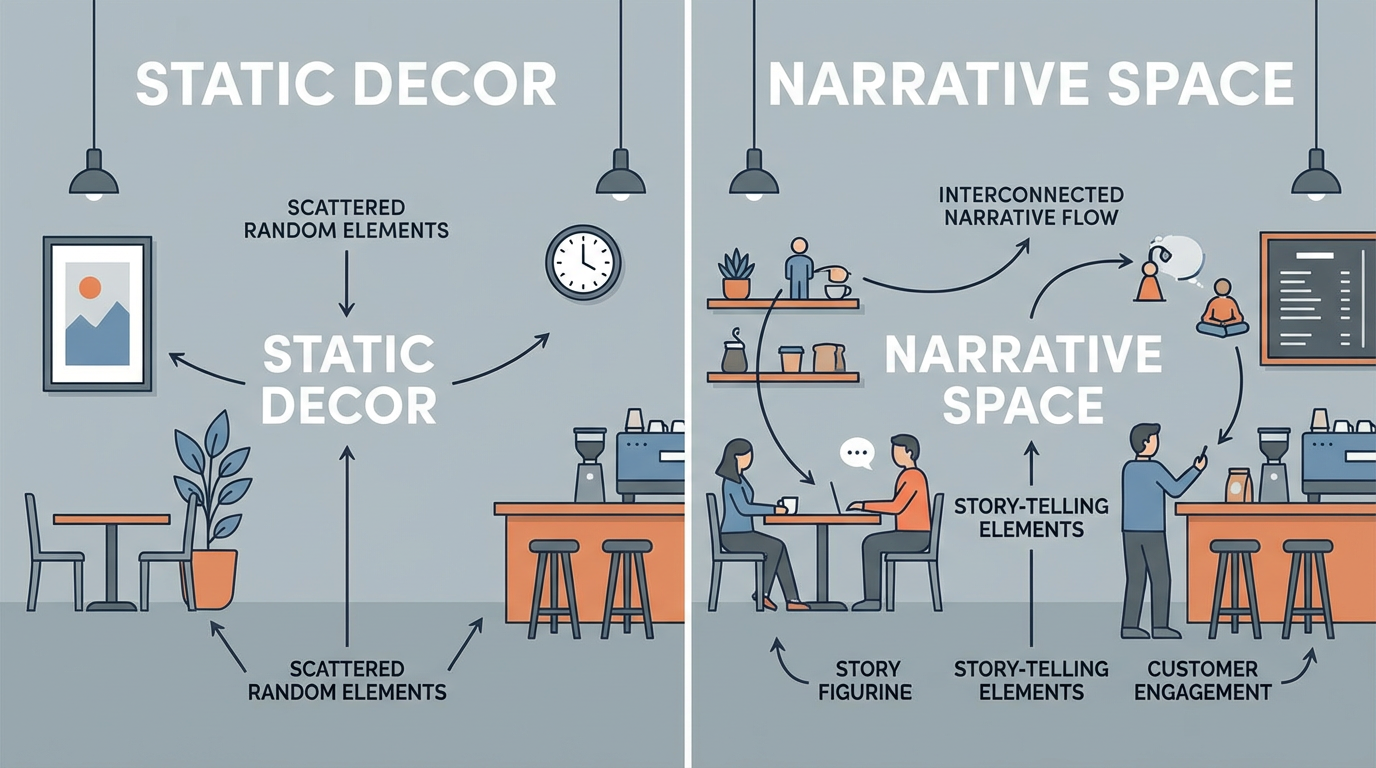
Figurines are your recurring characters. Where they stand, how they interact, and what supports them in the scene all affect whether a guest feels like they are wandering through a living world or just sitting in a room with some random toys.
Choosing Your Core Story
Before you place a single figurine, you need a clear story. Café design experts emphasize that a theme is essentially your brand made visible: it should align with your menu, target guests, and values. Articles on café themes and concepts describe everything from indoor garden cafés to industrial warehouses, boho chic lounges, and pop-culture cafés inspired by fashion brands or TV shows. Each of these has a built-in narrative; your figurines either reinforce that or fight against it.
If you are leaning into pop culture or anime, your story might be a specific franchise, a genre like magical girls or mecha, or a broader mood such as cozy slice-of-life. A Disney-inspired miniature sci-fi café created at home, described in a fandom craft post, used cardboard, paint, toy cars, and a phone screen to recreate the feeling of a Disney drive-in restaurant. It is a tiny but perfect example of narrative thinking: every material choice supported the idea of watching old monster movies from your car under the stars.
Even if your café is not explicitly “anime themed,” figurines still fit. Articles about acrylic pet figurines show how small, glossy pet characters soften everything from minimalist to rustic cafés, adding warmth without overwhelming the design. Vintage café creamers, described by a vintage decor writer, work like mini-figurines too, bringing nostalgic mid-century café vibes when tucked into shelves and hutches.
The key is to pick one or two strong narrative threads and stick to them. A matcha-themed home café described on a lifestyle platform built everything around matcha drinks and desserts. The same logic applies in a commercial space: once you know your story, every figurine either advances it or distracts from it.
Figurines As Story Anchors: Types And Tradeoffs
Not all figurines tell stories the same way, and different materials behave differently in a busy café. Based on the sources, three broad categories show up repeatedly: acrylic pet figurines, anime or character figures, and vintage mini-objects such as café creamers.
Here is a quick comparison grounded in the research.
Figurine type | Best for themes | Main pros (from sources) | Main cautions (from sources or practice) |
|---|
Acrylic pet figurines | Pet cafés, family cafés, cozy neighborhood spots, minimalist spaces needing warmth | Glossy and colorful, fit many aesthetics, more shatter-resistant than glass or some ceramics, lightweight, easy to wipe down, low cost, easy to refresh according to DHgate guides | Long sun exposure can fade colors; still need regular cleaning and dusting |
Anime and character figures | Pop-culture cafés, gaming cafés, fandom-heavy cities, art cafés | Strong emotional connection for fans, highly detailed, perfect for storytelling poses; display strategies from HomeBaa and figurine-display experts translate well to cafés | Often more fragile and expensive, can feel cluttered if overused or poorly grouped |
Vintage café creamers and mini antiques | Retro diners, vintage or “grandma’s house” cafés, nostalgic brunch spots | Add authentic mid-century charm and individuality, easy to cluster in vignettes, usually inexpensive according to vintage decor writers | Can look lost on large shelves without grounding objects, still breakable ceramics |
Acrylic pets are the workhorses. Articles aimed at café owners highlight their sturdiness, approachable look, and the way they avoid the “creepy” vibe some ceramic statues produce. Anime figures bring intense fandom energy but demand careful placement and lighting to avoid sun damage and dust, as HomeBaa’s display advice stresses. Vintage creamers behave like tiny characters from a retro café story; they shine when framed by textiles, books, or baskets rather than standing alone.
The trick is to treat each figurine like a cast member.
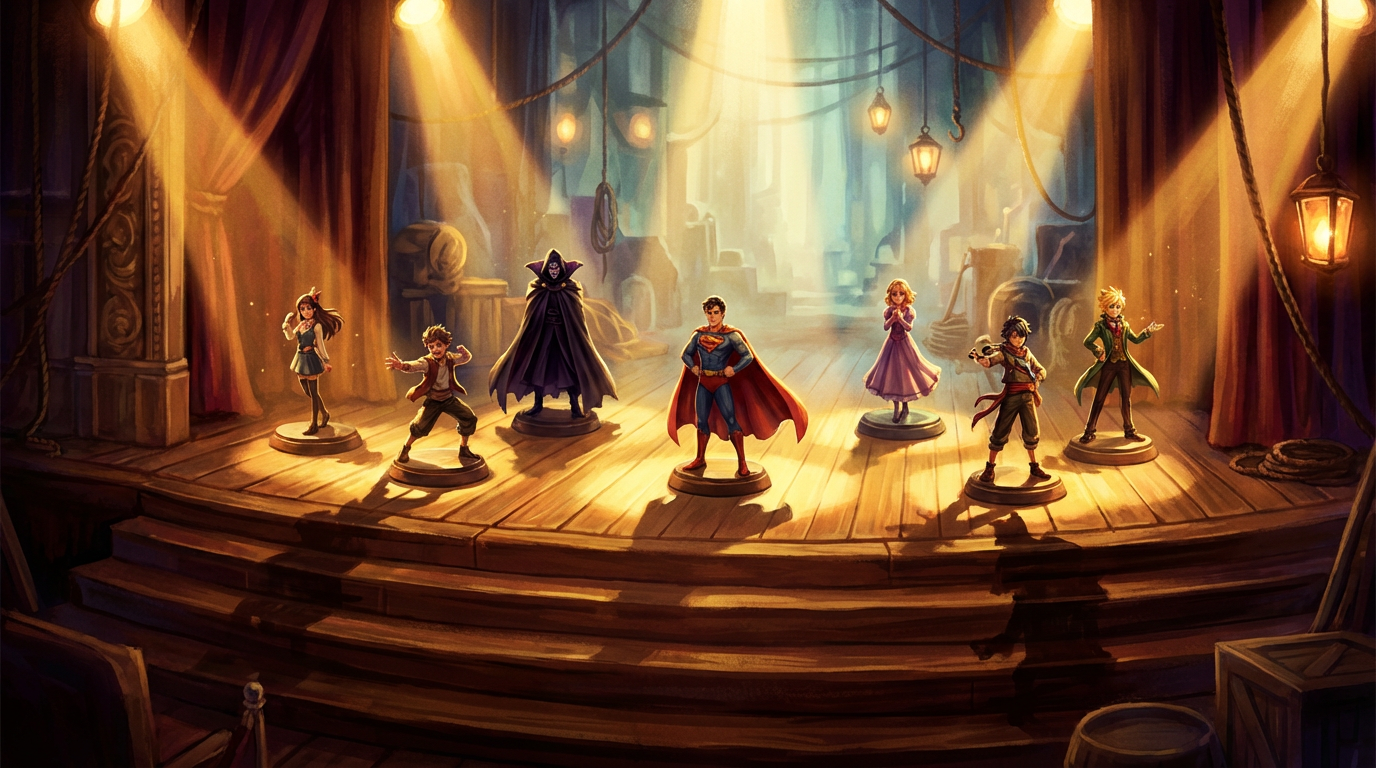
You are not decorating; you are casting a show.
Mapping The Story Onto Your Floor Plan
All the narrative in the world collapses if your layout fights customer behavior. Research on coffee shop merchandising from CoffeeBusiness, UK POS, and Barista Underground repeats a few core truths.
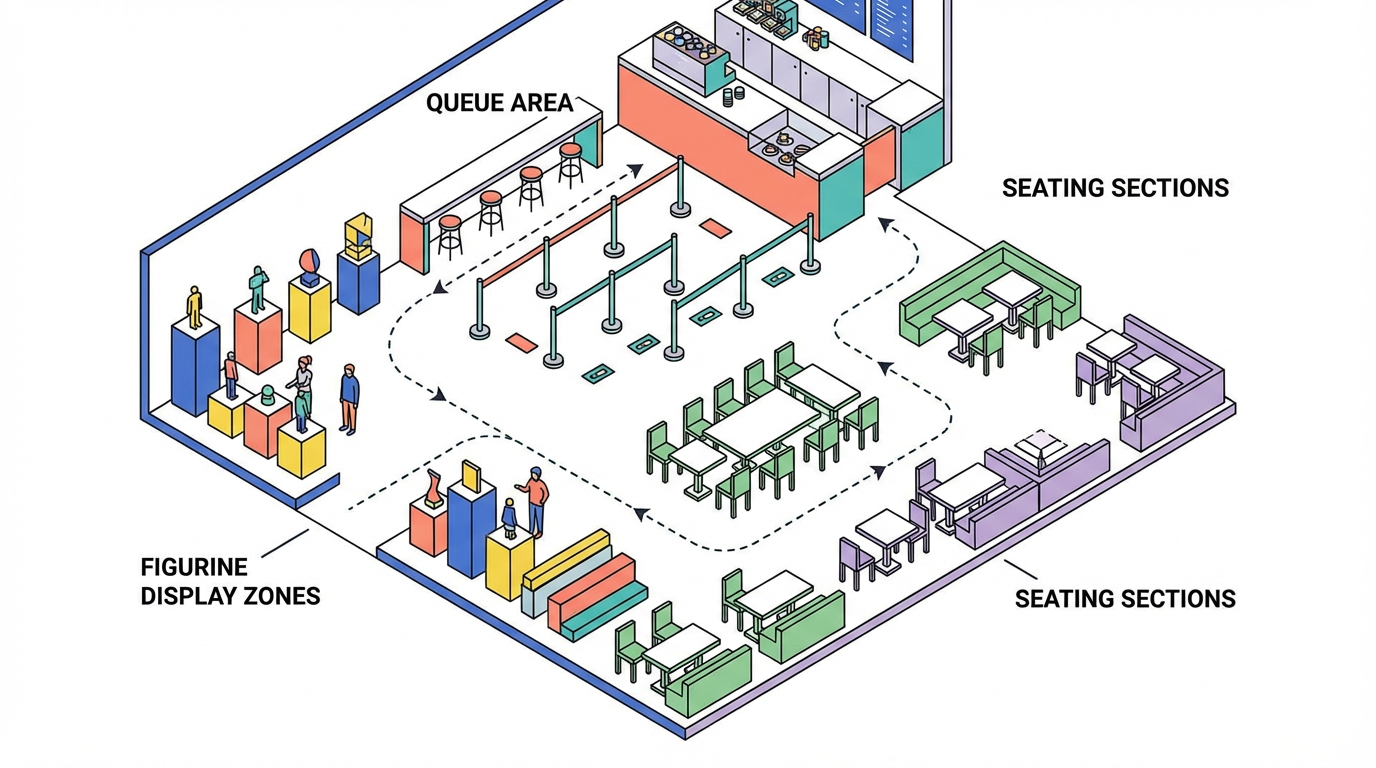
They note that customers follow predictable paths: from entrance, to queue, to counter, then to pickup and seating. Visual merchandising works best when high-margin items and add-ons sit along this path, especially in line-of-sight slots where people wait. Cluttered, disordered displays push people away, while neat, stocked-but-not-overfull arrangements invite browsing.
Design-focused sources like Canopy Fitouts, CrownTV, and ArchitectsCasa extend that to overall layout. They recommend clear flows from door to counter, seating zones for different use cases, and layouts that balance density with comfort so people can linger without feeling cramped.
If you are using figurines as narrative tools, they should plug into that flow.
At the entrance, a small but powerful scene sets the tone. For instance, an urban fantasy café might place three acrylic pet figurines and a couple of anime characters in the window, positioned as if welcoming guests into their “guild hall.” A vintage café with creamers could arrange them near the door on a small shelf, backed by a textured runner and art print, giving an instant hit of nostalgia.
Along the queue, figurines can do double duty as story and sales prompts. CoffeeBusiness warns against placing add-on items out of sight of people waiting in line. Instead, they recommend making sure pastries and hard goods are visible to queued customers. If your café sells pet treats or character-themed drinks, you can cluster related figurines near those products. Acrylic dog or cat figurines beside pet treat jars, or anime baristas standing next to bags of beans and DIY coffee kits, create small “scenes” that echo cross-merchandising advice from UK POS: put complementary items together so customers naturally buy both.
At the counter and pickup area, figurines can mark specific zones. A tiny squad of chibi characters can indicate where to pick up online orders. A calm, serene figure can sit beside a sign explaining your community wall or art exhibition. When laid out carefully, guests read these as story beats without needing to think about it.
Visual Storytelling Lessons From Figure Collectors
Anime figure display guides from HomeBaa and general figurine-display tips from DHgate specialists offer a surprisingly rigorous toolkit for café storytelling. They revolve around cohesion, depth, and narrative relationships.
Collectors know that grouping figures by theme or series prevents visual chaos. The same applies to cafés. A cat café using acrylic pets can dedicate one shelf to sleepy cats, another to playful scenes, and a third to “adoption heroes” if they partner with shelters, echoing how cat cafés are described as educational and adoption-oriented hubs in café culture overviews. An anime café can group heroes facing villains, or rival teams looking toward each other across a display.
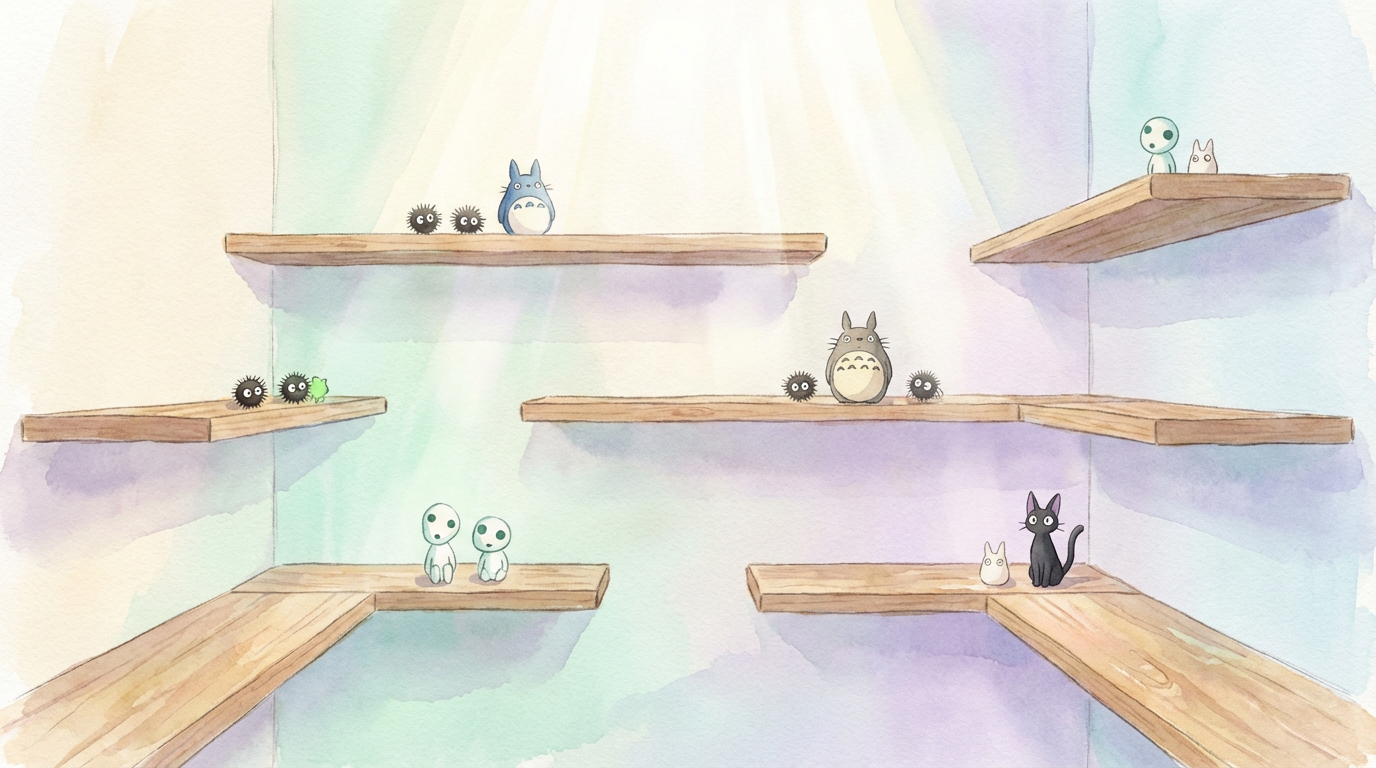
Height variation is another core principle. HomeBaa recommends placing tall figures at the back, medium pieces on risers in the middle, and smaller ones in front. Figurine-display experts add that staggered platforms and mini-scenes, like circular or diagonal groupings, create movement. In a café, you can use clear risers, stacked books, or vintage boxes to create layers on a bar back or window ledge so guests can see every character from a distance.
Color and focal points matter just as much as characters. Display professionals suggest color blocking and focal pieces: arranging figures by dominant color or giving the most detailed or meaningful piece pride of place. A café could run a soft green matcha shelf, echoing the matcha home café example, where figures with green elements cluster around tea accessories. The hero figurine might stand front and center beside your signature drink description.
The overarching goal is breathing room. Figurine-display guides repeatedly warn against overcrowding shelves, and café merchandising experts say the same about product displays. Recommendations from CoffeeBusiness and Barista Underground suggest displays should feel stocked but not jammed, with only a handful of each item visible. That aligns perfectly with fandom display wisdom: leave gaps so each figure reads clearly. In storytelling terms, even a background character needs a bit of space to be seen.
Lighting And Backdrops: Mood For Both Coffee And Characters
Lighting is where café design and figure collecting almost perfectly overlap. Café decor articles from 7shifts and ArchitectsCasa emphasize layered lighting: bright ambient light for safety and work, focused task light at counters, and softer accent lighting for art and cozy corners. CrownTV notes that many modern cafés run cooler, brighter light in the morning and warmer, softer light later in the day to shift the mood.
Figurine-display resources say almost the same thing, with one important warning. LED strip lighting is favored for shelves because it runs cool and can be tucked along edges or behind figures to create a glow. However, direct strong sunlight can fade paint and warp plastic over time, so serious collectors keep figures away from windows or use UV-filtering film.
For a café, that means you should avoid putting your best figures directly in bright window beams. Reserve window spots for more durable acrylic pets, which sources describe as more resilient but still vulnerable to long-term fading outdoors, and place high-value anime figures deeper inside under controlled, warm or neutral-white LEDs.
Backdrops and props finish the scene. HomeBaa suggests printed scenic backdrops, manga volumes, and small props like cotton clouds, miniature furniture, or LED tea lights for campfires. Vintage décor writing recommends runners, linens, baskets, and seasonal items behind creamers to ground them.
In a café, you can scale this up. A narrow wall shelf with a black velvet or graphic wallpaper backdrop can turn a simple pair of figurines into a framed “panel.” A rustic café might set acrylic pet figurines on wood shelves among plants and old milk jars, echoing the rustic café ingredients described by design consultants: wood, brick, baskets, and earthy colors.
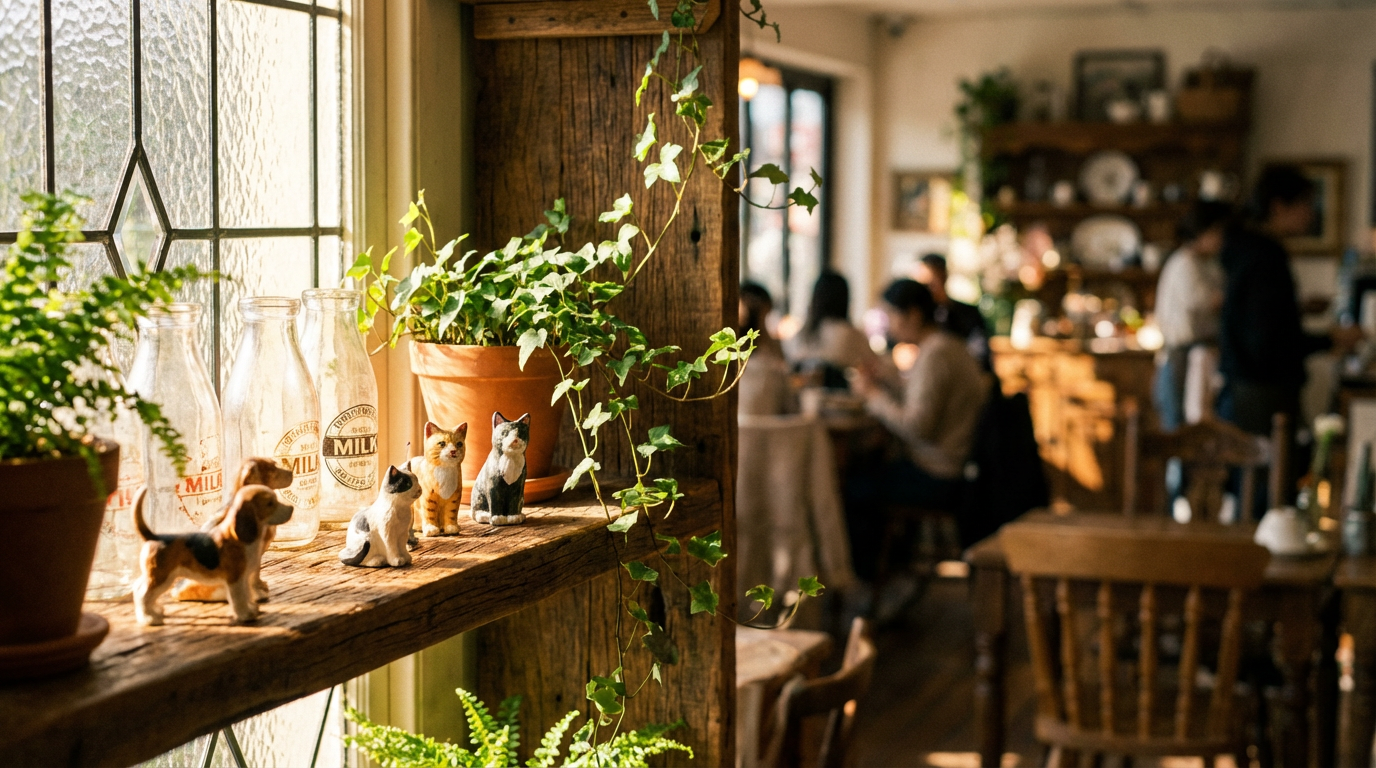
An industrial café can mount mecha or sci-fi figures in front of exposed brick and metal beams, tying into the industrial style described in interior design sources.
Figurines As Merchandising Power-Ups
All this storytelling is wonderful, but cafés also have to pay rent. The good news is that figurines can directly support revenue when paired with smart merchandising.
Multiple sources agree that add-ons and merchandise keep cafés profitable. CoffeeBusiness and Barista Underground both highlight that roughly 80 percent of sales often come from about 20 percent of inventory, especially add-ons like pastries, bags of beans, and brewers. UK POS focuses on small cafés that already have foot traffic but need to increase spend per customer, arguing that smart merchandising and small extras do the heavy lifting.
Figurines can act as both emotional hooks and signposts for those high-margin items. Acrylic pet pieces can sit beside branded pet treats or “doggycinos.” Anime figures can flank shelves of branded mugs, reusable cups, or DIY coffee kits that UK POS suggests as profitable extras. When a beloved character stands beside a specific drink station or product, fans are already half-convinced.
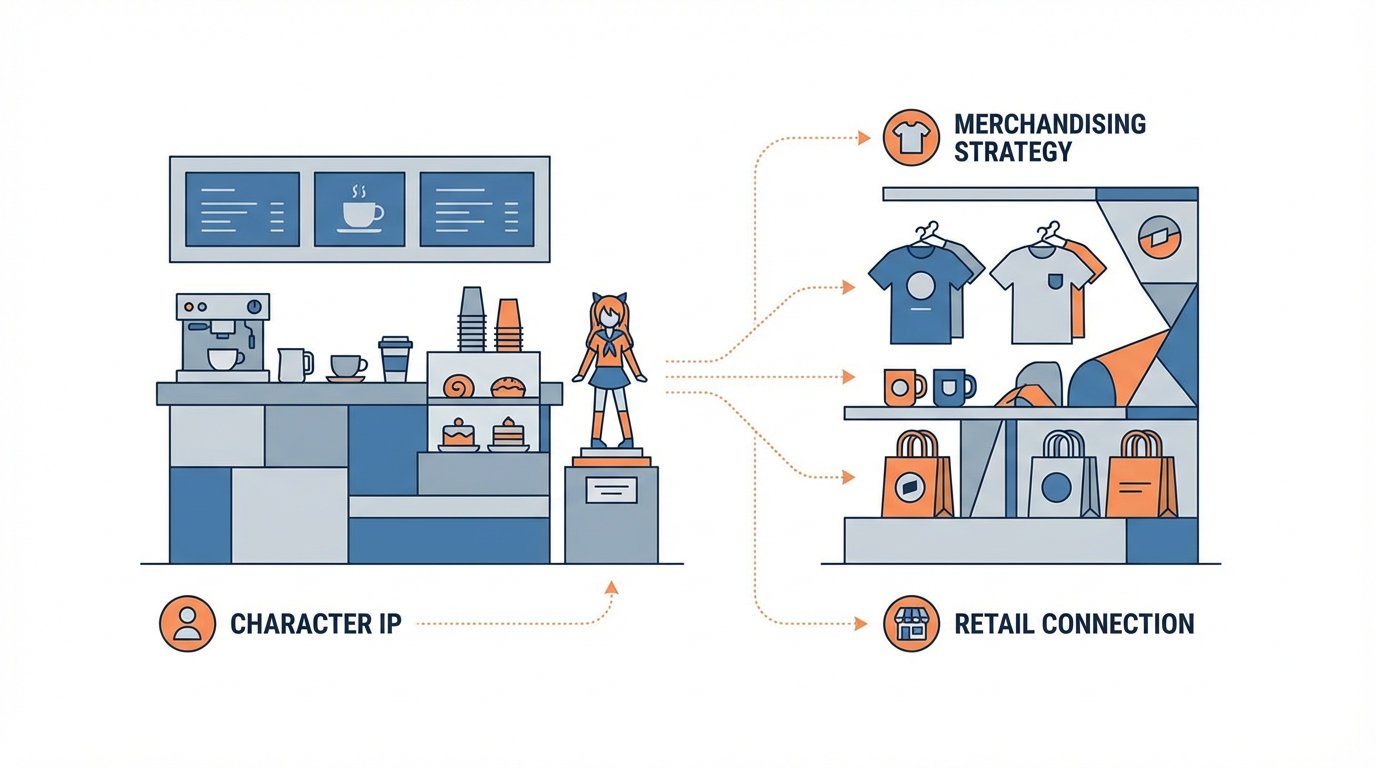
Queue and counter placement is crucial. Merchandising sources warn not to hide add-on items away from the queue. Instead, the advice is to keep them visible and reachable, using countertop displays at eye level and clear signage with simple prompts. Figurines can be integrated into these micro-displays, turning a pile of cookies into a scene where a mascot character “guards” the tray with a playful sign. The sign strategy itself comes straight from café merchandising guides, which recommend concise phrases that nudge impulse buys.
Staff also matter. CoffeeBusiness and Barista Underground describe employees as live merchandisers who should taste products, know ingredients, and make recommendations. When staff share the fandom, that effect doubles. A barista who loves the displayed anime can suggest a themed drink or explain a figurine’s story, transforming a simple upsell into a shared moment between fans.
Community, Art, And Rotating Storylines
Cafés are increasingly described as cultural hubs rather than just beverage stops. Café culture and decor articles document how many shops host art, music, or small events and serve as third places for remote workers and local communities. A Boston café cited in 7shifts has shown work from more than 150 local creatives, turning its walls into a constantly changing gallery.
Figurines fit naturally into this ecosystem. A pop-culture or art café can treat figurine displays as rotating exhibitions, inviting local artists and custom makers to show small sculptures, garage kits, or 3D-printed originals. Reddotblog’s guidance on showing art in non-gallery venues emphasizes that these spaces are fantastic for exposure and relationship-building, even if they are not always primary sales channels. They recommend things like receptions, business cards, and printed artist bios near the work.
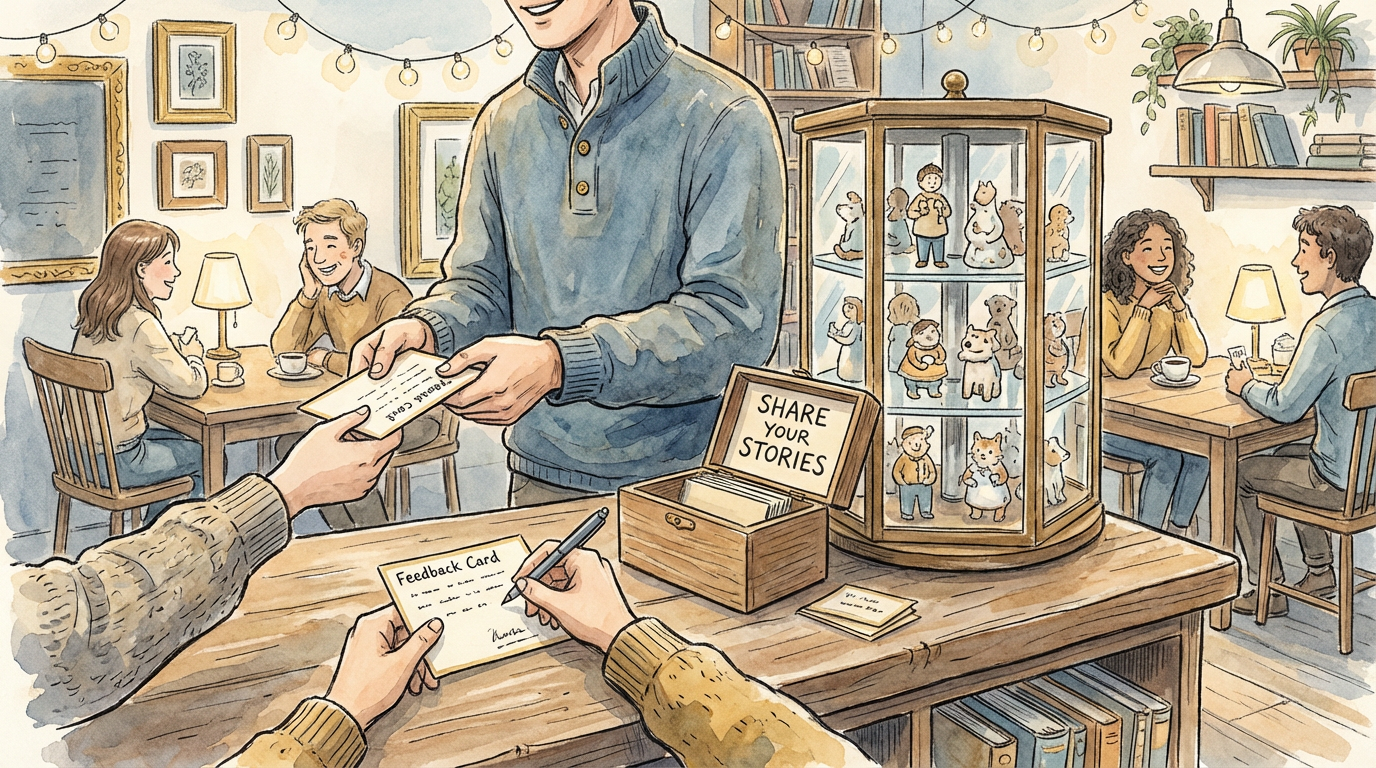
Adapting that to figurines, you could host a “figure artist of the month” shelf with a small acrylic stand holding an artist bio, QR code, or story blurb, following the suggestion for acrylic sign holders and wall text in those art-in-public-venue discussions. A tiny locking comment box, as recommended for collecting feedback and contact details, could gather reactions from guests about which characters or scenes they love, giving you direct input for future narrative updates.
The homemade Disney sci-fi café miniature shows how powerful tiny, themed worlds can be for families and kids, especially when created out of everyday items. A café that offers occasional figurine-diorama workshops or kids’ craft afternoons in a side corner taps into that same energy, turning fans into co-creators of the story.
Operations: Cleaning, Safety, And Refreshing The Story
All the aesthetics in the world will not survive if your figurines are constantly smudged, broken, or in the way of service. Fortunately, the research notes already cover many operational concerns.
Acrylic pet figurines are highlighted as durable and easy to wipe down with non-abrasive products, which is a major advantage in a busy café where staff clean surfaces throughout the day. Acrylic is also lighter and more shatter-resistant than glass or some ceramics, making it safer if someone bumps a shelf. However, articles caution that outdoor or patio use requires care, since direct sunlight can eventually fade colors, so UV-resistant products or indoor-only policies for special pieces are wise.
Anime figures, especially detailed scales, demand a more collector-style maintenance routine. HomeBaa recommends enclosed glass cabinets where possible to reduce dust and keep figures away from direct sunlight and heat sources such as vents. For open shelves, light dusting with a soft brush every few weeks keeps displays fresh. Figurine-display experts also suggest glass-front cases and multi-purpose furniture to control dust and use space efficiently, which blends nicely with café design advice about storage and clutter management.
Rotation keeps things from feeling stale. Both figure-display and café decor sources recommend changing arrangements every few months or seasonally. That rotation has practical benefits too, allowing you to move pieces away from any spot that is getting too much light or foot traffic and to update scenes around holidays or fandom events.
From a safety and business standpoint, art-in-venue guides suggest having at least a simple written agreement if works are on loan from artists, clarifying what happens in case of damage or theft. If you are mixing personal collection pieces, consigned figurines, and retail stock, it is worth borrowing that idea and clearly labeling what is for sale, what is display-only, and who owns what behind the scenes.
Example Narrative Zones You Can Build
To bring all of this together, imagine your café as a manga volume and each zone as a chapter.
You might create a “Prologue” at the entrance: a compact shelf or window ledge with two or three figurines that embody your theme, framed by plants or textiles that match your concept. A nature-themed café could place acrylic forest animals among trailing plants near the door, echoing indoor garden cafés that use layered greenery and warm light to create a nature escape.
In the “Rising Action” of the queue and counter, scenes support merchandising goals. A small display by the register might feature a favorite character pointing toward branded mugs, DIY coffee kits, or locally made goods, reflecting UK POS recommendations on what to sell beyond drinks. Clear signage with short, friendly messages ties into the merchandising guidance from UK POS and Barista Underground, while figurines make those signs feel less like ads and more like in-world dialogue.
The seating area becomes the “Slice-of-Life Arc.” Here you can use more relaxed, narrative-driven vignettes: a vintage creamer cluster in a reading nook, anime figures grouped by series in a gaming corner, or acrylic pet families stationed in kids’ areas. Café design sources emphasize varied, comfortable seating and zones for different activities, so you can give each zone its own mini cast and mood.
Finally, you can treat your community art or figurine-artist shelf as the “Ongoing Side Story.” Rotate artists or themes regularly, gather feedback in a small comment box, and occasionally host low-key receptions or themed days. This approach echoes the advice from Reddotblog on treating non-gallery venues as strategic exposure and relationship tools rather than just hoping for big sales.
FAQ: Figurines And Themed Cafés
How many figurines is “too many” for a café?
Both café merchandising and figurine-display experts warn about overcrowding. CoffeeBusiness and Barista Underground recommend displays that feel stocked but not jammed, while figure guides stress giving each piece breathing room. If guests start describing your café as “a toy store” rather than “immersive,” or if cleaning and dusting become unmanageable, you have too many in view. Keep the majority in a few focused zones and rotate them instead of covering every surface.
Do figurines make a café feel childish?
They can, but they do not have to. It depends on style and context. Acrylic pet figurines with clean silhouettes and limited color palettes can fit minimalist urban cafés without feeling kiddie, especially when paired with plants and metal or wood finishes. Vintage creamers in carefully built vignettes read as nostalgic and sophisticated. Anime figures can feel very adult when arranged like art, grouped by series, lit well, and integrated with strong interior design rather than scattered randomly.
Do I need expensive collector pieces to make this work?
Not at all. Guides for café styling with acrylic pets emphasize that even low-cost pieces can look premium with good lighting, clear risers, and smart placement. Vintage creamers are often found for just a few dollars, according to vintage decor writers, yet they carry huge character. High-end anime scales are wonderful focal points if your clientele will appreciate them, but you can build strong narratives with prize figures, smaller characters, or even fan-made pieces, as long as the overall display is intentional and maintained.
Closing Thoughts
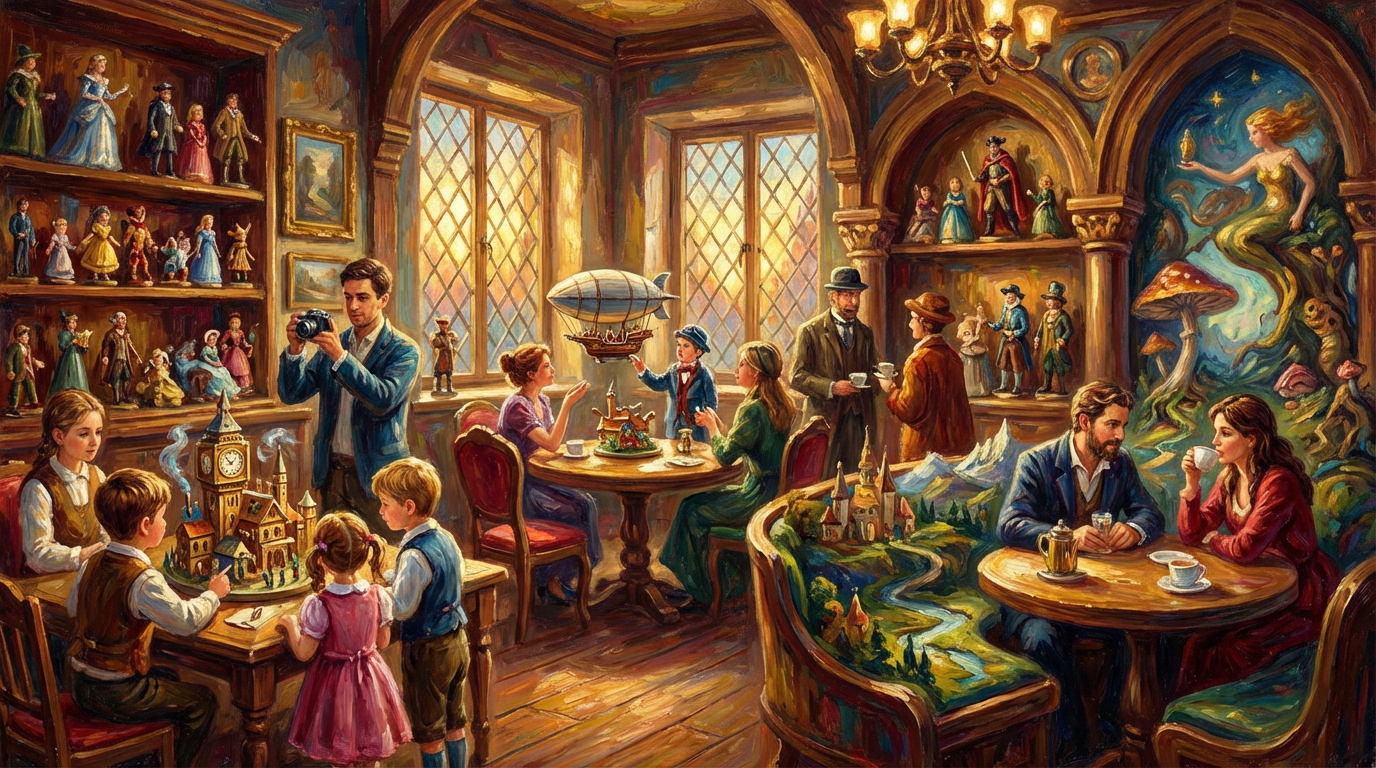
When you combine what café designers know about layouts and lighting, what merchandising experts know about add-on sales, and what figure collectors know about storytelling displays, you get something special: a café that feels like stepping into a favorite series, where every corner offers a tiny scene and every figurine quietly nudges the story forward. If you treat your space like a living diorama and your figurines like a beloved cast, fans will not just remember your drinks; they will remember the world you invited them into.
References
- https://rex.libraries.wsu.edu/view/pdfCoverPage?instCode=01ALLIANCE_WSU&filePid=13364772220001842&download=true
- https://etd.auburn.edu/bitstream/handle/10415/7762/Guidelines%20for%20Designing%20E-sports%20Themed%20Cybercaf%C3%A9_Boyang%20Huang.pdf?sequence=2&isAllowed=y
- https://www.sipthestyle.com/unlocking-the-secrets-to-unique-cafe-interiors-and-themes-that-captivate-every-style
- https://coffeebusiness.com/visual-merchandising-in-coffee-shops/
- https://impeccabuild.com.au/cafe-theme-ideas/
- https://smart.dhgate.com/creative-ways-to-style-your-cafe-using-acrylic-pet-figurines-for-a-unique-ambiance/
- https://www.lemon8-app.com/@savageglittercreations/7439049193258828344?region=us
- https://reddotblog.com/showing-your-art-in-cafes-restaurants-banks-and-other-venues-2/
- https://theantiquedjourney.com/vintage-cafe-creamer-decor-ideas/
- https://thearchitectsdiary.com/10-types-of-cafe-savoring-art-in-every-bite/