Independent Designers vs Fashion Giants: How Small Brands Still Win The Boss Battle
Imagine the fashion industry as a massive anime crossover event. On one side of the arena, you have the four mega-boss luxury conglomerates controlling almost all of the growth at the top end of the market, as McKinsey & Company has pointed out. On the other, scattered across the map, are dozens of independent designers: tiny studios, often just a founder and a couple of collaborators, trying to stay alive while the screen flashes “Hard Mode.”
Yet just like in anime figure collecting, where small-run garage kits and doujin circles build cult followings alongside mainstream PVC releases, independent designers are not just surviving in this meta—they are quietly rewriting it. The question is not “Can indies compete with giants?” but “How do they thrive on their own terms?”
Drawing on research from Business of Fashion, McKinsey & Company, Vogue, JOOR, XNomad, and others, let’s break down what actually works for independents in a world ruled by giants, and how to play to the strengths only small studios have.
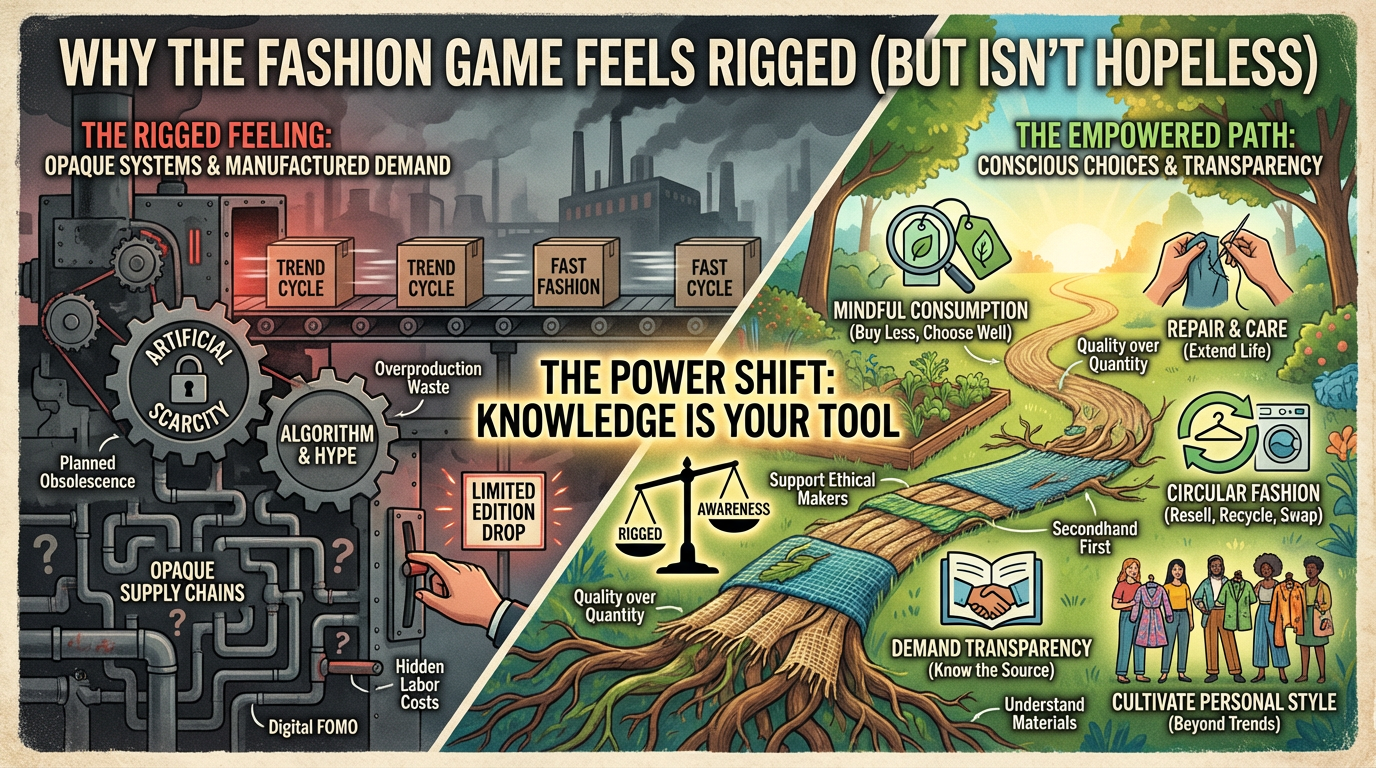
Why The Fashion Game Feels Rigged (But Isn’t Hopeless)
Independent designers are not imagining the difficulty. The industry is structurally intense. One report on independent brands notes that fashion contributes over 3% of global GDP and is worth about $3 trillion worldwide, with fashion in the United States alone accounting for around 12% of national GDP. That is a world where new labels are trying to enter a market already jammed with players.
At the same time, consolidation has radically changed the landscape. McKinsey & Company highlights that roughly 98% of the economic growth in the luxury segment of public fashion companies is now controlled by just four European groups. When you feel like the end bosses are heavily over-leveled, that is the exact data-backed reality.
The pressure is not just abstract. A Business of Fashion VOICES panel on independent brands describes how slowing luxury sales, inflation, geopolitical instability, and the closure of multi-brand retailers are squeezing small labels. As multi-brand stores shut their doors, independents lose both cash flow and their main discovery channels. McKinsey’s work on New York’s fashion ecosystem shows what that looks like in a single city: more than 50,000 fashion jobs gone over a decade, a 19.6% drop in fashion output from 2019 to 2020, and a sharp decline in local manufacturing jobs.
On top of that, Vogue’s survey of independent designers shows just how punishing traditional visibility routes can be. The majority of respondents do not participate in fashion weeks; costs are simply too high. Many designers have spent thousands of pounds just applying for incubators and prizes, before even factoring in the price of a single show. Among those who do present collections, some report show costs in the tens of thousands per season, even when schemes cover a large chunk of venue expenses.
Research on independent designer brands adds more obstacles: limited financial resources, production and manufacturing constraints, saturated markets, and the painful challenge of building visibility in crowded digital channels. Scaling without losing authenticity is described as a persistent risk; grow too fast and the brand’s special aura can evaporate.
So yes, the challenge is real. But in that same Business of Fashion conversation, designer Roksanda Ilincic argues that independents hold a specific, powerful advantage: agility. Small structures can pivot faster, experiment more freely, and make decisions without corporate lag. The rest of this article is about turning that agility into a strategy, not just a vibe.
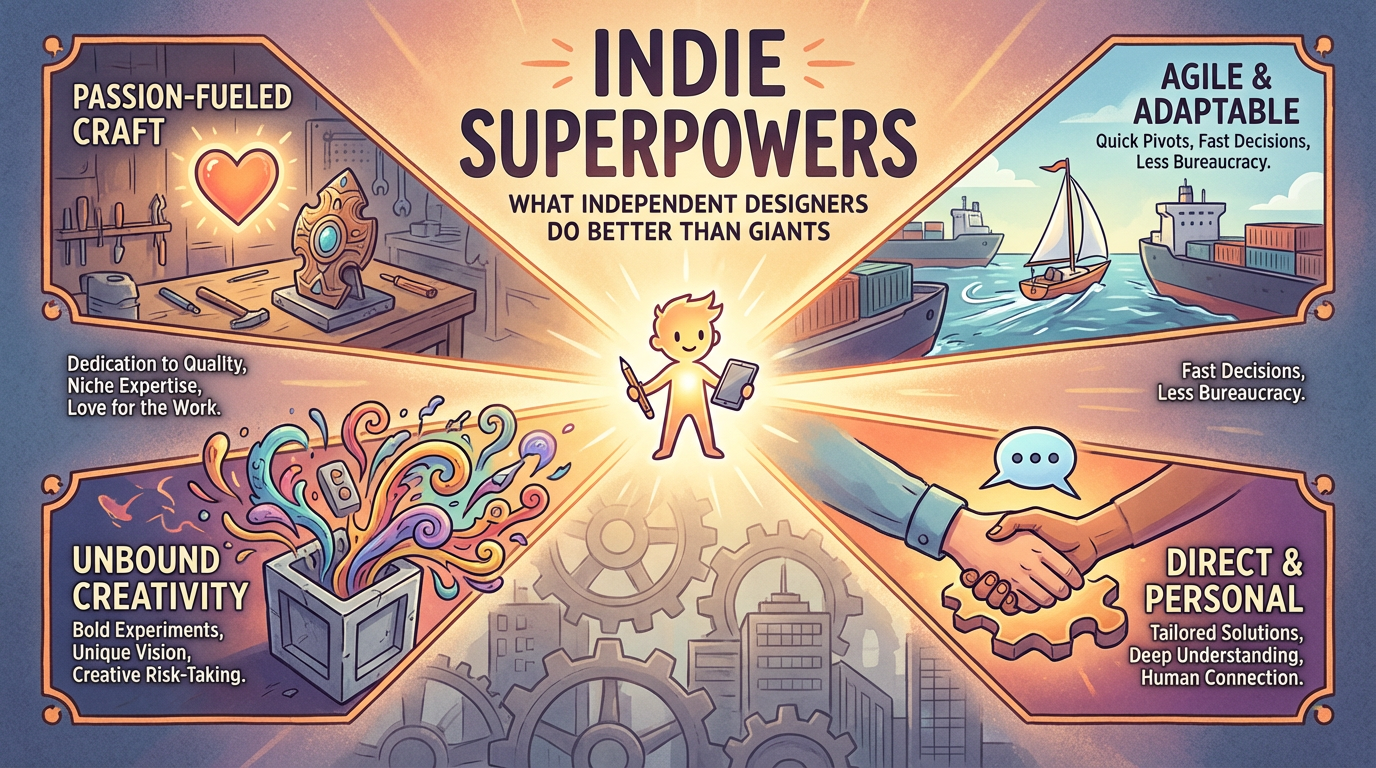
Indie Superpowers: What Independent Designers Do Better Than Giants
Independent designer brands are described in multiple sources as key drivers of innovation and trend-setting. They are often the ones testing new silhouettes, sustainability practices, and inclusive approaches before the big houses cautiously follow. In other words, they are the experimental OVA episodes that later become canon.
A few strengths show up again and again in the research.
Indie brands can cultivate a distinct aesthetic and story. One strategy guide for independent brands stresses that a recognizable brand identity and clear unique selling point are non-negotiable. When you are not competing on scale, you compete on personality. That means an instantly recognizable visual world and a narrative that pulls a specific audience toward you rather than trying to win everyone.
They can lean into craftsmanship and small-batch production. The Business of Fashion panel encourages independents to emphasize the value of low-quantity, specific pieces, and to actively educate customers about why a small run is a feature, not a bug. That dovetails with other research advising indie designers to position themselves as independent luxury: limited runs, premium materials, and curated edits rather than endless catalogs.
They are structurally better placed to adopt sustainability and ethics as more than a tagline. Several sources underline sustainability and inclusivity as major value drivers for today’s fashion consumers. Independent labels are already using bio-based or recycled textiles, circular models, expanded size ranges, and gender-neutral designs to align with younger audiences. One analysis of market shifts calls sustainability “non-negotiable,” arguing that independent and artisanal designers are uniquely suited to meet expectations around ethical production and longevity.
They can target overlooked demographics and niches. Commentary on 2025 consumer behavior calls out the “Silver Generation” over 50 as both growing and under-served. While big brands chase the same youth segments, independents are free to design for, say, stylish 55-year-old professionals or niche subcultures the giants do not understand. That mirrors the way some figure makers build entire lines around a single underrated character archetype and sell out every pre-order.
Finally, independents can run lean. One advisor on the state of fashion notes that tight inventory management can dramatically improve margins, with the potential to double profits for some designers. Giants move containers; indies can move smartly edited drops.
You can think of it this way: giants tend to play broad cost leadership or broad differentiation, as one strategy framework on fashion competition explains. Independent labels are almost always better off choosing focused differentiation: a unique, high-value offer for a clearly defined tribe.
Here is how that contrast looks in practice.
Giants’ Main Moves | Independent Designers’ Main Moves |
|---|
Scale, global distribution, and big-budget marketing | Niche focus, deep community, and authentic storytelling |
Broad product ranges across categories | Curated assortments that feel like a personal edit |
Heavy reliance on established wholesale structures | Hybrid paths: DTC, selective wholesale, short-term retail activations |
Slower, risk-averse experimentation | Fast iteration and intimate feedback loops |
The point is not to imitate giants, but to build an entirely different playstyle.
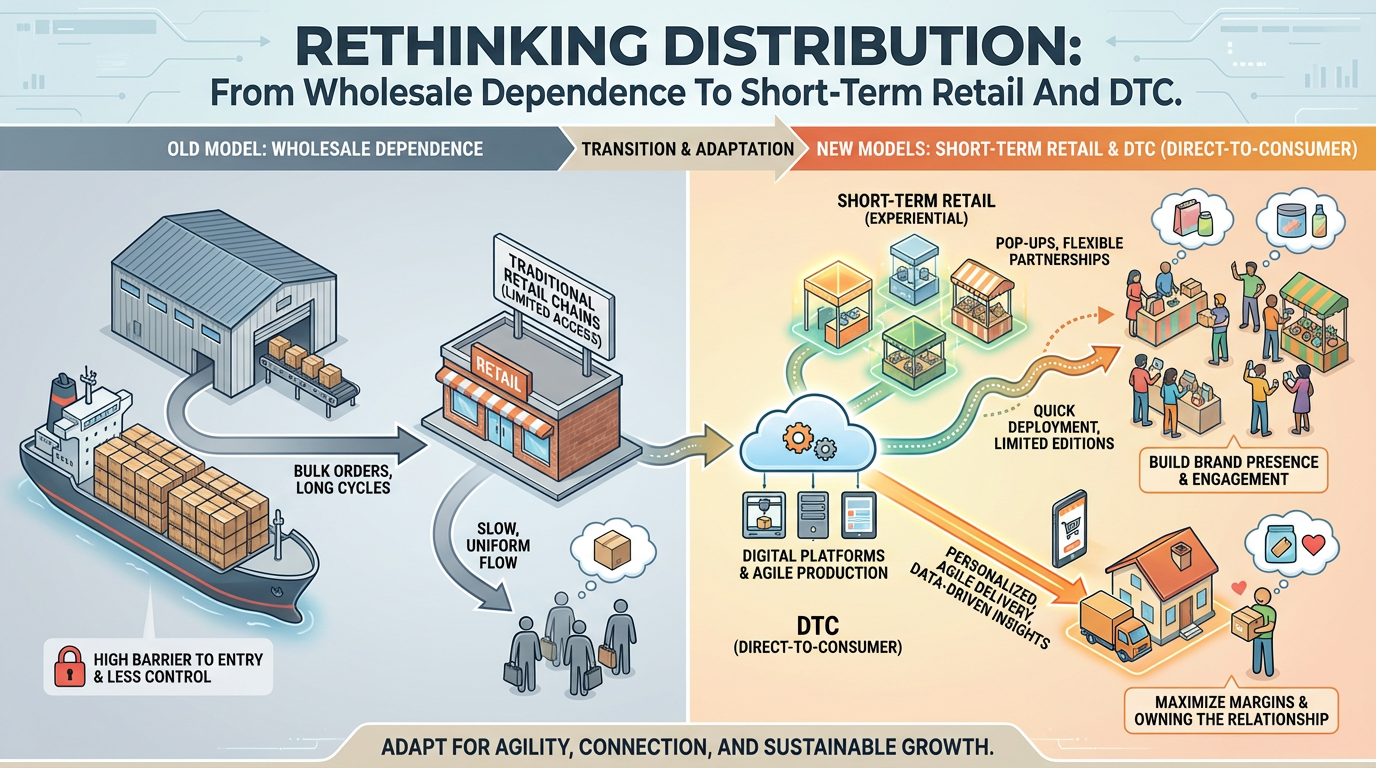
Rethinking Distribution: From Wholesale Dependence To Short-Term Retail And DTC
For years, independent designers were conditioned to believe that success meant getting picked up by big multi-brand stores, then scaling through wholesale orders. That model is under severe stress. As multiple reports point out, store closures have erased many of the very retailers that once nurtured new labels, from iconic department stores to edgy multi-brand boutiques.
In response, emerging designers are shifting toward what one retail platform calls short-term retail activations and direct-to-consumer (DTC) models. Short-term activations include pop-ups and temporary showrooms, usually running from a few days to a few months in high-traffic or prestigious locations. They let designers launch capsule collections, test new categories, and collect real-time data on what customers actually pick up, before committing to full production runs or long leases.
The advantages are real. Short-term activations reduce fixed overhead, avoid long-term rental commitments, and can create urgency that helps conversion. Seasonal pop-ups and one-off capsule events can be framed as “limited drops,” pulling from the same psychology that makes convention-exclusive figures so irresistible. The downside is that they require ongoing planning and marketing; you trade fixed costs for operational intensity.
DTC channels are the other major shift. According to research cited by XNomad, around 65% of small brand owners already use some form of DTC, often combined with selective wholesale. Going direct allows independents to control pricing, storytelling, and customer relationships, while capturing higher margins and faster feedback. When your website and social channels become your primary storefront, you are not waiting for a buyer’s approval to connect with your audience.
The trade-off is responsibility. With DTC, you own the entire funnel: traffic, conversion, logistics, customer service, and returns. That is where digital tools start to matter.
So-called Fashion 4.0 technologies—virtual try-ons, body scanning tools, and AI-driven trend analytics—are already helping emerging brands personalize fit and reduce return rates by as much as 40%, according to one retail tech source. The same tools inform fabric, cut, and color choices and support more precise inventory. For a small label, shaving a few percentage points off returns or dead stock can be the difference between red and black ink.
Wholesale is not dead; it is evolving. JOOR’s analysis of wholesale marketing shows that buyers now expect clear data, sustainability credentials, and a strong story. Newer wholesale models look more like partnerships: partial upfront payments, flexible fulfillment schedules, curated exclusives, and digital showrooms that make buying more efficient.
McKinsey & Company goes even further, proposing concepts like central designer campuses and subsidized pop-up storefronts that rotate emerging brands through prime locations, similar to London’s 12 Piccadilly Arcade. These ideas are designed to replace the role that closed multi-brand stores once played, and they point to a future where wholesale, physical retail, and DTC are blended rather than mutually exclusive.
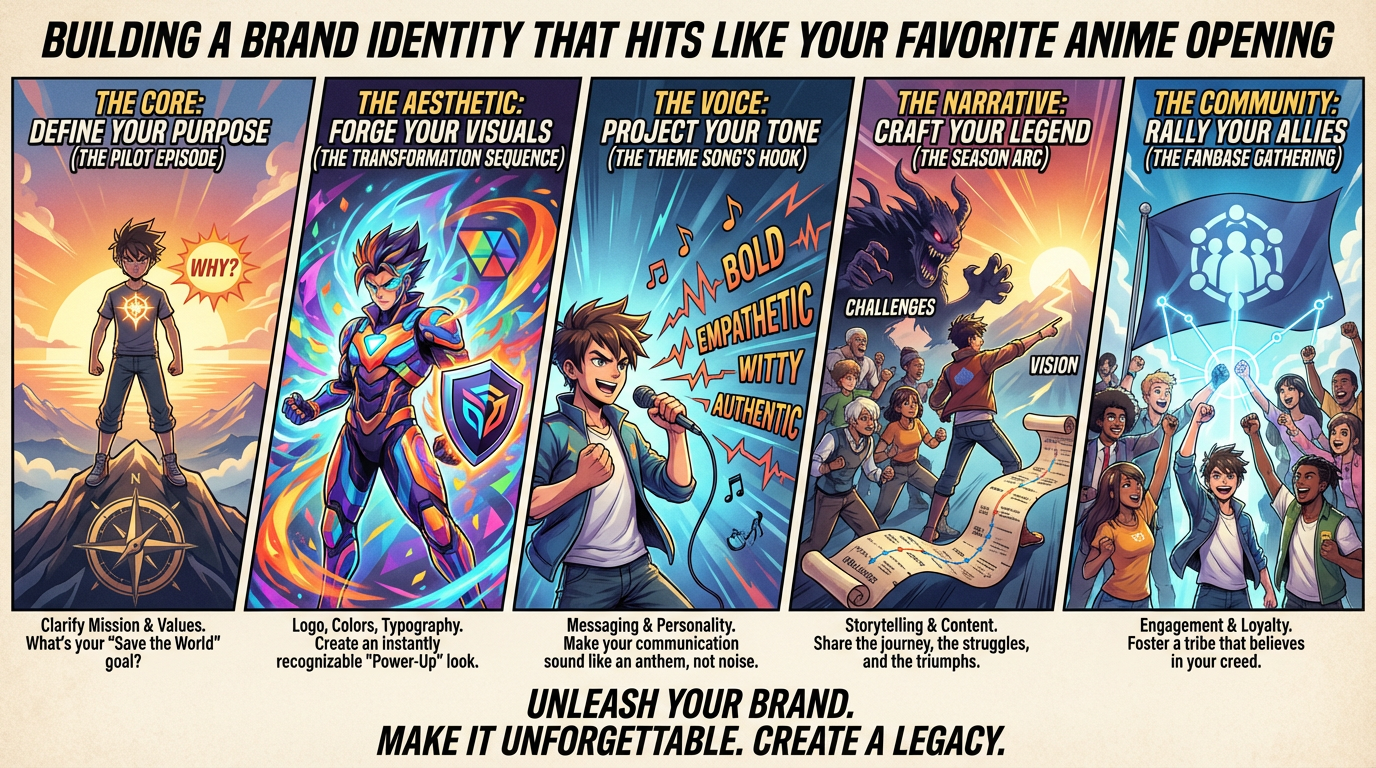
Building A Brand Identity That Hits Like Your Favorite Anime Opening
In an attention economy where nearly 100,000 new music tracks drop every day, branding experts for independent artists warn that a logo alone will not carry you. The same is true for fashion. Brand identity is not just a symbol; it is the entire fan-facing universe: visuals, tone, values, and how you show up online and in person.
Multiple branding guides—from Adobe’s brand identity design overview to Crowdspring’s definitive guide and Studio Noel’s work on visual identity—agree on a core definition. Brand identity is the visual and emotional representation of your brand, made of elements such as your logo, typography, color palette, imagery, voice, and messaging. Brand image, by contrast, is how people actually perceive you; branding is the ongoing process of shaping that perception.
For independent designers, this is a huge opportunity. You may not be able to match a giant’s advertising spend, but you can absolutely build an identity that feels like a distinctive anime opening sequence: recognizable in seconds, emotionally charged, and consistent episode after episode.
Branding research offers a practical blueprint. It usually starts with understanding your own core: mission, values, target audience, and history. One fashion strategy source for independents urges designers to articulate why they design, what their aesthetic stands for, and what specific value they bring to their chosen audience. That is your unique selling point.
From there, you craft your visual system. Effective logos are described as simple, distinctive, and relevant, often using basic forms and one or two colors. One study on logos notes that consistent use across touchpoints can boost brand recognition by up to 80%. Typography choices carry meaning, too: sans-serif fonts feel more modern and approachable; serif fonts suggest tradition and reliability; script fonts convey elegance and creativity but need careful use.
Color psychology matters. Branding researchers highlight associations such as blue with trust and stability, red with energy and urgency, green with growth and nature, black with luxury and power, and orange with creativity and friendliness. There is no universal “right” palette, but there is a right palette for your brand story.
Photography, illustration, and graphics round out the visual identity. Studio Noel’s work on visual identity emphasizes that imagery should reflect both your brand personality and your target audience. Customers want to see themselves in the brands they support. That might be street-cast models, age-diverse casting, or visuals that show real-life contexts rather than just studio setups.
The crucial piece—and where many indie labels quietly win—is consistency. Crowdspring and other identity experts strongly recommend documenting guidelines that cover logo usage, color codes, typography, imagery style, and tone of voice. That might sound dry next to sketching a new collection, but it is the foundation that makes your brand instantly recognizable in a feed moving at scroll speed.
If you want a mental model, think about how instantly you can spot certain collectible figure brands from their packaging alone. The shape, the colors, the typography, the photo style: all of it forms a signature. Independent fashion brands can and should aim for that same instant recognition.
Marketing Like A Fandom, Not A Billboard
Once your identity is clear, marketing is where you turn that into momentum. Fashion marketing, as Vogue’s education arm explains, is not just about showing the right product at the right time; it is about crafting an experience that makes a brand aspirational and emotionally resonant.
Several marketing playbooks converge on a similar toolkit for fashion brands: influencer marketing, content marketing, email, experiential events, and increasingly, video and shoppable formats. Firework’s work on fashion marketing and other digital strategy sources emphasize that there is no single best strategy; the winning combo depends on your audience, budget, and goals.
Social media remains central. A social media strategy analysis for fashion brands notes that platforms like Instagram and Facebook are still leading places for discovering and buying apparel, with tens of millions of users in individual markets such as the United Kingdom. Facebook’s own research suggests that around four in ten of its users find fashion inspiration there, and that Instagram is the number one place many consumers discover new fashion products.
The nuance, especially for independents, is in how you show up. Research on Instagram advertising finds that mobile-created Story ads often outperform heavily produced assets, and that including a clear call-to-action improves performance the vast majority of the time. In other words, authenticity plus clarity beats glossy but vague. That is good news for small studios without agency budgets.
Other platforms have niche but powerful roles. YouTube offers relatively low average costs per view and healthy view rates for fashion content. Snapchat’s Discover commercials can increase ad awareness dramatically, even though fewer people use the app primarily for product discovery. Pinterest, with its visual boards and native shopping pins, is particularly interesting for independents; data cited by Pinterest indicates that the majority of users discover new products there, most say it helps them decide what to buy, and a large share report purchasing after seeing brand pins. That is a high-intent environment for shoppable lookbooks and styling content.
Marketing guides aimed at clothing brands and retailers add more layers: a mobile-friendly, SEO-conscious website; structured email programs with segmented lists and clear offers; and retargeting systems that follow up with visitors and cart abandoners. Email, in particular, is often quoted as one of the highest-converting channels when brands send simple, visually clean messages with urgency and strong calls to action.
For independent designers, the deeper opportunity is to treat marketing less like a broadcast and more like fandom-building. Branding resources for independent artists stress that everything fan-facing—from how you talk online to how you appear in person—is part of your brand. They recommend defining a clear brand voice, curating social feeds so your business identity is obvious at a glance, and using behind-the-scenes content, process videos, and customer features to make people feel like part of the journey.
That dovetails perfectly with what wholesale-focused research recommends. JOOR’s analysis advises brands to go beyond product specs and build a lifestyle narrative: origin stories, mission-driven elements, and social proof from existing stockists and influencers. For independents, the same storytelling that pulls in fans can also convince buyers and partners that your label will resonate in their world.
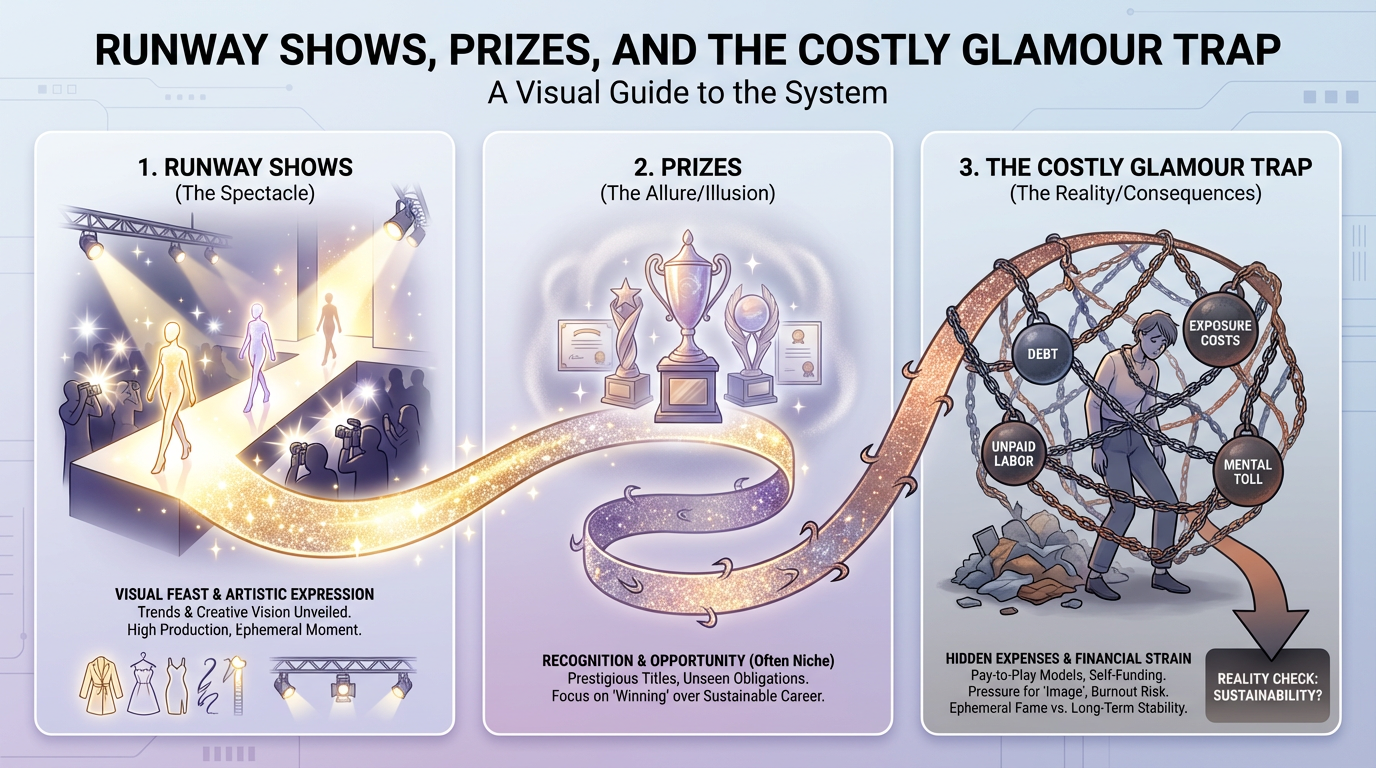
Runway Shows, Prizes, And The Costly Glamour Trap
Fashion weeks still matter. Organizations that run major fashion calendars describe them as moments of “exceptional visibility,” where press, buyers, and talent are concentrated in one place. Designers like Chet Lo and brands like Luar speak candidly about how being on an official calendar legitimizes a label and serves as a powerful marketing engine.
But for independent brands, the numbers are brutal. Vogue’s survey of independent designers reveals that the majority of applicants for incubators and prizes spent up to several thousand pounds just trying to participate, with a significant portion spending even more. Among designers who actually stage runway shows, reported costs range from under £10,000 to well into six figures per show, even when grants or schemes cover a substantial share of venue expenses. Chet Lo notes that even with a program covering most direct show costs, his shows still land in the £20,000 to £25,000 range once models, styling, hair, makeup, and production are included.
No wonder 61% of surveyed brand owners do not participate in fashion weeks at all. Even among those who do, only just over half consider shows a worthwhile investment; the rest either do not or are unsure. Luar’s team describes their shows as both the brand’s biggest risk and its primary marketing engine, underscoring the high-stakes nature of the decision.
So how do independents thrive without getting trapped in this glamour grind?
First, by treating fashion weeks as one tactic, not the holy grail. Independent-focused marketing advice suggests leaning into smaller, more intimate events such as trunk shows, mini-runway presentations, and styling sessions, where buyers, stylists, and dedicated fashion fans can experience garments up close. These formats are less expensive, more relational, and often more aligned with the scale of an indie operation.
Second, by using digital platforms creatively. Virtual showrooms, shoppable lookbooks, and live-streamed presentations offer ways to launch collections without renting a physical venue. JOOR and similar platforms highlight virtual showrooms that allow 360-degree views, zoom, and motion, plus data on how buyers interact with each style. That is the kind of analytics a small brand can use to refine assortments without flying samples across continents for every appointment.
Third, by treating collaborations and sponsorships as strategic tools, not afterthoughts. Vogue’s reporting points to examples where independent brands have offset show costs or boosted visibility through collaborations with major companies in other sectors—from credit-card giants to big-box retailers to unexpected consumer brands. Done right, these partnerships share financial risk and open new audience doors, while keeping creative control with the designer.
The core principle is simple: any big spectacle has to serve a clear strategic purpose, whether that is customer acquisition, wholesale expansion, or brand positioning. If a show will not move you meaningfully closer to your goals, a concentrated DTC launch with smart shoppable video might be the better play.
Production, On-Demand Tech, And The New Atelier
Behind every dreamy lookbook is the less glamorous reality of producing garments that fit, last, and arrive on time. This is where independent designers often discover the true difficulty spike. As Texintel’s deep dive into independent fashion brands points out, many designers are trained to design, not to manufacture at scale. Pattern cutting, grading, sampling, and negotiating with factories are entirely different skill sets.
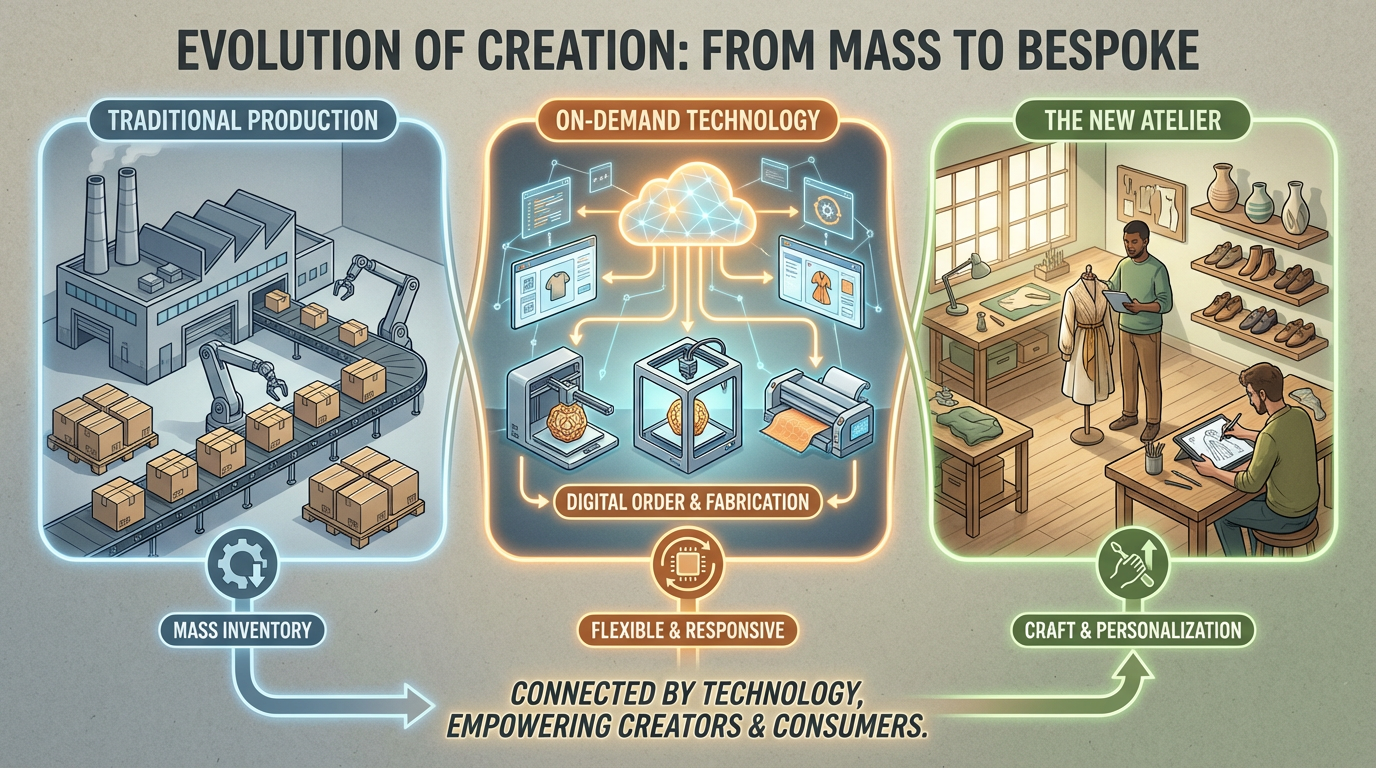
At the same time, technology is quietly opening doors. Digital inkjet print-on-demand systems now allow small-batch, personalized fabric printing: designers can specify patterns, prints, and fabric types without committing to huge minimums. Combined with hybrid B2B and B2C launch models—where runway or presentation audiences pre-order online—this on-demand approach reduces inventory risk and aligns production more tightly with actual demand.
Garment sampling remains a bottleneck. Even with 3D tools and digital twins, Texintel emphasizes that physical samples are still essential to resolve fit issues, test construction, avoid waste, and correctly set manufacturing costs. That is why specialist service providers and academies are becoming important allies. Programs like The Sample Room’s fashion launch initiative, cited as a top resource in the industry, bundle pattern making, sampling, grading, tech packs, and mentoring into a structured path from concept to production-ready collections.
Location strategy is another lever. Nearshore production has historically been dismissed as too expensive compared to low-cost offshore factories. Texintel challenges that assumption, noting that local manufacturing often delivers better overall value when you factor in transparency, ease of factory visits, faster iteration, and the ability to enforce ethical standards. That meshes with wholesale buyers’ increasing demand for verifiable sustainability credentials, from certifications to audit trails.
Smart Hubs are an emerging piece of the puzzle. These are integrated facilities that combine digital textile printing, sewn production, robotics, data, and training under one roof, with examples in both the United States and the United Kingdom. They let independent designers produce personalized SKUs on-demand, with shorter lead times and more sustainable practices.
When you combine these production shifts with the Fashion 4.0 technologies mentioned earlier—virtual try-ons, body scanning, AI trend analytics—you start to see a new kind of atelier: one where a small team can run lean inventory, experiment aggressively, and still offer fit, quality, and responsiveness that feel premium. For independent designers willing to invest in the relationships and skills needed to work with these partners, production stops being a pure weakness and becomes part of the brand’s strength.
Choosing Your Strategy: Design For A Tribe, Not For Everyone
Strategy frameworks may sound corporate, but the underlying idea is very fandom-friendly: you have to decide who you are playing for. Work on competitive strategies in fashion points to four classic paths: broad cost leadership, focused cost leadership, broad differentiation, and focused differentiation. For small labels, the most realistic and rewarding path is focused differentiation.
Independent brand strategy guides recommend a very practical tool here: a SWOT analysis before launching or scaling. That means taking a hard look at your strengths, weaknesses, opportunities, and threats. Strengths might include a distinctive aesthetic, specialized technical skills, sustainable materials, a compelling founder story, or good industry contacts. Weaknesses could be limited budget, inexperience in production, low brand recognition, or gaps in market research. Opportunities might involve alignment with strong trends, digital growth, underserved niches, or rising demand for sustainability. Threats include intense competition, economic volatility, changing consumer preferences, supply chain disruption, and regulatory shifts.
What you want is a strategy where your strengths directly answer a specific audience’s unmet needs. That could mean dressing the overlooked Silver Generation with style and comfort that mainstream brands underestimate. It could mean serving a particular streetwear subculture with authenticity that giants cannot fake. It could mean building a circular model around resale and take-back schemes that appeals to sustainability-first consumers.
Crucially, scaling does not mean abandoning your tribe. Research on independent brands warns that rapid growth can dilute authenticity and uniqueness if founders are not deliberate about protecting the brand’s core identity. Strategic collaborations, carefully chosen retailers, and well-defined brand guidelines become safeguards as you expand.
Think like a showrunner choosing a genre: you cannot simultaneously be a slapstick high school comedy, a grimdark mecha opera, and a slice-of-life bakery drama. You choose one primary lane, commit to it, and build a loyal audience there.
Practical Roadmap For Thriving As An Independent Designer
Putting all of this together, a practical indie strategy in a giant-dominated world looks less like a straight line and more like a carefully stitched patchwork. The research converges on a few recurring themes.
You start by doing the unglamorous homework: clarifying your mission, values, and target audience; mapping your strengths and weaknesses; and defining a unique, credible brand position. That might be “small-batch, upcycled tailoring for professionals over 50” or “gender-expansive streetwear with a strong sustainability backbone.” The clearer and more specific you are, the easier every decision becomes.
You then build a brand identity that expresses that position visually and verbally: a simple yet distinctive logo, a focused color palette, typography that matches your personality, and imagery that shows your real audience in real-life contexts. You document basic guidelines, even if they live in a simple PDF or Notion page, so that your website, social media, lookbooks, and packaging all feel like the same world.
On the distribution side, you lean into DTC as your control center, with a well-designed website and consistent social channels as your main storefront, while experimenting with short-term retail activations and selective wholesale. You treat pop-ups as limited events that create urgency and data, trunk shows as relationship-building tools, and virtual showrooms as a cost-effective way to reach buyers.
Marketing is about building a community, not just broadcasting ads. You use social media to tell stories about your process, values, and customers; email to deepen relationships; and video to show garments in motion, whether on TikTok, Instagram Reels, or shoppable live streams. When you work with influencers, you prioritize alignment and engagement over follower count, much like a figure collector cares more about a niche YouTuber’s taste than a random celebrity endorsement.
Behind the scenes, you invest in the business side: understanding budgets and margins, learning how to read basic reports, and tightening inventory management. You explore partnerships with sample rooms, nearshore manufacturers, or Smart Hubs that can help you manage small batches and on-demand production. You treat sustainability and ethics as baseline expectations, not optional decorations, documenting whatever certifications, audits, or practices you can substantiate, because buyers and consumers increasingly expect proof.
And throughout, you keep coming back to agility. When data from your DTC site, social channels, or wholesale partners shows that a particular region, demographic, or style is responding strongly, you adjust. When a channel stops performing, you reallocate instead of clinging to sunk costs. That adaptability, highlighted as the core superpower of independent brands by Business of Fashion and others, is the one thing giants cannot easily copy.
FAQ For Indie Designers In A Giant-Ruled World
Do independent brands need to show at fashion week to be taken seriously?
Research and surveys suggest no. A majority of independent designers do not participate in fashion weeks, largely due to cost. While being on an official calendar can provide legitimacy and concentrated visibility, it is only one path among many. Short-term retail activations, digital presentations, trunk shows, and strong DTC storytelling can all build credibility, especially when combined with thoughtful wholesale outreach.
Is wholesale still worth pursuing if I am already doing DTC?
Yes, if you treat it as a strategic partnership rather than a default goal. Wholesale is evolving toward more collaborative models, with partial upfront payments, flexibility, and a bigger focus on sustainability and data. Platforms like JOOR outline how digital catalogs, virtual showrooms, and clear value propositions can make wholesale an efficient growth channel for the right retailers. The key is to target stores whose audience and positioning match your brand, rather than chasing any door that opens.
What if I am a tiny brand and feel overwhelmed by marketing, production, and everything else?
The research actually assumes you will not do everything at once. Many independent designers succeed by starting narrow: a focused product range, a small but clear audience, one or two primary channels, and a handful of trusted production partners. Mentoring programs, incubators, and service providers like sample rooms and Smart Hubs exist precisely because most designers are not full-stack operators. The goal is not to become a giant yourself, but to build a resilient, well-defined brand that can live and grow at your chosen scale.
Closing Thoughts
In anime figure culture, the most beloved pieces are rarely the ones manufactured by the biggest company; they are the ones that feel like they were made for a specific fandom with obsessive care. Independent fashion works the same way. The giants may dominate the main stage, but the future of fashion’s storylines is still being written in small studios, shared workspaces, and late-night pattern tweaks. If you build a clear identity, design for your tribe, and use the new tools and channels with intention, you are not just surviving in a giant-ruled world—you are shaping the next season’s plot.
References
- https://studionoel.co.uk/the-what-and-how-of-building-a-unique-brand-visual-identity
- https://certifiedprofessional.adobe.com/blog/the-complete-guide-to-brand-identity-design
- https://dot2shape.com/logo-design-the-complete-guide-to-creating-memorable-brand-identity-in-2025/
- https://fashionforecast.in/independent-designer-brands/
- https://firework.com/blog/boost-your-fashion-brands-marketing-strategies
- https://flyingsolo.nyc/how-to-market-yourself-as-an-independent-fashion-designer/
- https://identitymusic.com/blog/branding-for-independent-artists
- https://www.janemcmillan.com/blog/stateoffashion
- https://www.joor.com/insights/wholesale-marketing-strategies
- https://www.texintel.com/blog/building-an-independent-designer-fashion-brand-we-explore-the-challenges