What Does 1/1, 1/2, 1/3, 1/4, 1/5, 1/6, 1/7, 1/8, and 1/10 Scale Mean?
Scale simply refers to how much a character has been reduced from its theoretical real-life size. For example, a 1/4 scale figure is approximately 25% of life size, while a 1/7 scale figure is approximately 14.3% of life size.
Anime Figure Scale Chart:
1/1 = Life Size
1/2 = Half Size
1/3 = One Third Size
1/4 = Quarter Size
1/5 = Twenty Percent Size
1/6 = Sixteen Percent Size
1/7 = Fourteen Percent Size
1/8 = Twelve Percent Size
1/10 = Ten Percent Size
Approximate Figure Height Comparison
| Scale |
Figure Height (160cm Character) |
| 1/1 |
160 cm |
| 1/2 |
80 cm |
| 1/3 |
53.3 cm |
| 1/4 |
40 cm |
| 1/5 |
32 cm |
| 1/6 |
26.7 cm |
| 1/7 |
22.8 cm |
| 1/8 |
20 cm |
| 1/10 |
16 cm |
Among anime scale figures, 1/6 and 1/7 are currently the most common scales on the market.
For collectors seeking maximum display impact, 1/4 scale remains one of the most popular premium scales due to its impressive size and presence.
Meanwhile, 1/5 scale is most commonly found in NSFW Figure and adult-oriented collectibles, while relatively uncommon among all-ages anime figures.
Among anime scale figures, 1/6 and 1/7 are currently the most common scales on the market.
Good Smile Company's POP UP PARADE series typically falls somewhere between 1/8 and 1/10 scale in size, offering excellent value for collectors who want affordable display pieces.
Figma figures are generally non-scale figures, although their overall size is often similar to 1/10 scale.
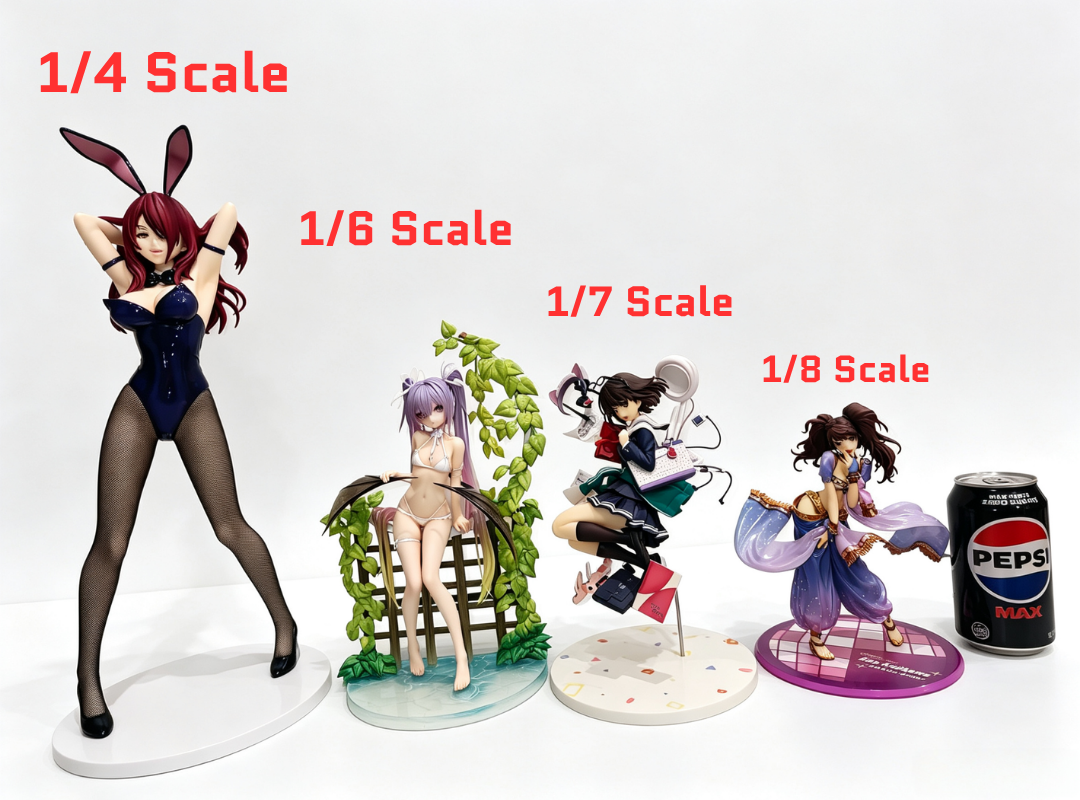
Figure Height Is Only a Reference
One mistake many new collectors make is assuming that figure height directly reflects figure scale.
In reality, height is only one reference point.
The actual scale of a figure is determined by how much the character has been reduced from their original size, not by the final height listed on the product page.
For example, two figures may both be listed as 30 cm tall, yet one could be a 1/7 scale figure while the other is a 1/4 scale figure.
This is because many factors affect the final height of a collectible figure:
- Decorative bases
- Flying poses
- Dynamic action poses
- Long weapons
- Large wings
- Horns, ears, or hair accessories
- Elevated display stands
A character sitting on a chair may only measure 18–20 cm in height despite being a 1/6 scale figure, while a 1/7 scale character jumping into the air with a large display base may easily exceed 30 cm.
For this reason, experienced collectors rarely estimate scale by height alone.
Instead, they usually look at the size of the character's head and overall body proportions. Since most anime and game characters are based on realistic human anatomy, the relationship between the head, shoulders, torso, and limbs often provides a much better indication of the figure's true scale than height alone.
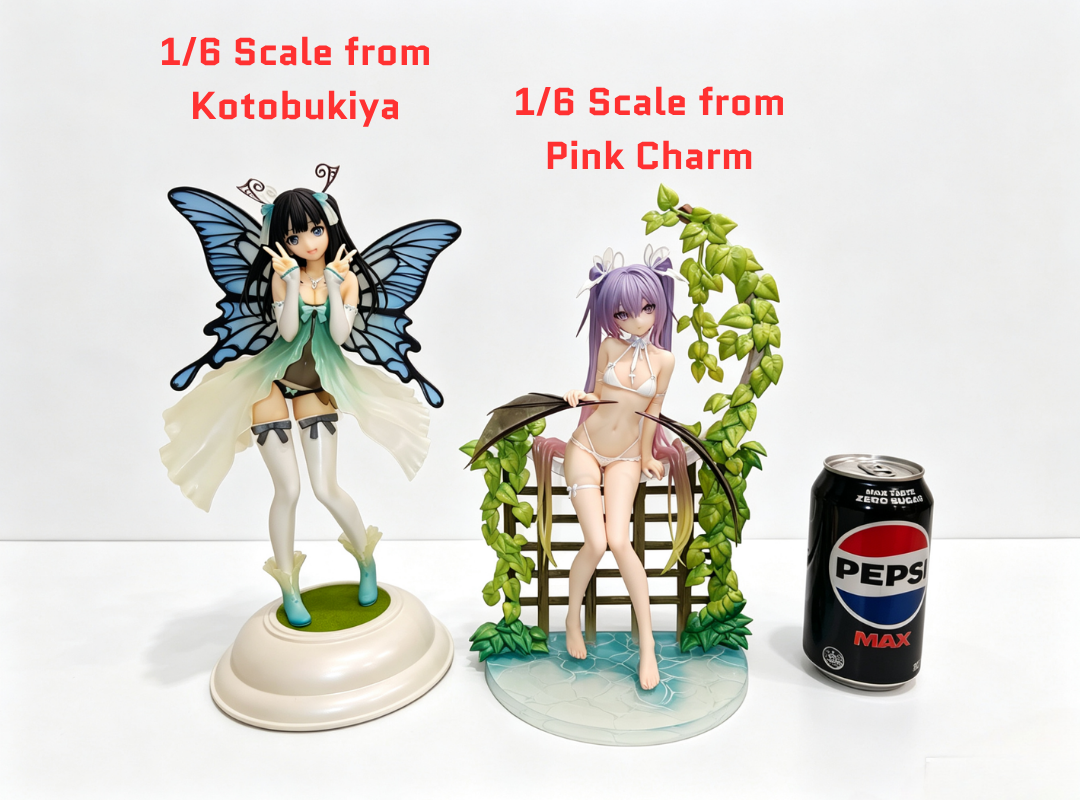
Collector Tip:
When comparing figure sizes, head size often provides a more accurate indication of scale than the listed height.
Why Do Some 1/7 Figures Look Larger Than Others?
The listed scale is only part of the story.
Hair, ears, horns, weapons, wings, tails, dynamic poses, and display bases can all significantly affect a figure's final height. A crouching 1/6 scale figure may actually be shorter than a standing 1/7 scale figure.
However, another factor many collectors overlook is that scale interpretation can vary between manufacturers.
While most companies follow similar standards, some brands are known for producing figures that feel slightly larger or smaller than the market average.
One of the most commonly discussed examples is Myethos. Although many Myethos releases are officially labeled as 1/7 scale, they often appear slightly smaller when displayed alongside 1/7 scale figures from brands such as Alter, Good Smile Company, or Apex.
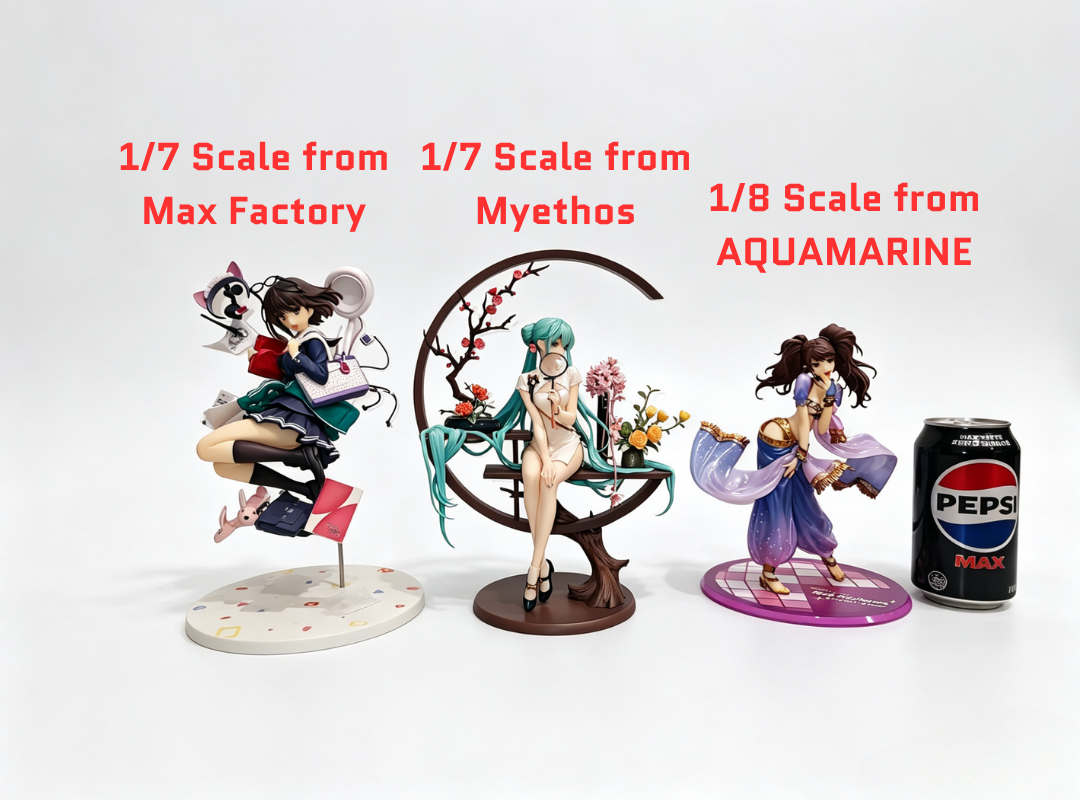
That doesn't mean the scale is incorrect. Different sculpting styles, character proportions, and design philosophies can all influence the final appearance. In practice, many collectors feel that Myethos figures tend to sit somewhere between a typical 1/7 and 1/8 scale figure in overall display size.
This is why experienced collectors rarely judge a figure by scale alone. Looking at the official dimensions, manufacturer, and comparison photos is often far more useful than relying solely on the scale listed on the box.
Monster and Kaiju Figures Follow Different Rules
Not every figure is based on human proportions.
Characters such as Godzilla, King Ghidorah, Gamera, and other giant monsters are often released in scales like 1/10, 1/20, or even 1/50.
At first glance, these scales may seem small, but the original creatures are enormous.
For giant monsters such as Godzilla, the scale number is often less useful than the actual dimensions. Even a relatively small scale ratio can result in a surprisingly large collectible because the original creature is so enormous.
Because of this, kaiju collectors usually pay more attention to the actual product dimensions than the scale number itself.
Which Figure Scales Are Most Common Today?
While 1/7 scale is generally considered the modern industry standard for anime figures, many manufacturers have developed their own preferences over the years.
For most collectors, 1/6 and 1/7 scale figures represent the sweet spot between size, detail, display presence, and price. 1/8 scale remains popular among collectors with limited display space, while 1/4 scale is often viewed as the premium collector scale.
Some manufacturers are particularly associated with certain scales.
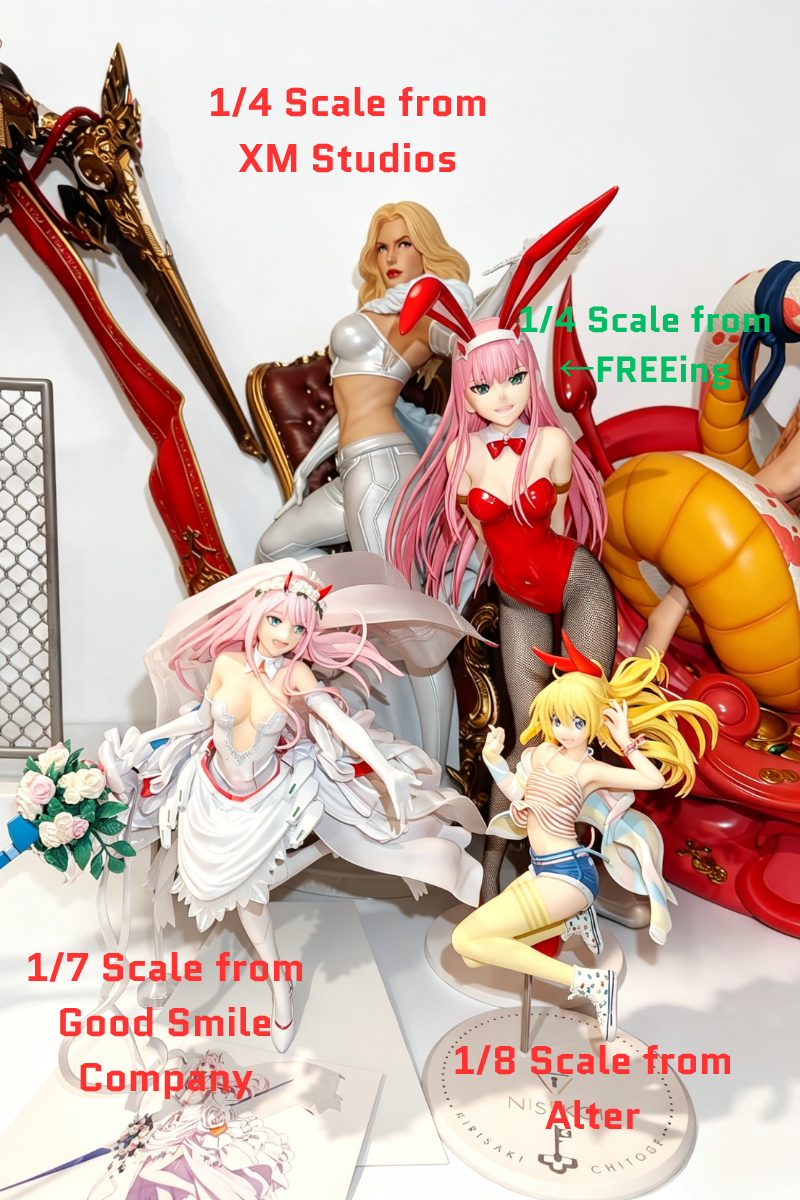
FREEing's famous B-STYLE bunny figure line is a good example. Most releases are produced in 1/4 scale and feature real fabric fishnet stockings rather than sculpted plastic stockings, contributing to both their premium appearance and higher production cost.
Although FREEing has recently experimented with some 1/6 scale releases, 1/4 scale remains the signature size of the B-STYLE series.
1/3 scale figures are much less common, but manufacturers such as Phat Company and FREEing have occasionally released products in this size.
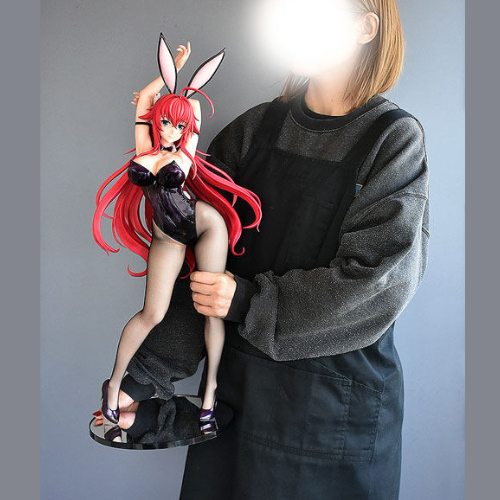
An even rarer scale is 1/3.5, which is most commonly associated with AliceGlint, particularly for several of their oversized character releases.
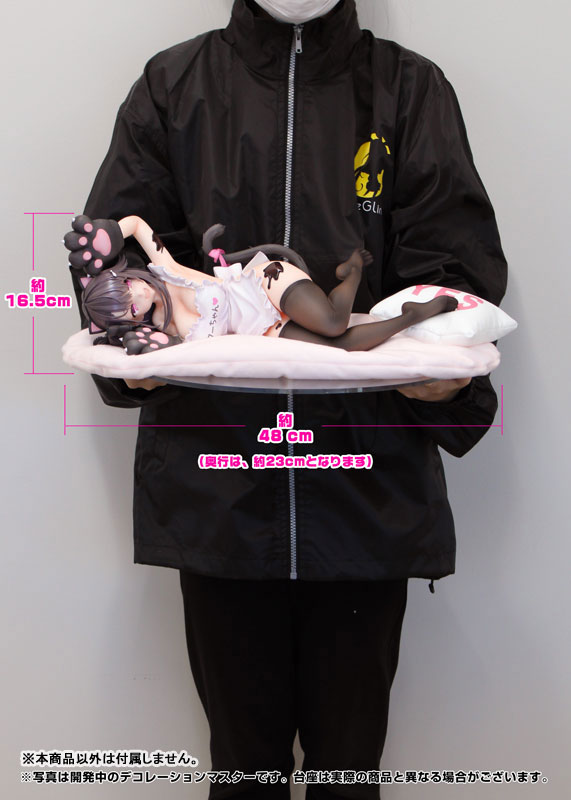
Moving even larger, 1/2 and 1/2.5 scale figures are extremely uncommon due to the production costs, shipping requirements, and display space needed.
At the very top sits 1/1 scale, meaning life-size. While silicone dolls are commonly produced at this scale, a small number of manufacturers have also created true 1/1 scale anime figures.
Do Resin Statues Follow the Same Scale Rules?
Generally speaking, yes.
Resin statues (often called polystone statues) use the same scale system as PVC figures.
However, in practice, resin statues almost always feel larger than PVC figures of the same scale.
This is because statue manufacturers tend to include much larger display bases, environmental elements, special effects, weapons, and scene compositions.
As a result, resin statues often occupy significantly more display space than PVC figures of the same scale.
For experienced collectors, scale remains useful when comparing products, but the actual dimensions provided by the manufacturer are often far more important when purchasing resin statues.
Want to learn more about the differences between PVC, ABS, and resin collectibles? Read our guide: PVC, Resin, or ABS? Selecting the Best Anime Figure Material.
Final Thoughts
Scale is one of the most useful pieces of information when evaluating a figure, but it should never be viewed in isolation.
Manufacturer differences, character proportions, poses, bases, and materials can all have a major impact on how large a figure actually feels once displayed.
When comparing figures, always look at both the scale and the official dimensions, and whenever possible, compare photos with other figures you already own.
At the end of the day, the best scale isn't necessarily the largest one—it's the one that fits your collection, display space, and personal preferences.
Additional Figure Photos
Note: To keep this guide lightweight and mobile-friendly, many of the comparison images used throughout the article have been background-removed and compressed. As a result, some figures may appear softer or less detailed than they actually are.
All figures shown in this article were photographed using authentic licensed products from our own collection. No bootlegs, replicas, or promotional renders were used.
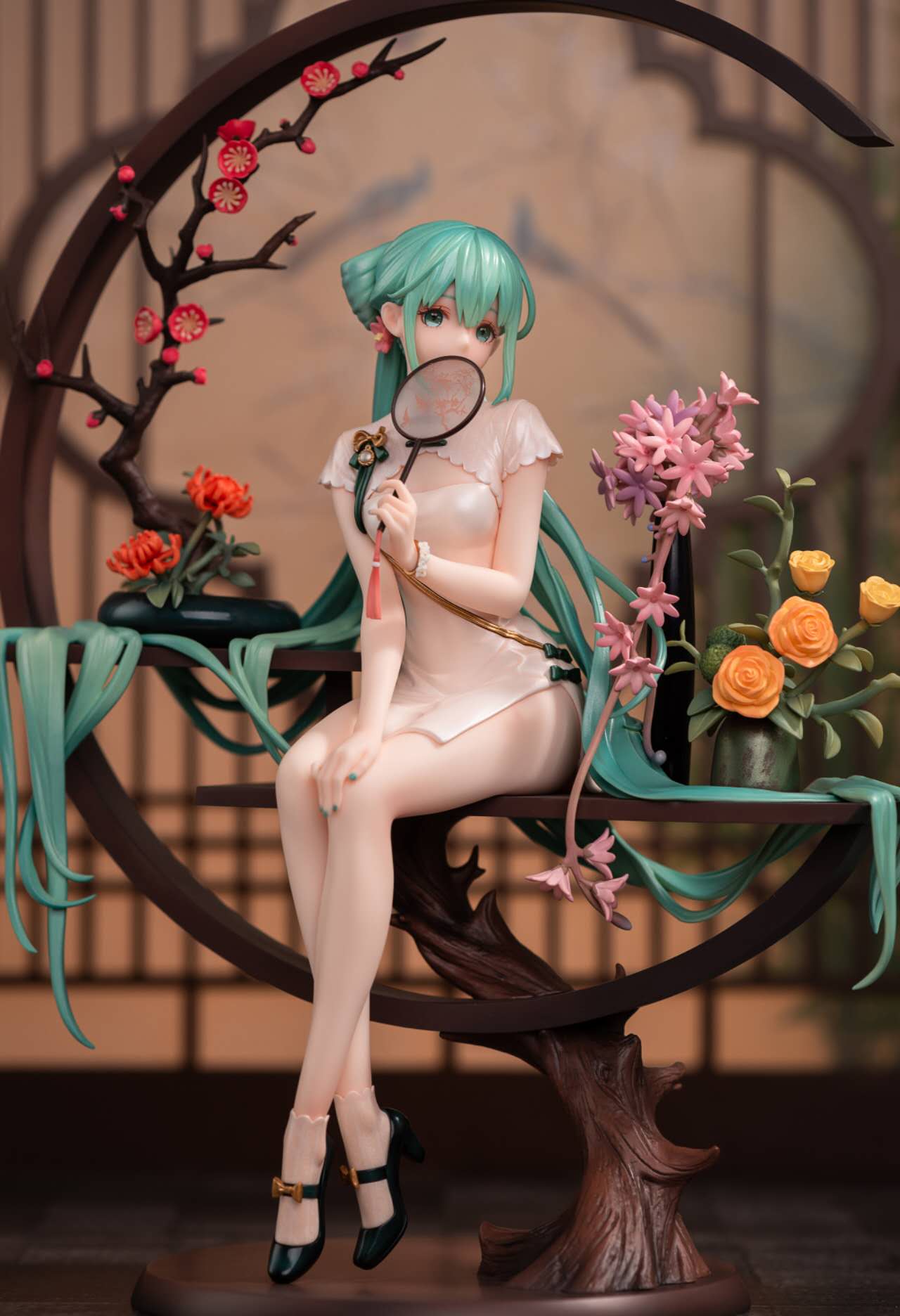
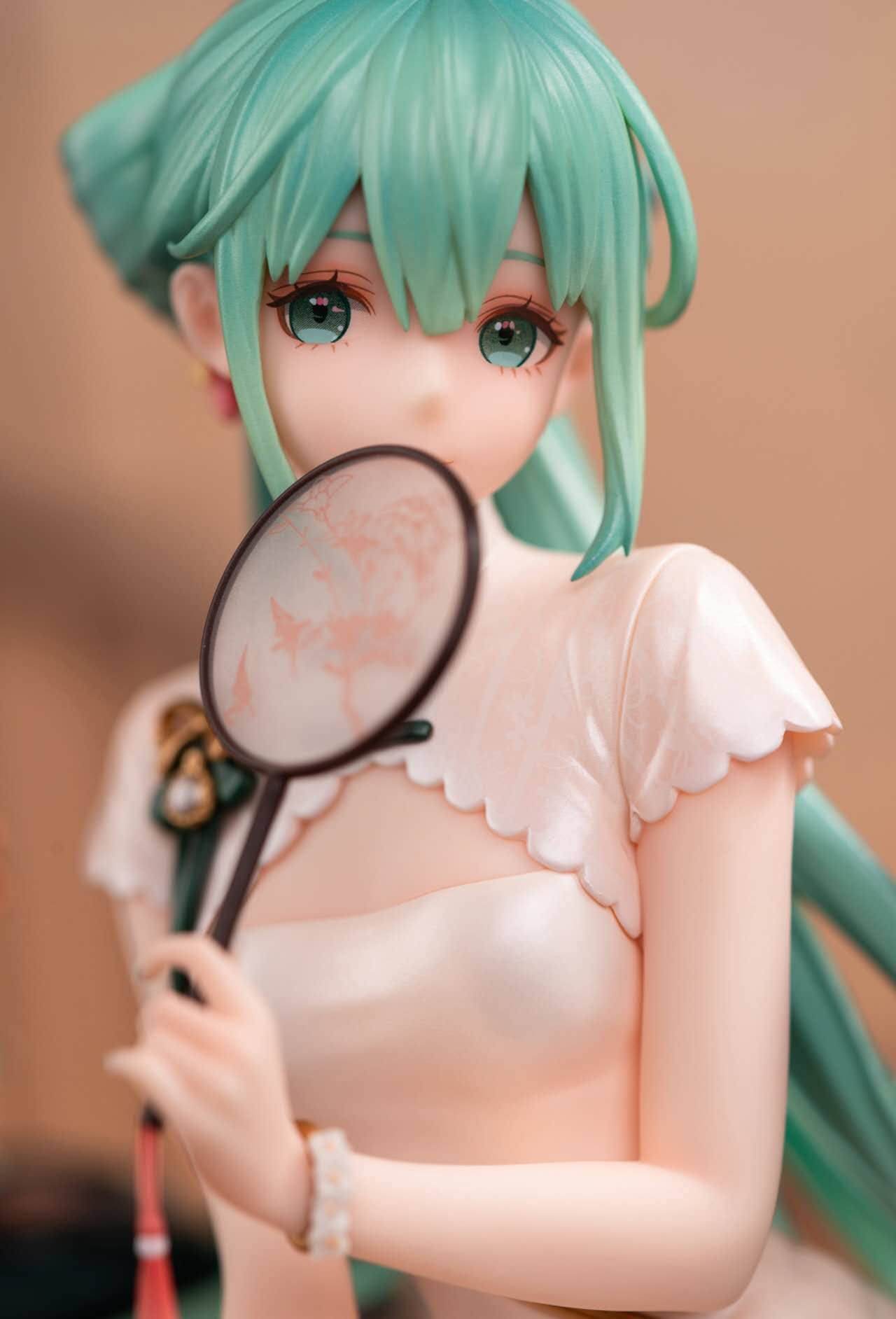
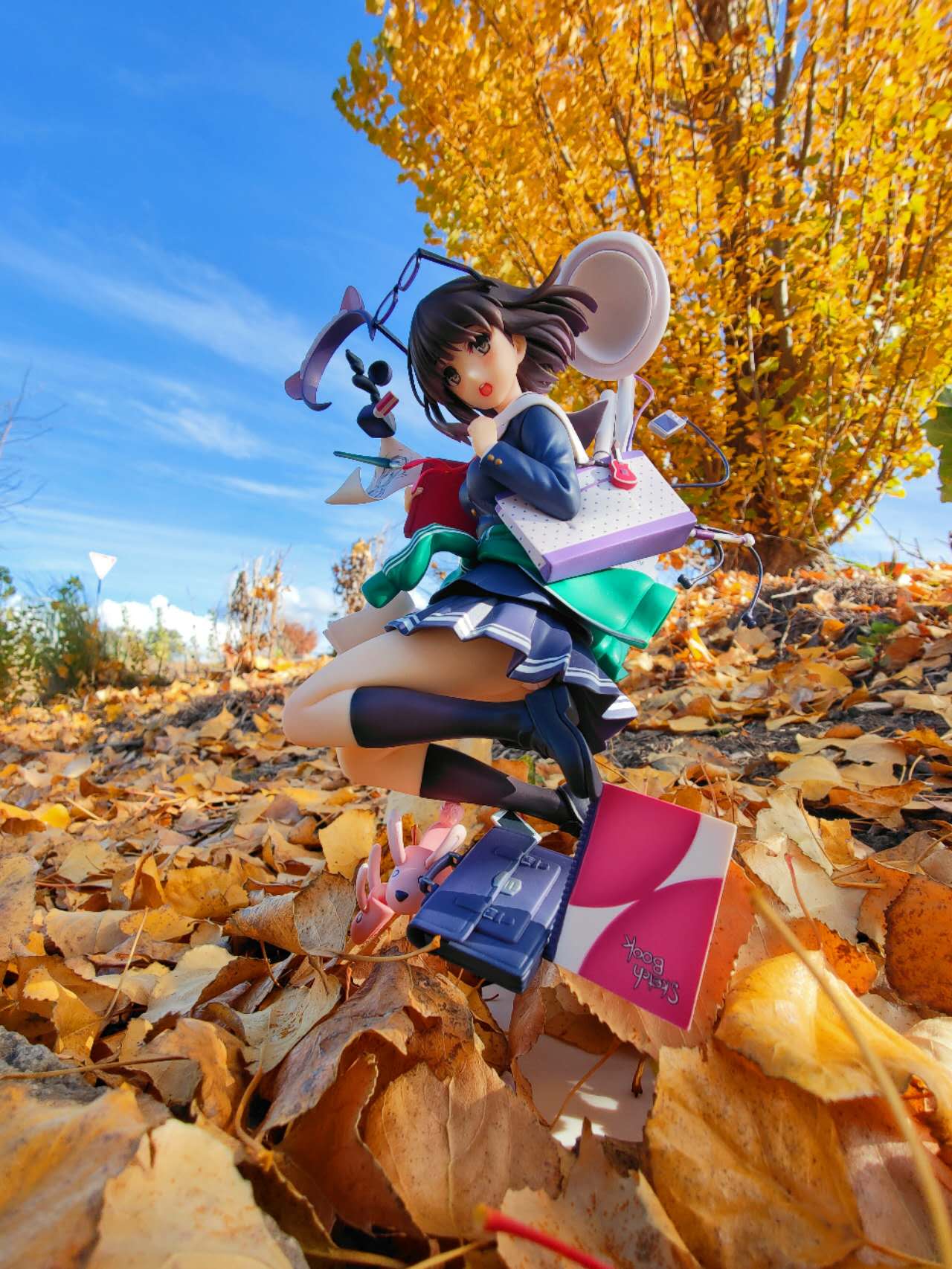
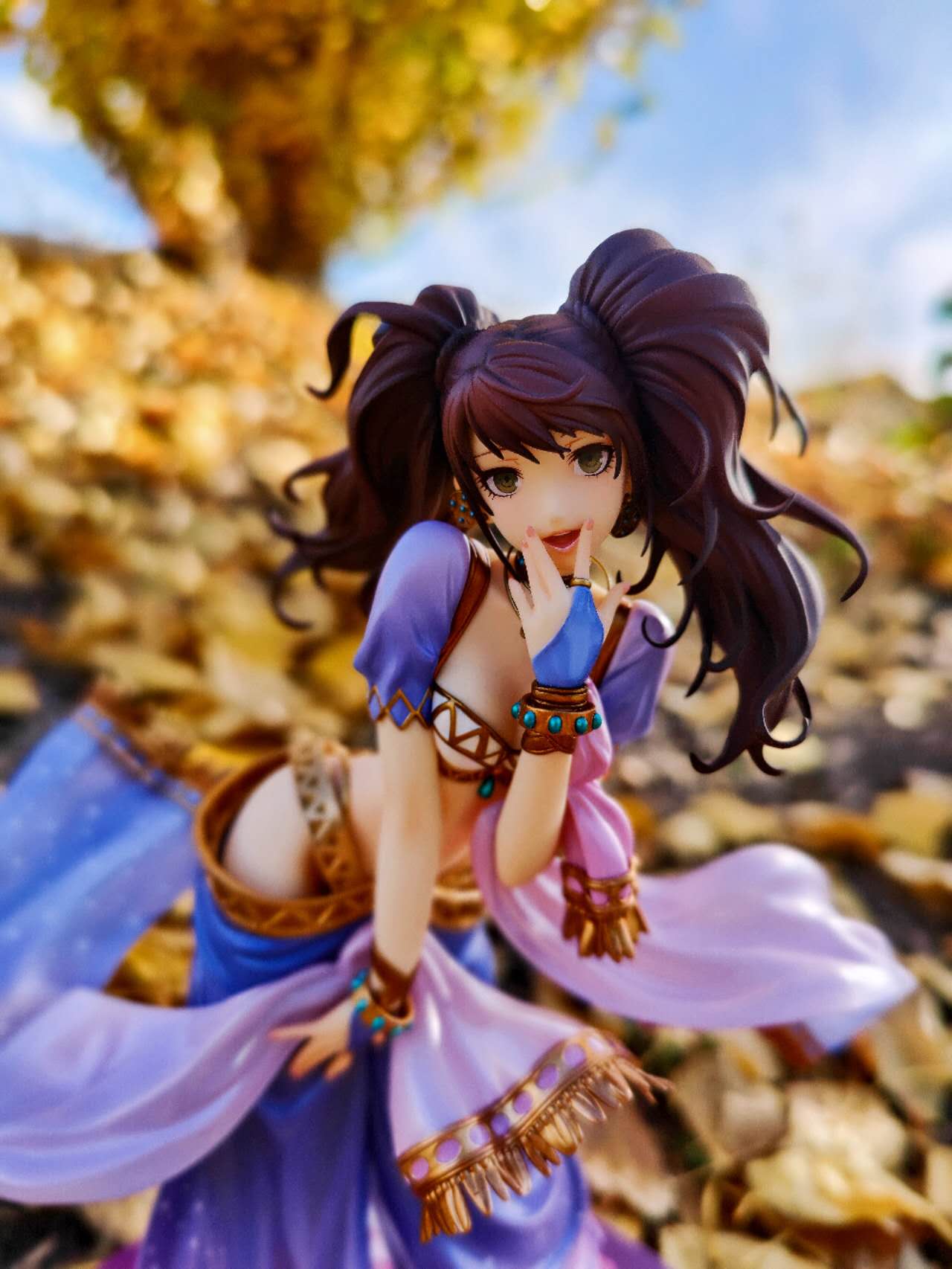
To better showcase the sculpting, paintwork, and overall quality of these figures, we've included several high-resolution photos below.