The Essential Guide to Figure Restoration Techniques and Materials
If you collect anime figures, statues, and character goods long enough, there’s one shared nightmare moment: the soft thud of plastic, the slow-motion fall, and the clean snap of a limb or ponytail. I’ve seen limited vinyl statues shatter like pottery, resin bases crack under their own weight, and PVC grails slowly yellow on a sunlit shelf.
The good news is that serious conservators deal with far worse every day, and their playbook absolutely applies to our shelves. From pottery statues smashed into thirteen pieces, to century‑old porcelain figurines with snapped legs, professional restoration studios and conservation institutes have already mapped out what works, what fails, and when to stop.
This guide pulls together those museum‑grade principles and hobby‑tested tricks—from ceramic studios like Lakeside Pottery and Repair2Restore, to toy and figure care guides from Smart.DHgate, Rekennect, and others—and translates them into a practical, fandom‑friendly roadmap for restoring and protecting your figures.
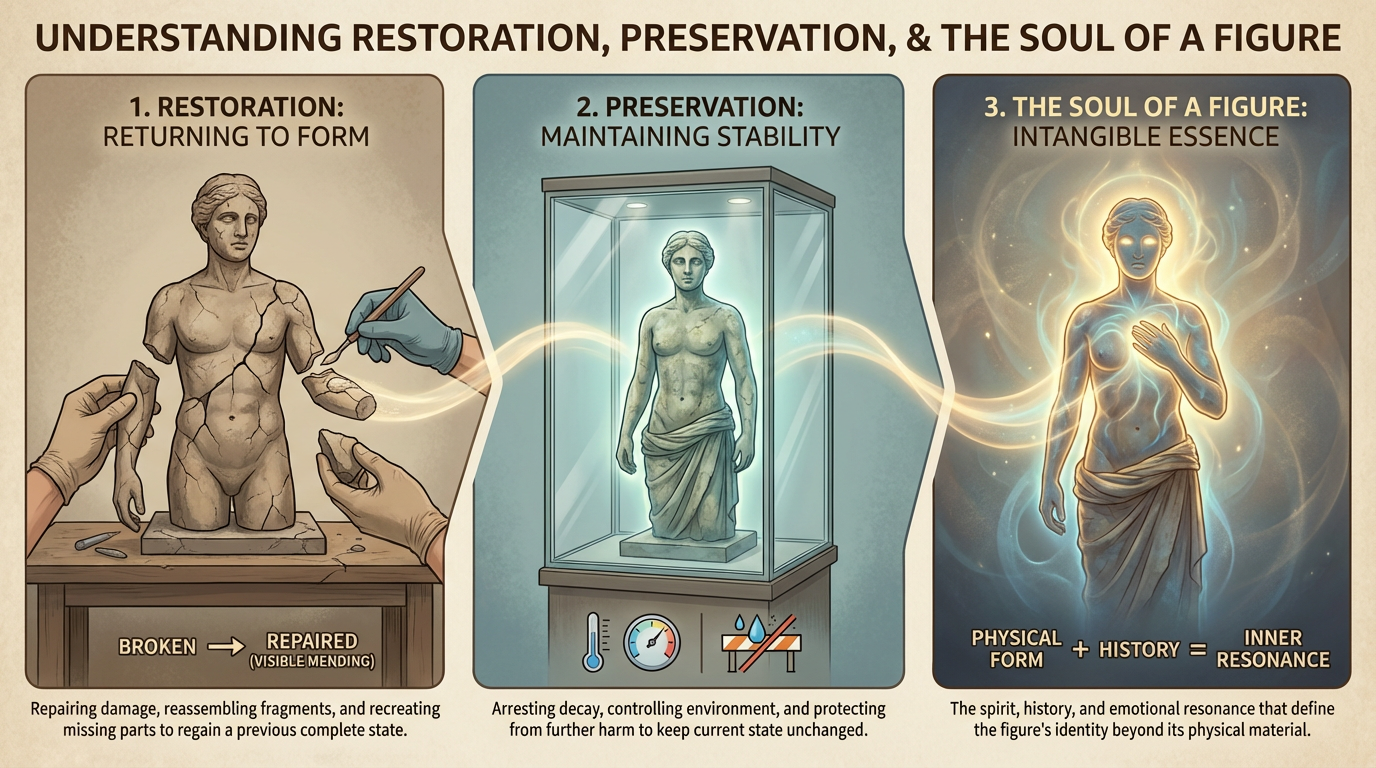
Restoration, Preservation, And The Soul Of A Figure
Before we dive into glues and paints, it helps to set expectations. Not every scratch calls for a full “make it mint” overhaul. In card collecting, writers who cover the Pokémon TCG talk about the ethical tension between restoration and preservation: you can sometimes make a card look cleaner, but heavy alteration can hurt authenticity and even damage the health of the hobby if it isn’t disclosed. Figures are similar.
Conservators and authors like Robert B. Faltermeier, writing for Springer on caring for sculpture and antique art, emphasize minimum intervention and maximum reversibility. The idea is simple: do only as much as you need to stabilize and enjoy the piece, using methods that future you—or a future professional—can undo or improve.
Some collectors and restorers describe restoration almost as a conversation with the object. In one well‑known series of essays on collectible toys, the author argues that worn pieces can be more rewarding than “mint” ones because working on them lets you retrace the original artist’s steps. He advocates preserving patina and gentle aging, not erasing it.
If you love the story baked into your figure—the tiny paint scuff from years on your desk, the slightly dulled gold trim—preservation might be more appropriate than aggressive restoration. On the other hand, a catastrophic break, like a snapped resin ankle or a smashed porcelain dress, might justify a seamless repair so the piece can safely stand and be enjoyed again.
Think of restoration as a spectrum. On one end, you have light, reversible work like cleaning and stabilizing. In the middle, careful structural repair and discreet touch‑ups. On the far end, total repaints and major component replacement. The higher the value and historical significance, the more cautious you should be about pushing toward that far end.
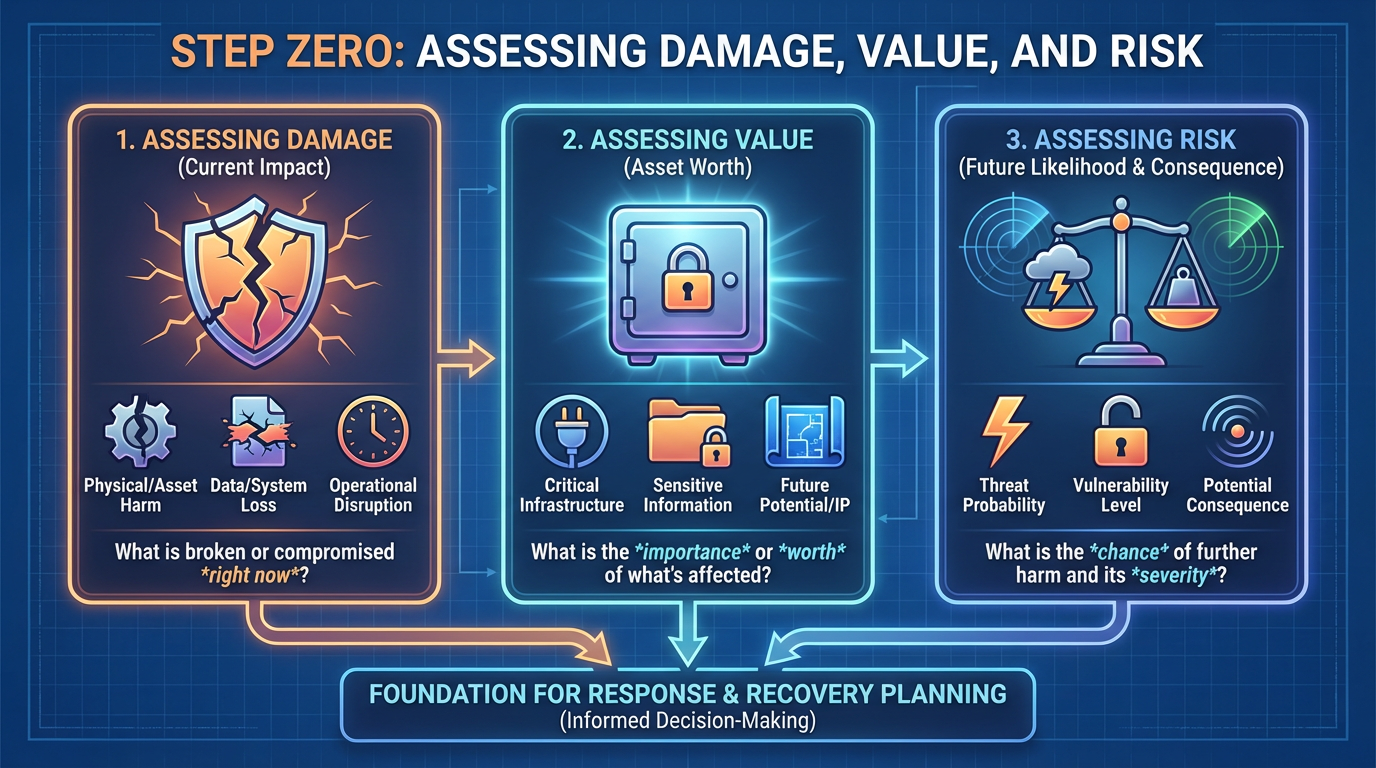
Step Zero: Assessing Damage, Value, And Risk
Every professional project in the sources starts with assessment, whether it is a Civil War–era document, a Goldscheider porcelain figurine from the 1930s, or a Cookie Toy Story collectible. Your anime figure deserves the same treatment.
First, identify what the figure is made from. Vintage toy restoration guides, such as those from Rekennect, suggest figuring out whether you are dealing with ABS or PVC plastic, vinyl, polystone or resin, porcelain, wood, or metal components. This matters because adhesives and cleaners that are perfect for ceramic can ruin flexible PVC, and vice versa.
Next, separate structural from cosmetic damage. A hairline crack in a resin ankle that carries the statue’s weight is more urgent than a tiny paint chip on a cape. Ceramic conservators repeatedly stress that structural repairs must come before any beauty work; in case studies from Fine Art Restoration, broken pottery and Goldscheider figurines were meticulously re‑adhered and stabilized before any color work began.
Then, consider value and intent. Articles on antique art and card collecting recommend asking three questions. How rare is it? How much monetary value is at stake? And is this mostly sentimental and for your own display, or will it eventually hit the market? Conservation texts note that poor, unqualified repairs can significantly reduce value, and toy‑focused pieces warn that incompatible materials can cause irreversible damage or make professional treatment harder later.
Finally, document everything. Antique art restorers like OR Antiques and Faltermeier emphasize detailed photography and written notes before, during, and after treatment. For figures, that means taking good before photos, noting every crack, missing accessory, and warp, and then recording what you do and with what materials. If you ever sell, the transparency echoes best practices in the Pokémon TCG community, where any restoration is expected to be disclosed.
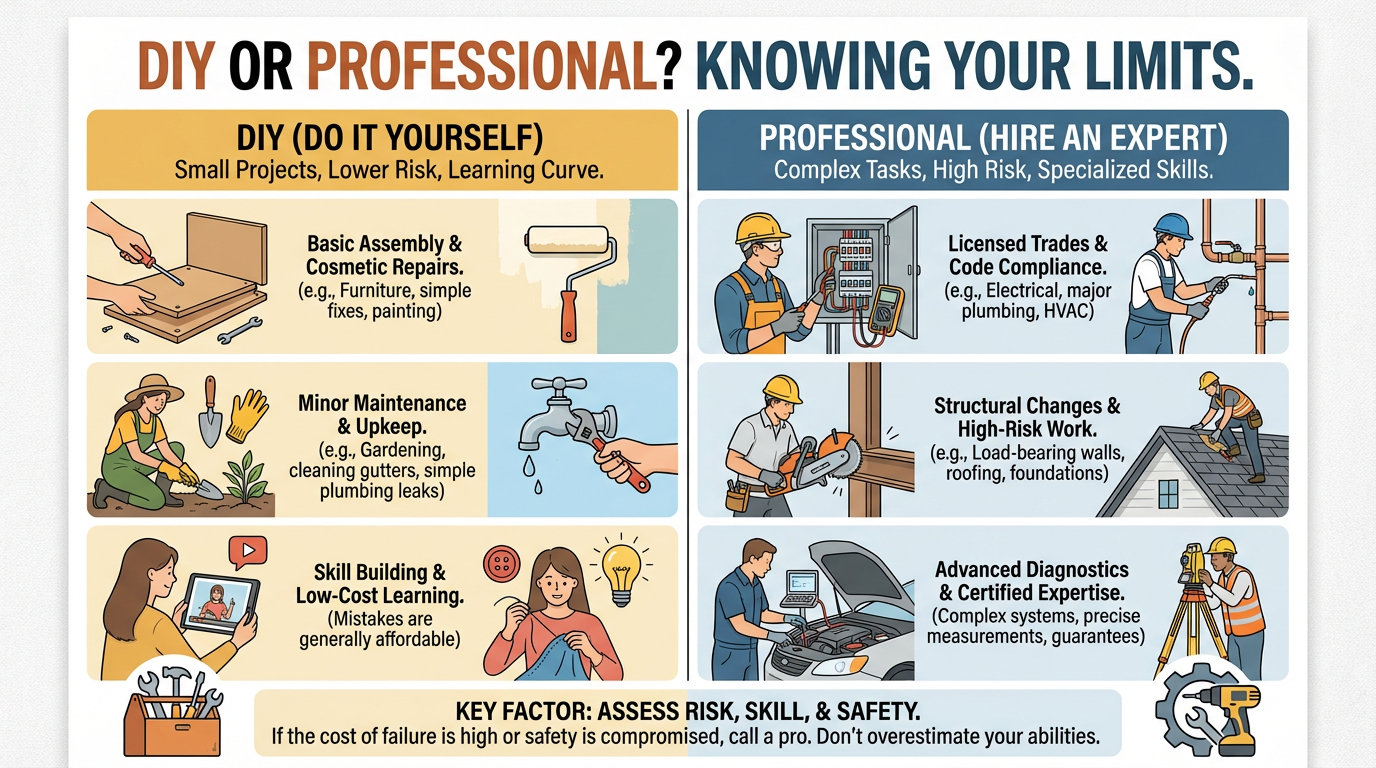
DIY Or Professional? Knowing Your Limits
The big question: when is it safe to try things yourself?
Across ceramic, toy, and card restoration sources, a pattern emerges. DIY is usually acceptable when the piece is low to moderate value, the damage is simple, and the materials are well understood. Basic cleaning, reattaching a clean snap on a modern PVC figure, or touching up a small chip can often be handled at home with care, especially if you follow well‑established guides from places like Smart.DHgate, SuperHeroToyStore, or Rekennect.
However, several sources—particularly Lakeside Pottery, Repair2Restore, and professional antique restorers—strongly warn against DIY on high‑value, rare, or complex pieces. They cite problems such as:
Visible glue stains that soak into porous materials and block future color matching.
Incompatible adhesives that embrittle over time, discolor, or react badly with plastics or glazes.
Over‑sanding and harsh chemicals that remove original finishes and fine details.
Heavy repainting that obliterates original artistry and makes the object misleading if sold without disclosure.
As one Pokémon card ethics article puts it, the risk often outweighs the reward on high‑value items. The same applies to grail figures, rare vintage vinyls, and pre‑war porcelain. If the break is catastrophic, the material unknown or very fragile, or the piece irreplaceable, borrowing the advice given for delicate ceramics, paintings, and sacred objects: talk to a professional conservator first.
The Core Materials: What Actually Touches Your Figure
Even if you never attempt a full repair, understanding the main restoration materials makes you a better caretaker and a better client when you do send a piece out.
Adhesives
Different sources converge on a few key adhesive types, each with strengths and drawbacks.
Adhesive type | Best suited for | Pros | Cons / cautions |
|---|
Cyanoacrylate (“super glue”) | Small, clean plastic or ceramic breaks | Fast, strong bond, easy to apply in tiny amounts | Can be brittle, can fog plastics, hard to reverse if it seeps where it should not |
Two‑part epoxy | Larger breaks, stressed joints, mixed materials | Very strong, can fill gaps, widely used in ceramic and toy restoration | Less reversible, working time is limited, excess must be cleaned carefully |
Flexible plastic epoxies | Action figures and plastics that flex | Better shock resistance and flex than brittle glues | Formulation must be compatible with specific plastics |
PVA / wood glue | Wooden bases, diorama elements | Good for wood, dries clear, more reversible than many epoxies | Not suitable for most plastics or glazed ceramics |
Lakeside Pottery and ceramic restoration tutorials make heavy use of epoxies and cyanoacrylates, but they also note that these materials, and cold glazes applied over them, are not food‑safe and are not meant to withstand high heat above about 190°F. For figures, that mainly means you should keep repaired items away from hot lights and never put restored character mugs or dishware back into food use.
Toy‑oriented guides, including pieces on Cookie Toy Story collectibles and vintage figures, recommend cyanoacrylate for small plastic repairs and plastic‑specific epoxies for stressed joints. They also stress careful surface prep: cleaning and lightly scuffing contact areas so the adhesive bonds to sound material rather than dirt or weakened plastic.
Fillers and Sculpting Compounds
If a sliver of porcelain hair or a resin fingertip is missing, simple glue is not enough. Professional restorers, such as those at Lakeside Pottery and Repair2Restore, rely on various fillers and modeling compounds.
These fillers can be epoxy resins, specialized putties, or other sculptable materials. They are used to recreate lost shapes, then sanded to match surrounding contours. In ceramics, they may be reinforced with internal pins or rods, a technique called pegging, which Lakeside Pottery describes using even for heavy sculptural loads.
The trade‑off is that these interventions are more invasive and less reversible than simple adhesive joins. When used on collectible toys, guides like Rekennect recommend donor parts or clearly disclosed 3D‑printed components rather than heavily built‑up filler, especially if the figure is rare.
Paints, Retouching, And Cold Glaze
Once structure is restored, there is the question of visibility. Case studies of pottery statues smashed into thirteen pieces and of rare Goldscheider figurines show how far professional retouching can go: after careful color matching and glaze blending, no joins are visible to the naked eye.
Cookie Toy Story restoration guides talk about using high‑quality acrylic or enamel paints, with color matching supported by tools like digital analysis. Vintage toy restoration articles recommend reversible acrylics matched to the toy’s aged tone instead of factory‑fresh saturation, then sealing with satin or matte finishes to blend repairs.
Lakeside Pottery describes applying a cold glaze—a room‑temperature coating that simulates fired glaze—over ceramic repairs for a durable, seamless surface. It requires careful layering and good airbrushing or brush control. Again, these coatings are not for food or high‑heat use, but for display pieces they provide a professional finish.
For anime figures, that means a careful restorer will usually:
Match not just hue but also the level of gloss or matte.
Feather paint edges into original surfaces rather than creating hard lines.
Avoid wholesale repaints unless the piece is extremely compromised and clearly disclosed as customized.

Cleaning: The Safest “Restoration” With The Biggest Payoff
Every conservation source agrees on one thing: cleaning, done right, is the highest‑impact, lowest‑risk intervention. Done wrong, it is also one of the most destructive.
Porcelain care guides, such as those focused on vintage Japanese figurines, recommend weekly dusting with a soft paintbrush or microfiber cloth, using light strokes around delicate details. Deeper cleaning every few months involves lukewarm water and mild detergent only, avoiding abrasives and harsh chemicals and drying on a lint‑free cloth.
Figure‑specific guides from Smart.DHgate and SuperHeroToyStore echo this advice for PVC and resin. Start dry with soft brushes to lift dust out of crevices. If you must wet‑clean, use a well‑wrung microfiber cloth with a tiny amount of mild dish soap in lukewarm water, and never soak the figure, especially if it has decals or mixed materials. Alcohol and strong household cleaners are repeatedly flagged as risky; they can strip paint and degrade plastic finishes.
For stubborn sticky residues on plastic, some action figure guides suggest very cautious use of isopropyl alcohol on a cotton swab, always tested in a hidden area first. For older vintage figures, specialized techniques like applying small amounts of benzoyl peroxide cream under controlled light, or mild hydrogen peroxide baths known as RetroBright, have been used to reduce ink stains or yellowing. Sources documenting these methods stress that they require research, patience, and testing, and they are best reserved for lower‑value figures until you are confident.
Most importantly, drying is part of cleaning. Smart.DHgate’s action figure maintenance advice recommends thoroughly drying figures with a clean cloth and letting them air out before putting them back in enclosed cases, to avoid trapped moisture and the risk of mold.
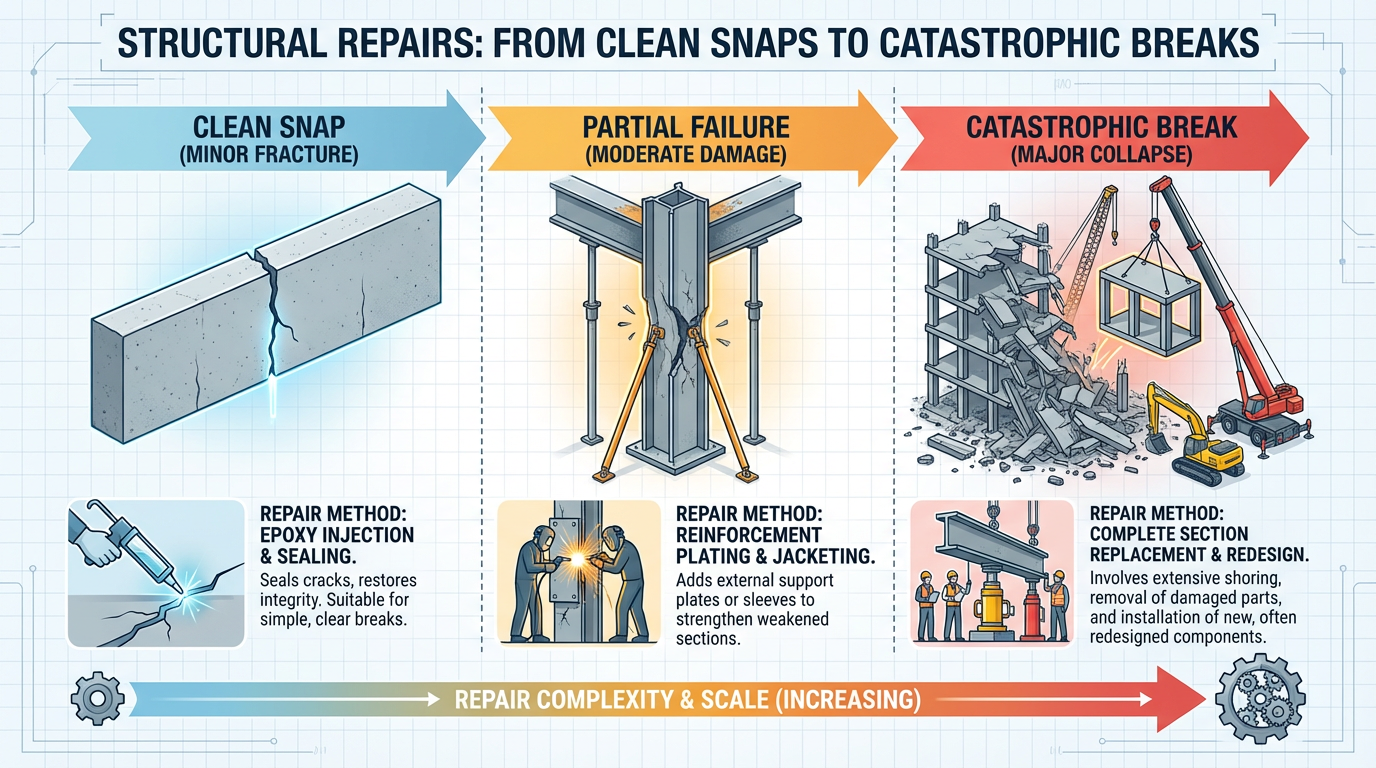
Structural Repairs: From Clean Snaps To Catastrophic Breaks
When breaks happen, structural integrity comes first.
Ceramic case studies show a consistent workflow. A pottery statue smashed into thirteen pieces was carefully cleaned, then re‑adhered in stages, allowing each join to dry fully before moving on. Missing areas were then filled and reshaped, and finally retouched so that cracks disappeared visually. A rare 1930s Goldscheider figurine with broken legs and a decapitated lamb was treated similarly: all fragments cleaned, limbs reattached at multiple break points, with a pin‑like protrusion used to align and stabilize a leg.
The lessons translate well to figures and statues. Work slowly in stages. Do not try to glue every broken fragment at once. For narrow limbs, tails, and ankles, consider internal reinforcement. Lakeside Pottery describes pegging, where conservators drill carefully and insert metal pins through tight cross‑sections for strength. For large sculptures bearing significant weight, they even employ internal rods. While you may not be comfortable drilling into a grail statue, understanding that professionals do this shows how far structural work can go when necessary.
For plastics, toy restoration guides recommend matching the adhesive to the break. Cyanoacrylate can handle a clean snap on a PVC wrist, while a stressed hip joint might need a plastic‑compatible epoxy with some flexibility. Guides also suggest occasionally reinforcing joints with small metal pins, especially in high‑stress spots like hips and knees, similar to how the Goldscheider figurine’s leg was stabilized.
Always remove old, failing repairs before applying new ones. Lakeside Pottery spends considerable effort separating previous adhesives because new glue applied over old glue rarely holds well and can create further stress.
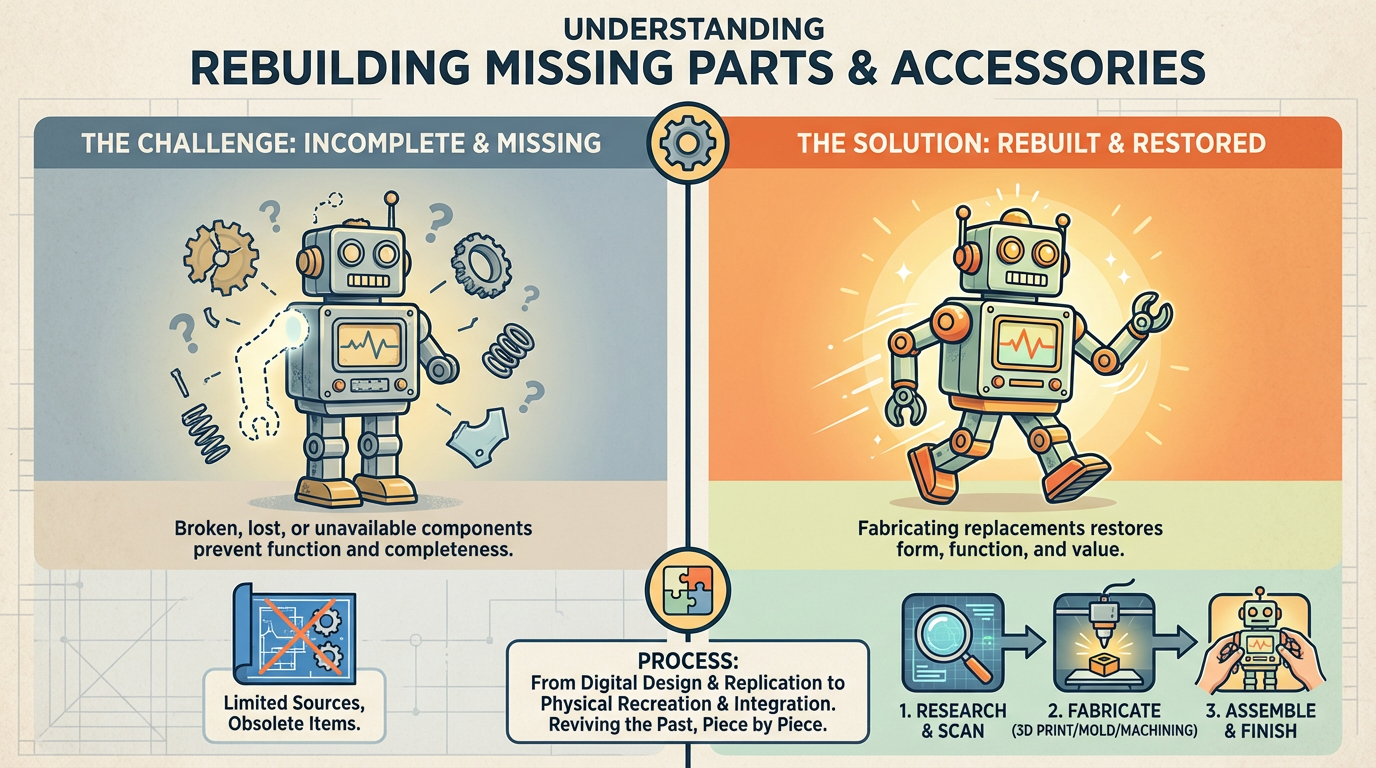
Rebuilding Missing Parts And Accessories
Figures are only as good as their silhouettes. A missing horn, broken hair strand, or lost weapon can change the whole vibe of your favorite character.
Ceramic and sculpture restorers routinely recreate missing components. Lakeside Pottery describes molding and impressions for reproducible shapes like handles, cup bases, and panes, as well as hand‑sculpted replacements pegged and bonded into place. Repair2Restore talks about reconstructing delicate, hand‑painted figurine elements and then color matching to blend them seamlessly.
In the toy world, missing accessories are a major value issue. Vintage action figure guides emphasize sourcing original parts when possible through collector markets, and clearly distinguishing any reproductions. When originals cannot be found, Rekennect notes that donor toys or carefully finished 3D‑printed parts are viable, as long as replacements are disclosed if the item is sold.
Anime figures sit somewhere between these worlds. For mass‑produced PVC, sourcing original accessories or donor figures is ideal. For out‑of‑production resin kits or porcelain statues, you may need a restorer comfortable with sculpting or digital modeling. Either way, rebuilding missing parts is one of the trickiest, most art‑driven types of restoration, and many collectors keep this firmly on the “hire a pro” side of the line.
Material‑Specific Playbook For Anime And Collectible Figures
Different materials behave differently. The sources provide a surprisingly rich playbook once you translate from antiques and vintage toys to anime figures.
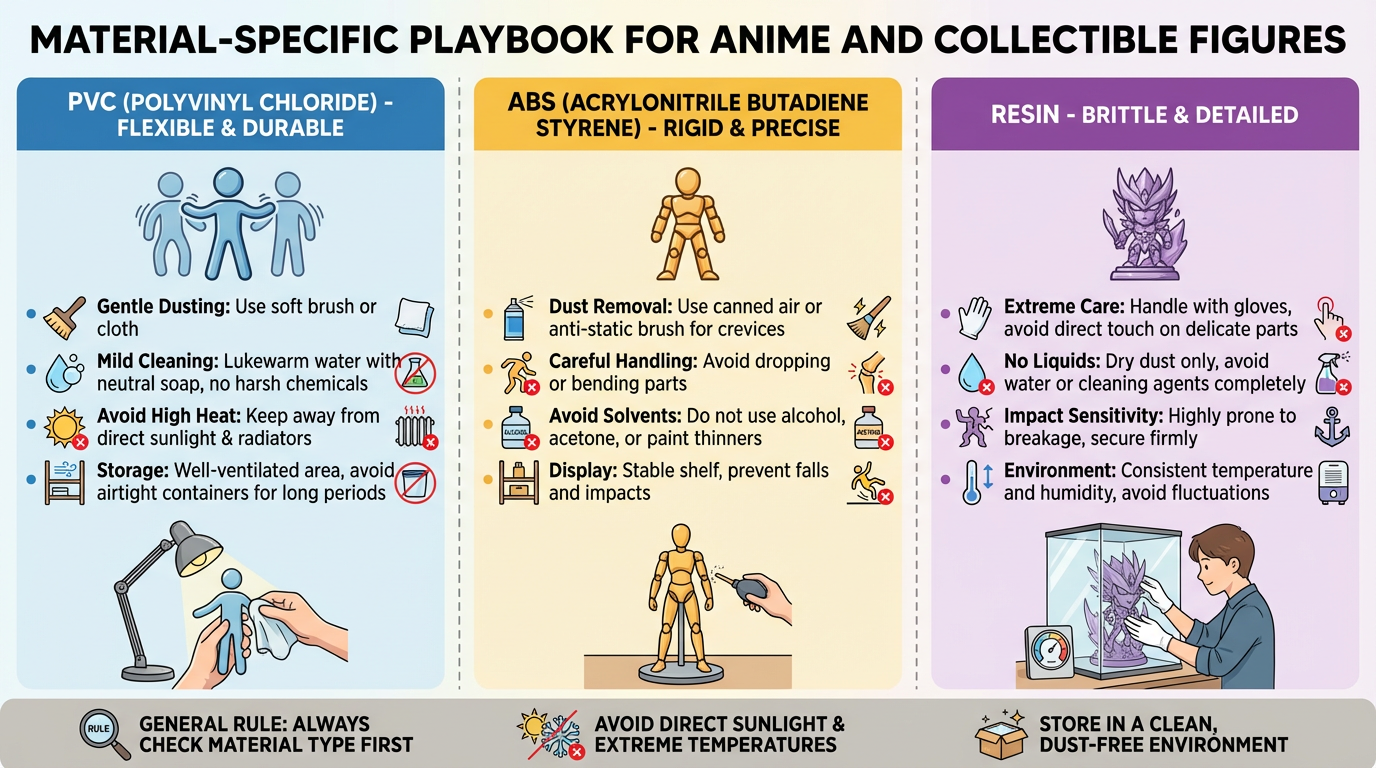
PVC And ABS Figures, Action Figures, And Prize Statues
Guides from Smart.DHgate, Rekennect, SuperHeroToyStore, and vintage action figure restorers emphasize a few key points for modern plastics.
Keep them out of direct sunlight and away from heat sources. UV and heat cause fading, warping, and plastic breakdown. Multiple authors describe yellowing, sticky surfaces, and brittle joints as classic symptoms of bad environments.
Clean gently and regularly. Dust with soft brushes or microfiber weekly or monthly, depending on your space. If you wash, use mild dish soap in lukewarm water on a cloth, no soaking, and no harsh cleaners.
Protect joints. For poseable figures, forcing articulation is how you end up with snapped pegs. Where joints do loosen, products like Kiki’s Loose Joint Fixer or thin layers of clear nail polish applied and fully dried have been used by collectors to tighten them, as noted in vintage restoration guides.
Repair breaks with plastic‑appropriate adhesives. Cyanoacrylate can handle clean breaks; epoxy is better for high‑stress joints once surfaces are cleaned and aligned precisely. Vintage toy repair FAQs often suggest combining adhesive with a small pin or hinge for added strength in limbs, especially on heavier figures.
Store in stable environments. Several guides suggest temperatures roughly in the mid 60s to mid 70s °F with moderate humidity, avoiding attics and damp basements. Silica gel packs can help control moisture inside display cases or storage boxes.
Resin And Polystone Statues
Resin and polystone offer crisp detail but are fragile and heavy. Sculpture restoration hubs that cover resin, along with resin statue care guides, stress similar principles.
Support weight properly. Narrow ankles or flowing cloaks that carry the statue’s mass are common failure points, just as thin ceramic limbs are. Internal rods or pins (installed by professionals) are often the safest long‑term solution.
Dust more than you wash. Resin paints and coatings may be sensitive to strong detergents. Stick to soft brushes and blowers. If you must wash, follow the same mild‑soap, low‑moisture approach recommended for PVC.
Avoid drastic climate swings. Sudden changes in temperature and humidity can induce hairline cracks. Conservation guidelines for indoor collections recommend stable conditions rather than fine‑tuning to a single number.
When breaks occur, think like a ceramic conservator. Use strong, appropriate epoxies, align carefully, and consider reinforcement for heavily loaded joins. If a break is truly catastrophic, professional studios used to handling stone, resin, and ceramic sculptures are often your best allies.
Porcelain And Ceramic Figures
Vintage Japanese porcelain figurine guides and ceramic case studies read like love letters to careful handling.
Clean gently and infrequently. Weekly dusting with soft brushes prevents grit from building up, while deep cleaning every few months in lukewarm, mildly soapy water, with thorough but gentle drying, keeps glazes bright.
Control humidity and vibration. Recommended relative humidity for these items often sits around 40 to 60 percent. Too much moisture risks cracks and glaze stress; too little can also cause stress in some bodies. Stable, secure shelves with adequate spacing prevent accidental knocks.
Handle by the base, not delicate extremities. Cotton gloves are recommended for high‑value pieces to avoid skin oils. Highemporium’s advice to leave space between figures so they do not touch is particularly important for fragile ceramics.
Seek professionals for serious damage. The pottery statue shattered into thirteen pieces and the rare Goldscheider figurine with broken legs were both rescued by specialists. The end results were seamless, with no visible cracks. That level of invisible repair takes training, adhesives, fillers, and paints that most collectors do not have on hand.
Ethics, Story, And Prior Repairs
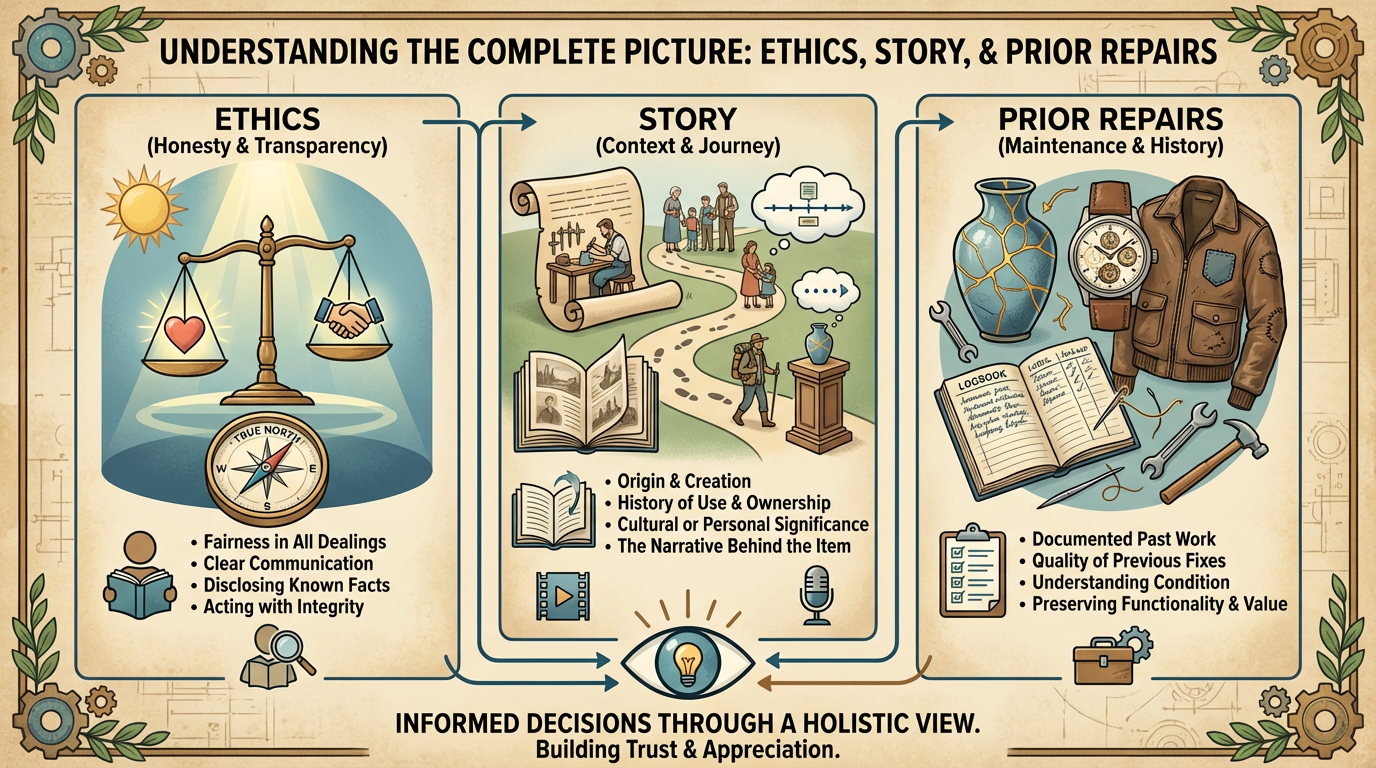
Museum conservation literature introduces a powerful idea: sometimes the old repair is part of the object’s story. In a case study of a Hopi kachina doll acquired in 1904, conservators chose to preserve the “native repair”—a visible hide thong holding a broken arm—because it carried cultural meaning. Only later, less significant fixes were reconsidered.
For figures, this might translate to leaving a historically interesting modification from a previous owner, or a factory paint variation, intact. It also echoes the advice from collectors and auctioneers who warn that restoration is risky and not to be attempted lightly.
Ethically, the key points threaded through Pokémon card debates, antique guidelines, and collector essays are consistent. Be honest with yourself about why you are restoring. Prioritize preserving original material and intent. Use reversible methods whenever possible. And if a piece is ever sold or traded, fully disclose any restoration or replacement parts. The long‑term health of any collecting hobby depends on transparency.
Preventive Care: The Restoration You Never Have To Do
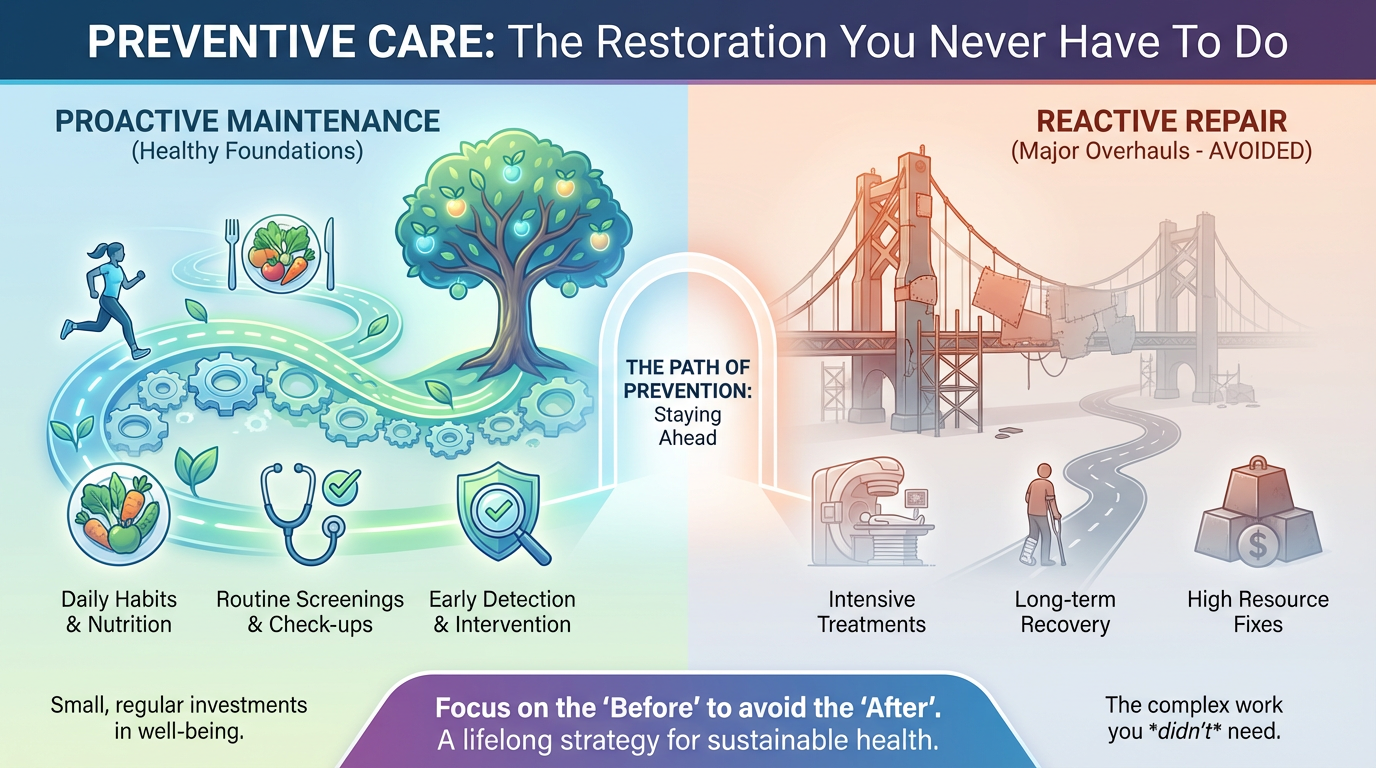
Every serious guide, from the Canadian Conservation Institute’s work on outdoor objects to QuirkShelv’s best practices for collectibles, lands on the same conclusion: preventive care beats any repair.
For figures, that means:
A stable environment. Indoor guides often recommend temperatures in the neighborhood of 65 to 70°F and relative humidity in the 40 to 50 percent range for mixed collections, with some toy and statue guides stretching that comfortably into the low 70s and up to about 60 percent humidity. The exact number is less important than avoiding wild swings.
Protection from light. Direct sunlight is called out repeatedly as a long‑term killer of plastics, paints, and paper. UV‑filtering glass, curtains, and thoughtful shelf placement away from windows make a big difference.
Good storage and display design. Use sturdy, anchored shelves that can handle the weight of resin and polystone. Glass or acrylic display cases keep out dust and curious hands. Do not overcrowd; organizing experts suggest risers and tiers so figures do not lean or touch.
Archival materials. For boxed figures, trading cards, art prints, or mixed collections, acid‑free sleeves, boxes, and tissue prevent chemical damage. This comes straight from conservation literature and modern collecting guides alike.
Handling discipline. Clean, dry hands or gloves, holding figures by robust parts and avoiding unnecessary movement, dramatically extend the life of delicate pieces.
Regular inspection. Museums do semi‑annual checks on outdoor objects; collectors can adopt a similar rhythm, walking the shelves every few months and looking for early signs of cracks, warping, mold, or loose parts.
Preventive care is not flashy, but it is what keeps a resin scale statue or PVC grail looking fresh a decade from now, long after impulse buys have yellowed and warped in someone else’s window.
Short FAQ For The Restoration‑Curious Collector
Q: Is it ever “wrong” to fully repaint an anime figure? A: From a conservation perspective, a full repaint is a major, often irreversible intervention. Ethical guidelines from art and card collecting suggest that heavy alterations are acceptable on personal pieces you never plan to sell, especially if original paint is already severely damaged. If there is any chance of resale, keep repaints subtle, document everything, and disclose clearly. For rare or historically important figures, most conservation‑minded sources would urge restraint and favor preservation or minimal touch‑ups instead.
Q: What is the safest first repair skill to learn? A: Gentle cleaning and basic dusting are universally recommended as the safest high‑impact skills. After that, reattaching very simple, clean breaks on low‑value PVC or ABS figures using small amounts of appropriate adhesive is a manageable next step, especially if you study toy restoration guides that walk through surface prep, alignment, and drying times. Save ceramic breaks, complex multi‑piece shatters, and advanced color matching for professionals.
Q: How do I choose a professional restorer for a figure or statue? A: The same principles used for ceramics and fine art apply. Look for specialists who have experience with your material—porcelain, glass, resin, or plastic—and ask to see before‑and‑after examples similar to your damage. Read reviews or request references, and ask about their process, adhesives, paints, and how they document work. Many reputable studios also offer guarantees on their repairs, as described by services like Repair2Restore, which is a good sign that they stand behind their methods.
When one of your figures breaks, it can feel like losing a tiny piece of the story that made you fall in love with the character in the first place. But with the same patience conservators bring to ancient pottery and museum sculptures, you can often bring that story back to the shelf—sometimes so seamlessly that only you and your restorer will ever know. Treat your collection like a cast of favorite characters: give them a stable “home,” listen to what each piece needs, and when big damage hits, call in the specialists who speak the same language of care.
References
- https://www.academia.edu/84333742/An_Easy_Guide_to_Care_for_Sculpture_and_Antique_Art_Collections
- https://cool.culturalheritage.org/jaic/articles/jaic42-02-010.html
- https://resources.metmuseum.org/resources/metpublications/pdf/The_Care_and_Handling_of_Art_Objects_Practices_in_The_Metropolitan_Museum_of_Art_2019.pdf
- https://blockapps.net/blog/restoration-tips-for-beginners/
- https://jenkins-release.watsonmedia.ibm.com/cookie-toy-story
- https://smart.dhgate.com/essential-tips-to-safeguard-your-collectible-figures-from-damage-and-preserve-their-value/
- https://lakesidepottery.com/Pages/Repairing-restoring-ceramic-porcelain-china-pottery-lessons-tutorials.html
- https://www.repair2restore.com/expert-antique-restoration-giving-new-life-to-old-collectibles/
- https://fineart-restoration.co.uk/case-studies/case-study-repairing-a-pottery-statue-smashed-into-13-pieces/
- https://highemporium.com/blogs/statues-and-figurines/5-steps-to-care-for-and-preserve-your-vintage-japanese-porcelain-figurines