The Rising Trend of Monster Figurines and Their Cultural Significance
Monster figurines have evolved from niche horror kits into mainstream collectibles that blend nostalgia, personal identity, and real-world value. This article explains where the trend comes from, what these monsters mean culturally, and how to collect and display them with intention.
Maybe you started with one cursed spirit from your favorite shonen series, and now every time you look up from your desk you are surrounded by teeth, claws, and twelve different versions of the same slasher. Talk to collectors and you hear the same pattern: the “scary” pieces are the ones people keep, photograph, and willingly pay over retail for because they feel oddly comforting and personal.
From Aurora Monsters to Modern Collectibles
Monster figurines did not appear out of nowhere; they sit on top of almost a century of monster media and merchandise. When Universal’s classic horror films like Dracula and Frankenstein hit television in the 1950s, a wave of “monster mania” blew through suburban living rooms and toy aisles, with kids snapping up vintage monster models and building plastic kits of Dracula, The Wolf Man, and more at kitchen tables. Media scholar Robert Rehak describes this as a broader “monster culture,” where TV packages, drive-in double features, fan magazines, trading cards, and plastic models all fused into a shared subculture of mostly young fans who didn’t just watch monsters; they built and owned them as objects, turning horror icons into everyday household companions.
That early boom created the blueprint for the modern monster merch ecosystem. Rehak’s notion of an “object–text ecosystem” explains how screen stories and physical objects feed each other: films and shows spawn toys and kits, those toys keep the characters alive between releases, and the presence of those objects at home drives loyalty to future entries in the franchise, a pattern visible from Universal’s monsters all the way to today’s game and anime IPs in materializing monsters. When you assemble a monster model or pose a horror figure, you are not just decorating; you are literally extending the story world onto your shelf.
Fast-forward to now and monster figurines are an established category, not a side note. Specialty retailers curate entire sections of horror movie figures, while big licensors like NECA group their own Horror & Spooky collection as a dedicated product ecosystem. Designer-style brands lean into the theme as well, with companies like Super7 marketing full lines of horror action figures in a playful “cringe in terror” tone that treats these monsters as lifestyle decor as much as toys.
Market data backs up what our shelves already know. Business analysis of the horror toy market shows strong growth driven by two forces: seasonal Halloween spikes and year-round collecting and home decor. On mainstream platforms, top-selling horror SKUs range from Purge-style light-up masks moving hundreds of units per month to advent-calendar-style Halloween countdown boxes packed with small figurines, along with horror blind-box action figure sets and premium PVC monsters tied to game and movie IPs. Meanwhile, bulk wholesale data shows that cheap ghosts, zombies, and mini Ghostbusters figures are reliable sellers in small lots, proving that monsters work at both the “$1 bag of creepy stretch toys” level and at the high-end statue level.
Horror has also shifted from a once-a-year October vibe to a year-round identity. Coverage of horror merchandise points out that fans now build full horror wardrobes and room decor, from dresses and jewelry to life-size animatronics and premium sixth-scale figures. A 2020 study from the Association for Psychological Science suggests that horror experiences can help people feel more in control of fear, which helps explain why so many collectors describe their monster shelves as oddly comforting rather than just spooky. When a life-size Art the Clown animatronic or a towering Frankenstein statue parks next to your pastel anime waifus, it is not just contrast for the sake of it; it is a way of saying, “These monsters are part of who I am.”
Why Monsters Matter: Cultural Significance on Your Shelf
The word “monster” comes from roots meaning both “to warn” and “to show,” and Rehak leans on that double meaning to explain how monsters on screen and in plastic embody cultural anxieties while also showing off the craft that brings the unreal to life in monster fan objects. A cinematic creature is always double: it is the fear in the story, and it is the practical effects, makeup, digital files, and sculpting that make it exist. When that creature becomes a figurine, you literally hold those anxieties and that craft in your hand.
Historically, this was already visible when kids glued together Aurora’s Frankenstein and Dracula kits while reading Famous Monsters of Filmland, a magazine that mixed puns, behind-the-scenes effects talk, and mail-order ads for masks, reels, and kits tied to the same icons featured in classic monster models. Today, auction archives for Famous Monsters of Filmland comics and magazines show how these old fan objects have become prized cultural artifacts, not just disposable pulp. Your modern resin demon or PVC xenomorph inherits that same tradition: it is part toy, part miniature monument to a whole era of effects work, fandom, and media history.
On a personal level, monsters are a safe way to play with things that feel dangerous or taboo. That 2020 psychological study on horror found that controlled scary experiences let people rehearse fear and gain a sense of mastery, and monster collectibles extend that process into daily life. A gentle-looking ghost plush from a survival-horror game, a blood-splattered clown figure from a controversial film, or a beautifully painted vampire statue with tragic, book-accurate details all let you explore themes like death, otherness, and belonging in a form you can arrange and rearrange. Sideshow’s original horror-inspired statues, for instance, depict figures like Frankenstein’s Monster in rich, narrative dioramas that underline his loneliness and desire to belong rather than just his brutality, turning a shelf piece into a reflection on what it means to be seen as “monstrous” at all.
For anime fans, monster figurines also blur the line between “villain” and “comfort character.” A cursed spirit from Jujutsu Kaisen, a demon from Demon Slayer, or a twisted kaiju-style villain standing next to your heroes physically encodes the idea that the story needs its monsters to feel complete. The antagonists often get more dynamic sculpts, wilder silhouettes, and more creative paint work, so they dominate photos and become anchors for a display. In that sense, having monsters on your shelf is not just about loving horror; it is about embracing complicated characters and feelings rather than hiding them.
Collecting Smart: Choosing Monsters with Meaning and Value
Monster figurines span a huge range, from $10 impulse buys to multi-hundred-dollar statues. Understanding the basic “species” helps you build a collection that matches your budget, your storytelling style, and, if you care about it, long-term value. Debates among collectors often center on NECA versus McFarlane: McFarlane’s classic Movie Maniacs era raised the bar for gritty, statue-like sculpting in the late 1990s, while NECA ran with that legacy by combining detailed sculpts with high articulation, movie-accurate paint, and accessory-heavy “Ultimate” releases for characters from franchises like Halloween and The Thing. Both usually sit in the roughly 40 range for standard figures, but NECA’s focus on poseability and diorama parts makes them especially popular for toy photography and display, whereas McFarlane’s older horror pieces feel more like mini statues that you pose once and then just admire.
Here is a quick way to think about the main categories you will run into.
Type of monster piece | What it feels like on the shelf | Best if you want | Trade-offs |
|---|
Articulated action figure | Poseable, scene-friendly, lots of accessories | Recreating movie or anime moments, photography | More joints to loosen, more fiddly to dust and pose |
Premium statue or sixth-scale | Centerpiece art object with intense detail | One or two “wow” pieces that define a display | Expensive, heavy, usually needs serious space |
Vintage or retro figure/model | Nostalgic artifact with old-school sculpt and packaging | A link to classic monster culture and history | Fragile, pricey in good condition, harder to find |
Blind box, countdown, mini set | Swarm of small creatures, great for seasonal setups | Daily unboxing thrill and playful decorations | Easy to overbuy, value depends on full sets |
If you care about secondary-market prices, condition and completeness matter a lot. A detailed price guide to horror movie action figures shows that mint-in-box (MIB) examples of desirable monsters often sell for about two to four times what a loose, incomplete version brings. Individual highlights include items like Hasbro’s 14 inch Cloverfield monster at roughly $800 MIB and vintage 1970s Mego Mad Monsters figures such as the Mummy and Dracula that can reach the high hundreds in pristine packaging. Large pieces like NECA’s Bride of Chucky dolls and big 18 inch Predators and Pumpkinhead figures sit in the 600 MIB range, while designer pieces like a 1000% Pennywise BearBrick can command around $750. Put simply, if a loose incomplete figure is worth $100, a complete, boxed copy from the same line might realistically be a $300 or $400 item.
Obscurity and packaging can matter just as much as the toy itself. Long-time horror hunters on auction sites describe obscure 1980s monster toys where the sculpt is basically “dollar-store tier,” but the haunted-castle card art or intact movie branding pushes asking prices into the hundreds of dollars. In some cases, collectors pay more for the cardboard and logo than for the plastic. Watching how many people “follow” or “watch” a listing, even for something priced around $25, is a quick gut-check on demand: a modest vintage monster figure with a double-digit watcher count is rarely truly “common.”
At the other end of the spectrum, horror toy market data shows mass-market monsters that are less about long-term value and more about vibe and volume. Amazon-style bestseller lists for horror toys are topped by affordable masks, scented voodoo squeeze dolls, stretchy zombies, and horror-themed advent calendars filled with tiny figurines, many of them selling in the dozens or hundreds each month at sub-$30 price points. These are perfect for seasonal decorating, office desks, or filling the gaps between your grail pieces, even if they never crack a price guide.
The practical takeaway is simple: let meaning lead, and let value be a bonus.
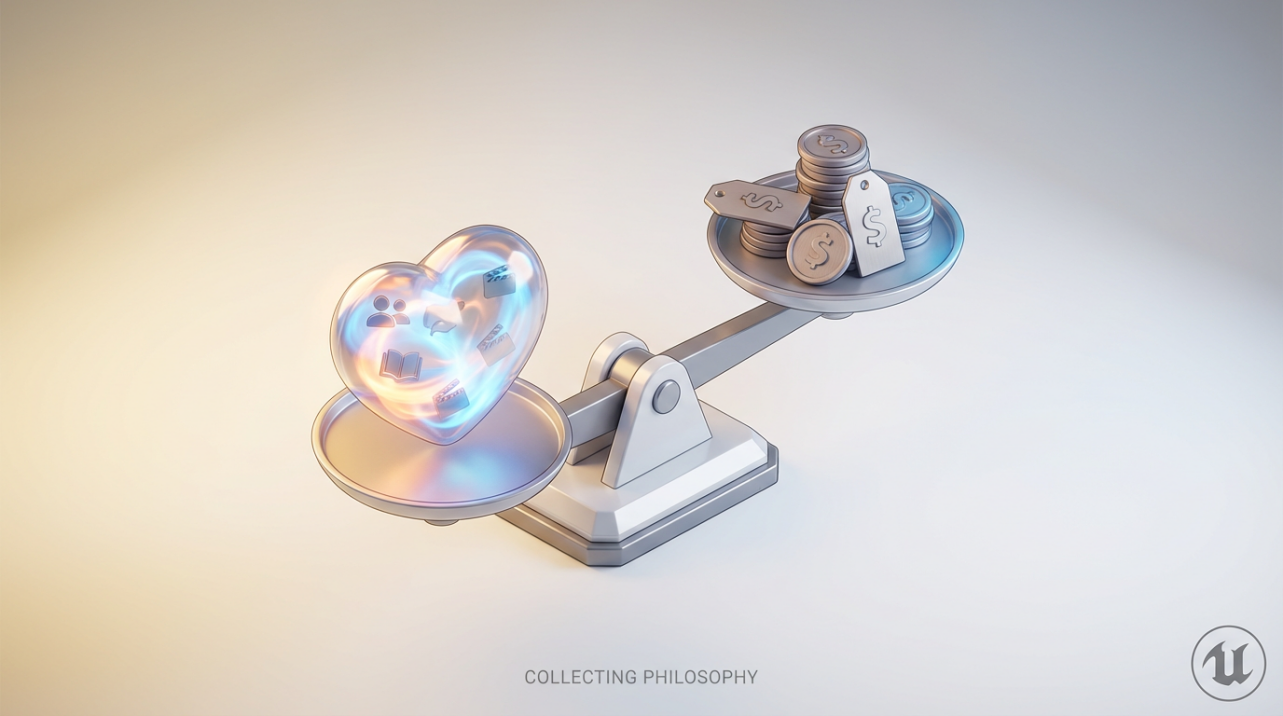
Pick some monsters because they anchor key parts of your identity or favorite stories, and sprinkle in a few carefully chosen pieces that are limited, highly accessorized, or vintage if you enjoy the treasure-hunting side of collecting. That mix tends to age well both emotionally and financially.
Care and Display: Keeping Your Monsters Mint and Magical
Once monsters move in, the biggest threat is not ghosts; it is sunlight, dust, and gravity. Collectors who treat their figures as long-term art pieces focus first on environment. Guides to optimal care for anime figures stress keeping PVC and resin statues in cool, dry, stable rooms away from direct sunlight and heaters, since UV light slowly fades paint and high heat can warp or weaken plastic. Broader statue-care advice points to a comfort zone around 59–77°F with moderate humidity, plus enclosed display cases that reduce dust and protect from accidental bumps. A basic thermometer–hygrometer combo on the shelf is more useful than a fancy new pre-order if you want your existing monsters to survive for years.
Handling is the second big factor. High-detail pieces, especially in 1/6 scale or with fabric elements, are often treated almost like mini fashion dolls or museum maquettes. Care guides for premium figures recommend washing and drying your hands before touching anything, avoiding pressure on thin limbs, horns, or weapons, and using the included stands or bases so the figure’s weight is properly supported rather than resting entirely on small ankle joints. Anime-focused resources line up with superhero and horror figure advice here: move joints gently, do not leave a figure in an extreme pose for months, and use a soft, clean microfiber cloth or makeup brush for dusting instead of harsh chemicals that can strip paint or cloud clear parts.
Storage and accessories are where a lot of hidden value lives. Articles aimed at mint-condition collectors emphasize keeping original packaging, inserts, and all accessories together, because a complete figure with every alternate hand, head, and prop tends to bring the strongest prices in horror-focused price guides and buy lists for horror movie action figures. For everyday sanity, it helps to label small containers for extra parts and to set a simple inspection routine, maybe once every few months, to check for leaning poses, sticky plastic, or early discoloration so you can fix problems before they become permanent. If you ever need to pack things away, reusable clamshells and foam inserts from the original box are your best friends.
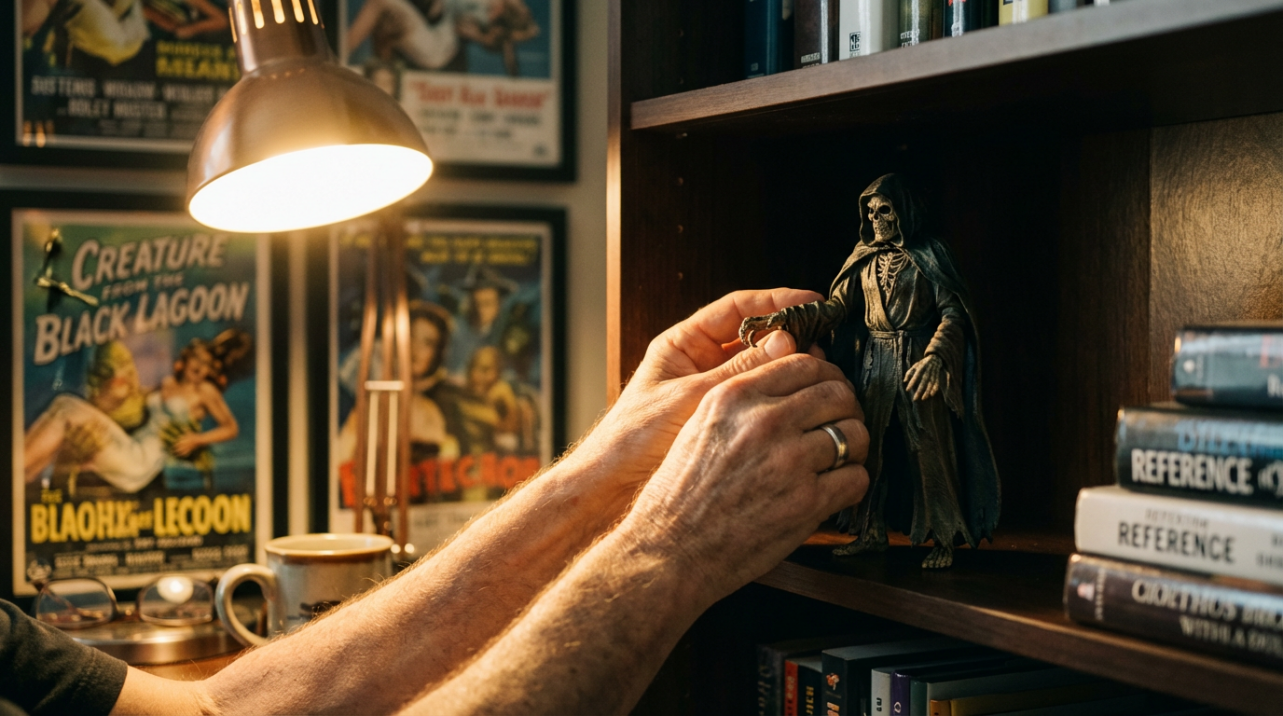
Display is where the monsters really start telling stories. Styling tips from horror-decor specialists suggest thinking in clusters rather than rows: group creatures by color, mood, or texture so that a slime-green kaiju, a neon streetwear demon, and a translucent specter feel like a coordinated “toxic glow” mini-theme rather than random clutter. Shadow boxes and frames work well for flat pieces like pins, patches, and ticket stubs, while shelves handle larger figures and busts. Spreading horror elements throughout the home or room, instead of isolating them on a single “scary shelf,” keeps spaces from feeling too heavy and lets small monsters pop up as surprising details next to plants, books, and more traditional art.
A practical example brings it together. Imagine you have a PVC demon slayer on a windowsill and notice the whites of the eyes yellowing after a couple of summers. Moving that figure into a glass-fronted cabinet away from direct sun, adding a small silica gel pack at the bottom, and dusting gently every few weeks will dramatically slow down further fading or warping. Meanwhile, the now-empty windowsill becomes a perfect spot for a cheaper, seasonal resin pumpkin or stretchy ghost that you will not miss if the sun eventually takes its toll.
Monster Figurine FAQ
Are monster figurines a good investment or just for fun?
Both, but they are much more reliable as joy machines than as retirement plans. Market guides to horror movie action figures and business data on horror toys show that certain pieces, especially limited releases, accessory-heavy figures, and mint vintage monsters, can reach the high hundreds of dollars, while mass-market masks and minis often stay in impulse-buy territory. If you buy figures you love, store accessories and boxes, and protect them from sun and damage, you keep the door open to strong resale later without turning collecting into day trading.
How do you balance cute anime figures and truly scary monsters in one display?
Think in terms of mood “chapters,” not strict fandom walls. One shelf might pair a pastel magical girl with a single elegant vampire statue to create a “beauty and the beast” vibe. Another might group all your blood-splattered slashers with the darkest shonen villains as a full-on horror corner. Using risers and color coordination helps the eye read each group as its own story, so your gentle slice-of-life casts and your nightmare fuel feel like different episodes in the same anthology rather than a personality crisis.
A monster shelf is basically a tiny, permanent Halloween that lives with you all year, reminding you of the stories, scares, and weird comforts that shaped you. Curate it with intention, treat the pieces like the little art objects they are, and your collection will not just rise with the monster figurine trend; it will outlast it.