Understanding the Causes of Color Fading in Plated Figurines
Color fading in plated figurines mostly comes from light, air, and environmental conditions slowly damaging thin metal layers, paints, and protective coatings, but thoughtful display and care can slow that loss of shine.
You know that mini-heartbreak: the gold halo on a beloved 1/7 scale heroine used to blaze on the shelf, and now it looks more like a dull yellow ring, while the "chrome" sword has gone patchy and uneven. After watching countless figures and metal statues age, and borrowing tricks from museum metals and outdoor-sculpture coatings, it becomes clear that fading almost never "just happens"—it is the predictable result of a few repeatable conditions.
What Color Fading Really Means on Plated Figurines
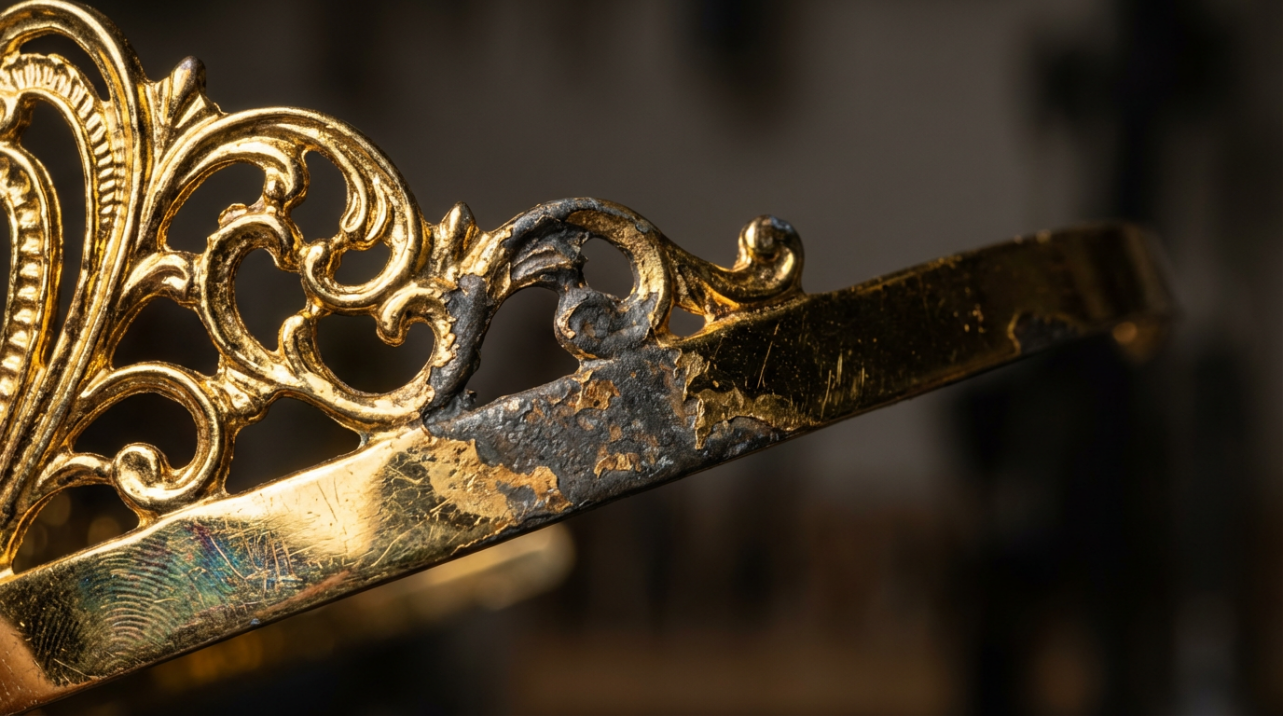
When a plated figurine "fades," a few different things might be happening at once. Sometimes the pigments in the colored coating are literally breaking apart under light, so the hue drifts or washes out even though the clear binder is still there, a behavior well documented in work on color stability in coatings on large outdoor sculptures. colour stability in coatings In other cases, the metal itself is reacting with the environment and forming a thin, darker surface layer—patina or tarnish—so the bright plated tone shifts toward brown, gray, or even black. You can also get plain mechanical wear, where the ultra-thin plated layer gets rubbed off on high points, exposing a different-colored base metal underneath.
Plated figurines are especially vulnerable because that shiny layer is very thin and only protective while it stays continuous. Conservation guidelines for metal objects note that plated metals protect the core only as long as the plating is not broken or worn; once it is breached, corrosion can creep in from exposed spots and then spread under the finish. Ch05 corrosion types Combine that with tiny sculpted edges—armor trim, tiaras, weapon details—that catch fingers and dusting cloths, and you get a recipe for uneven dulling and color shift over just a few years of display and handling.
Light: The Quiet Boss Fight Behind Fading Metal Finishes
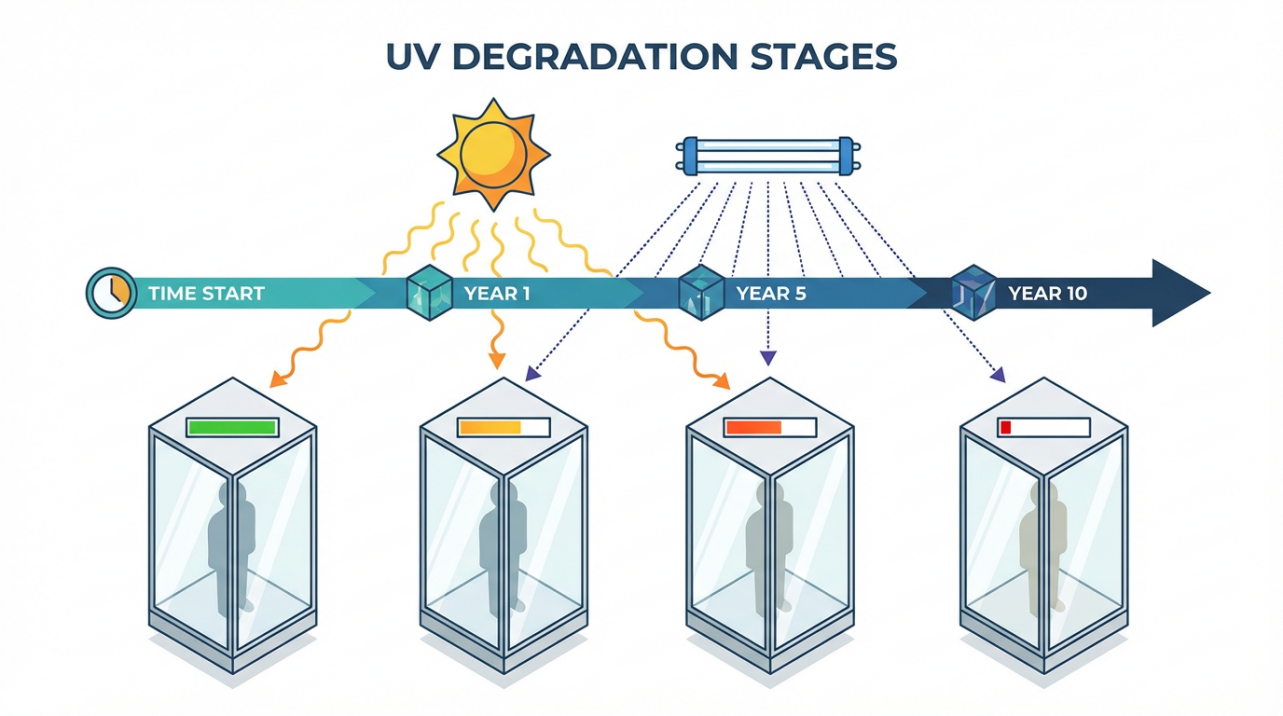
The single biggest villain for bright, plated-looking colors is light, especially ultraviolet. Research on highway-scale "Red Stick" sculptures found that when vivid coatings soak up UV, their organic pigments undergo irreversible chemical changes that shift color, even when the underlying protective film is still performing mechanically. Reds in particular take a beating because their pigments absorb more of that high-energy light, which is why older bright red metalwork so often drifts toward chalky orange or dull brick. On a figure, that can translate into a once-deep crimson cape trim or metallic magenta base that gradually turns flat and washed out.
You see the same pattern in outdoor resin statues. Many mass-market resin ornaments use cheaper dyes and paints, and their reds turning pink and blues going gray after a single summer in full sun is a classic warning story. resin lawn ornaments Collectors who rescue those pieces and seal them with UV-protective spar urethane or varnish find the colors hold up far longer in the exact same yard, which underlines how brutally fast unfiltered UV can strip saturation from surface coatings.
Plastic-based collectibles add another layer: the base material itself can yellow from photodegradation, shifting the apparent color of plated or metallic parts attached to it. Toy historians describe how ABS plastics slowly oxidize under UV and oxygen, leading to irreversible yellowing or browning, and even note that the same figure can age differently in different spots. off-color plastic in 80s toys Documentation on photodegradation in toy plastics points out that this damage can occur under both sunlight and fluorescent lighting, and that even long-term darkness does not fully stop the underlying chemistry. For a plated figure standing next to those yellowing parts, the contrast makes the metal finish look off-color long before it truly fails.
Even "safe" indoor setups can be harsher than they look. Strong fluorescent lighting used for bright display cases has been flagged by manufacturers as a cause of fading in figure colors over time, and long days in a sunlit room can cook both paint and plastic even if the piece is not directly on a windowsill. Put all that together, and the rule of thumb becomes simple: every extra hour of strong light is another tick off your color health bar.
Chemistry on the Surface: Tarnish, Patina, and Plating Wear
Metallic finishes do not just lose brightness; they chemically evolve. Tarnish and patina are thin reaction layers that form when metals meet air, moisture, and pollutants, creating surface compounds that darken the color. On silver, that might mean a drift toward yellow-brown-black; on coppery alloys, it can head into rich browns or even greenish tones. Jeweler-focused explanations stress that this patina can be purely surface-level and even protective, adding visual depth, but it undeniably shifts the apparent color away from the original mirror-bright plating.
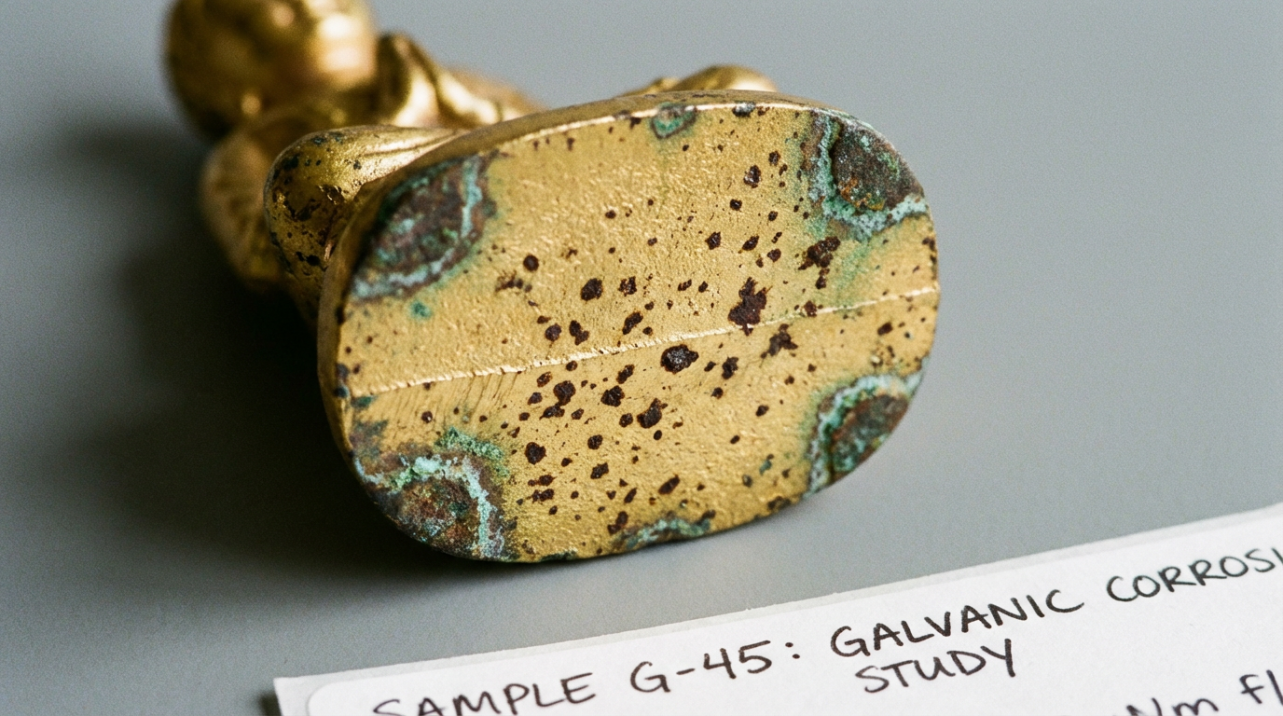
On plated pieces, this is complicated by the base metal. Many decorative objects and statues use a copper alloy core with a thin layer of gold or silver on top; conservation notes underline that once the plating develops pores or wear spots, galvanic corrosion between dissimilar metals and the environment will attack the more reactive metal, often from those tiny breaches outward. Life Cycle Predictions for Coating Systems In practice, that looks like speckling or shadowy stains on formerly even gold areas, or odd color halos where the base metal starts influencing what you see through the remaining plating.
Handling and everyday chemicals accelerate all of this. Museum-oriented guidance warns that fingerprints carry chloride salts and skin oils, which can etch into metals and act as miniature corrosion cells if left in place. the secret agents of deterioration For plated surfaces as thin as those on jewelry or small statues, repeated contact with bare fingers, perfumes, and cosmetic products can permanently stain or abrade the finish, exactly as gold-plated brass jewelry quickly oxidizes and discolors when exposed to sprays and lotions. The same logic applies to a plated anime figure's faceplate or staff: that one habitual touch point where you lift it in and out of the case will dull first.
Hidden Enemies in Your Display Setup
Light is only half the story; environment quietly stacks status ailments on your collection. Preservation guidelines for mixed collections highlight that attics and basements are some of the worst storage spots thanks to high heat, humidity swings, and poor ventilation, all of which push corrosion, warping, and sticky surfaces. Figure manufacturers echo that hot, humid spaces can make materials degrade rapidly, to the point where plastics exude plasticizers and surfaces feel tacky. When that happens on or around plated parts, dust and pollutants adhere more strongly, creating uneven films that dull shine and sometimes stain.
Display furniture and packaging materials can also work against you. Conservation work describes "off-gassing," where woods, certain paints, adhesives, and plastics slowly emit volatile organic compounds that can chemically attack nearby objects over time. A gorgeous dark-wood cabinet lined with low-grade foam might quietly bathe your figurines in reactive vapors, encouraging both metal tarnish and plastic discoloration. Closed microenvironments are powerful tools only when they use low-VOC materials; otherwise, you have simply built a small gas chamber for your grails.
Sealed boxes feel safe, but they are not a magic shield against fading either. Collectors of transforming robot toys have documented figures yellowing inside unopened packaging, and even re-yellowing after experimental bleaching treatments. Some manufacturers now explicitly advise owners to unbox, inspect, and store figures in well-ventilated spaces away from strong light, rather than leaving them entombed where problems can quietly worsen out of sight. The same principle holds for plated figurines: a box can hide early tarnish or plating failure until it is too late to get support or an easy fix.
Practical Ways to Slow Fading on Plated Figurines
The good news: you cannot stop time, but you can slow your figurine's color loss enough that it ages gracefully rather than collapsing into a cautionary tale. Start with light. Following the logic of outdoor coatings research, where careful pigment selection and UV-resistant systems dramatically improved long-term color retention compared with earlier generations of paint, you want to give your existing finishes the least practical UV exposure while still enjoying them. That usually means placing display cases away from windows, using curtains or UV-filtering films in bright rooms, and dialing down harsh overhead fluorescents in favor of gentler, indirect lighting for everyday display.
Next, stabilize the environment. Borrowing from museum storage practice, aim for a cool, dry, clean space rather than an attic, garage, or damp basement. Air-conditioned rooms that avoid extreme swings are ideal; glass-fronted cabinets reduce dust while still breathing a bit, especially if you leave tiny gaps or occasionally crack the doors. Avoid lining shelves with foams or woods that have a strong odor unless you know they are designed for archival use, and think twice before wrapping figures in clingy plastics that might off-gas around metal parts.
Cleaning technique makes a surprisingly big difference to color life. Experiments comparing home brass-cleaning methods show that gentle agents—like mild toothpastes, lemon juice, or commercial polishes—can restore shine without aggressive abrasion, as long as they are used with soft cloths and rinsed thoroughly. How to Shine and Clean Brass Items at Home For plated figurines, that translates into dusting with soft makeup brushes or microfiber, avoiding scouring pads or harsh powders, and spot-treating tarnish rather than scrubbing entire surfaces. Remember that every stroke on a high point is a chance to thin the plating, so the goal is always the minimum effective cleaning, not a mirror finish at any cost.
You can also add a "sacrificial shield" over vulnerable metal sections. Metalworkers and museum professionals have long used microcrystalline waxes on decorative metals to slow tarnish by adding a thin, clear barrier between the metal and the air, a strategy echoed in jewelry-focused clear coatings that promise to block oxidation while preserving existing shine and patina. Outdoor resin enthusiasts do something similar with spar urethane or UV-resistant varnishes, sprayed in multiple light coats to protect the underlying paint from sunlight. On a plated figure, small, non-contact areas—like the back of a crown or base trim—are the safest zones to test any coating before committing, and food-contact or frequently handled parts should be left uncoated unless you are following product-specific safety guidance.
Professional restoration is the final option when fading or plating loss is advanced. Studios that specialize in gilded and gold-plated decorative object restoration focus first on careful cleaning, then on selectively renewing worn areas so the new gold harmonizes with the older surface rather than looking artificially fresh. gilded and gold-plated decorative object restoration That same philosophy works well for fandom pieces: if a centerpiece statue's plated armor has visibly thinned or picked up deep stains, it is often better to let an expert evaluate whether localized replating, waxing, or simple stabilization is safest, especially if the piece has real monetary or emotional weight.
Here is a quick at-a-glance view of the main villains and counters:
Cause | What it does to plated color | Typical clues | Helpful responses |
|---|
Strong light and UV | Fades pigments, shifts reds, yellows plastics | Pinked reds, dull metallics, yellow bases | Reduce sun and harsh light, add UV-protective layers |
Humidity and heat | Speed up corrosion, sticky surfaces, dust adhesion | Tackiness, uneven dull spots | Cool, dry rooms; avoid attics and damp basements |
Pollutants and off-gassing | Promote tarnish and unusual staining | Smells from cabinets, localized discolor | Low-VOC displays, occasional airing, gentle cleaning |
Abrasive handling/cleaning | Physically thins or breaks plating | High points turning base-metal color | Soft tools only, minimal scrubbing, spot care |
FAQ
Does keeping a plated figurine in the box prevent fading?
Not reliably. Documented cases of toy plastics yellowing inside sealed packaging show that internal chemistry and residual light exposure can still cause significant color change over time. Manufacturers also warn that hot, humid, unventilated storage accelerates deterioration, so a boxed figure in a closet over a warm summer can quietly suffer more than one displayed in a cool, controlled cabinet.
Is it safe to aggressively polish dull gold-plated areas back to a mirror shine?
Only with extreme caution. Experiments on brass demonstrate that even household acids and polishes can remove material quickly, and repeated polishing sessions shorten the life of thin decorative finishes. How to Shine and Clean Brass Items at Home Because plating on figurines is usually thinner than on tableware, heavy polishing risks going straight through to the base metal; gentler methods, microcrystalline wax, or professional assessment are usually better options for important pieces.
Color change is part of the story of every plated figurine, but it does not have to be a tragedy. Treat those gold halos and silver spears like tiny museum objects—protect them from harsh light, keep their air clean and calm, handle them like relics instead of toys—and they will reward you with a slow, graceful aging arc instead of a sudden fade to gray.