Understanding the Causes of Figure Degradation Over Time
This article explains why plastic figures gradually yellow, lean, crack, or turn sticky and how your everyday display and storage choices can keep them looking good for decades.
The plastics in figures do not secretly have an expiration date, but they slowly react to light, heat, humidity, and their own additives, which is why collections yellow, lean, crack, or turn sticky over the years.
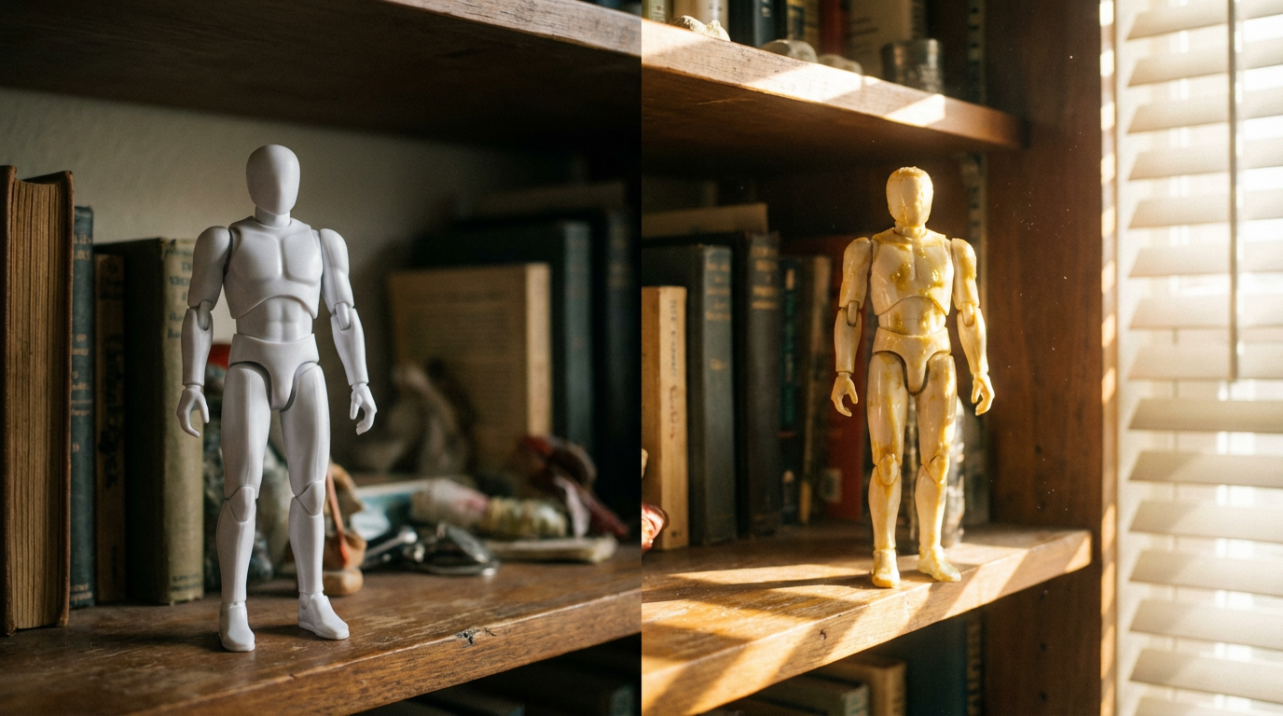
You wake up one day, glance at your shelf, and realize your pristine white trooper now looks like a banana while your favorite spear or sword is drooping like it pulled an all-nighter at a convention. Collectors who learn how different plastics age and how much the room environment matters routinely keep figures display-ready for decades instead of watching them sag and stain after a few summers near a sunny window. This guide breaks down what is actually happening to your figures and the specific habits that slow that process to a crawl.
What Figure Degradation Really Is (and Isn't)
Plastic in general breaks down extremely slowly in the environment, taking far longer than a human lifetime to fully decompose, which is why landfills and oceans stay clogged with it, as described in overviews of how long plastic takes to break down. Your PVC or ABS figures are part of that story: they are not going to quietly crumble into dust on your shelf anytime soon. What “dies” first is not the figure’s existence but its appearance and feel, as colors shift, surfaces turn sticky or chalky, joints loosen, and once-clear parts grow cloudy.
Guides on how long action figures last point out that, with reasonable care, figures usually outlast their owners, yet visible wear is expected over time. Typical aging looks like loose joints from repeated posing, white or light plastic yellowing, paint fading, increased brittleness, rust on internal screws, and rubber or faux-leather parts drying and cracking. None of these means the figure is “dead,” but they do change how proudly you want it front and center in a display.
Some of the most unsettling changes are sticky surfaces and yellow armor that seem to appear out of nowhere. Collectors discussing figure aging have linked this to plasticizers, the additives mixed into softer PVC to keep it flexible, which can slowly migrate out and leave a tacky surface that eventually hardens once the plasticizer is gone. Community reports also show that even mid-2000s figures can develop noticeable yellowing or stickiness within about a decade when stored poorly, so time alone is not the villain; it is time plus conditions.
Why Figure Materials Age Differently
Modern figures are built from a blend of materials rather than a single “magic plastic.” Overviews of action figure design and collector-focused materials guides explain that most lines mix PVC and ABS for the body, with vinyl, resin, metal, and rubber or pleather filling in specific roles for capes, bases, and accessories. That mix is what gives you crisp hair strands, rigid ankles, flowing skirts, and hefty weapons, but each ingredient ages along its own path.
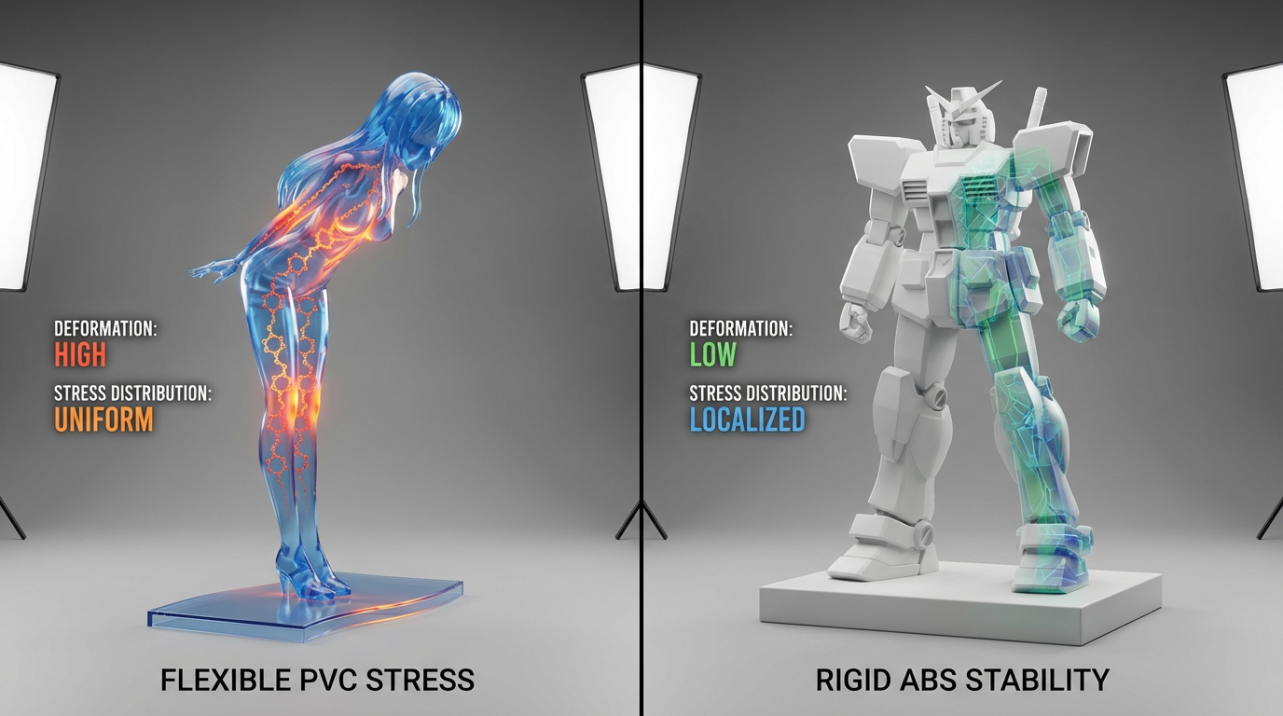
Materials comparisons for figures note that PVC is the workhorse of the hobby: it is cheap, molds easily into complex shapes, and takes paint well, which is why so many anime scales and prize figures rely on it for hair, clothing folds, and dynamic poses, as outlined in PVC vs ABS vs vinyl vs resin. The downside is that PVC softens under heat and pressure, so tall characters on thin supports slowly lean, and softer formulations are more prone to plasticizer leakage and sticky surfaces. ABS plays the opposite role as the rigid backbone used for torsos, limbs, and internal frames; it resists bending and keeps shapes sharp, but when it finally gives up it tends to crack rather than gently deform, especially after too much sunlight and stress.
Collector-oriented breakdowns of what materials figures are made of add vinyl, resin, die-cast metal, and rubber into the picture, highlighting how each brings its own aging quirks. Vinyl is common in larger or stylized figures and feels soft and substantial but can get heavy and place more strain on joints and bases. Resin delivers extreme sculpt detail for statues but is brittle enough that one bad fall can be game over. Rubber and pleather add realism to belts, boots, and straps yet are notorious for drying, cracking, or turning gooey over time if light, air, and temperature swings are not controlled.
To make this concrete, here is how the main materials usually behave over a long shelf life.
Material | Typical use | Common aging behavior |
|---|
PVC | Detailed parts, hair, clothing, many bodies | Softens in heat, can lean or warp, may exude plasticizer and feel sticky before hardening |
ABS | Structural parts, joints, internal frames, bases | Stays rigid, may turn brittle and crack under stress or after prolonged UV exposure |
Vinyl | Large stylized bodies, some heads and capes | Heavier load on joints and stands, can become brittle or deform if poorly supported |
Resin / polystone | High-end statues, garage kits | Holds fine detail but chips and shatters easily when dropped or knocked |
Rubber / pleather | Tires, straps, clothing, hoses | Tends to dry, crack, or become sticky with age and environmental stress |
If you have ever seen a tall PVC scale slowly tilt on a thin PVC peg while a stout ABS-based mecha next to it stands firm, you have already watched this table play out in real life.
Environment: The Silent Co-Author of Every Paint Chip
Preservation guides for vintage and modern figures consistently stress that how and where you keep them matters more than almost anything else, since sunlight, heat, humidity, and dust can warp limbs, fade plastic, peel paint, and loosen joints even when a piece is technically “mint,” as highlighted in care guides for action figure collections. UV light is a particularly nasty boss battle: it can yellow whites, fade printed card art, and weaken bubble plastic and adhesives so that blisters crack or fall off, instantly turning a “mint on card” figure into just another loose one.
A good rule of thumb is to treat figures like people: they are happiest in a comfortable, stable room, not an attic or damp basement. Collectors documenting how long figures last recommend roughly 60-75°F and about 35-50% relative humidity, mirroring human comfort and avoiding both soggy and desert-dry extremes. Throwing figures into a hot garage or unheated storage unit means repeated cycles of expansion and contraction that fatigue plastics, fog clear parts, and weaken package glue far faster than calm, climate-controlled living-room air.
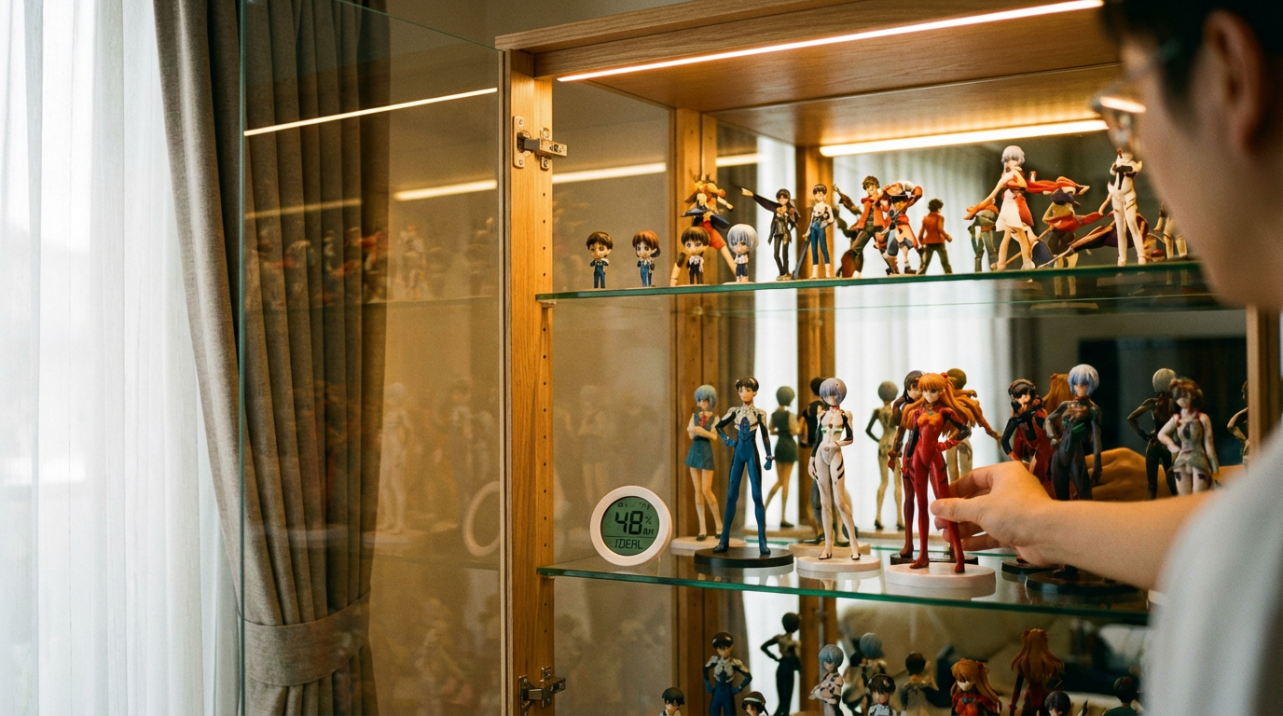
Humidity alone is a whole subplot in figure aging. High humidity feeds rust on screws and pins, encourages mold in cardboard boxes and foam inserts, and can make painted surfaces more likely to peel or bubble. On the other side, very dry air slowly sucks life out of rubber tires, hoses, and faux-leather parts so they crack instead of flex. Maintenance guides for plastic figures suggest using silica gel or other desiccants inside cases and storage boxes to keep moisture in check and recommend regular checks and gentle adjustments when joints start to feel stiff, as described in step-by-step care for plastic figures. Even a small change, like moving your Detolf away from a window and adding a cheap hygrometer to the room, can dramatically slow how fast your squadron of pilots or magical girls starts to show age.
Storage Choices That Speed Up or Slow Down Degradation
How you display figures makes a visible difference in how they age, even when they share the same room. Companies that specialize in display solutions emphasize that UV-protected acrylic cases guard against fading, yellowing, dust, fingerprints, and accidental bumps, making open-air shelving the riskiest option for long-term value, as explained in advice on storing and displaying action figures without decreasing value. A well-sized case that gives a bit of breathing room around antennas, weapons, and card edges avoids permanent bends and rubs, especially for taller or oddly posed characters.
For sealed collectors, original packaging is both a shield and a trap. Storage recommendations for mint-condition collectibles stress that keeping items sealed usually preserves the most value, but they also point out that cardbacks and blisters were never engineered to last several decades and are vulnerable to heat, UV, and crushing, as noted in best practices for mint-condition storage. Cardboard can warp or discolor, bubble plastic can yellow and crack, and dried glue can suddenly let go, so upright storage in sturdy, acid-free boxes with minimal stacking is far safer than teetering towers in a hot closet.
One of the more counterintuitive causes of degradation comes from trying too hard to seal everything away. Discussions of figure life expectancy describe how fully airtight boxes or bags can trap off-gassed chemicals and plasticizers, creating a sticky film on figures over time, especially for soft PVC parts, and suggest that long-term airtight storage may do more harm than good unless you occasionally let figures “breathe.” Practical storage setups often split the difference: controlled rooms, enclosed but not perfectly airtight cases, and, for sealed figures with rubber or leather elements, small ventilation gaps or periodic opening so they are not marinating in their own fumes for years.
Chemical Interactions Between Materials
Long-time modelers and figure fans have seen that different plastics do not always play nicely when pressed together for years. Collectors with kits reaching back to the 1960s have reported soft vinyl tires melting into hard plastic hulls where they touched, as well as vinyl figures that became unexpectedly brittle and cracked at joints the moment someone tried to re-pose them after long storage. Those experiences line up with material guides that describe how rubbery and vinyl elements are far more sensitive to light, air, and temperature swings than rigid plastics and need gentler conditions to age gracefully. The upshot is that a vinyl cape wrapped tightly around a painted ABS leg in a hot box is asking for shiny imprints, stickiness, or surface damage where they meet.
Soft goods and pseudo-leathers add their own chaos. Pleather holsters and belts can slowly break down and stick to nearby plastic guns or armor, threatening to lift paint or soften surface detail right where you want it crisp. Rarely is the issue just one material “going bad”; it is the chemical handshake between them under the wrong humidity or temperature. This is why many preservation tips recommend storing accessories separately in inert bags and avoiding long-term pressure points where soft items press into hard plastic.
Another subtle chemical concern shows up when you mix older and newer pieces. Early plastics and older rubber formulas age differently and sometimes off-gas more aggressively, which can stain or fog newer figures sharing the same unventilated box. If you are building a crossover display with vintage robots, modern anime heroines, and resin garage kits all squeezed onto one shelf, separating the most fragile or oldest materials and giving them extra breathing room is not overkill; it is long-term self-defense for your whole cast.
Habits That Keep Figures Looking Fresh for Decades
The good news is that most causes of figure degradation are slow and predictable, which means small, consistent habits make a huge difference. Care guides for action figure collections emphasize one simple rule for light: no direct sun, ever, and minimal harsh indoor lighting, because UV exposure is a major culprit behind fading plastic and packaging. Placing shelves away from windows, using curtains or blinds, and choosing cool LED strips instead of hot bulbs around display cases can dramatically cut down yellowing and warped limbs over the long run.
Climate and placement are the next levers. Discussions of figure longevity recommend keeping collections in stable, climate-controlled rooms, not attics, garages, or damp basements, with temperatures around 60-75°F and moderate humidity that avoids both soggy and bone-dry extremes. Broader collectible storage articles echo this, pointing to climate-controlled environments as foundational for avoiding warped packaging, cracked plastic, and mold growth, reinforcing the value of investing in mint-condition storage setups. Inside display cases or storage bins, a handful of silica gel packets refreshed a few times a year helps keep humidity in the sweet spot, especially in climates that swing between sticky summers and dry winters.
Cleaning and handling are where collector love either protects or accidentally speeds up aging. Maintenance guides for plastic figures recommend gentle routines: dust regularly with a soft brush or microfiber cloth, do occasional deeper cleanings with a cloth lightly dampened in diluted mild soap and warm water, and avoid spraying cleaners directly on the figure or using harsh chemicals, as explained in step-by-step guides for maintaining plastic figures. Using distilled water for frequent cleaning avoids mineral spots, and testing any polish or wax on a hidden area first reduces the risk of clouding clear parts. Clean, dry hands or light cotton gloves prevent oils and lotions from slowly staining paint or soft PVC.
Regular check-ins turn you from a passive owner into an active curator of your own tiny museum. Figure care articles suggest monthly or periodic inspections to spot color loss, joint stiffness, or scratches so you can act before problems spread, and they even recommend tracking observations in a simple list or spreadsheet for larger collections. Display-focused resources add the idea of rotating which figures are in the limelight and which rest in safer dark storage, cutting cumulative light exposure and dust while also keeping the collection feeling fresh.
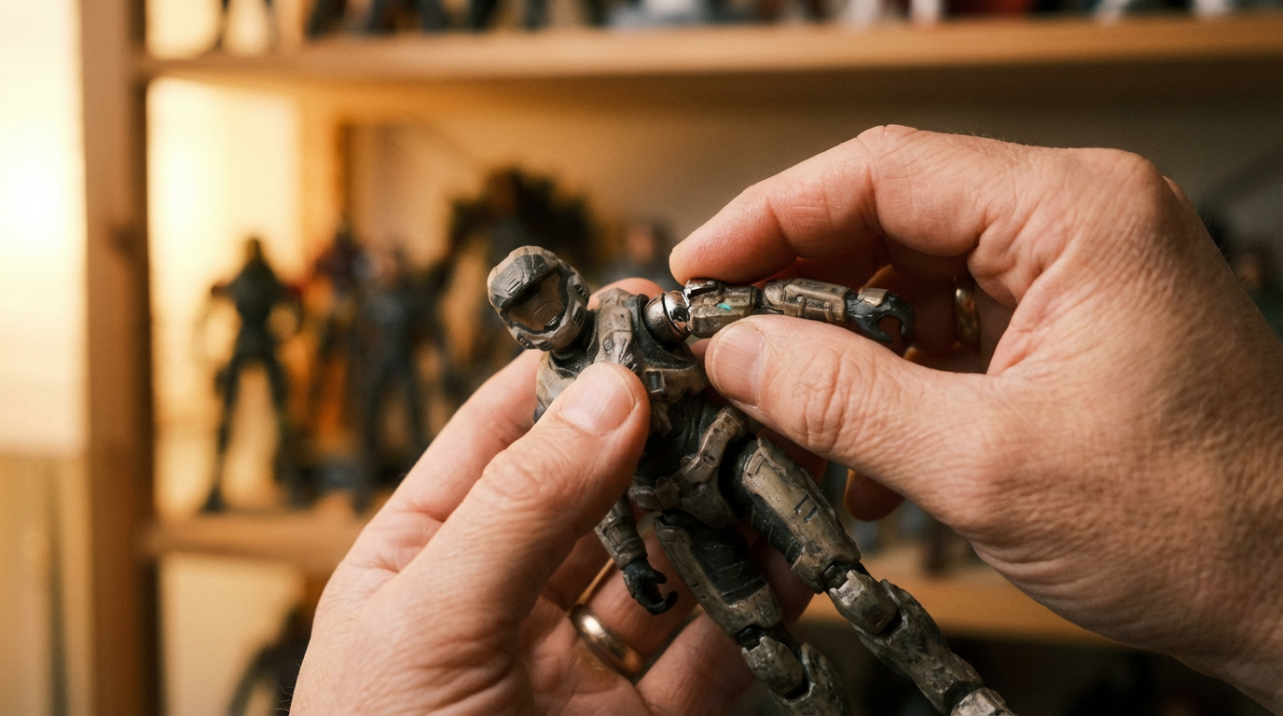
Finally, posing and articulation deserve respect. Production-focused looks at common action figure damage explain that joints are already stress points from the factory, and cheap plastics or bad molding temperatures can produce joints that are either too loose or too brittle, with temperature extremes during transport increasing the odds of cracks and warps, as discussed in breakdowns of frequent damage to action figures in production. On the collector side, that means avoiding extreme poses that torque ankles or knees for years on end, using stands or supports for heavy or off-balance characters, and applying only tiny amounts of appropriate lubricants to stiff joints rather than forcing them. Treat every re-pose like adjusting a favorite book's spine: do it, enjoy it, but do not yank.
FAQ: Common Collector Panic Moments
Do my figures have a fixed “expiration date”?
Collector discussions and longevity guides agree that there is no simple countdown timer on a figure’s life; plastic decomposition is so slow that most figures, even from the early 2000s, structurally outlast their owners, as framed in expected lifespan threads and action figure longevity articles. What “expires” first is the look: yellowing, leaning, sticky surfaces, cracked rubber, and tired packaging. Your goal is not to stop time, but to push those cosmetic changes far enough into the future that they feel like honest patina, not early damage.
Can I reverse yellowing or stickiness?
Mild stickiness from plasticizer leaking out of soft PVC often peaks and then subsides as the chemical finishes migrating, especially if you improve ventilation and clean gently with mild soap and water as suggested in maintenance guides for plastic figures. Yellowing, especially on white parts, is much harder: some collectors experiment with repainting or with chemical whitening treatments like peroxide, but community reports warn that such methods can further weaken surfaces and are best treated as experimental last resorts rather than standard care, a caution echoed in aging discussions in figure lifespan threads. In practice, prevention through light and climate control beats trying to undo sun and chemistry after the fact.
Is it safer to keep anime figures sealed?
Keeping a figure sealed in its original box adds a real protective layer and often boosts resale value, but guides on mint-condition storage emphasize that packaging itself ages and that bad storage can ruin a “mint” piece just as fast, as highlighted in preservation advice for mint collectibles. Cardboard can warp, bubble plastic can yellow and crack, and airtight containers around sealed boxes can cause sticky films if off-gassed chemicals have nowhere to go, as noted in action figure lifespan analyses. Many collectors split the difference by keeping high-value or rubber-heavy figures sealed but stored in climate-controlled, dark environments with a little ventilation, while opening others for display and saving the boxes safely for future moves or sales.
Anime figures and action characters are tiny stories frozen in plastic, and plastic is a slow storyteller: it changes, but over years, not days. If you give your collection comfortable light, calm air, thoughtful storage, and the occasional check-in, those grail pieces and impulse buys alike can keep telling their stories on your shelf for a very long time.