Understanding Visual Impact of Crystal Weapons in Guilty Crown Figures
This guide explains how crystal weapons in Guilty Crown figures interact with light, materials, and display choices so your collection looks as dramatic as the anime.
Crystal weapons can turn a Guilty Crown figure from a flat statue into a shard of frozen motion, but only when light, materials, and display choices all work together. If you understand how those translucent blades behave, you can make them glow like a climax scene instead of fading into the shelf.
Ever unboxed a Guilty Crown figure with a gorgeous crystal weapon, set it on the shelf, and then wondered why it suddenly looked dull and lifeless compared with the promo shots? That gap between what you imagined and what you see in your room usually comes down to how the see-through parts handle light and how you frame them in your collection. By the end, you will know how to pick, pose, and care for crystal-armed figures so they sparkle like a key scene instead of disappearing into the background.
Why Crystal Weapons Make Guilty Crown Figures Feel So Cinematic
Crystal weapons behave more like tiny light sculptures than simple props. They work the same way as ice-style effect parts for 1/12 figures that are designed to catch reflections around a pose, like the Tamashii ice rock crystal accessories for Rider and Figma figures. When you combine that with Guilty Crown’s mood-heavy, glass-shattering aesthetic, a translucent sword or void-style weapon can visually extend the character into the space around them rather than stopping at the outline of the sculpt. The weapon becomes a glowing frame that pulls the eye across the whole scene instead of just the face.
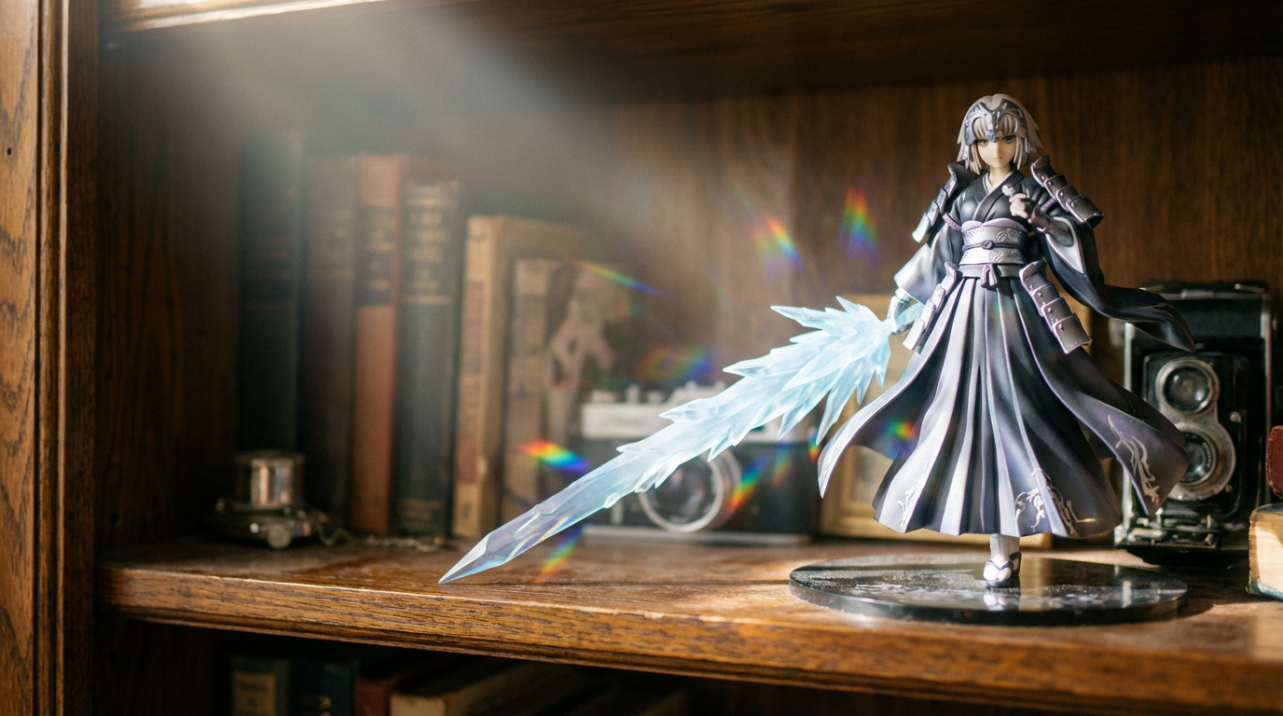
High-detail fantasy pieces show how strong this can be. Premium statues inspired by The Dark Crystal use sharp sculpting and layered textures so crystal motifs grab light at many angles, and collectors often praise how the craftsmanship turns those shards into the star of the display. Crystal-focused battle sets sold online under names like multicolored crystal project battle kits exist purely to surround a character with jagged, prismatic shapes, which is basically the physical version of the way Guilty Crown fills the screen with suspended fragments.
In a lot of anime worlds, crystals are also a visual shorthand for power and rarity. In Overlord’s game universe, for example, many magical items are tied to data crystals, and the rarest World Items and high-rank weapons sit at the top of the gear hierarchy. That same language carries into figure design: a character holding a huge, wing-like crystal blade reads as a top-tier weapon user in a single glance, so your eye naturally treats that figure as a centerpiece even if it is the same height as others.
Light, Transparency, and Motion in a Static Statue
Crystal weapons on figures turn light into part of the pose. Clear or tinted plastic spreads highlights along edges, so a single beam from a shelf spotlight can create the illusion of motion down the blade. You see the same idea in articulated mecha figures that pack LEDs into the eyes and shoulder cannons; once you switch the lights on, the whole silhouette changes and the energy beams feel active even though nothing moves.
For Guilty Crown-style weapons, that means your viewing angle and light direction matter almost as much as the sculpt itself. A blade pointed straight at you presents only a narrow sliver of surface, while an angled, sweeping pose shows more facets that can pick up glow.
If you treat the weapon like a crystal prop in a movie scene instead of just “the thing the figure is holding,” you start to think about how it intercepts and bends light across the whole display.
How to Judge a Good Crystal Weapon on a Guilty Crown Figure
Choosing a figure with a crystal weapon is partly about brand and authenticity, and partly about micro-level sculpt and paint. Guides to Japanese anime figures point to established makers such as Good Smile Company, Alter, Kotobukiya, Max Factory, and Banpresto, and emphasize that licensed products come with proper packaging, clear logos, and clean paintwork. That baseline becomes even more important once you add complicated translucent parts, because there is more surface area where defects can show.
Sculpt, Clarity, and Color That Match the Anime
A good crystal weapon looks like it belongs in the anime frame. Official makers usually invest in sharp sculpting and precise paint, with tight color separation at the point where opaque armor hands off to the clear blade or void effect. Authenticity guides explain that legitimate figures have crisp lines and detailed paint that stays within bounds, while bootlegs often show fuzzy edges, paint bleeding, or missing effects. When the weapon is translucent, any sloppiness around the connection point or embedded color gradients jumps out even more than on a solid sword.
Grading-focused breakdowns of anime figures highlight flawless surfaces and intact accessories as major price multipliers, especially for limited pieces. They describe how clean paint lines, undamaged boxes, and complete alternate parts can move a figure from a mid-tier grade to mint, while something as small as a bent flap can drop a sealed box from near-mint to good. For crystal weapons, that same logic applies to tiny bubbles in the plastic, visible seam lines along the blade, or clouding in what should be a clear section. A pristine, bubble-free crystal weapon on a Guilty Crown figure can push the overall grade up, while a scratched or foggy one can hold it back even if the rest is excellent.
Because Guilty Crown’s weapons often feel like extensions of the character’s emotions, color accuracy matters. Look for clear parts whose hue matches key art rather than veering into overly dark or neon tones that swallow light. When you see smooth, layered gradients inside a translucent piece, it signals that the manufacturer invested in multiple paint passes or specialized plastic mixes instead of a single cheap tint.
Bootlegs, Cloudy Plastic, and Red-Flag Pricing
Crystal effects are a double-edged sword when it comes to bootlegs. On one hand, more complex parts give counterfeiters more chances to mess up; on the other hand, dramatic translucent weapons can distract you from quietly sloppy details elsewhere. Authentic-versus-bootleg comparisons point out that fake figures often have off-model colors, strange poses, and rough texture compared with official product photos, and those tells become easier to spot if you inspect the weapon deliberately instead of only the face and costume.
Bootleg guides warn that very low prices are one of the biggest red flags, especially when a figure is offered at a fraction of what reputable shops charge. Collector resources note that suspiciously cheap listings, unbranded packaging, and missing manufacturer marks all point toward counterfeits that cut corners on materials and quality control. With crystal weapons, that usually shows up as milky, uneven plastic, poorly aligned glitter or metallic flakes, and imprecise shapes that no longer resemble the razor-clean shards you saw in the anime.
Condition and provenance also matter once you care about long-term value. Figurine valuation guides stress that original boxes, factory inserts, and clear maker marks significantly boost desirability, because they verify authenticity and protect fragile parts in storage. With a crystal-heavy piece, keeping that box and inner blister becomes even more important; it is much easier to chip or stress a thin shard when you move a figure loose.
Displaying Crystal Weapons So They Actually Glow
Once you own the figure, visual impact becomes less about brand and more about how you stage it. Buyer’s guides for popular statues show heights ranging from about 3 inches for chibi mini-figures to around 11 inches for larger centerpieces, so scale determines how much light and space you need. If your Guilty Crown character with a sweeping crystal weapon stands close to 10 inches tall, giving it at least 12 inches of vertical clearance and a couple of inches around the blade lets the shards breathe instead of pressing against the shelf wall.
Shelf Layout, Backgrounds, and Scale
Think of the crystal weapon as a spotlight magnet. If it points forward, place the figure slightly off-center on the shelf so that when someone walks past, their eye follows the line of the blade into the rest of the display. If the weapon fans out like wings, a darker, matte background makes the clear plastic stand out; glossy backdrops can reflect light away from the figure and create distracting glare.
Popular display setups like glass-front cabinets and bookcases with glass doors are often recommended for figure collectors because they cut dust and accidental bumps without hiding the view. Collectors who use slim glass cabinets sometimes discover that deep, dynamic poses with long weapons overhang the shelf edge, which makes crystal tips especially vulnerable. If a Guilty Crown figure has a wide, splayed weapon silhouette, it may deserve one of the deeper shelves usually reserved for mecha or diorama pieces rather than being squeezed beside shorter prize figures.
You can also “frame” the crystal weapon using other accessories. Separate weapon or effect sets, such as 1/6-scale weapon kits meant for Ultraman figures or various sword and beam add-on packs from model companies, show how standalone armament displays can give a character something dramatic to interact with. Surrounding a Guilty Crown figure with a couple of neutral rocks or energy plumes in the same color family as the main crystal weapon can make the whole scene feel intentional rather than cluttered.
Lighting and Environmental Care
Lighting is where crystal weapons either shine or fall flat. Grading experts recommend daylight-balanced bulbs, often sold as “daylight” or “natural white,” when you inspect paint and surfaces, because that color temperature makes flaws and subtle shading easier to see. The same kind of light, directed from slightly above and in front, tends to bring out the shimmer in translucent blades without washing out the character’s face.
Preservation advice for high-end figures usually suggests keeping sealed pieces upright in climate-controlled rooms around 64–72°F, away from direct sunlight and high humidity, and using UV-protective acrylic cases for display. Those guidelines become even more critical for crystal-heavy Guilty Crown figures, because clear plastics can show yellowing, micro-scratches, and surface stickiness much sooner than solid parts when they are exposed to heat or sunlight. Vintage “crystal monster” figures from other franchises sometimes turn up on the secondhand market with faded color, visible dirt, and tacky surfaces, a reminder of what unchecked aging can do to clear materials.
Dust is another quiet enemy of visual impact. Collecting guides recommend gentle dusting with a soft brush every couple of months for cabinet displays and more often for open shelves. On a solid metal sword, a thin layer of dust might be barely visible; on a translucent Guilty Crown weapon, it dulls the entire edge and kills the sense of depth. Avoid harsh cleaners or abrasive sponges, because restoration-focused articles warn that aggressive touch-ups and repainting usually hurt authenticity and trust more than they help.
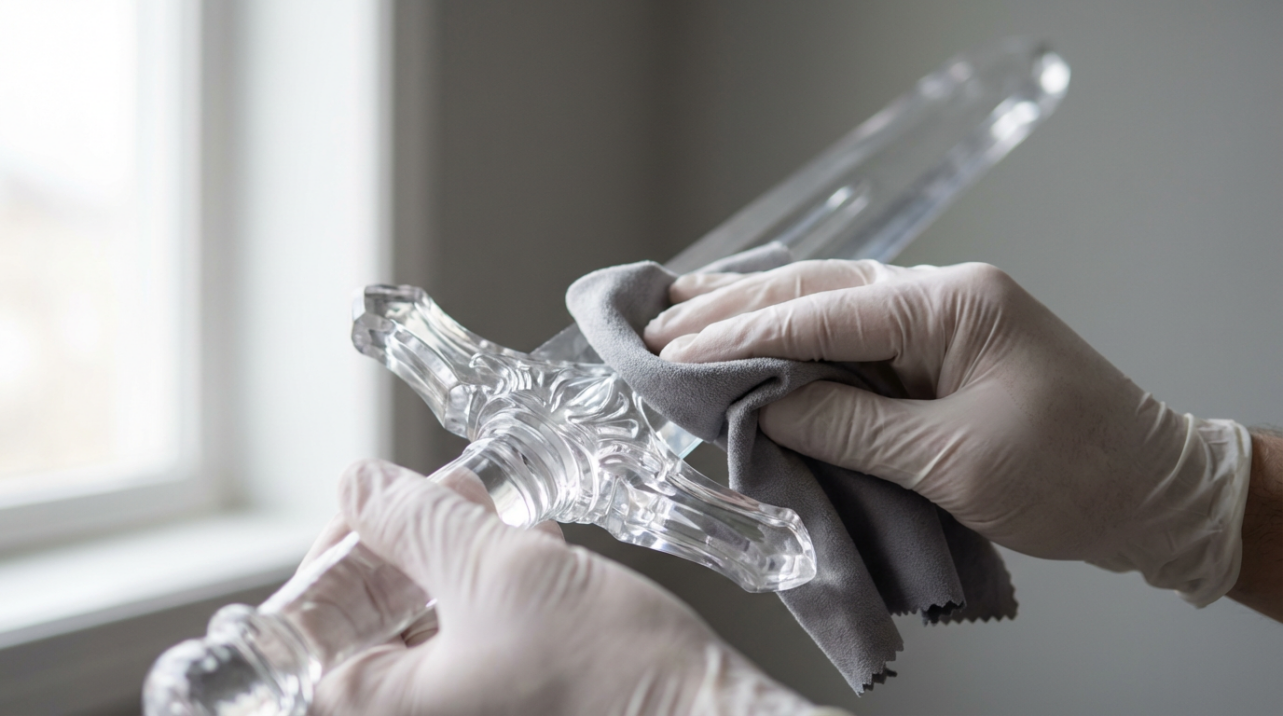
A light puff of air, a soft brush, and patience go a lot farther than magic erasers.
If a figure’s crystal weapon relies on built-in LEDs, treat function as part of condition. Sellers of LED-equipped crystal figures often note whether the lighting has been tested, and they sometimes differentiate between an opened-but-clean item and one still factory sealed with slightly aged packaging. When buying pre-owned Guilty Crown figures with light-up weapons, asking for a quick photo or clip of the LEDs switched on can save you from a dim, uneven glow that no amount of shelf lighting can fully fix.
Do Crystal Weapons Help or Hurt Future Value?
From a value perspective, crystal weapons amplify whatever is already true about the figure. Figurine appraisal resources emphasize that age, rarity, condition, maker, and provenance drive price, and they specifically call out original packaging and factory boxes as major boosts because they add authenticity and protect delicate parts. If a Guilty Crown figure with a crystal weapon is a limited edition from a respected brand, kept in pristine condition with its box and documentation, the dramatic weapon can make it stand out even more among similar releases.
At the same time, collecting data shows that long-term appreciation is the exception, not the rule. An analysis of anime figures released between 2015 and 2022 found that only about 7% increased in resale value after five years, and a case study of a Fate-focused collector revealed that only a few pieces sold above retail while most moved at 40–60% of their original price. That reality matches what many collectors feel in practice: figures work best as passion purchases first, with resale potential as a bonus rather than a plan.
Crystal weapons introduce extra variables into grading and pricing. Detailed breakdowns of anime figure grading explain how small flaws or missing accessories can push a figure down entire grade categories, and they show examples where a convention-sticker variant of a popular Saber statue skyrocketed in value while standard versions remained far lower. For Guilty Crown collectors, it is easy to imagine similar situations if an event-exclusive variant features a unique crystal color or weapon sculpt; that one tweak can turn a familiar character into a highly coveted grail.
Here is how crystal weapons generally affect a figure’s collectibility.
Aspect | How it helps crystal-weapon Guilty Crown figures | Risk or downside |
|---|
Visual punch | Large, translucent weapons make a character read as a centerpiece from across the room and photograph beautifully with backlighting. | Dust, fingerprints, and minor scratches are far more visible than on opaque parts, so the figure can look tired quickly if not maintained. |
Rarity and variants | Unique crystal colors, special coatings, or exclusive weapon sculpts can make limited runs much more desirable to collectors. | Micro-variations between batches, such as a slightly different tint, can create confusing price spikes and make self-grading harder. |
Grading and condition | Clean, bubble-free plastic and intact crystal tips can push a figure toward higher self-assigned grades, especially with complete accessories and box. | Any chipped shard, cloudy section, or warped blade can drag an otherwise mint figure down a grade and cut potential resale by a large margin. |
When you decide to sell, presentation and honesty can make or break the outcome. Selling guides for anime figures stress that carefully crafted listings with clear photos, detailed descriptions, and transparent condition notes attract more serious buyers and better prices. Platforms that specialize in toys and figures recommend grading condition on a simple A–C scale, highlighting flaws, and mentioning whether the figure is a limited or special edition, whether you still have the original box, and whether all weapon parts are present and undamaged. For crystal weapons, good photos from several angles under consistent light are essential, because buyers want to see that the clear plastic is not yellowed or cracked.
Valuation resources also underline the importance of research and documentation. Comparing your figure against past sales on auction sites, keeping receipts and certificates, and noting any event stickers or regional markings help future buyers understand exactly what they are getting. That kind of provenance turned one well-documented collection of older articulated figures into a much higher sale than the original retail total, showing that patient record-keeping can pay off.

If you start that habit early with your Guilty Crown crystal pieces, you protect both your enjoyment and your options later.
FAQ: Quick Answers for Crystal-Weapon Guilty Crown Collectors
How do you safely clean a crystal weapon that has fingerprints or light fogging? Use a soft, clean brush or a gentle microfiber cloth and work slowly along the blade, supporting it near the base so you do not stress the joint. Avoid alcohol, strong cleaners, and abrasive pads, because collector guides warn that aggressive cleaning can change surface texture and undermine both appearance and authenticity. If in doubt, test on an inconspicuous area first and stop if you see any change in gloss or color.
Can you mix third-party crystal effect parts with Guilty Crown figures? You can, and it can look fantastic when done thoughtfully. Crystal effect packs originally designed for other lines, like ice rock clusters or multicolored battle shards, are meant to be generic backdrops, so as long as you match scale and color tone to your figure, they can make a Guilty Crown display feel more like a full scene. Just remember that add-on parts usually do not count as official accessories, so they will not boost authenticity or resale value the way original, branded pieces and boxes do.
What should you prioritize if you care about both aesthetics and value? Focus first on emotional connection and visual impact: choose Guilty Crown figures where the crystal weapon design genuinely excites you, then check that the sculpt is sharp, the clear parts are clean, and the box and accessories are complete. Store and display them in stable, cool conditions with controlled light, dust them regularly, and keep all documentation together. That way you enjoy the daily view on your shelf while quietly preserving the option to grade and sell later if your collection evolves.
In the end, crystal weapons are where Guilty Crown’s drama and your shelf design collide. Treat those translucent blades as tiny pieces of lighting design rather than just sharp props, and your figures will stop fading into the lineup and start looking like the emotional peaks of your whole collection.