Understanding Why Some Figurines Change Color Over Time
Many figurines change color because their paints and plastics react to light, heat, and humidity, or because they use temperature-sensitive pigments designed to shift on purpose. This guide explains what causes both types of changes and how to display and store your collection to keep colors stable for longer.
You know that sinking feeling when you pull a favorite figure off the shelf and realize the once-snowy armor is now cream, or a glossy black base has turned weirdly cloudy. That moment is not just bad luck; lab tests on pigments and decades of paint and conservation practice show that small changes in temperature and moisture, plus steady light exposure, can quietly push colors off-model and even damage the surface. The good news is that once you understand what is happening, you can tweak where and how you display your collection to keep those colors closer to day one for years longer.
The Big Three: Light, Heat, and Humidity
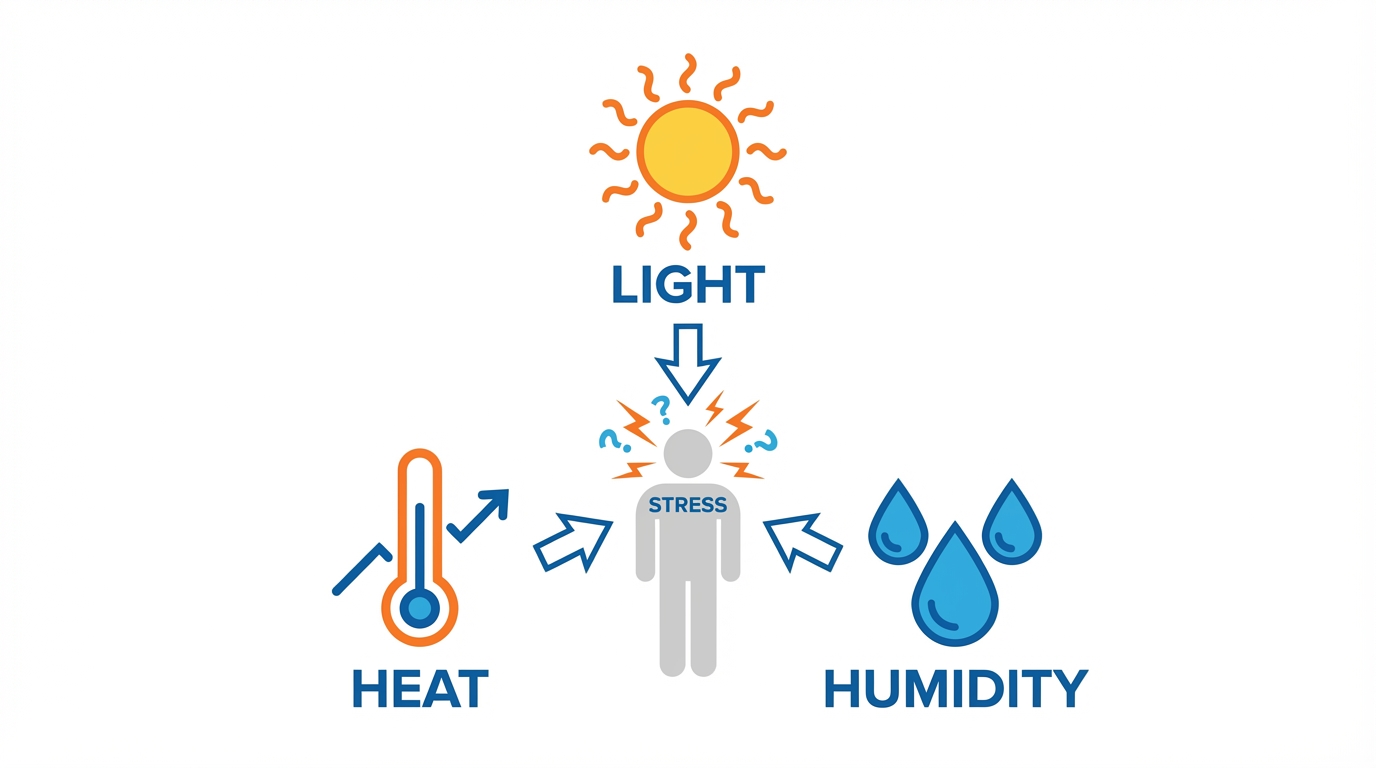
Most slow, unwanted color change on figurines comes back to three environmental forces: light, temperature, and moisture in the air. Every figure has its own mix of plastic, resin, metal, and paint, but these three stressors show up again and again in both art preservation research and collectible care guides.
Direct light, especially sunlight, is enemy number one for vibrant paint. Figurine care articles aimed at porcelain and resin pieces warn that UV and strong visible light fade colors and weaken materials over time, which is why they recommend keeping figures out of direct sun and in rooms with moderate light and stable conditions. Specialists in resin figurines also highlight that sunlight can make resin brittle and fade detailed finishes, so windowsills and bright window cabinets are the fast track to washed-out anime hair and pastel armor instead of saturated hues.
Heat amplifies the problem. Collectors on long-running action-figure forums have reported that soft plastic parts begin to warp and droop after days when room temperatures creep above about 90°F, especially in lighter, more flexible pieces like energy effects or capes. The same reports note that figures left in hot, sunlit spots develop yellowish tints in light plastic and painted areas, while dark details dull out. That lines up with broader color science observations that many pigments and plastics show measurable color shifts with even a 5°F swing and that prolonged high heat can push some colors into permanent degradation.
Humidity is the quiet third villain. Conservation and painting experts repeatedly stress that fluctuating relative humidity does two kinds of damage. At high humidity, moisture seeps into paints and substrates, softening paint layers and encouraging mold; at low humidity, layers dry and shrink, leading to cracking and loss of vibrancy. Art preservation research on paintings and mixed-media works shows that objects in environments with big humidity swings are dramatically more likely to show cracking, warping, and visible deterioration within a few years. For figurines, which often combine painted plastics, resin, and glued joints, that same push-pull can mean cloudy varnish, surface haze, and micro-cracks that subtly change how light hits the colors.
If your collection room spends winter at around 65°F with very dry air and then jumps to the low 80s°F with sticky summer humidity, you are giving your figures the exact kind of repeated stress cycle that professionals try to avoid for museum pieces.
Thermochromism: When Color Change Is By Design
Not all shifting color is damage. Some figurines and bases use thermochromic materials, which are specifically engineered to change color when they cross a certain temperature range and then shift back when they cool.
Color science overviews describe thermochromism as a reversible color change triggered by temperature. Two technologies dominate in consumer products. One is liquid-crystal systems that reflect different wavelengths as they warm, cycling through a tight color range over a small temperature window. The other, far more common in toys, cups, and novelty items, is leuco-dye systems inside tiny microcapsules. In these, a dye flips between a colored and a clear state when it passes its activation temperature, so designers can make parts that turn from blue to clear or hide and reveal designs as they warm and cool.
Thermochromic plastics take that same idea into molded parts. Materials suppliers describe them as ordinary polymers like polyethylene or polypropylene that have a color-changing additive blended in. At normal room temperatures, the additive supplies the "cold" color. Once the surface passes its switch temperature, the additive becomes transparent, exposing the lighter base color underneath. These plastics are sold with switch points ranging roughly from the low 40s to just over 100°F, which is why you see baby spoons that change color in hot food or coffee lids that warn when a drink is hot.
For figurines, the same pigments and plastics can show up in things like fire or magic effects, energy auras, or base details that shift when you touch them.
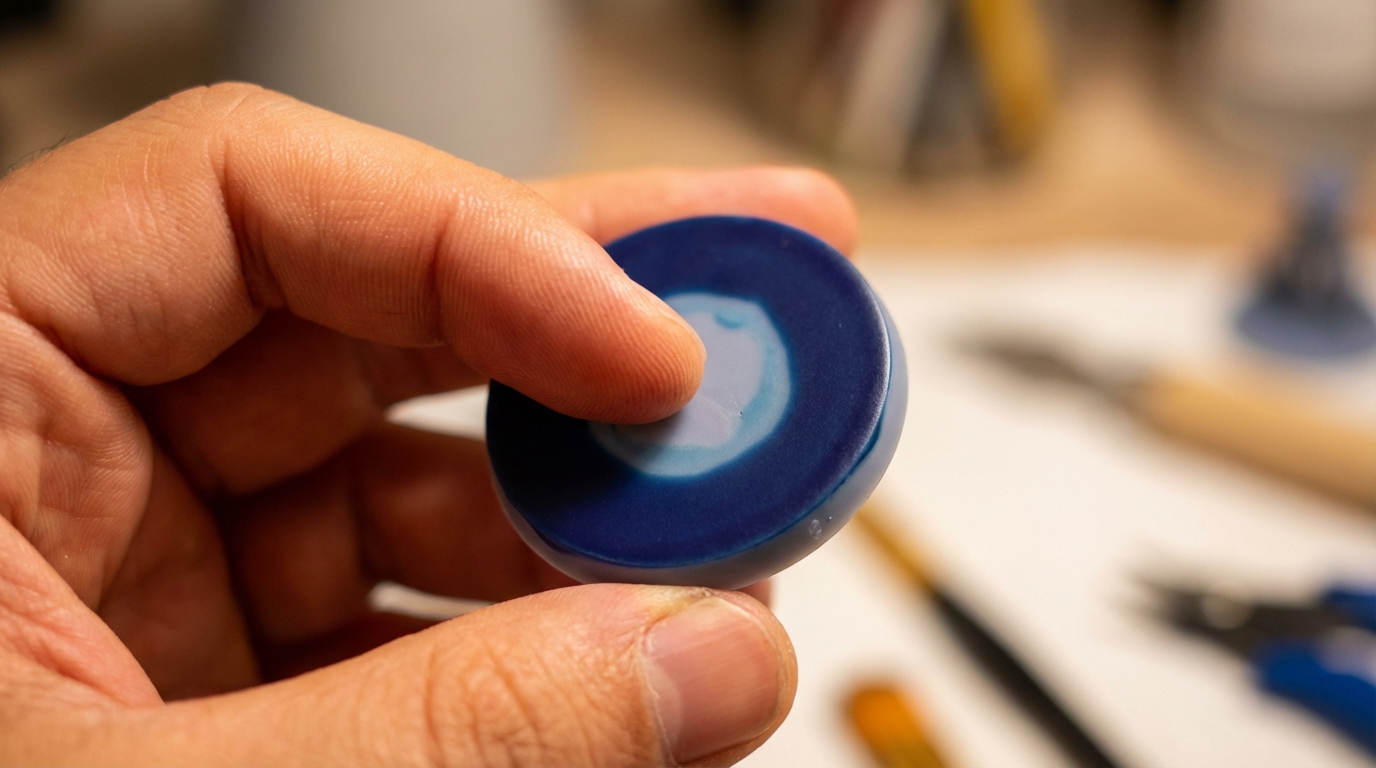
A typical design might use a leuco dye tuned to start clearing around the mid-80s°F so it reacts to warm hands, or a plastic effect part blended with a thermochromic additive that flips between opaque and transparent near body temperature.
Why Your Color-Changing Figure Stopped Changing
Collectors sometimes notice that a figure advertised as "color changing" does not do much anymore. Thermochromic pigment manufacturers highlight two very common reasons.
The first is that the activation temperature simply does not match the way you are using the figure. A pigment sold to flip only above about 105°F will not react dramatically at a mild 80°F room or a quick finger touch. Suppliers explicitly warn that buying the wrong activation range is a leading cause of "it does not change color" complaints, because the pigment is actually working as specified but never hits its trigger point in real life.
The second is damage to the pigment's microcapsules during processing. Manufacturers of thermochromic powders note that high-shear mixing, overly aggressive extrusion, or running the plastic too hot can break the protective shell around each capsule. Once that shell is compromised, the internal dye system can leak or chemically degrade, and the color change either becomes very weak or disappears entirely. Over the long term, color science and thermochromic ink studies also note that prolonged high temperatures and UV exposure gradually degrade these systems, widening the temperature range where they switch and making the color shift less dramatic.
So if an energy-effect part on a figure barely responds now, even when warmed and cooled, what you are likely seeing is either a pigment tuned to the wrong temperature for your environment or a color-change system that has aged or was stressed during manufacturing.
Paint, Primers, and Cloudy Coats on Figurines
Even when there is no special effect involved, your figures' paint layers behave like tiny versions of wall paint and model paint, and they suffer from the same environmental headaches.
Commercial painting guides repeatedly show that both temperature and humidity control how paint dries and cures. In high heat, paints and primers can dry too fast at the surface, leading to skinning, blisters, and uneven films; in low temperatures, drying slows dramatically, leaving coatings soft and vulnerable far longer than expected. On the humidity side, multiple contractors warn that high relative humidity slows evaporation and traps moisture under the paint film, which can cause bubbling, peeling, mold growth, and general dullness. One set of best-practice recommendations is to aim for air and surface temperatures around 50–85°F with relative humidity under roughly 70% during painting and curing, because working outside that window sharply increases defects.
Miniature painting experience backs this up in a very tangible way. Hobbyists writing about airbrushing note that high humidity can turn a glossy black car-model body cloudy in an instant when a plume of damp air hits fresh lacquer, destroying the mirror finish. Others point out that on dry palettes, acrylic paint rims dry into tiny crusts; when you reload your brush, those flakes migrate onto your miniature as specks and roughness. Switching to a wet palette, which keeps paint moist on a damp membrane, is a simple, practical fix that reduces those dry flakes and gives smoother layers.
For factory-painted figurines, poorly controlled conditions during priming and top-coating can leave microscopic defects that only show up years later as hazy varnish, tiny blisters, or uneven sheen. For custom work at home, ignoring the same rules by spraying in very humid basements, priming in extreme heat, or not letting layers cure fully can lead to color shifts, yellowing clear coats, and surface haze that you might mistake for aging plastic rather than stressed paint.
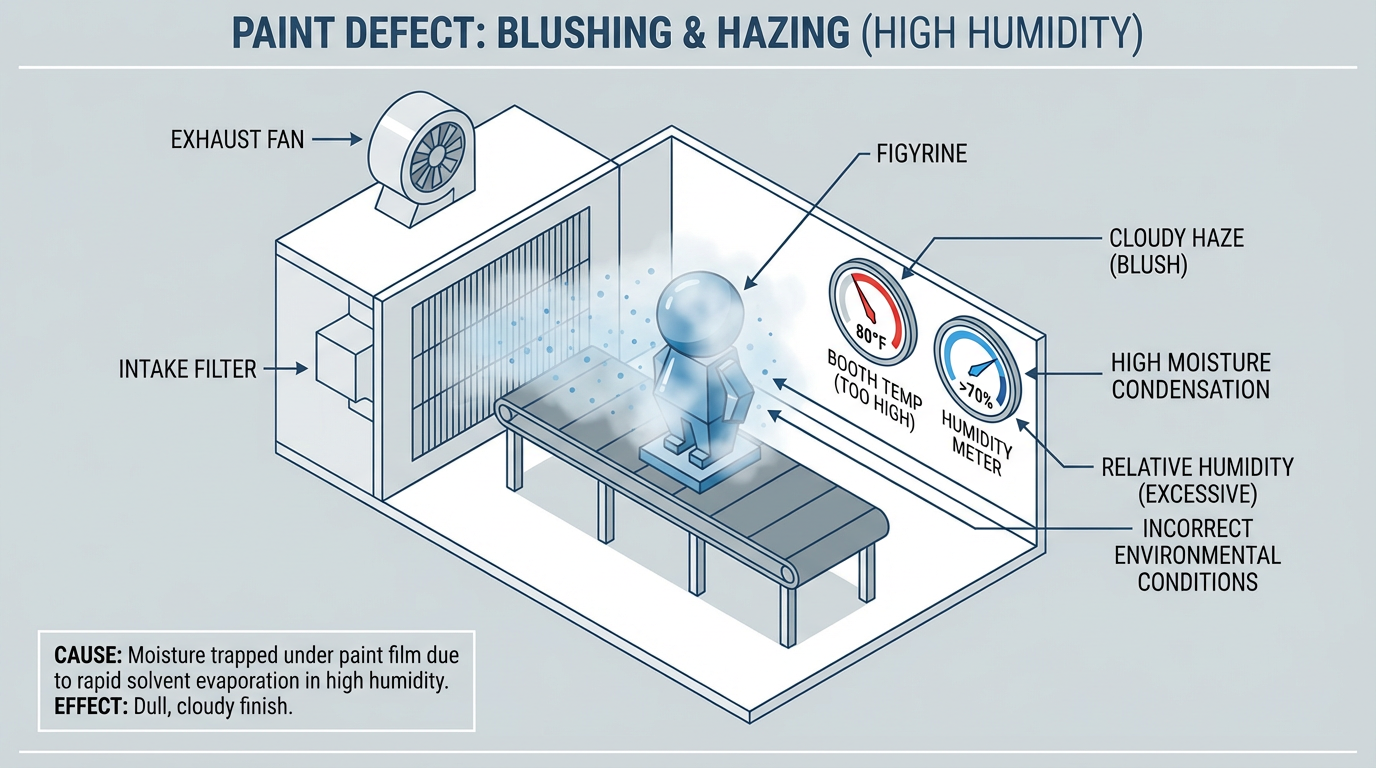
A quick real-world example: imagine spraying a clear gloss on a figure in a room at 80°F with humidity above 70%. Painting pros note that in that range, moisture can condense into the drying film and cause a milky, cloudy look that does not go away. On a small, dark anime base, that haze reads as a complete color change even though the underlying paint is fine.
Storage and Display Habits That Actually Protect Color
The same storage tricks that art conservators and custom minifigure studios use to preserve delicate paints work well for anime shelves and other figurine displays.
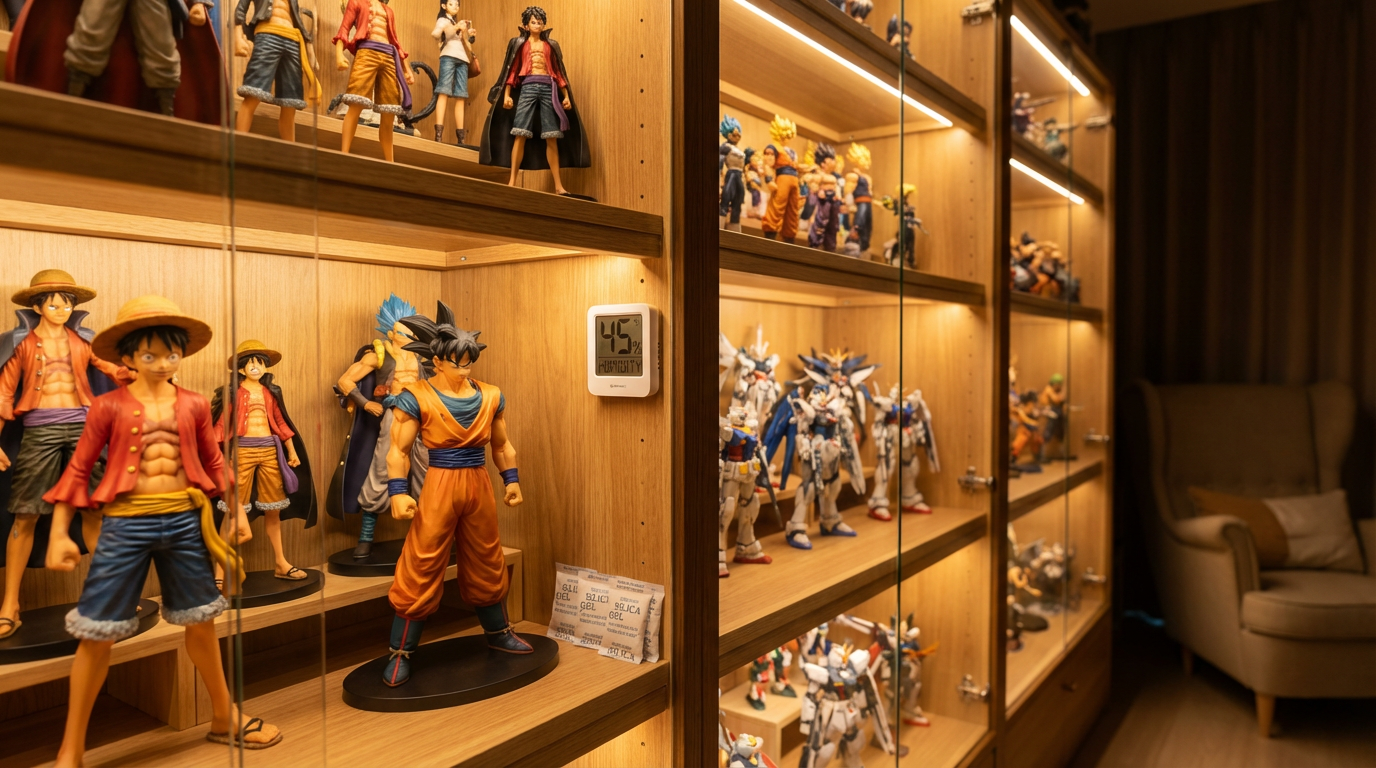
Archival-storage guides for painted minifigures recommend keeping collectibles in a stable environment around 65–72°F with relative humidity in the 40–50% range. Conservation articles for artwork echo this, noting that most objects do best with stable humidity roughly between 30–50% and that rapid swings are more damaging than a slightly imperfect but steady level. In practice, that means avoiding attics, garages, and uninsulated exterior walls and favoring interior rooms where the climate stays relatively even all year.
Specialist guides to resin figurines and general figurine preservation agree on the big display rules. Keep figures out of direct sunlight, because UV and strong light both fade paint and weaken materials. Use glass or acrylic display cases for dust and bump protection, ideally with UV-filtering panels if the case is near a window. Place figures on stable, secure surfaces away from high-traffic areas so they are not knocked or grabbed by accident, which matters even more for thin, intricate resin pieces that are inherently more fragile.
Storage materials matter too. For archival-level care, custom figure makers recommend acid-free boxes or cases with good seals and non-reactive cushioning that will not leach dyes or stick to paint. They stress avoiding stacking weight directly on painted surfaces, instead using upright positions or shaped foam inserts to spread pressure. Conservation advice for older figurines aligns, suggesting individual wrapping in acid-free tissue and cushioned archival boxes for long-term storage, with stable temperature and humidity to prevent warping, cracking, or mold.
Humidity control is worth a little effort if you live in a very damp or very dry area. Collectible-storage guides suggest small silica-gel packets inside display cases as a low-cost option, replaced every few months, or room-scale dehumidifiers for very humid climates. For very high-value pieces, some collectors even use humidity-controlled cabinets borrowed from photography and art storage, which hold temperature and moisture in a narrow band to minimize stress.
You do not have to banish your collection to a dark closet. Many storage experts encourage rotating which pieces are in the brightest spots every few months, both to spread the light exposure and to give you fresh views of the collection. Think of it like a tiny museum rotation that keeps favorite grails from taking all the UV hits.
Quick Reference: What Is Changing My Figurine's Color?
Main cause | What you usually see | Conditions that trigger it | What helps most |
|---|
Light (UV and visible) | Faded paint, yellowing of light plastics, dullness | Direct sun or strong light for months or years | Avoid windows, use UV-filtering cases, rotate display |
Heat | Warped soft parts, tint shifts, overall dulling | Hot rooms or spots above about 90°F, heat near windows | Keep rooms cool and stable, avoid heaters and vents |
Humidity swings | Cloudy varnish, surface haze, mold or warping | Very damp or very dry rooms, big seasonal humidity changes | Aim for stable mid-range humidity, use dehumidifiers or desiccants |
Thermochromic design | Sharp, reversible color change near a threshold | Touch-warm parts or hot/cold triggers around a set temperature | Understand it is intentional; avoid extreme heat and UV so it keeps working |
Is This Normal Patina or Real Damage?
One of the hardest calls as a collector is deciding whether you are seeing normal aging or actual damage that you should act on.
Intentional thermochromic effects tend to change quickly and reversibly around a specific temperature band. Color-changing plastics and leuco dye coatings are designed so that most of the color shift happens over a narrow temperature interval, often just a few degrees wide, and then they revert when they cool. If a base turns bright when you hold it for a few seconds and then fades back as it returns to room temperature, you are looking at that engineered behavior.
Unwanted fading and yellowing are slower and generally irreversible. Artwork preservation research emphasizes that light-induced fading and high-humidity softening of paint often cause permanent changes in both color and structure. Figurine care articles echo that once paint has noticeably faded, or resin has discolored from sunlight and heat, you can sometimes stabilize it by improving storage, but you cannot restore the original color without repainting or professional restoration.
Cloudiness, haze, or tiny blisters in clear coats usually point to moisture or temperature trouble during painting or curing. Paint-industry guidance ties milky finishes and poor adhesion to painting in very humid air or near the dew point, where invisible condensation sits on the surface while paint dries. On a small figurine, those issues show up as a "changed color" clear part or base even though the underlying pigment is the same.
A practical rule of thumb: if the change is uneven, gradual, and does not reverse with gentle warming or cooling, treat it as damage and focus on preventing further harm with better light and climate control.
FAQ
Can I reverse yellowing on a figure?
Most sources on figurines and artworks agree that yellowing from light and heat is usually permanent. Once pigments or plastic have chemically changed, especially after years of sunlight or high heat, there is no simple, safe way to bring them back to their original shade without repainting or risking further damage. The realistic goal is to slow additional yellowing by moving the figure to a cooler, more controlled, low-light environment.
Is it safe to store figures in an attic or basement?
Attics and many basements are exactly the kinds of spaces conservation and paint experts warn against: they can swing from very hot to very cold and from very damp to very dry across the year. Those swings drive warping, cracking, mold, and accelerated fading. If a basement is fully finished, climate controlled, and kept around the mid-60s to low-70s°F with moderate humidity, it can work; otherwise, interior living spaces are safer for long-term color stability.
Do I really need archival boxes and fancy cases?
For everyday figures, you can get most of the benefit simply by avoiding direct sun, keeping the room climate steady, and using any decent glass or acrylic case to block dust and casual handling. Archival, acid-free boxes and conservation-grade materials shine for high-value or custom-painted pieces where you care about every tiny shift in color and surface. The trade-off is cost and the fact that fully boxed storage means you see the figures less; many collectors strike a balance by displaying favorites in good cases and keeping the most fragile or valuable pieces in more protective storage.
Color change over time is part physics, part chemistry, and part lifestyle choice. With a little fandom-grade attention to where your figures live: the light, the temperature, and the humidity, you can keep those screen-accurate uniforms, magical gradients, and glossy bases looking crisp for many seasons of binge-watching to come.
References
- https://en.wikipedia.org/wiki/Thermochromism
- https://pmc.ncbi.nlm.nih.gov/articles/PMC10707677/
- https://www.webexhibits.org/causesofcolor/3.html
- https://www.wbdg.org/FFC/SI/Mecklenburg-Part2-Temp.pdf
- https://intscalemodeller.com/viewtopic.php?t=957
- https://forum.reapermini.com/index.php?/topic/8755-humidity-and-air-brushing/
- https://arizonapaintingcompany.com/affect-of-temperature-and-humidity-on-paint/
- https://www.ask.com/lifestyle/art-preserving-history-tips-caring-old-figurine-collectibles
- https://grainraincraft.com/tips-to-protect-resin-figurine-crafts-collectibles/
- https://www.ispigment.com/blog/why-does-the-thermochromic-pigment-not-change-color_b72