Understanding Why Your Figurines Start to Peel or Disassemble
Flaking paint, sticky “skin,” and loose joints are your figurines quietly reporting how light, heat, humidity, and materials have been interacting over time.
You pick up a favorite figure and notice tiny paint chips on the base, a cape that feels tacky, or a rubber suit that has started to crack at the knee. It is a gut punch, especially when you know well‑preserved figures can sell for dramatically more than the same sculpt after it has yellowed, peeled, or warped. This guide translates those scary symptoms into clear causes and practical steps so you can slow the damage, decide when to DIY, and recognize when a piece is simply aging the way its materials were always destined to.
What “Peeling” and “Disassembling” Really Mean
Collectors lump a lot of different problems under “my figure is falling apart,” but the root causes vary depending on the material. Plastics like PVC and ABS, resin, paint layers, glues, rubberized “skin,” and even cardboard packaging age in different ways. Conservation and storage specialists use the term inherent vice for materials, especially plastics, that are chemically unstable and slowly self‑destruct even in good conditions. This is the core reason some figures start to fail while others from the same era look fine: the recipe inside the plastic, paint, or glue was unstable from day one.
In everyday figure language, peeling usually means one of three things. The most common is paint or topcoat lifting in scales or flakes, especially on sharp details or high‑contact zones like noses, boots, and hair tips. The second is rubber, pleather, or soft coatings that dry, crack, or shred, often at joints or where they wrap tightly around a limb. The third is plasticized surfaces that go sticky, sometimes merging with nearby plastic or packaging so they tear when you separate them. When parts “disassemble,” it can be deliberate joints and pegs slipping out more easily than they used to, or hidden glue joints and internal pins actually failing.
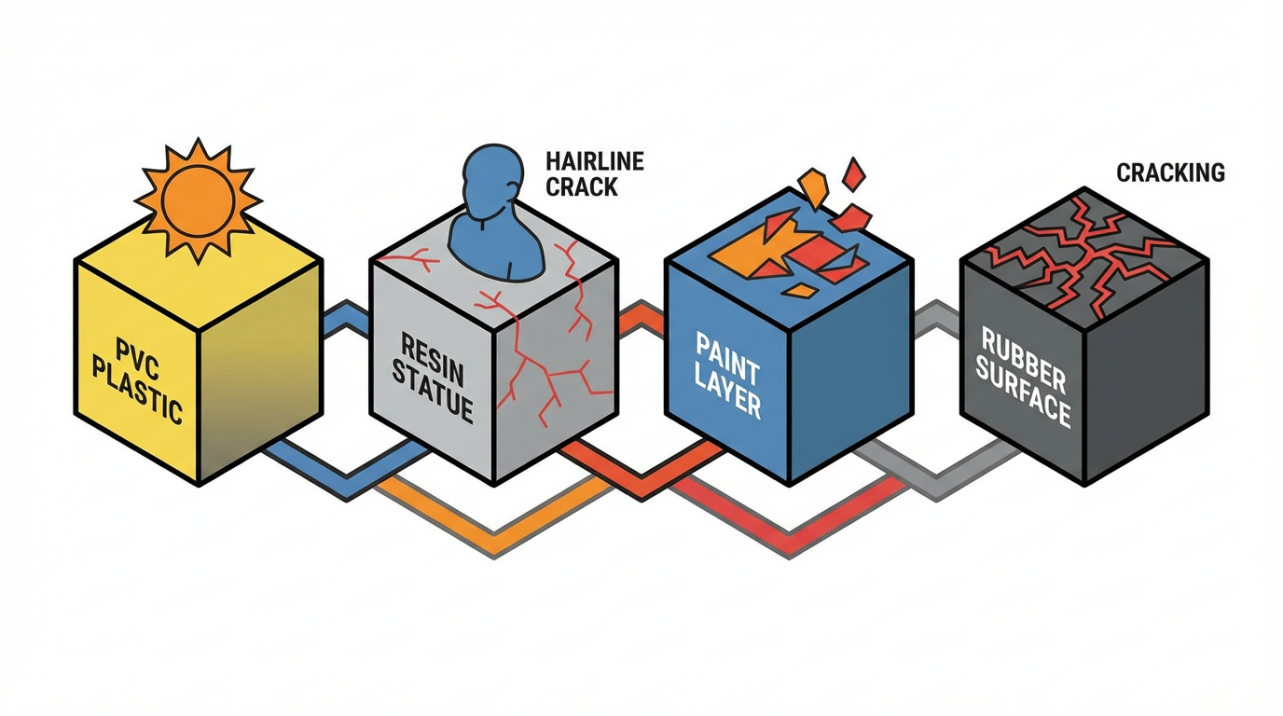
To keep all of this straight, it helps to map common materials to the damage you are seeing.
Material / Part | Typical Failure | How It Shows Up On Shelf |
|---|
PVC / ABS body | UV and heat degradation, plasticizer loss | Yellowing, warping, sticky or brittle areas |
Resin statue | Heat and humidity stress, brittle fractures | Hairline cracks, snapped thin details, flaking |
Paint / clear coat | UV, moisture, abrasion | Peeling, chalky surface, dull patches |
Rubber / pleather skin | Drying, chemical reaction with other plastics | Cracking, flaking, surfaces fusing or melting |
Glue joints, bases | Humidity, heat, mechanical stress | Leaning poses, parts falling out, loosened bases |
Packaging blisters | Aging adhesive, heat, light | Yellow bubbles, lifting edges, detached blister |
Once you match the symptom to the underlying material, you can target the real cause instead of just reacting to flakes and loose parts.
The Science Behind the Damage: Light, Heat, and Humidity
Plastics and Resins: Built‑In Weaknesses
Most anime and game figures are some combination of PVC, ABS, resin, and soft elastomers. Plastics may feel solid, but over time their additives slowly migrate out or break down when exposed to light, temperature swings, and moisture. Archival storage experts warn that many plastics off‑gas and deteriorate under light, temperature, and humidity, sometimes emitting corrosive vapors that can harm nearby pieces. For that reason, they recommend isolating unstable plastics in separate, inert enclosures and keeping them in cool, stable conditions with moderate humidity using tools like silica gel and climate control, as laid out in guidance on collectible storage.
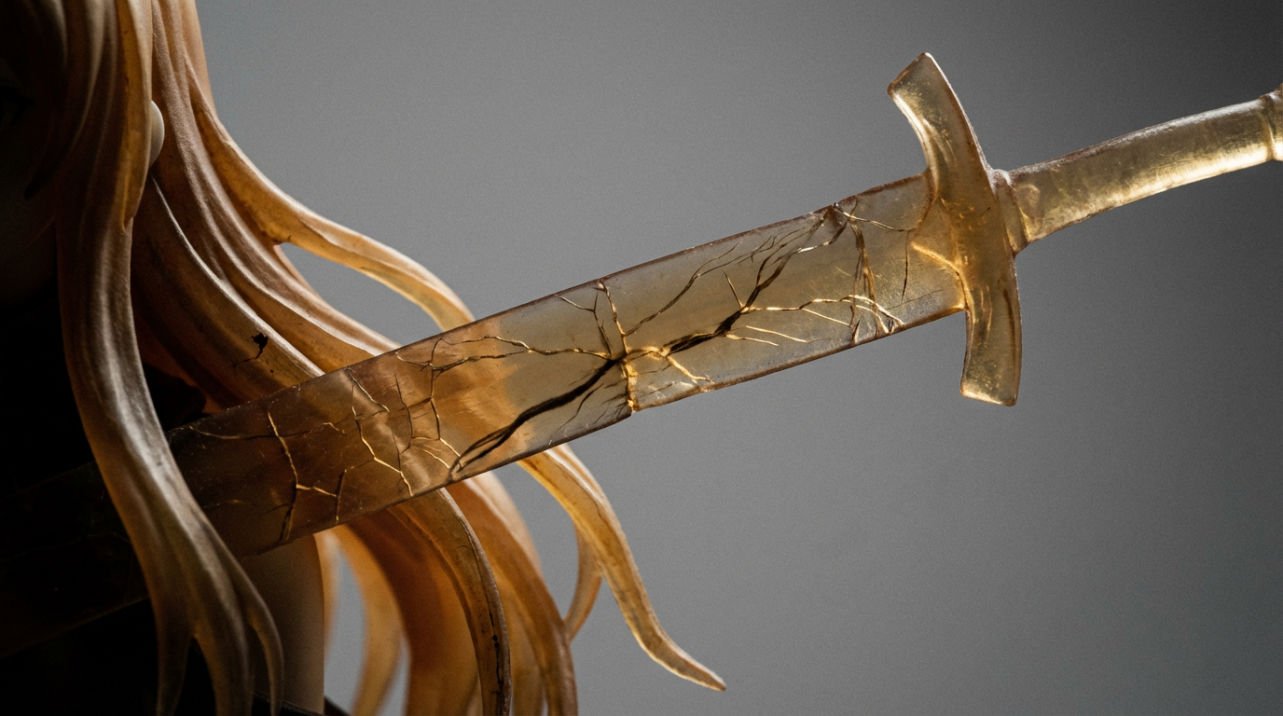
Resin figures behave differently but face similar enemies. Polyresin mixes are naturally brittle and become even more fragile under extreme temperatures or high humidity. Advice on protecting resin figurines emphasizes that prolonged sunlight and environmental swings can weaken resin, cause fading, and make cracks or breaks more likely. This is why thin swords, hair strands, and cloaks on resin pieces are often the first to snap or craze.
For PVC and ABS, UV light and heat are the classic villains. Anime figure care guides urge collectors to keep figures out of direct sunlight and away from heaters, emphasizing shaded shelves or enclosed cabinets to prevent UV‑induced fading, warping, and material degradation, as in this breakdown of optimal care for anime figures. Over time, this same environmental stress is what turns once‑solid joints loose and makes plastic surfaces alternately sticky or brittle.
Paint, Coatings, and Glossy Finishes
Paint and clear coats are their own layered system on top of the base material. On vintage action figures, humidity and heat can cause paint to peel or chip and can loosen decals and joints, especially when figures live in hot spaces like attics or near windows, as described in advice on caring for vintage action figures. When moisture sneaks into microscopic cracks, it can swell underlying layers or disrupt the bond between paint and plastic.
Ceramic and porcelain pieces in mixed collections show a similar pattern for different reasons. Museum guidance for care of ceramics notes that cracked glazes and previous repairs are vulnerable, and that many old repair materials are water‑soluble, so aggressive wet cleaning can lift decoration or undo repairs entirely. Hybrid figures with ceramic bases or decorative inserts are at risk of the same kind of lifting or flaking wherever paint sits over a compromised surface.
On modern anime statues, the glossy topcoat that makes skin, armor, and hair pop is usually quite thin. Once abrasion from dust, rough cloths, or repeated handling wears it down, the surface can start to look cloudy or patchy long before the underlying plastic fails.
Why Paint, Rubber, and “Skin” Start Peeling
One of the most alarming failures is rubber or faux‑leather outfits literally shredding off the figure. Collectors discussing 12‑inch figures with rubberized suits have documented peeling, flaking, and even suits that melted and fused to plastic armor after only a year or two on display, especially in warm, humid environments, as in reports about rubberized skin deteriorating. In those cases, the rubber itself and the softening agents inside it are chemically unstable; heat and contact with other plastics accelerate the breakdown until the surface either bonds to what it touches or crumbles.
Paint peeling is more subtle but follows the same pattern. Direct sun or strong indoor lighting loads the surface with UV, which breaks pigment and binder molecules. Humidity and temperature swings then expand and contract the layers at different rates. Over time, that movement creates micro‑cracks, especially on sharp edges and raised details; once those cracks open, normal handling and dusting knock flakes loose. Vintage‑focused guides warn that even comfortable‑feeling rooms can be too hot or humid if figures sit near windows, heaters, or uninsulated walls, reinforcing the advice to treat them like fragile collectibles rather than toys, as in recommendations on how to care for an action figure collection.
Sticky surfaces are usually a sign that plasticizers, the chemicals that kept a part soft and flexible, have migrated to the surface. That “sweat” can feel greasy and may literally glue a figure to its packaging or to nearby accessories. Discussions of “melting” in figure communities describe this as a chemical reaction between two plastics in contact, often worsened by heat, that leaves one or both surfaces deformed or torn when you pull them apart, a pattern echoed in the same thread on rubberized skin deteriorating. Once plasticizers have migrated out, the underlying plastic tends to become more brittle, making cracks and breaks more likely even if you clean the sticky film away.
Why Parts Loosen, Lean, or Fall Off
When a figure suddenly can no longer stand, hold a weapon, or keep an arm attached, it is usually a slow‑burn issue finally becoming visible. Glue joints and pegs are constantly battling gravity, vibration, and changes in the plastic around them. Storage primers for action figures recommend avoiding stacking figures, keeping them in airtight containers, and using silica gel packets to control humidity precisely because weight, moisture, and environmental swings can warp plastics and stress joints over time, as outlined in this guide on how to store action figures.
PVC softens as it warms, so heavy hair, wings, or capes can slowly pull a figure forward until the ankles or base pegs are carrying an angle they were never sculpted to handle. That is the classic “leaning” you see in older shelf queens. At the same time, the thin layer of glue holding some joints or bases together can absorb moisture and lose strength, especially in rooms that cycle between cool and very humid. Long‑term storage guides even caution that cardboard and certain foams can hold moisture and acids that attack both plastic and adhesives unless you use acid‑free, archival materials and climate control, as described in an action‑figure‑focused storage and display guide.
Packaging fails in a similar way. Those clear bubbles on carded figures are held by adhesive that was never meant to last for decades. Heat can soften that glue until the blister falls off, while sun can make the plastic brittle and the printed card fade badly in just weeks, which action figure care guides highlight as a major risk to “mint on card” value, again emphasized in advice on caring for vintage action figures. When the bubble lets go, the figure technically “disassembles” from its packaging even if the toy itself is still intact.
How to Stop the Slide: Practical Fixes by Symptom
If a figure is slightly sticky but not yet peeling, the safest move is a very gentle, minimal cleaning combined with an immediate environment upgrade. Plastic figure maintenance guides recommend starting with dry dusting using a soft brush or microfiber cloth, then, only if necessary, wiping small areas with a cloth dampened in mild soap and warm water, while avoiding soaking joints or decals and finishing with careful drying, as in this walkthrough on maintaining plastic figures. The upside is that you remove surface grime and some migrated plasticizer without stressing the figure; the downside is that this cannot reverse deep chemical damage and too much water or soap can make things worse.
When paint is already flaking, think “stabilize, do not scrub.” Light dusting with a fine, clean brush is usually the limit for DIY. Any attempt to rub or wash loose paint will simply accelerate the loss. On mixed collections that include ceramic bases or inserts, museum advice is even more conservative, suggesting only very gentle spot cleaning with barely damp cotton swabs and avoiding immersion, especially around cracks or prior repairs, as explained in guidance on care of ceramics. The practical upside is that you avoid catastrophic paint loss; the downside is that you may have to live with some visual damage rather than chasing a risky “like new” look.
Loose joints and wobbly bases are where collectors are most tempted to reach for superglue. Before gluing anything, step back and ask whether the piece is meant to be disassembled, whether it has resale potential, and whether you are comfortable making a permanent change. Some collectors gently tighten loose joints with wraps of thin tape or carefully applied, removable materials so a limb can still come off if needed. Others use non‑permanent products like museum putty under bases, exactly the kind of stabilizing measure storage guides recommend for displayed collectibles in quake‑prone or high‑traffic areas, as part of general collectible storage and display tips. The pro is that you get stability without committing to irreversible glue; the con is that temporary fixes can wear out and may show if you look closely.
Rubber and pleather failures are, unfortunately, often terminal in terms of original appearance. Forum reports of rubber suits peeling or melting after only a couple of years show that even figures kept in glass cabinets in low‑light conditions can suffer when the material itself is unstable, as seen in discussions of rubberized skin deteriorating. Light surface conditioning products may slow drying on some pieces, but they can also stain or accelerate breakdown if the chemistry clashes, which is why even experienced collectors stress cautious spot testing and infrequent use. In many cases, the most realistic goal is to prevent further sticking and tearing through cooler, drier, more stable display and gentle handling, then accept some cosmetic aging.
When Restoration Is Worth It
There is a big difference between stabilizing everyday shelf figures and restoring high‑value or sentimental centerpieces. Professional restoration studios define their work as carefully repairing damaged figurines and collectibles to their original or near‑original state while preserving historical integrity, using workflows that include detailed assessment, delicate cleaning, structural repair, repainting to match original colors, and careful finishing, as outlined in this overview of figurine restoration.
The advantages are significant when you are talking about rare porcelain statues, high‑end resin pieces, or older figures with real market value. Pros can often make cracks, breaks, and missing paint nearly invisible to the casual eye while keeping as much original material as possible. The trade‑offs are cost, turnaround time, and the fact that even expert restoration should be disclosed if you ever sell. Most restoration specialists strongly discourage DIY work on valuable antiques or intricate pieces because amateur glues, repaints, and sanding are hard or impossible to undo and can permanently crush both value and aesthetics, a warning repeated in guidance for owners of collectible figurines in the same restoration overview.
For more common PVC scale figures, a practical rule is to reserve professional restoration for catastrophic breaks on true centerpiece pieces, not light yellowing or a minor lean. Small paint nicks, subtle warping, and modest leaning are often better handled by controlled display conditions and careful posing than by risky repainting or heat bending that could introduce new issues.
Building a Safer Habitat for Your Collection
The environment your figures live in does more long‑term work than any cleaning session. The sweet spot is a cool, dry, stable room: roughly typical comfortable room temperatures and moderate humidity, while avoiding hot attics, damp basements, and windowsills. Collectible storage advice urges you to avoid spaces with large temperature and humidity swings and recommends cool conditions with humidity around the middle range, while also steering clear of attics and basements unless items are in well‑sealed bins raised off the floor, as described in general tips for collectible storage and display.
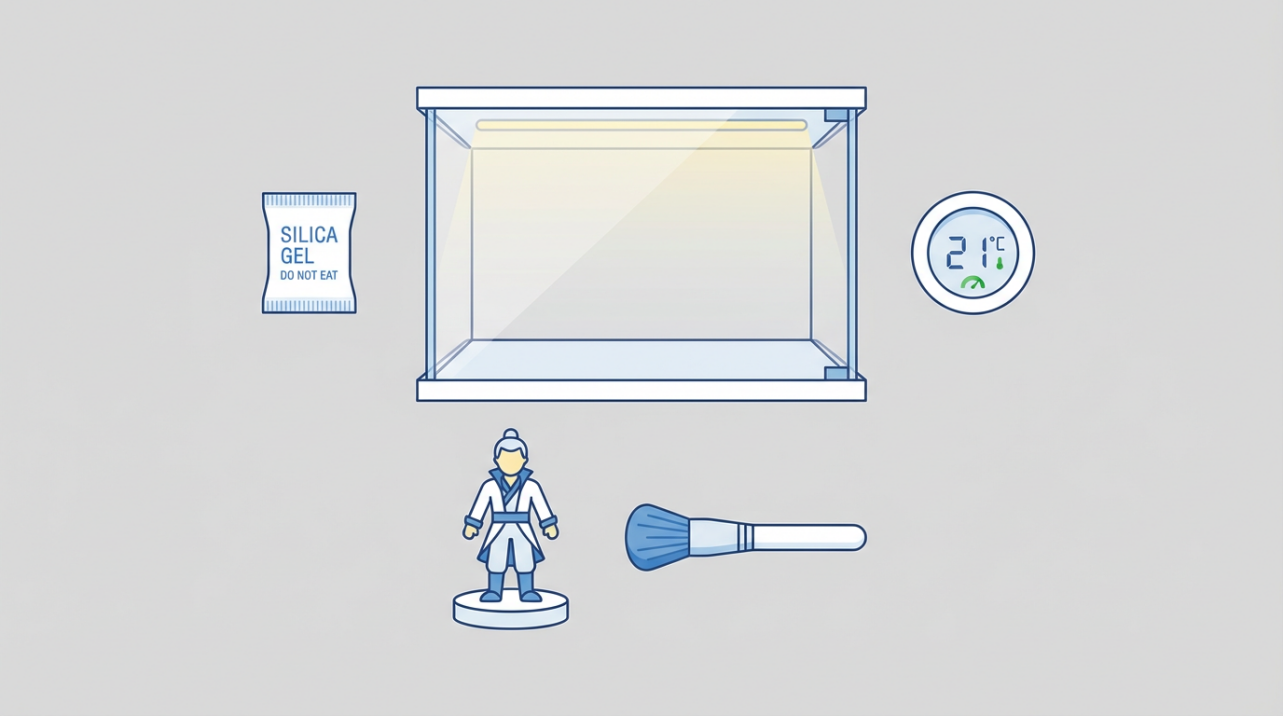
For plastic figures specifically, detailed maintenance guides suggest that environmental control is just as important as cleaning. They recommend regular dusting, more thorough cleaning only every few months depending on dust levels, keeping figures out of direct sun, and using silica gel packets to manage humidity in cases or storage boxes, as in the step‑by‑step plan for maintaining plastic figures. Action figure storage guides add that airtight containers, careful use of desiccants, and avoiding stacking can keep plastic from warping or crushing while it sleeps in bins, especially during long‑term storage or moves, as described in an action figure storage guide.
Display cases are your best ally. Anime‑focused care articles frame figures as delicate art and recommend enclosed glass or acrylic cases with cool, low‑heat LED lighting to reduce dust and accidental impacts while letting you enjoy the sculpts, as outlined in advice on optimal care for anime figures. That setup also buys you extra time between deep cleanings and gives you more control over light and humidity around your mini army of heroes, villains, and best girls.
A Simple Routine That Catches Problems Early
Once you understand that peeling and disassembling come from cumulative stress, the fix is all about rhythm. A quick visual patrol once a week or so, especially on figures sitting in open air, will catch leaning, early stickiness, tiny paint lifts, and dust buildup before they snowball. That is the same philosophy behind monthly maintenance days recommended for vintage figures, where collectors gently clean and reposition pieces to spot issues early, as echoed in advice on how to care for an action figure collection.
Pair that with gentle dusting using soft brushes or microfiber cloths, rotating which figures are on the most exposed shelves, and tweaking your room setup so sun never touches your display directly. For packed‑away armies, clean and dry figures thoroughly before storage, remove any batteries from accessories, wrap fragile bits separately, and pack into labeled, airtight containers with desiccants so they come back out of the box looking the way they went in, following the kind of approach laid out in action figure storage and display guidance.
Over years, that low‑drama routine does more to keep joints tight and paint intact than any emergency rescue once plastics have already gone sticky or brittle.
FAQ
Are my figures doomed to peel no matter what I do?
Some materials really do have a built‑in expiration date. Conservation professionals point out that many plastics are chemically unstable and will deteriorate under light, temperature, and humidity even in good storage, summarizing this as inherent vice. This is why certain rubber suits and soft coatings seem to rot on every known copy. What you can control is the speed: cooler, darker, drier, and cleaner conditions slow that clock dramatically, and choosing future purchases made mostly of stable PVC, ABS, or resin rather than experimental rubber overlays can tilt the odds in your favor.
Why do sealed‑in‑box figures sometimes peel or fall apart anyway?
Factory packaging was designed to survive shipping and a short stint on a toy aisle, not decades in a collection. Guides on vintage figures note that heat and sunlight can make blister bubbles brittle, yellow, or detach from the card, and can also bake the figure inside, causing paint or plastic to degrade, as described in classic advice on caring for vintage action figures. If a figure was made with unstable rubber or paint, keeping it sealed can even trap off‑gassed chemicals against the surface. So “mint in box” protects against fingerprints and dust, but not against poor materials or bad storage conditions.
When should I call a professional restorer instead of fixing it myself?
If a piece has real monetary value, complex breaks, or deep sentimental weight, professional restoration is almost always the safer path. Restoration studios emphasize that unskilled repairs can permanently reduce value and be hard to reverse, whereas their workflow combines structural repair, repainting, and finishing designed to make damage nearly invisible while preserving the piece’s character, as explained in this overview of figurine and collectible restoration. For everyday PVC statues and scale figures, save DIY experiments for low‑stakes pieces and focus on prevention and gentle cleaning first.
In the end, every figure on your shelf is basically a tiny chemistry experiment running in slow motion. If you give those experiments a kinder environment and react early when they start to misbehave, you can keep your favorite characters standing tall and looking sharp long after the hype cycle has moved on to the next season’s lineup.