Coping with Heartbreak Through Collecting Figurines and Statues
Collecting anime figures and statues will not erase heartbreak, but used intentionally it can give you structure, comfort, and a concrete way to rebuild your space and story on your own terms.
After a breakup, your emotions and routines can feel formless. Giving your bruised heart something tangible to hold onto—a small shelf you arrange and rearrange on purpose—can become a quiet, surprisingly powerful recovery arc, especially when you keep an eye on your budget.
Why Heartbreak Draws Us to Collections
When a relationship ends, your sense of control can feel wiped out: plans vanish, routines evaporate, and suddenly even your room feels like a spoiler for a life you are no longer living. Researchers have found that a core driver of collecting is a basic human desire for control and structure when life feels chaotic.
For many of us, that control looks like lining up PVC heroes in perfect formation. In one personal account titled “collecting helps me”, the writer describes using collecting to manage depression and complex trauma, not by fixing everything, but by creating everyday purpose and comfort. As someone whose Detolf shelves have seen more breakups than I care to admit, I can confirm that deciding which version of your favorite character gets the center spot feels like reclaiming a tiny piece of your life.
Let Your Figures Hold the Feelings
Grief science backs up what many fans do intuitively. Programs that combine art and narrative therapy show that creating with objects and telling the story around them can ease intense grief and help people rebuild a shattered sense of self.
Therapists using sandtray miniatures see clients safely project trauma into a small, controllable world—burying a figure, rescuing another, and rearranging the scene until it feels right. Figurine-based emotional care programs with kids show similar patterns: once feelings are externalized into figures, it becomes easier to see, name, and shift them.
You can borrow that model with your own collection. Build a heartbreak shelf that starts with figures that embody the pain—your tragic antiheroes—then gradually mix in characters who represent survival, softness, or starting over. Over time, you are literally rewriting the scene your eyes land on every day.
A Post-Breakup Collecting Ritual (That Won't Break You)
Writers who focus on action figure collecting describe it as stress relief, emotional comfort, and a way to ground yourself when everything else feels unstable. Therapists call this kind of story editing cognitive reframing—shifting how you interpret what happened without denying it.
Here is a simple, fandom-flavored ritual you can try after rough endings:
- Choose one anchor character who embodies how you want to feel next and make them the center of a small, dedicated display.
- Set a strict hobby budget (for example, one modest figure a month or only pre-owned pieces under a set amount) and log every purchase.
- Create a breakup diorama that moves visually from darker pieces to brighter ones to represent your healing arc.
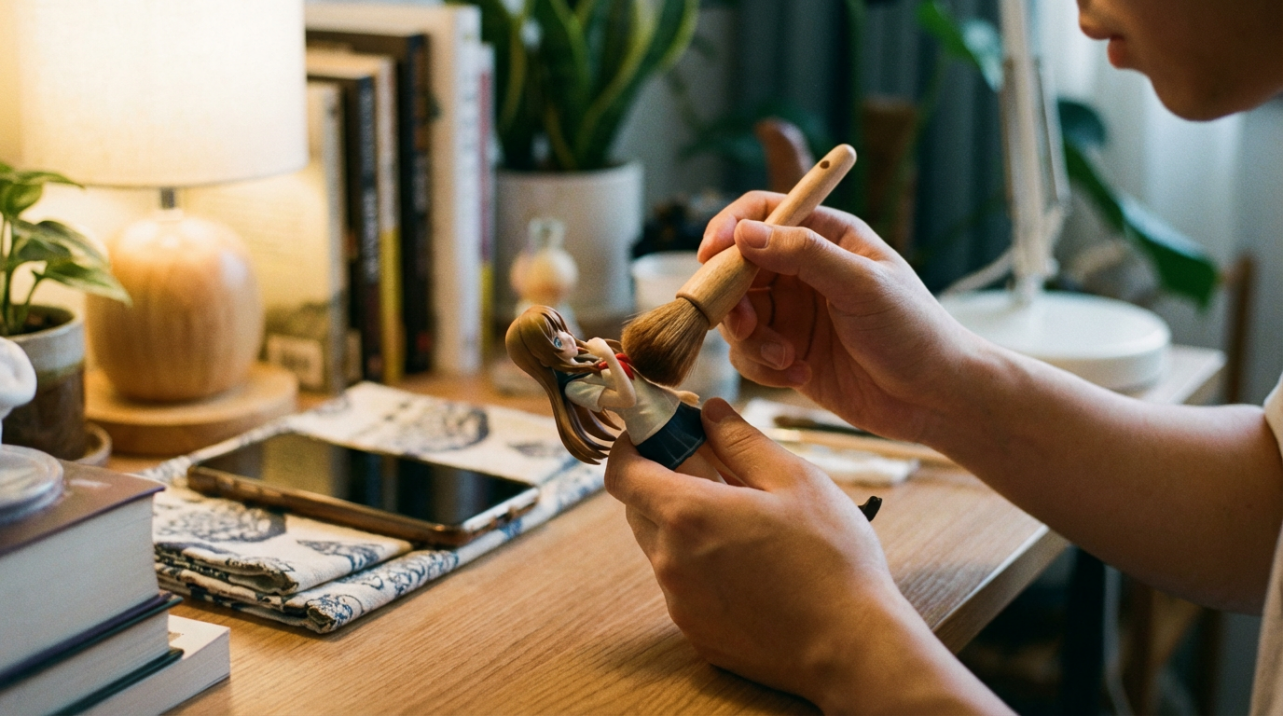
- When intrusive thoughts spike, spend 10 minutes dusting, reposing, or photographing a figure instead of reaching for your cell phone to doomscroll.
Keep It Healing, Not Hoarding
Of course, the line between soothing and spiraling is real. Collectors in the Black Dolls Matter community warn that when doll collecting becomes an obsession, it can wreck finances, relationships, and self-worth.
Key red flags:
- You are skipping bills or going into debt to chase preorders.
- You feel panicky or irritable if you cannot buy something new.
- Your space is so cluttered you avoid using whole areas of your home.
- You hide boxes, lie about spending, or sacrifice sleep and meals for auctions.
A recent review of crafts-based mental health programs found short-term boosts in mood and well-being but could not yet confirm long-term effects. Treat collecting as one tool among many, not the entire treatment plan.
A New Season for Your Fandom and Your Heart
One breakup story describes using decor to redefine home after a breakup, turning a new room into an emotional safe zone instead of a monument to loss. Your figures and statues can play the same role: not a shrine to your ex, but proof that this space belongs to you again.

Think of figures as part of the same gentle, budget-conscious small, intentional purchases some writers recommend after heartbreak—comfort, not financial chaos. Pair them with therapy, journaling, time with trusted friends, and other supports.
Heartbreak forces a new season, whether you wanted it or not. Curating a collection that reflects who you are becoming—not just who you were in that relationship—is one nerdy, beautiful way to step into it.