The Intersection of Sports and Sci-Fi in Modern Collectibles
Sports memorabilia and sci-fi collectibles are merging into a single, story-driven hobby where signed jerseys, trading cards, and starships share both display space and investment logic.
Maybe your display case already looks like a crossover episode: a signed jersey next to a mecha, a rookie card propped against a starfighter, and you wondering whether this mashup is chaotic or quietly brilliant. The encouraging news is that both sports and sci-fi collectibles are maturing fast, turning that mixed shelf into something with emotional weight and real staying power instead of just passing hype. This guide explains why these fandoms are colliding, how to choose what to buy, and how to build a hybrid collection that feels cohesive, joyful, and financially sane.
Why Sports and Sci-Fi Are Colliding Now
From Side Hobby to Global Ecosystem
Data from a major marketplace already shows how blended fandom has become: in 2025, Pokemon, LEGO Star Wars, and Michael Jordan ranked among the top-searched collectible terms, so collectors chased TCG packs, starships, and basketball legends in the same browsing sessions, with LEGO alone averaging roughly 425 searches per minute on the platform’s charts 2025 collectibles trends. That same report highlights spikes around quirky items like Masters garden gnomes and a LeBron James doll, alongside surging interest in WNBA stars, showing that sports, sci-fi-adjacent toys, and pop-culture oddities now move together in one big attention stream.
On the figurine side, market research estimates that the global action figures segment reached about $9.7 billion in 2024 and is on track to climb to around $18.5 billion by 2033, powered mainly by superhero, anime, and movie characters that anchor entire shelves and rooms action figures market. Collectors are not just buying toys for kids; limited runs, detailed sculpts, and franchise tie-ins mean many of those figures are treated more like small statues or "entry-level art" for fandoms. Parallel analysis of animation collectibles puts that broader category in the multibillion-dollar range as well, with growth tied to nostalgia and the global rise of anime, which helps explain why a Labubu designer toy collaboration with an anime franchise can sell out instantly while its searches explode on secondary markets, as 2025 collectibles trends reports note.
On the movie side, a dedicated study values the global movie collectibles market at about $46,450.78 million in 2025 and projects it to reach roughly $67,457.63 million by 2032, a 5.5% compound annual growth rate driven by posters, prop replicas, statues, and similar pieces, according to movie collectibles market research. Within TV and film memorabilia broadly, sci-fi and fantasy series such as Star Wars and similar universes dominate demand for props, costumes, and high-end replicas, which means many of the physical objects drifting into collectors’ homes are spaceships, armor, and robots rather than everyday drama props.
Sci-fi as a film genre is a financial engine in its own right: franchises like Star Wars, Avatar, Transformers, and Jurassic Park/World rank among the top-selling sci-fi brands by combined box office and merchandise pull, with multibillion-dollar grosses stacked across their series runs, according to rankings of top sci-fi franchises. A separate ranking of the highest-grossing sci-fi film series reinforces that picture, putting Star Wars alone at over $10 billion in box office and showing how long-running universes like Planet of the Apes and Star Trek quietly accumulate billions over many entries. When a fictional universe makes that much money on screen, it almost always spawns a river of figures, statues, and prop replicas downstream.
Financially, sci-fi cinema is often described as a cultural and economic engine that fuels merchandise, licensing, streaming, and long-tail home media, creating multiple layers of revenue tied to the same fictional worlds, as studies on the financial impact of sci-fi movies note. Commentators also point out that sci-fi films often anticipate or normalize new technologies, from advanced visual effects and VR to the kind of interactive displays that now show up in sports broadcasts, which in turn makes collectors more comfortable embracing digital collectibles and tech-enhanced displays for their fandoms.
On the sports side, detailed breakdowns of leading memorabilia investments highlight how items like game-worn championship jerseys, rookie-season gear, and milestone artifacts have evolved from sentimental keepsakes into serious alternative assets, with some blue-chip pieces modeled to deliver mid-teens annual returns over multiyear holding periods, according to sports memorabilia investment guides. Other reports peg the broader sports memorabilia collectibles market itself in the tens of billions of dollars and growing steadily, with trading cards projected as the single largest product segment and game-used equipment and vintage pieces gaining momentum as collectors chase true scarcity and historical significance.
Together, that adds up to one reality: both sports and sci-fi now sit inside global, data-heavy ecosystems where fandom, storytelling, and money are tightly intertwined. When a collector lines up a Shohei Ohtani autograph next to an Evangelion or Gundam figure, that shelf is echoing trends playing out across entire industries.

How to Choose What to Collect Across Sports and Sci-Fi
Heart Collection vs Head Collection
A deep dive into sports memorabilia guides makes one thing obvious: the pieces that consistently perform over time are not random souvenirs but scarce items tied to iconic players, key seasons, and major milestones such as championship wins or record-breaking games, as sports memorabilia investment research emphasizes. Think game-worn jerseys from all-time greats, rookie-season gear from already proven stars, Hall-of-Fame induction-year items, and highly documented milestone artifacts; these are treated almost like blue-chip stocks within the hobby.
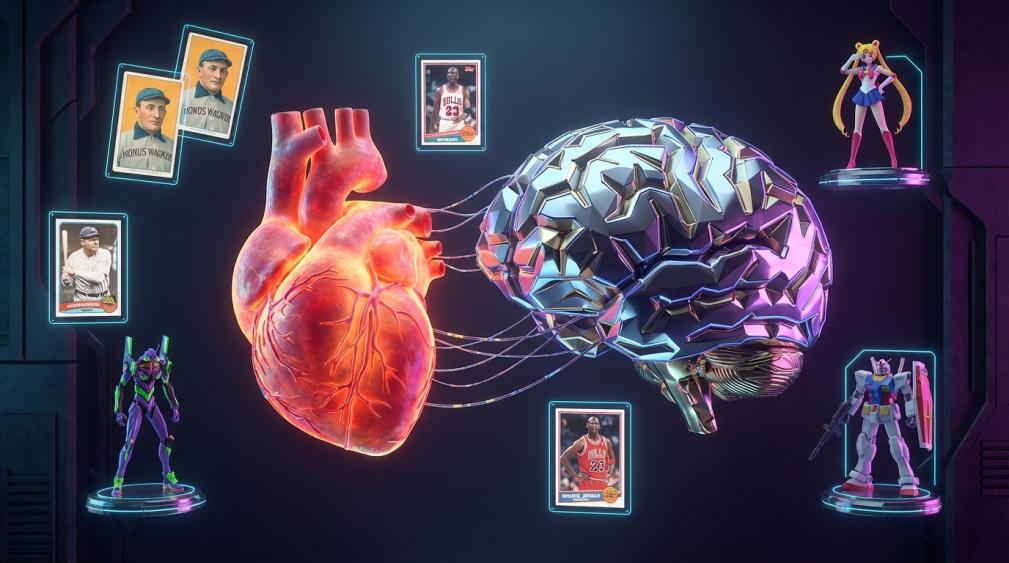
From a collector’s perspective, that creates three broad paths. A heart-first collection is built around stories: favorite anime series, beloved sci-fi films, a hometown team, or a single athlete whose arc resonates deeply. The payoff is emotional; every glance at the shelf hits like a highlight reel or a favorite episode. The downside is that many mass-produced items, like generic stadium merch or unlimited-run character figures, have limited long-term upside, especially if they were made in the last couple of decades and lack built-in scarcity vintage sports memorabilia.
A head-first collection leans into numbers. Here the focus moves toward graded rookie cards, 1-of-1 or low-serial modern cards, limited-edition statues, and game-used or screen-used items with impeccable provenance. Record-breaking sports cards featuring legends such as Michael Jordan, Mickey Mantle, Babe Ruth, and modern stars show how extreme rarity plus cultural impact can push prices into seven or even eight figures, but these pieces live in a thin, volatile slice of the market. For most collectors, trying to "trade" their way there can turn a fun hobby into a stressful, overleveraged side hustle.
For many fans, a hybrid approach works best. That might look like centering the collection on characters and teams that genuinely matter personally, while making sure flagship pieces within those lanes check at least a few boxes from the investment playbook: limited print runs or edition sizes, connection to major moments or seasons, strong grading where applicable, and rock-solid authenticity. A practical way to think about it is to let the heart pick the lane (for example, your favorite NBA team and a sci-fi universe you never tire of rewatching) and then let the head refine which items within that lane deserve premium budget.
Signals That a Franchise or Player Can Carry a Collection
On the sci-fi side, top-selling franchises such as Star Wars, Avatar, Transformers, and Jurassic Park/World combine multibillion-dollar box office totals with thick layers of merchandise, from toys and prop replicas to lifestyle items like lightsaber lamps and franchise-branded decor, according to rankings of top sci-fi franchises. Box office lists for sci-fi film series underline that strength, showing Star Wars at over $10 billion, the Jurassic films above $6 billion, and other long-running universes steadily climbing through repeat entries. For collectors, that kind of sustained output usually signals durable fan bases, regular content refreshes, and recurring waves of collectibles that can cohere into a focused, long-term shelf.
Anime and superhero-driven action figures benefit from similar dynamics. With the action figures market alone estimated at $9.7 billion in 2024 and projected to reach about $18.5 billion by 2033, demand is being fueled by blockbuster cinematic universes, long-running manga and anime, and adult collectors chasing premium, limited-edition sculpts (action figures market). When a character or series spans multiple seasons, movies, and game adaptations, it becomes much easier to build a themed corner around them and trust that future releases will keep refreshing that lane.
For sports, guides to vintage memorabilia emphasize that age by itself is not enough; scarcity, player greatness, and ties to notable games or championships are what really push value, as vintage sports memorabilia research stresses. Game-used bats and balls from important contests, jerseys worn by true legends, and rookie-era items tend to outrun generic souvenirs from the same era. High-profile sales of vintage cards featuring icons like Honus Wagner, Babe Ruth, and Mickey Mantle, and modern "created rarity" cards with tiny print runs, all illustrate how collectors reward a mix of historic resonance and extreme scarcity.
The sports card niche in particular is projected to grow from roughly $12.62 billion in 2024 to about $23.08 billion by 2031, with autograph cards expected to dominate demand as collectors chase direct connections to athletes sports card collecting trends. That is more than an 80% increase in market size over seven years, which supports the idea that well-chosen cards tied to culturally important players can keep finding new buyers as waves of younger fans enter the hobby.
For a hybrid sports-sci-fi collector, the sweet spot often lies where strong stories and strong data overlap: an all-time great athlete whose memorabilia is already recognized as blue-chip, paired with a sci-fi or anime universe that has proven staying power, active merchandising, and a growing global fan base.
Physical vs Digital: Jerseys, Figures, and Files
What Physical Pieces Still Do Best
Auction houses and valuation guides consistently show that the top-dollar items in the hobby remain physical, tangible pieces: game-worn jerseys, autographed equipment, high-grade vintage cards, and rare memorabilia from legendary careers sports collectibles values. For sci-fi fans, the equivalent tier includes screen-used props, costumes from iconic scenes, original posters, and low-run statues or busts tied directly to key characters or moments.
The pros of physical items are obvious the moment a display light hits a foil-etched sports card slab or a carefully painted figure. They are tactile, easy to show off at conventions or to friends, and they slot naturally into home decor. They also come with specific responsibilities: guides stress that condition, rarity, and historical significance determine value, and that proper storage—card sleeves and cases, UV-resistant frames, climate-controlled rooms, and limited handling—can make or break long-term prospects, as vintage sports memorabilia experts emphasize. High-end investment pieces are often insured like any other valuable asset and kept in low-humidity, low-light environments, even if display replicas or lower-end items handle day-to-day visibility.
The cons sit on the same axis. Physical items can be bulky, fragile, and surprisingly demanding if shelf space is limited. PVC figures can lean or discolor under heat and light, signatures can fade, and ungraded or unauthenticated autographs face skepticism in resale markets. Counterfeits, from forged signatures to bootleg figures, remain a persistent risk, which is why recommendations to insist on certificates of authenticity, professional grading, and strong provenance now show up as non-negotiables in serious collecting guides on sports memorabilia investments.
Where Digital Collectibles and AR Fit In
In the movie space, analysts increasingly highlight blockchain-based collectibles and NFTs as tools to verify provenance, reduce counterfeits, and create limited digital editions that complement physical memorabilia, according to movie collectibles market research. Sports card and memorabilia platforms have experimented with similar ideas, using blockchain infrastructure to back digital trading cards and to enable crypto payments, creating a parallel track where collectors can buy, sell, and trade without ever touching the physical item, as sports card collecting trend reports note.
Digital collectibles have clear advantages. They are globally accessible from a cell phone, scarcity can be enforced programmatically (for example, one-of-one or limited-run issues), and they often plug into interactive experiences like fantasy contests, games, or fan hubs. Augmented reality layers now let collectors point an app at a jersey, card, or figure and unlock extra content, transforming a static item into a portal for highlight reels, behind-the-scenes stories, or holographic overlays.
The trade-offs are real, though. Platform risk is the big one: a beloved app or NFT platform can lose support, change rules, or fade from relevance, leaving collectors with items that technically exist but feel disconnected from active communities. Visual display is still clunkier than walking past a lit shelf, and fees, security concerns, and regulatory uncertainty can make digital-only bets feel more speculative than a well-loved physical piece on the wall. Because of that, many experienced collectors treat digital collectibles as a side quest rather than the main storyline, allocating only a small slice of their annual collecting budget to experiment.
A simple approach is to cap digital experiments at a modest share of what would be spent on collectibles anyway.

If an annual hobby budget is $2,000, for example, setting aside 200 for digital moments or AR-enhanced items allows exploration of new formats while keeping the core of the collection anchored in cards, jerseys, and figures that can still be enjoyed if a platform disappears.
Designing a Shelf That Feels Like One Universe
Guides to vintage sports memorabilia often stress that how pieces are stored and displayed can matter as much as what they are, because condition heavily influences long-term value, as vintage sports memorabilia specialists note. The same logic applies when a collector mixes signed basketballs with anime scale figures and sci-fi starships: the shelf should protect the items, but it can also tell a story.
One effective tactic is to theme displays around narrative arcs rather than categories. A "rise of legends" shelf might pair rookie cards and early-career jerseys with origin-story anime heroes and the first film in a sci-fi saga. A "dynasties and empires" shelf can group championship memorabilia with intergalactic empires, from dominant sports teams to sprawling space operas. That way, the eye reads each section as a mini museum exhibit instead of a jumble of unrelated objects.
Physical layout and protection then follow. Heavy resin statues and larger figures sit best on lower, deeper shelves or dedicated risers, so they do not stress glass or knock into graded card slabs. High-value cards, autographed photos, and smaller pieces can live in UV-filtering frames or cases, with desiccant packs nearby if humidity is a concern. Recommendations from memorabilia specialists include avoiding direct sunlight, keeping temperature and humidity relatively stable, minimizing direct handling of autographed or high-grade items, and insuring pieces that would be painful to replace out of pocket, as sports memorabilia investment guidance often suggests.
For digital layers, consider treating screens as part of the display rather than a separate world. A small wall-mounted screen or tablet looped to show a rotating gallery of favorite sci-fi scenes, anime openings, or slow pans of high-end sports cards can visually connect digital holdings, game clips, and movies to the physical artifacts on adjacent shelves. This is where sci-fi’s history of predicting and normalizing futuristic tech plays to collectors’ advantage; audiences already accept that fandom can live on holograms, AR overlays, and mixed-reality interactions, as analyses of the broader impact of science fiction movies point out.
Here is a quick way to think about the main lanes inside a blended collection:
Collectible lane | What shines here | Pros in a hybrid collection | Main risks and trade-offs |
|---|
Sports memorabilia | Game-worn gear, autographs, high-grade cards, vintage pieces tied to big moments | Strong emotional pull, established grading and auction ecosystems, clear blue-chip tiers | Counterfeits, condition sensitivity, storage needs, higher entry cost for top-tier items |
Sci-fi and anime figures | Detailed statues, articulated figures, prop replicas, posters | Visual impact, storytelling power, wide price range from entry-level to premium art pieces | Overproduction of common runs, shelf space limitations, plastic aging or damage |
Digital and AR pieces | NFTs, digital cards, AR overlays, platform-based moments | Global access, enforced scarcity, interactive features, easy to trade | Platform risk, display limitations, speculative pricing, dependence on tech ecosystems |
FAQ: Blending Sports and Sci-Fi Collecting
Does mixing sports and sci-fi hurt resale value?
Buyers ultimately purchase individual items, not your whole shelf, so a mixed display does not inherently hurt resale. In fact, marketplace data showing Pokemon, LEGO Star Wars, and Michael Jordan among the most searched terms in the same year suggests that collectors are already comfortable jumping between categories in a single session, as 2025 collectibles trends reports indicate. As long as each piece stands on its own merits—authenticity, condition, scarcity, and cultural relevance—the fact that a rookie card lived beside a starship on your wall does not change its intrinsic appeal.
Are anime figures really investments or just decor?
Action figure and animation collectibles markets are large and growing, with one report putting action figures alone at about $9.7 billion in 2024 and projecting significant growth by 2033 (action figures market). That scale shows there is serious demand, but most mass-produced figures behave more like premium decor than guaranteed investments. Limited editions, numbered runs, high-end statues, and figures tied to enduring franchises or landmark films tend to have better long-term potential than generic or overprinted designs. Treat most anime figures as expressive decor that may occasionally surprise on value, rather than as primary retirement assets.
If starting from scratch, where should a hybrid collector begin?
A good starting point is to pick two sports heroes and two fictional universes that genuinely matter and then acquire one meaningful piece in each lane: perhaps a solid mid-tier rookie card, a reasonably priced signed item, a favorite anime figure, and a standout sci-fi piece that you know you will still love in ten years. From there, build slowly, focusing on quality over volume, documenting authenticity and purchase details, and upgrading display and storage before jumping into riskier, high-dollar or digital experiments. Over time, the collection will naturally evolve into a story of how your fandom and taste have grown instead of a random pile of trend-chasing buys.
A hybrid sports-and-sci-fi collection can feel like a shared universe your younger self always wished existed, where box scores, space battles, and anime character arcs all live in the same timeline. If each new piece earns its spot through both emotional resonance and basic collecting discipline, your shelves will keep delivering that small rush every time you walk past them, while staying aligned with the bigger currents of a rapidly growing collectibles world.