Understanding Mold Growth on Collectible Figurines and How to Care for Them
This guide explains how mold forms on collectible figurines, how to clean it safely, and how to prevent it from returning through better display and storage habits.
Mold on collectible figurines usually points to too much moisture, organic grime, and stagnant air, but with safe cleaning and smarter storage you can usually stop the damage and keep it from coming back. A handful of consistent habits keeps most shelves crisp, colorful, and mold-free for the long term.
Ever slid open a display case, spotted fuzzy white specks creeping over your favorite statue’s cape, and felt your stomach drop along with that musty whiff of “basement”? Collectors who react quickly—isolating the piece, cleaning it carefully, and tweaking the room’s climate—almost always save the figure and prevent the rest of the collection from becoming collateral damage. This guide shows you how to recognize real mold, clean different materials without wrecking paint, and dial in display and storage so mold becomes a rare plot twist instead of a recurring villain.
What Mold on Figurines Actually Is
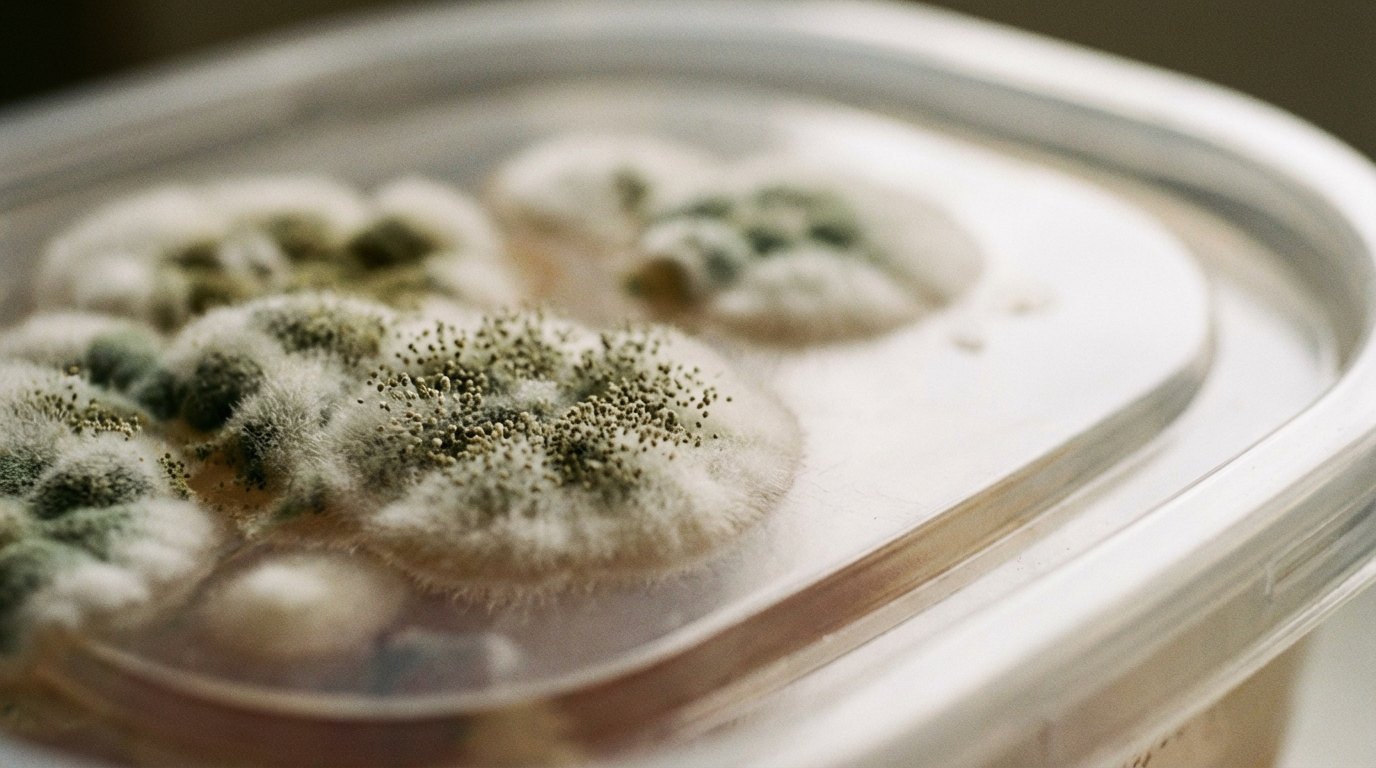
Mold is a microscopic fungus that thrives on dead organic material, spreading through clouds of tiny spores that float in the air and settle wherever conditions are right, including on collectibles that look “inert” at first glance. Conservation specialists note that these spores can cause allergic reactions and respiratory issues for people while actively damaging organic collection materials when growth is heavy, even after the visible fuzz is brushed away, because some residues remain embedded in surfaces and in the air microscopic fungus that thrives on dead organic material.
It feels unfair, but even plastics, resin, and glass can host mold when there is a thin film of organic residue such as skin oils, dust, food smears, or cardboard fibers bonded to the surface. A Canadian technical bulletin on heritage collections explains this in terms of “simple nutrients”: if spores land on a slightly dirty, slightly damp surface and stay moist long enough, they can germinate and grow even on what should be a non-food material. On figures and statues this usually shows up as soft, fuzzy, or velvety patches—gray, white, greenish, or brown—often accompanied by a stale, earthy smell.
Not every white haze on a figure is mold, though. Vintage Star Wars collectors talk about “plastic rot,” a white powder that develops on aging figures and bubbles, sometimes starting as a slimy film that can smear onto nearby toys if they touch or share tight storage. Another curveball comes from superglue: one forensic specialist in a miniatures forum described a reaction where cyanoacrylate fumes bond with fingerprint oils on smooth surfaces, making ghostly white fingerprint patterns that can easily be mistaken for mold. Real mold tends to be patchy and organic rather than in clear fingerprint or drip shapes, and it usually comes with that telltale smell and a slightly damp or fluffy texture.
Why Mold Loves Figurine Collections
Mold’s favorite hangouts are warm, damp, and still. Pediatric and household-health experts point out that bathrooms, basements, wet carpets, and toys that regularly get soggy are classic mold hot spots in warm, damp, humid environments because water gets trapped in nooks and crannies and does not dry quickly. Your collection is vulnerable for the same reason: enclosed glass cabinets near windows, figures displayed in humid rooms, or boxes parked on a cool concrete floor can all quietly create little pockets of moisture.
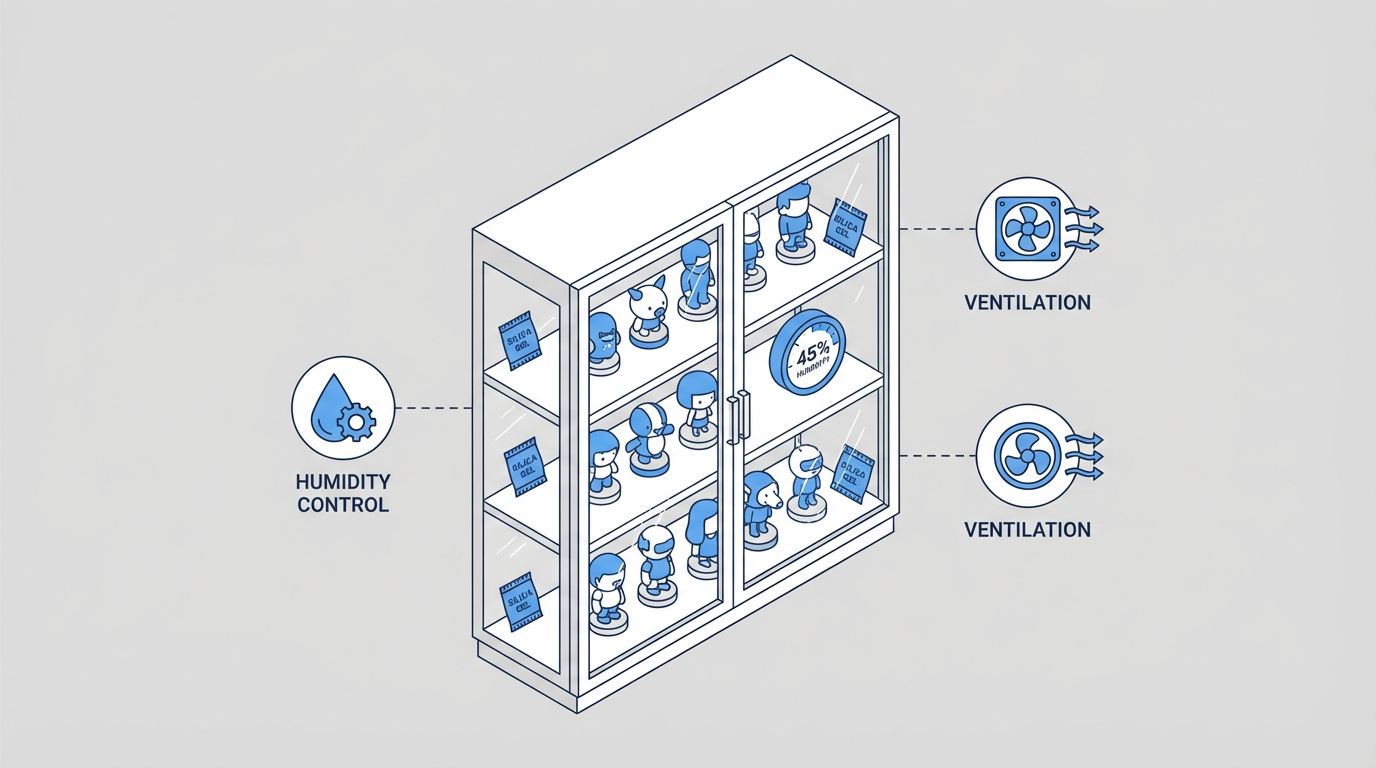
Humidity is the big stat to watch. Museum and antique-storage guides consistently recommend cool rooms with relative humidity at or below about 50 percent to limit mold and warping, especially for mixed-material collections that include paper, cardboard, wood, and textiles alongside plastic figures cool, dry storage with humidity at or below about 50%. Technical bulletins for heritage collections describe mold growth kicking in once the moisture around an object rises to the equivalent of roughly 75 percent relative humidity for extended periods, so the gap between 50 and 75 percent is where prevention lives.
The way you box and display figures sets the micro-climate they live in. Action-figure storage guides recommend using airtight boxes or bins for long-term storage to shield figures from dust, ambient humidity, and occasional leaks, then adding silica gel or similar desiccant packets inside to soak up extra moisture. Moisture-control pouches marketed for home storage are designed specifically to keep small enclosed spaces drier so mold, mildew, and tarnish do not get a foothold on stored valuables, making moisture-control desiccant packs a useful addition to enclosed bins and cases. If your figures live in a humid basement, a closed cabinet with an accurate hygrometer and fresh desiccant is often the difference between pristine and fuzzy.
Is Mold Dangerous to You and Your Collection?
Health considerations
The health side of mold is not just scare talk. Conservation labs describe staff developing hives after handling moldy materials and having trouble breathing after brushing heavily contaminated surfaces, and they recommend treating both live and dead spores as potentially irritating because either can trigger symptoms when airborne concentrations are high, including allergic reactions and breathing problems.
Pediatric specialists echo that most healthy people, including kids, can handle small exposures without major issues, but children and adults with mold allergies, asthma, or other respiratory sensitivities may start coughing, wheezing, or rubbing itchy eyes even around lightly moldy toys, a pattern echoed in guidance on mold on toys and respiratory symptoms. Extra care is urged for anyone with a weakened immune system, where infections are harder to fight; for those households, extremely moldy toys and collectibles are often better replaced than restored.
Even in a hobby context, it is smart to treat mold as something you avoid breathing. Collectors discussing mold on vintage toys have warned that spores are microscopic and inhaling them can make you sick, which lines up with medical guidance on mold exposure mold spores are microscopic and breathing them can make you sick. When you are dealing with anything beyond a tiny patch, a well-fitted mask or respirator rated for particulates and disposable or nitrile gloves are a very reasonable baseline.
Damage to figures and boxes
For the collection itself, active mold is a slow-motion boss fight. Conservation guides emphasize that collection items made of “dead” organic materials such as paper, wood, leather, and fabrics are essentially food; live mold consumes them, softening surfaces, staining, and eventually weakening structure, as described in guidance on mold damaging organic collections. On a figure shelf, that means diorama bases, cardboard backers, foam inserts, cloth capes, and paper accessories are prime targets.
Plastics add their own twist. Storage specialists note that many plastics have an “inherent vice”: they are chemically unstable, can off-gas corrosive compounds, and deteriorate faster when exposed to light, temperature swings, and humidity many plastics have an inherent vice. Combine plastic breakdown with mold and you get chalky surfaces, sticky films, hazing on bubbles, and stains inside bubbles or blisters that will not completely disappear even after careful cleaning.
First Response When You Spot Mold on a Figure
The first move is to hit pause, not panic. Heritage-collection conservators advise isolating any moldy object as soon as you spot it by sealing it in a closed container so spores do not spread to other items or circulate through the room, following the recommendation to isolate moldy items in closed containers. For figures, that can be as simple as moving the affected piece and any immediate neighbors into a clean plastic bin with a lid while you decide what to do next.
Before you start cleaning, protect yourself. The same conservation sources recommend working with a mold-rated mask or respirator and latex or nitrile gloves when handling moldy artifacts, especially if you will be brushing or wiping and potentially kicking spores into the air, underscoring the value of a mask or respirator and nitrile gloves. Forum collectors dealing with moldy toys also warn that spores you cannot see can still cause illness if you inhale clouds of them while scrubbing, a reminder that mold spores are microscopic and breathing them can make you sick. Working near an open window or even outdoors, if the weather cooperates, helps keep your gaming room from becoming a spore chamber.
Next, decide whether the figure is actually worth fighting for. Pediatric guidelines on moldy toys suggest that small mold spots can be cleaned, but toys that are heavily moldy, smell foul, or have hidden interior contamination are often safer to discard rather than rescue, echoing the advice that heavily moldy, foul-smelling toys are often best discarded. For a rare grail statue or a limited-run PVC heroine, you might still attempt restoration or consult a professional; for a common, badly infested figure with mold crawling under the bubble and through the cardboard, it is often kinder to your collection and your lungs to say goodbye.
Cleaning Mold Off Collectible Figurines
Gentle cleaning for PVC and resin
For most modern PVC and resin figures with light surface mold, start with the same tools you use against dust. Action-figure cleaning guides recommend beginning with dry dust removal using a very soft brush or microfiber cloth so you do not grind grit into the paint regular dust removal with soft tools. Once loose material is off, mix lukewarm water with just a drop of mild dish soap, dampen a microfiber cloth or cotton swab (do not soak it), and gently work on the moldy area in small circles, staying away from decals and delicate printed detail as much as you can.
After cleaning, dab the area dry with a soft cloth and let the figure air-dry fully on a clean towel, out of direct sunlight and away from heaters.
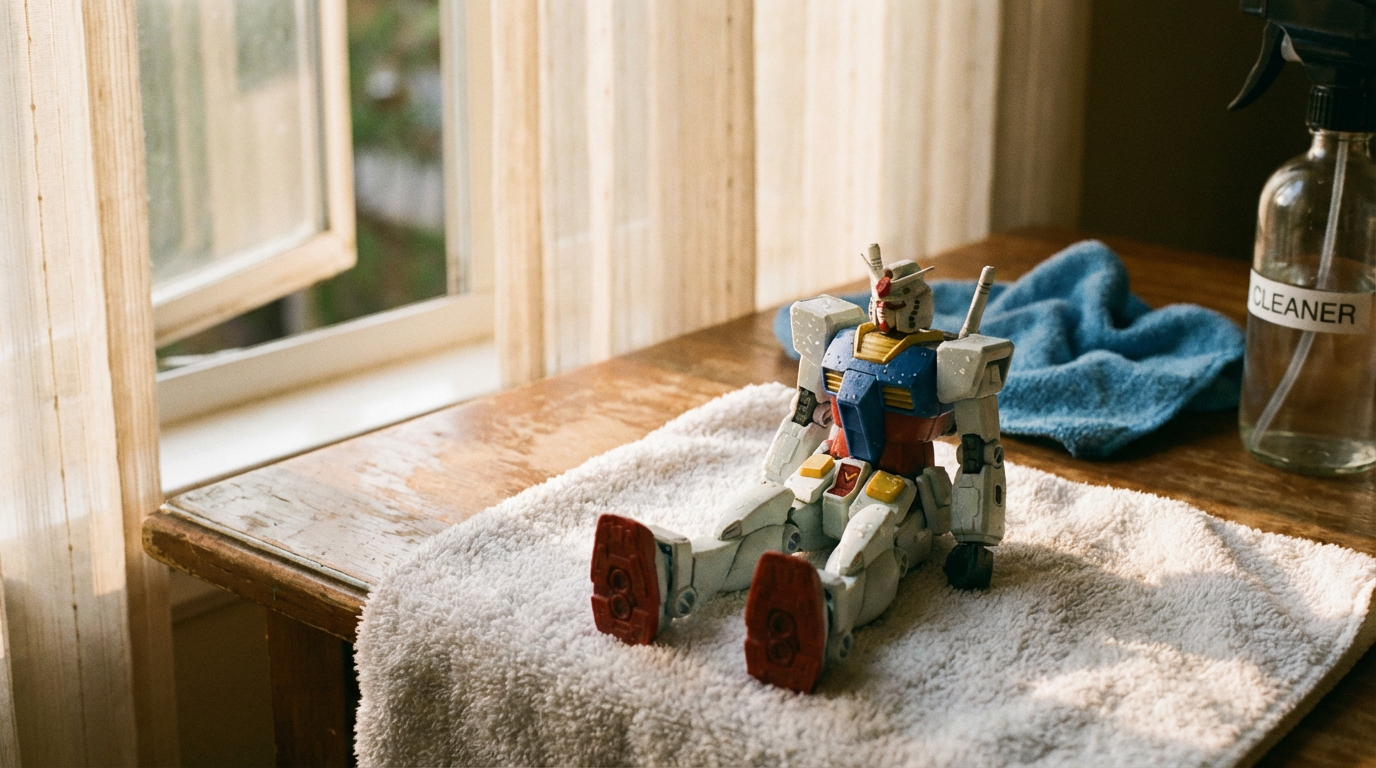
Collectible-care guides warn that heat sources and strong sun can warp plastics and fade paints over time, so a shaded shelf at normal room temperature is a better recovery bed than a sunny windowsill, which is why they advise you to keep figures out of direct sunlight and extreme temperatures. Make sure no moisture is hiding in joints, peg holes, or under capes before you return the figure to the cabinet.
When and how to use stronger cleaners
Sometimes mild soap is not enough. For a small, stubborn mold spot on unpainted hard plastic or a base, pediatric cleaning advice allows using warm soapy water or, very cautiously, a small amount of bleach mixed into water, keeping in mind that harsh solutions and strong odors are a sign you should probably retire the toy instead of escalating attempts, with small mold spots cleaned with warm soapy water or a small amount of bleach. On collectibles, bleach should never touch painted surfaces or clear parts you care about, and it should always be heavily diluted and rinsed thoroughly if you decide to use it at all.
Vintage-figure collectors dealing with “plastic rot” have reported better long-term results using about 70 percent isopropyl alcohol on a soft cloth or cotton swab to wipe away early-stage slimy or powdery films, noting that regular soap and water sometimes only suppress the problem temporarily before it returns. This approach is riskiest on older, fragile paints and tampo prints, so it is essential to spot-test in an inconspicuous area and proceed slowly. If you see color lifting onto the swab, stop; the figure’s finish is not compatible with that treatment.
Other collectors suggest going harder and dunking old toys in very hot water to kill mold and loosen grime, then scrubbing them clean, but even they warn about the health risks of the spores involved during very hot water soaks and scrubbing. From a preservation standpoint, hot water softens many plastics and can permanently warp limbs or weapons, so for anything you want to keep near-mint, lukewarm is a safer maximum.
Physical removal matters more than “killing” mold
A key mindset shift from the conservation world is that removing spores physically matters more than nuking them chemically. Heritage-care guidance favors gently brushing or wiping away loose mold with a soft brush, microfiber cloth, or specialized soot sponge rather than relying on fungicidal sprays, which can damage objects and do not remove allergenic residue, recommending a soft brush, microfiber cloth, or soot sponge for mold removal. For figures, that means prioritizing careful mechanical cleaning, ideally outdoors or in a very well-ventilated area where spores can disperse safely.
Chemical “kill steps” such as alcohol or very mild bleach are backups, not the main weapon. Once visible growth is gone and the surface is dry and clean, keeping humidity down and dust under control does more to prevent regrowth than any one-time disinfectant treatment. Mold spores are everywhere in the air; your goal is to deny them the wet, dirty surfaces they need to colonize.
Freezing as an advanced option
In some museum contexts, freezing is used to inactivate mold on objects before more detailed cleaning. A curator describing a moldy wooden microscope box, for example, considered sealing the piece and placing it in a freezer to stop active growth, then vacuuming and brushing away residues afterward freezing to inactivate mold. Technical guidance explains that freezing halts growth and can kill active colonies, though many spores survive and only weaken over repeated freeze–thaw cycles.
For figurine collectors, freezing is an advanced, case-by-case move rather than a routine fix. It is more appropriate for items where you cannot safely scrub immediately, such as complex diorama bases with deep, fuzzy growth inside crevices, or when you want to make sure mold is completely inactive before you bring a contaminated piece back into the house. If you attempt it, seal the item in a clean, moisture-resistant bag, freeze it for several days, then let it come back to room temperature inside the sealed bag to avoid condensation before opening and performing careful surface cleaning.
Quick comparison of common cleaning options
Method | Where it fits | Pros | Cons / risks |
|---|
Lukewarm water and mild soap | Most PVC and resin with light surface mold | Gentle, cheap, safe for many painted surfaces | Can leave spores if you skip thorough wiping and drying |
Diluted bleach solution | Small spots on unpainted hard plastic | Strong at killing mold on non-porous surfaces | High risk to paint, metals, and plastics; fumes; odor |
70% isopropyl alcohol | Sticky or slimy films on tough plastics | Cuts residue better than soap in some cases | Can lift paint or cloud plastics; always spot-test and go slow |
Very hot water soak | Low-value toys where warping is acceptable | Simple, no chemicals, loosens grime | Warps plastic, softens glue, more spore exposure while scrubbing |
Freezing before cleaning | Complex pieces with heavy active growth | Stops growth without chemicals | Needs time and freezer space; does not remove spores or stains |
Locking Mold Out: Display and Storage Habits
The long-term win is to make your display a place mold simply does not want to spawn. Storage advice for antiques and collectibles recommends keeping items in cool rooms rather than hot, humid spaces, targeting around 65°F to 75°F and relative humidity at or below about 50 percent to limit mold, mildew, and warping, aligning with recommendations for cool rooms with relative humidity at or below about 50%. Technical mold-prevention bulletins for museums add that most common species will not grow until humidity near an object rises to roughly 75 percent for a sustained period, which is why a decent dehumidifier or air conditioning in a dedicated collection room is such a strong protective upgrade.
Where you store figures matters as much as how. Guides for artifact storage warn against attics, basements, and garages because they tend to be hotter, more humid, and more prone to leaks or condensation, recommending instead interior rooms where temperature and humidity swings are smaller, reinforcing the advice to avoid attics and basements for storage. Boxes should be kept off the floor, ideally on shelves or pallets, to keep them away from damp concrete and the first inch of any minor flooding so you keep boxes off the floor to reduce moisture risk.
Inside the micro-world of a bin or case, you want a clean, dry, lightly cushioned environment. Action-figure storage articles advocate airtight plastic totes or close-fitting cases to block dust and ambient moisture, combined with silica gel packets swapped out every few months to absorb whatever humidity sneaks in, making airtight boxes or bins very effective. Moisture-control products sold for home storage are specifically marketed to protect collectibles, documents, and decorative pieces by keeping the air in boxes drier and discouraging tarnish, mold, and mildew; moisture-control desiccant packs are a straightforward add-on.
Ventilation and spacing are underrated details. Storage-unit and building-material guides dealing with mold prevention suggest leaving a little space between stored items and walls, elevating containers on shelves, and allowing some airflow so moisture does not condense and sit in dead air pockets, reinforcing the advice to elevate items and allow airflow in storage spaces. The same logic applies to your display cabinet: do not overcrowd shelves so tightly that air cannot circulate, and avoid pushing cases flush against exterior walls that tend to form condensation when outdoor temperatures swing.
Day-to-day handling habits also tilt the odds in your favor. Mold thrives on organic residue, so conservation and collectible-care articles emphasize keeping food and drinks away from collection areas, washing and drying hands before handling items, and minimizing direct contact with painted surfaces whenever possible, helping you keep collectibles clean and minimize handling. Action-figure cleaning guides add that figures stay in better condition when displayed behind glass or in closed shelves to limit dust, then gently dusted with soft brushes and microfiber cloths every few months so dirt does not build up into a sticky film that traps moisture, which is why regular dust removal with soft tools matters.
Finally, treat your collection like a living archive and check on it. Antique and collectible storage advice recommends inspecting stored items at least every few months, looking for musty smells, new spots, or any sign of damp boxes, and fixing issues early instead of waiting until a full bloom of mold appears, so it is wise to inspect collections every few months. A simple spreadsheet or app that tracks where things are and when you last inspected them turns maintenance into a manageable routine instead of an overwhelming chore.

When It Might Not Be Mold
Collectors sometimes discover that the “mold” on a figure is actually chemistry, not biology. On some vintage plastics, a white powder or slimy film can be the result of the plastic itself breaking down, sometimes called plastic rot, which can transfer residue to neighboring figures in tight storage but does not behave like traditional, fuzzy mold colonies. Cleaning with mild soap or, cautiously, small amounts of isopropyl alcohol can remove the film, yet it may return because the underlying material continues to age and outgas.
Another lookalike is cyanoacrylate fogging. One miniature figure enthusiast with a background in fingerprint analysis has described how fumes from superglue bond to the salty, oily residues in fingerprints on smooth surfaces, turning invisible prints into a white, powdery pattern that is now used deliberately in forensic labs. In an enclosed display cabinet where a freshly glued figure or base is off-gassing, those same fumes can develop faint fingerprint-style white marks on nearby glossy pieces that mimic mold at first glance.
If you see clearly defined fingerprint patterns, halos around glued joints, or white veils on the inside of acrylic or glass, think “fogging” before “fungus.” The treatment in that case is to improve ventilation, let glued pieces cure fully before sealing them in tight cabinets, and clean the fogged area gently like any other residue rather than reaching for heavy mold responses. Environmental control still matters, but you may be battling chemistry rather than spores.
When to Let a Figurine Go
Sometimes the most collector-savvy move is to retire a piece. Pediatric guidance on moldy toys is blunt: heavily moldy, foul-smelling, or extensively contaminated toys, especially older ones that have sat in damp garages or basements for years, are often safer to replace than to pass down or keep handling, and heavily moldy, foul-smelling toys are often best discarded. The same logic applies to mass-produced figures whose plastic is sticky, whose packaging is collapsing from mold, or whose insides you simply cannot reach to clean.
Health circumstances matter too. For households with someone at higher infection risk, such as people undergoing chemotherapy or taking strong immune-suppressing medications, pediatric specialists recommend being extra strict about keeping toys very clean and getting rid of anything with recurring mold problems, especially when there is higher infection risk and mold on toys is a concern. No grail is worth triggering asthma, allergies, or something more serious. In those situations you might photograph and document a beloved but contaminated figure for your personal lore and then replace it with a cleaner copy or a different piece that fills the same narrative slot on the shelf.
FAQ
Can a little mold on one figure contaminate a whole display case?
Yes, if conditions are right. Mold spreads through airborne spores, and conservation labs have documented how disturbed mold on one object can trigger breathing symptoms and spread to nearby materials when spores become airborne, leading to allergic reactions and breathing problems. In a closed cabinet, spores shed from a single fuzzy cloak can settle on neighboring figures and packaging, then wait for moisture spikes to germinate. Isolating the affected figure quickly, cleaning nearby pieces, and improving humidity control in the case greatly reduces the chance of a full-shelf outbreak.
How often should you check for mold?
Storage guides for collectibles recommend inspecting collections at least every few months, especially items stored in little-visited rooms or off-site units, so it is wise to inspect collections every few months. For display cabinets in your main living space, a quick visual scan whenever you dust, plus a deeper look after any leak, spill, or heatwave, keeps surprises to a minimum. If you know your region has very humid summers, treat the start and end of that season as natural checkpoints.
Are silica gel packs enough by themselves to prevent mold?
Silica gel and other desiccant pouches are powerful sidekicks but not a complete solution. Moisture-control products designed for home storage are meant to reduce humidity inside bins, boxes, and cases so valuables are less likely to develop mold, mildew, or tarnish; moisture-control desiccant packs fit this role well. They work best when combined with reasonably sealed containers and an overall room environment that is not constantly saturated. If the room itself lives at swamp-level humidity, desiccants will saturate quickly and need frequent replacement, and mold can still sneak in.
A moldy figure feels like a villain that somehow spawned behind your back, but it is really just physics, biology, and a bit of neglect teaming up. Once you learn how mold grows, how to clean it without wrecking paint, and how to armor your shelves with good climate and storage habits, you turn a scary surprise into a manageable side quest that keeps your collection in show-ready shape for years of fandom flexing.