Anime figures embody characters that countless fans adore and treasure. These figurines could, however, eventually break or become brittle. It is possible to discover that the foundation has cracked, the paint is fading, or a small piece has broken off. Thus, maintaining the condition and worth of your anime figures is important. In this article, we'll look at easy fixes for common problems to assist you in keeping your anime figures in the best possible condition. Now let's get going!
Understanding Your Anime Figure Materials
The main materials used to create anime figures are PVC, ABS, and resin. Every substance responds to environmental factors differently:
PVC
PVC is comparatively robust and long-lasting. It's perfect for intricate designs. But, intense heat—such as direct sunshine or high temperatures—can cause PVC to warp. It may eventually become yellow which could affect how the figure looks.
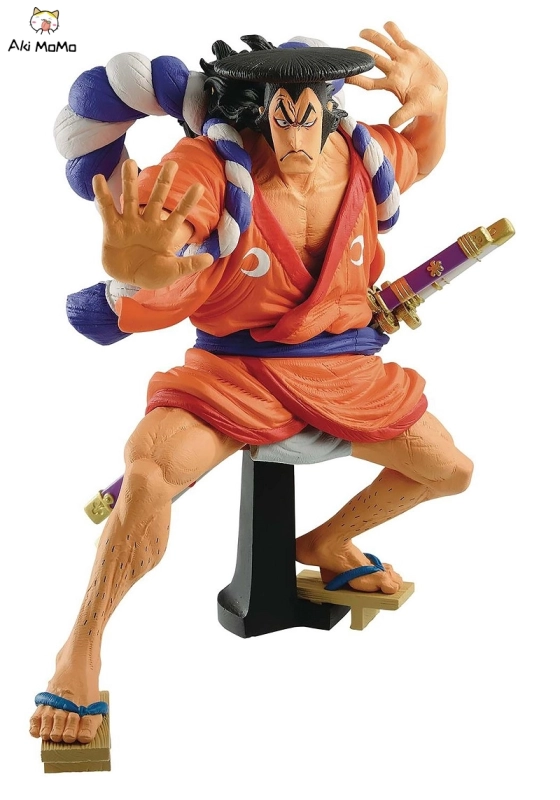
ABS
ABS is another strong popular material used in figures, particularly for sections like bases and joints that need to be more solid. Even though ABS is strong, it's brittle when exposed to harsh weather, just like PVC does. If handled roughly, its brittleness will increase the likelihood of cracking or breaking.
Resin
Resin figures are usually utilized for limited editions or higher-end collectibles and are usually more detailed. Their distinctive appearance is highly coveted by collectors. Resin is far more delicate than PVC or ABS, despite the fact that it can catch minute details beautifully. It is readily chipped and does not withstand blows well. Additionally, the resin can be sensitive to temperature changes, perhaps resulting in warping.
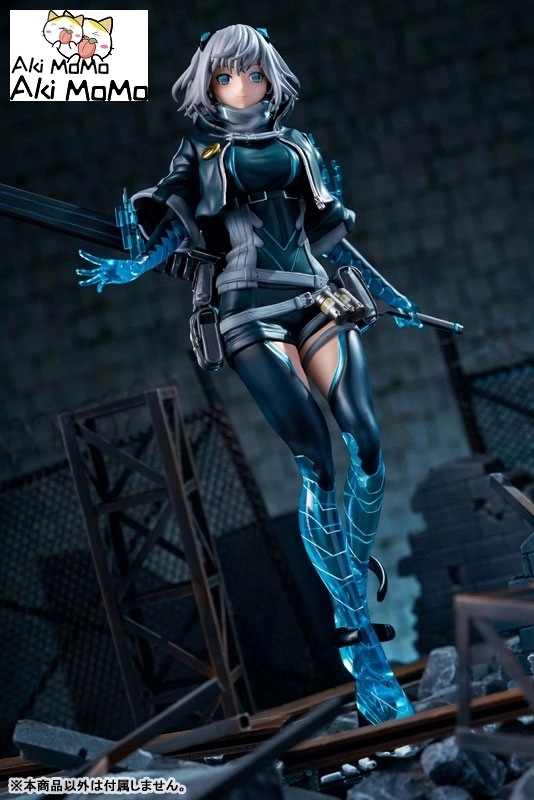
Tools and Supplies Needed for Repairing the Figure
Having a basic repair kit and cleaning supplies on hand is essential for mending and maintaining your anime figures. Check the table below to prepare the tools and gear:
| Category |
Tools/Supplies |
| Repair Kit |
- Tweezers to handle small parts safely
- Glue to fix broken pieces
- Paint to touch up scratches or chips
|
| Cleaning Supplies |
- Mild soap mixed with water / Specialized figure-cleaning solutions to avoid damaging paint finishes
- Microfiber cloths to prevent scratching
- Soft brushes for dusting intricate areas
|
Now that you have these supplies ready, let's talk about the many kinds of damage your figurines might sustain and how to fix them. This comprehensive procedure can be used to address minor cracks, more significant breaks, or paint chips.
Broken Small Parts
Anime figures sometimes feature small, delicate pieces that are prone to breaking off from misuse or pressure, such as fingers, hair strands, or weapons. You can use model glue or a strong plastic adhesive to repair broken pieces. These kinds of glue will provide a strong hold because they are made especially for joining plastics. Following a few easy procedures, fixing these parts is typically rather simple.
How to Repair Broken Parts
- Gather your model glue or plastic adhesive, tweezers (for handling small pieces), and a clean cloth handy.
- Gently clean the broken edges of both parts with a cloth to remove any dust or residue before applying glue.
- Using a small amount of glue, apply it directly to one of the broken edges. Make sure they fit together snugly and are aligned properly.
- Once the pieces are aligned, hold them together firmly for about 10-20 seconds. Let the glue dry completely. This might take anywhere from a few hours to overnight, depending on the type of glue used.
- Avoid touching the repaired area during this time. If the part feels weak after drying, consider adding a small piece of thin plastic or resin to the back of the repair for reinforcement.
Loose Joints
Articulated anime figures may experience loose joints with time, especially in the arms, legs, and neck regions. It may be challenging to posture your form because of its looseness. White glue, clear nail polish, or a specialized joint-strengthening compound can all be used to repair loose joints. These materials aid in increasing joint friction, which stabilizes the joint without impairing movement.
How to Fix Loose Joints
- Prior to repairing loose joints, locate the problematic joint by carefully moving the affected part.
- To get rid of dust, use a soft cloth to clean the region surrounding the joint.
- On the surfaces of the joints, apply a thin coating of diluted white glue or clear nail paint.
- Give the product about 30 minutes to an hour to dry thoroughly. When the joint is dry, carefully reassemble it, making sure it fits snugly.
- Try moving it to see if it feels more stable while maintaining a smooth motion. Apply thin layers of glue again if it's still loose.
Paint Chipping and Scratches
Your anime figures may eventually develop paint chips and scratches because of regular handling or unintentional touch. Use specialized figure paint or model paint meant for touch-ups to repair chips and scratches. These paints are designed to stick to plastic surfaces smoothly and to give your figure a long-lasting gloss that is consistent with its original appearance.
How to Repair Paint Damage
- Begin by assessing the chipped or scratched regions to determine how much paint you'll need.
- A clean towel, water, a palette, and fine brushes (size 00 or 0) should be gathered along with a complementary paint hue.
- Clean the surface around the damage with a damp cloth, ensuring it's dry before painting.
- To prevent accumulation, apply the paint in small layers and give each one time to completely dry. If the new paint stands out, blend the edges with a dry brush technique.
- Lastly, for a flawless finish, check your work and repeat as needed.
Warped Parts
PVC (polyvinyl chloride) anime figures may occasionally deform with time as a result of gravity, temperature fluctuations, or incorrect storage. This may result in limb deformities, warped supports, or bent weaponry. Thankfully, distorted areas are easily repaired with heat shaping techniques like a hair dryer or warm water.
How to Repair Warped Parts
- To repair warped PVC parts, gather a bowl of warm water (60-70°C), a hair dryer (if preferred), cold water in another bowl, and a towel.
- For the water method, soak the warped part in warm water for 2-5 minutes to soften it, ensuring the water isn't boiling. Alternatively, use a hair dryer on low or medium heat, holding it a few inches away from the warped area until it feels warm.
- Once softened, reshape the part gently and then quickly cool it in cold water to set the new shape.
- Finally, dry the piece with a clean towel before reassembling it.
Stains and Yellowing
Your PVC figures may become discolored or yellowed over time from exposure to sunshine, grease, and dust. Surfaces can accumulate with dust and oil, particularly if your figures are on exhibit in poorly ventilated spaces. Additionally, sunlight can turn plastic yellow, which will change the way your anime figures seem overall. To clean stains and yellowing from PVC figures, use a mixture of mild soap and water or specialized cleaners designed for plastic. These goods aid in removing dirt without endangering the surface of the figure.
How to Clean Your Figures
- To clean your PVC figures, collect the following supplies: warm water, gentle dish soap, cotton swabs or a soft cloth, rubbing alcohol for tough stains, and a mixing bowl.
- Mix a few drops of soap with warm water in a bowl. Dampen the cloth or swab with the soapy solution, ensuring it's not soaking wet.
- Gently wipe stained areas using circular motions. For tough spots, apply rubbing alcohol cautiously.
- Rinse off any soap residue with a damp cloth, then dry thoroughly with a towel.
- For severe yellowing, consider specialized PVC cleaners and avoid sunlight to prevent future staining.
Cracks or Damage to the Base
The base is essential for your physique to look stable and appealing. Over time, bases may crack or sustain damage from tilting or falling, especially when holding heavy figures. Strong glue or filling resin can be used to repair tiny cracks or base damage. Replacing the entire base could be a better option for more significant issues.
How to Repair the Base
- To start fixing a damaged base, collect these materials: matching paint, sandpaper, filling resin for wider cracks, and strong adhesive (such as super glue or epoxy).
- To guarantee excellent adhesion, thoroughly clean the damaged area with rubbing alcohol.
- Apply adhesive straight into minor gaps using a toothpick, press the edges together, and remove any extra glue by wiping it away. For larger cracks, follow the directions for mixing filling resin, fill the crack to a slight extent, and let it cure completely.
- To achieve a smooth finish, lightly sand the area with fine-grit sandpaper once it has dried.
- If required, repaint using thin coats of matching paint, letting each coat dry before adding another.
How Can You Prevent Damage to Your Anime Figures?
Proper Display Practices
To keep figures' colors from fading and turning yellow, place them away from direct sunshine. Over time, ultraviolet (UV) radiation can cause significant harm to paint coatings. Make sure the humidity in your display area stays steady between 40% and 60%. Low humidity can cause paint to break, while high humidity might cause warping or the formation of mold. If needed, think about utilizing a dehumidifier or devices that absorb moisture.
Regular Maintenance
Try to tidy up your anime figures every few months. Dust and grime can be softly removed from surfaces without causing scratches with a microfiber cloth or soft brush. Spend some time reviewing your collection on a regular basis. Look for wear indicators, fractures, and loose parts. Early detection can guarantee that your figures stay gorgeous for many years.
Storage Solutions
Purchase specialized boxes or cases to keep your collectibles safe. These protect the anime figures from accidental injury and keep dust and filth at bay. To avoid fading, look for solutions with UV protection. Never stack your figures; always store them upright. This keeps fragile components, such as limbs or attachments, from being crushed and keeps them whole and undamaged.
Caring for Your Anime Figures for Lasting Beauty!
Maintaining the beauty and value of your anime figures requires proper care. You may confidently make repairs by being aware of the materials your figures are composed of and the common issues they may encounter. Each figure tells a story, take your time to clean, inspect, and store them properly, you are sure to enhance the overall collecting experience!