Choosing the Right Microfiber Cloth for Cleaning Figurines
The right microfiber cloth keeps anime figurines dust-free and scratch-free while reducing harsh cleaners and cleaning time.
Dusting your favorite scale figure, only to notice faint swirl marks on a glossy faceplate or shield, is one of those tiny heartbreaks every collector remembers. Side-by-side tests on everyday messes show that good microfiber grabs grime faster and more completely than paper towels or basic dishcloths, which translates directly into safer, quicker figurine care in real life. When you understand how thickness, weave, and quality change what a cloth actually does on plastic, resin, and porcelain, you can build a tiny “cleaning loadout” that protects paint, preserves value, and fits your display routine.
Why Microfiber Matters So Much for Figurines
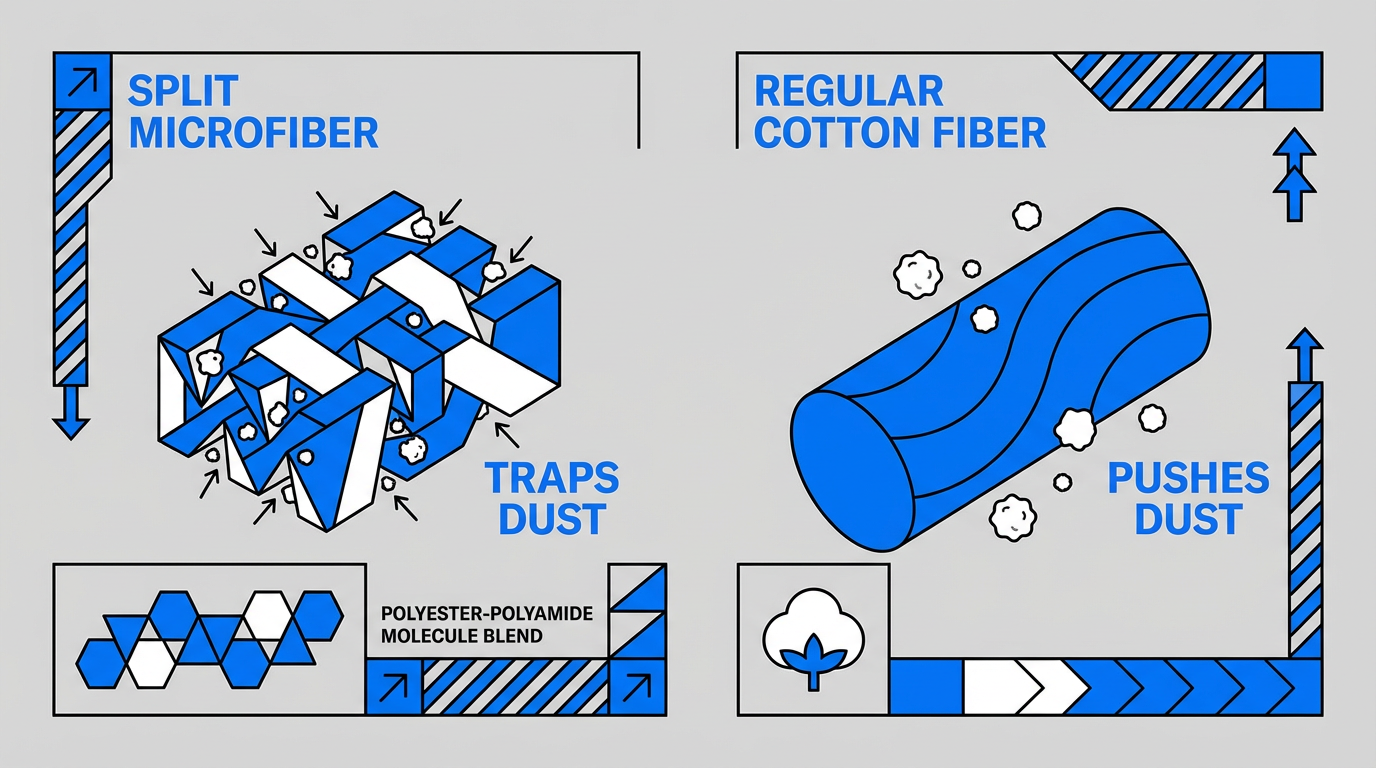
Microfiber cloths are made from ultrafine synthetic fibers, usually a polyester and polyamide blend, that are far thinner than cotton and are split into microscopic channels to trap dust, oils, and moisture instead of just pushing them around. That split-fiber structure is what lets microfiber absorb several times its own weight and pull particles out of tiny crevices on surfaces, which is exactly what you want around sculpted hair strands, jacket folds, and armor details on figures. A technical overview of microfiber materials explains that these blends are engineered specifically for high absorbency, softness, and durability in cleaning applications, not just for clothing or upholstery, which is why they show up in professional tools for delicate jobs like glass, chrome, and screens. Microfiber material guidance
For figurine collectors, the biggest win is that microfiber is non-abrasive when used correctly, so it can lift dust off PVC, vinyl, ABS, and painted resin without scratching the finish. Car-care specialists rely on the same kind of towels to protect glossy automotive paint, where even micro-scratches are obvious, and emphasize that the softness of the fiber and the way it lifts dirt away from the surface are what keep things safe. Advice on choosing microfiber for different tasks highlights that a polyester–polyamide blend with enough polyamide content gives the right balance of softness and absorbency, which translates nicely from car panels to anime figures standing under bright LEDs. Microfiber cloth selection tips
On top of everyday cleaning, microfiber has earned a place in conservation work, which should be reassuring when you are worried about a limited-edition grail piece. When a massive 80-foot stage curtain made from modern synthetic fibers was restored, conservators cleaned it entirely by hand using a conservation vacuum, small brushes, microfiber cloths, and plain water because those tools were gentle enough for a historic textile that also has to keep performing under stage lights. That blend of soft tools and minimal moisture is very close to how serious collectors treat fragile paint and decals.
The Specs That Actually Matter: Fiber, Thickness, and Weave
Fiber quality and “grab”
Not all microfiber is created equal. High-quality cleaning cloths use split fibers that feel slightly “grabby” on dry hands, which is a good sign for dust pickup. Lower-grade microfiber used in apparel and furniture often skips the splitting step, which makes it soft but not very absorbent and not great for cleaning. Technical summaries of microfiber manufacturing emphasize that split-fiber cleaning cloths can trap fine particles much more effectively than unsplit varieties, which you can feel immediately when you swipe one across a dusty shelf and see almost no residue left behind.
In practice, that means a cheap “microfiber” throw blanket draped over your couch is not what you want near detailed paint. Look for cloths marketed specifically for cleaning, ideally with a polyester–polyamide blend and at least around one-fifth polyamide for softness and water uptake. Guidance for general cleaning cloth buyers recommends checking that the cloth is designed for dusting, glass, or delicate surfaces; those tags usually signal split fibers and higher performance instead of decorative fabric sold under the same word.
A simple at-home test is to drag a new cloth lightly across the back of your hand.
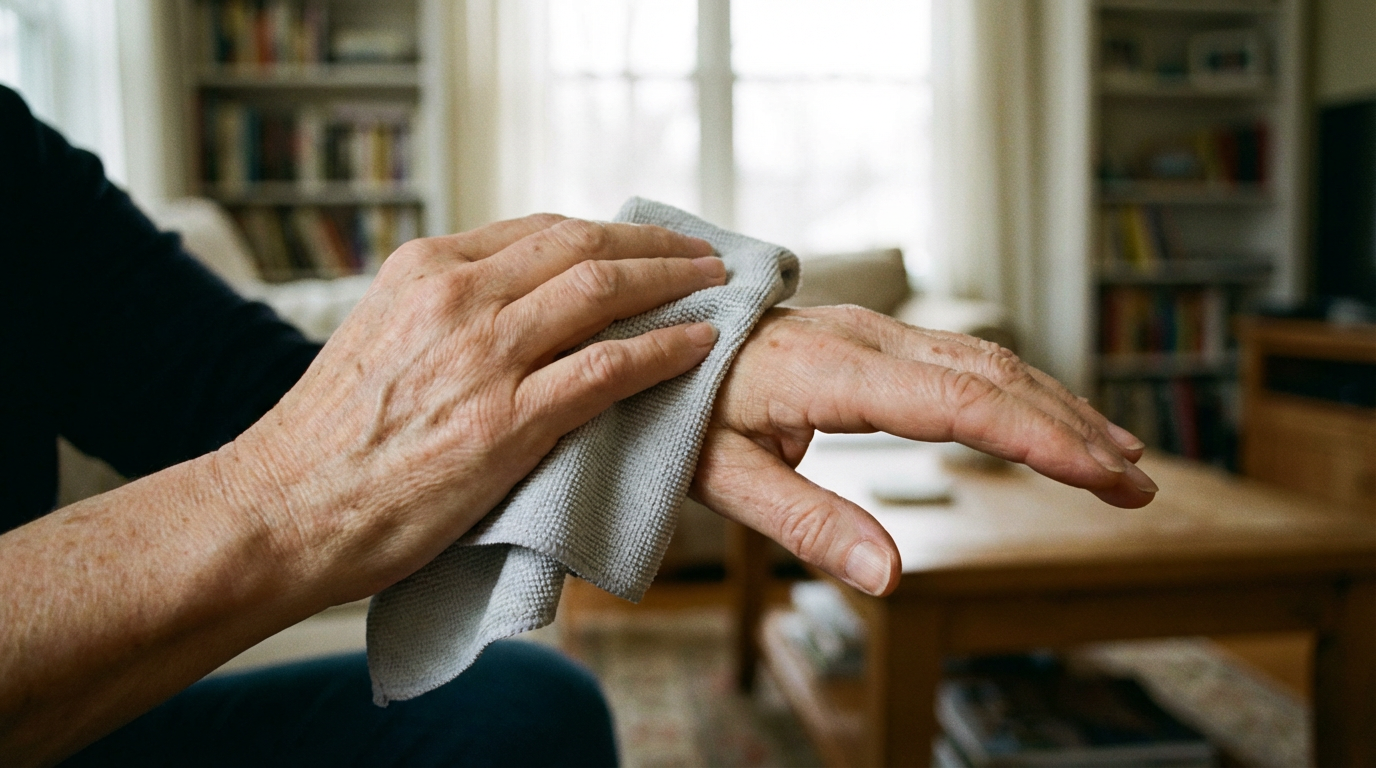
If it glides like satin, it may not pick up much dust; if it has a gentle grabby feel without scratching, that’s closer to ideal for figurines.
GSM and thickness: How fluffy is too fluffy?
GSM, or grams per square meter, is the main way manufacturers describe how dense and thick a microfiber cloth is. Lower GSM cloths are thinner and lighter, while higher GSM versions are thicker, fluffier, and more absorbent. Overviews aimed at both commercial and home users map out rough GSM ranges, noting that lighter cloths around the low 200s suit basic dusting and glass, mid-range cloths in the 300s work well for general cleaning, and ultra-plush cloths above that are used for heavy-duty drying and polishing in car care and premium applications.
For figurine collectors, that theory translates into a few practical sweet spots. A lighter cloth around the low-to-mid 200 GSM range is gentle and controlled enough for clear bases, acrylic risers, and glossy faceplates where you want as little drag as possible. A medium cloth somewhere in the 280–360 GSM neighborhood feels like a soft towel and gives you enough “cushion” to safely dust larger bodies, capes, and hair without needing to press hard. Very plush cloths in the 360–500 GSM range are best reserved for drying larger surfaces—like glass doors on a display case or the top of a bookcase—rather than rubbing directly on small painted details where too much pile can catch and snag.
You can think of GSM as the difference between a thin T-shirt and a plush hoodie.
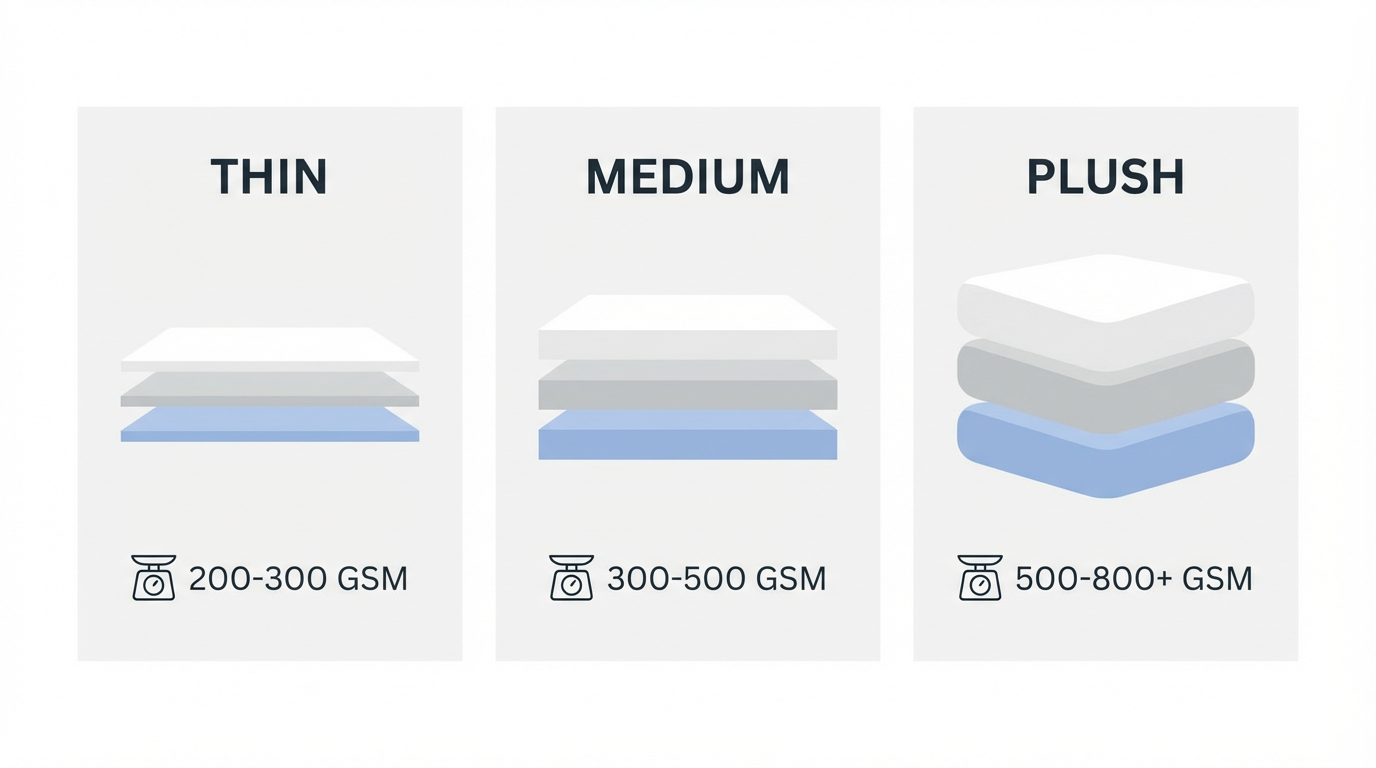
For one 1/8-scale figure, a lighter “T-shirt” cloth is easier to control; for wiping down a full shelf, the “hoodie” cloth makes more sense.
Weave and edges: The hidden scratch risk
Beyond thickness, the weave structure of a microfiber cloth changes how it behaves. Household guides break microfiber into terry-style cloths with visible loops for general cleaning, waffle weaves that drink up water and dry quickly, and flat weaves that lie smooth and don’t hold larger debris, which makes them ideal for glass and screens. Microfiber types and uses
For figurines, a terry-type cloth with a medium pile is excellent for everyday dusting, while a flat-weave cloth shines on acrylic display cases, mirrored bases, and clear plastic effects where you want zero lint and minimal streaks. Waffle weaves are better for drying watery surfaces like shower doors or dishes and are usually overkill for figures unless you are drying a rinsed display shelf.
Edges matter more than most collectors realize. Manufacturing guides point out that reinforced or laser-cut edges reduce fraying and linting, and edgeless laser- or ultrasonic-cut cloths are considered safest for extremely delicate, high-gloss surfaces because there is no stitched seam to scratch. Choosing cloths with smooth, well-finished edges or edgeless designs gives you one more layer of protection when you are sliding cloth around seams and base edges.
Here is a quick way to translate specs into figurine use cases:
GSM range (approx.) | Typical feel | Best figurine use case |
|---|
200–280 | Thin, light, smooth | Screens, acrylic cases, glossy bases, clear stands |
280–360 | Soft, towel-like | General dusting of PVC, vinyl, and ABS figures |
360–500 | Plush, very absorbent | Drying shelves or large surfaces, not fine painted details |
The ranges overlap on purpose; if you err slightly thicker on GSM but keep the weave gentle and the cloth spotless, you will still be far safer than with rough cotton rags.
Matching Cloth Types to Your Figurine Materials
PVC, vinyl, and ABS: Everyday heroes
Most modern anime figures, chibi statues, and vinyl collectibles live in the PVC, vinyl, or ABS family. These plastics handle light wiping well as long as you protect the paint. Cleaning advice for action figures emphasizes using soft microfiber cloths for routine dusting, pairing them with clean makeup brushes and canned air to reach crevices without resorting to harsh chemicals or hot water that can warp plastic or lift paint.
A medium-weight terry-style cloth lets you gently cradle a figure by the base while lightly sweeping from top to bottom so dust moves off the figure instead of into joints and hair seams. Spring-cleaning guides for vinyl collectibles like stylized pop figures recommend microfiber for both boxes and figures because it lifts dust without scratching and can be used dry or slightly damp depending on how grimy things have gotten. Collector spring cleaning ideas
A practical setup is to keep one small, lighter GSM cloth dedicated to faces, clear effect parts, and glossy hair, and a slightly thicker cloth for cloaks, armor skirts, and bases. Color-coding makes this easier: using different colored cloths for different areas mirrors advice to color-code cloths by room or task to avoid cross-contamination, just adapted from kitchens and bathrooms to display cases and bookshelves.
Resin garage kits and fragile paint
Painted resin and custom garage kits often have thinner, more fragile paint layers, tiny protruding details, and sometimes matte or semi-matte finishes that show damage instantly. Conservation-oriented cleaning of ceramics and porcelain stresses extremely gentle handling, supporting the base, and using soft, lint-free cloths or brushes while avoiding soaking and harsh cleaners, because those can dull glazes and lift overglaze decoration. That mindset applies directly to delicate resin figures, even if the materials differ.
Here, a smooth, lighter GSM cloth with a flat or very short terry weave is your best friend. You can use it as a “safety net” under your hand while the actual dusting happens with a very soft brush, cotton swab, or a narrow strip of the same cloth wrapped around a finger. The goal is to let the microfiber provide a soft contact surface and catch dust that falls, rather than scrubbing.
If you ever need to spot-clean a resin or highly detailed piece with a bit of warm, soapy water, follow the same rules conservators use on precious textiles and decorations: work over a padded surface, use warm but not hot water, and keep the cloth only slightly damp—not dripping—so moisture cannot seep into joints or under paint. Drying should be slow and gentle, with the piece resting on a soft towel in a shaded area instead of under heat or direct sun. Preserving holiday decor
Porcelain, ceramic, and mixed-material figures
High-end collections sometimes mix anime or game characters with porcelain or ceramic statues, or you might have figures on ceramic bases. Porcelain care guides recommend dusting weekly or as needed with a microfiber or other soft, lint-free cloth while supporting the base, using very soft brushes for intricate textures, and avoiding liquid contact with painted and gilded details whenever possible. That last point is crucial: water plus aggressive rubbing is far more likely to damage a gilded edge than dust alone.
For these pieces, prioritize a very soft, dense microfiber with a fine weave and clean, smooth edges. Use it dry almost all the time, bringing in a slightly damp cloth only for areas of unpainted ceramic that are clearly soiled and nowhere near decals, gold, or bright color. The microfiber’s job is to support the piece and catch loosened dust, while most of the maneuvering happens with gentle tools like artist brushes.
Real-World Performance: Budget vs Premium Cloths
Collectors often wonder whether they really need premium branded microfiber when a stack of dollar-store cloths costs about the price of a gacha pull. In a kitchen test on dried peanut butter, jelly, and bread dough, a basic discount microfiber cloth and a high-end silver-infused cloth both performed at the top of the pack, each earning high overall scores for grip on messes, durability, and affordability or performance. The cheaper cloth was highlighted as the best value, while the premium one excelled in speed and ease with baked-on dough, albeit at a higher price and with stricter washing rules. Cleaning cloth performance test
Translated into figurine care, that means you do not have to buy the most expensive brand to protect your collection. A well-made, mid-priced microfiber with the right blend and weave will safely handle most dusting and light cleaning as long as you keep it clean and reserve it only for figures and display surfaces. Premium cloths can be a nice upgrade if you want the absolute softest feel for grail pieces or use them across your home, but they are not a requirement for good results.
A smart approach is to assign roles. Use an older but still soft cloth for shelves and the tops of display cases, a fresher medium-weight cloth for figures, and a dedicated lighter cloth for faces, clear parts, and any finish that makes you nervous. Rotating cloths this way keeps the most delicate tasks paired with the freshest fibers.
Care, Washing, and the Environmental Side
Good microfiber is surprisingly tough. Material guides note that quality cloths can be laundered hundreds of times and still perform well, which makes them more cost-effective over their lifetime than disposable paper towels or quickly worn-out cotton rags.
To keep that performance, most experts agree on a few rules. Microfiber should be washed separately from lint-producing fabrics because its fibers are so good at grabbing lint that they will come out of the washer full of fuzz, which then risks scratching glass or glossy plastic next time you clean. Fabric softener and bleach are off the table because they coat or damage the fibers, reducing absorbency and that crucial “grab.” Low or no heat drying is best, since high heat can deform synthetic fibers and make them stiff or sticky.
There is also the environmental side to think about. Microfiber is plastic-based, and tiny fibers shed during washing and enter waterways because most treatment plants cannot catch them. Environmental groups estimate that synthetic textiles shed millions of fibers per wash, contributing significantly to shoreline microplastic pollution, and recommend steps like washing synthetic fabrics less often, using shorter cycles and colder water, and installing filters or specialty wash bags that capture fibers. Microfiber pollution overview
Sustainability-focused writers point out that durable, high-quality microfiber used for years, often with just water instead of heavy chemical cleaners, can still be a net improvement over disposable paper products and multiple bottled cleaners, even though it is not a perfect solution. Their recommendation is to invest in better cloths that last longer, shed less, and sometimes offer recycling programs, while combining them with a smaller amount of low-tox cleaning products where needed. Microfiber pros and cons
For a figure collection, this boils down to a few habits: reserve microfiber for dusting sessions rather than daily over-wiping, wash full loads in cold water when cloths are genuinely dirty, consider a wash bag or external filter if you are buying new laundry gear, and treat your cloths as long-term tools rather than something you replace every couple of months.
A Simple Microfiber “Kit” for Figurine Collectors
You do not need a drawer full of cloths labeled like a JRPG inventory screen. A practical starting kit is just three types of cloth used in different ways. First, use one light, smooth microfiber around 12 by 12 inches dedicated to faces, skin, clear parts, and glossy hair or armor; keep it bone-dry, and retire it as soon as it feels rough or starts leaving lint. Second, keep one or two medium-weight terry-style cloths in the 14 to 16 inches range for bodies, bases, and display risers; these can handle most dusting and occasional slightly damp wiping of sturdy plastic surfaces. Third, keep an older but still soft cloth for shelves, cabinet tops, and the exterior of glass doors so heavier dust never reaches your figures in the first place.
Many multipacks already come in different colors, which makes it easy to mentally map “blue for figures, gray for shelves, yellow for glass” so you never grab the wrong one mid-session. That same color-coding concept is recommended for home cleaning to prevent bathroom germs from reaching kitchen counters; here, you are just stopping shelf grit from touching your favorite heroine’s eyes.
If your collection includes both mass-produced PVC and ultra-fragile resin or porcelain, store a separate, higher-end cloth just for the most delicate pieces and limit its use to those figures only. That way, even if a shelf cloth picks up a stray grain of grit one day, your resin kits and heirloom statues still see only the cleanest fibers.
FAQ
Q: Can I just use any cheap microfiber cloth on my figures?
A: Many discount microfiber cloths do a surprisingly good job on everyday messes, and tests have shown that even very affordable options can outperform paper towels and basic dishcloths in both cleaning power and durability. The catch is that quality varies wildly: some bargain cloths shed fibers quickly or are made from unsplit microfiber that does not grab dust very well. If you go budget, look for cloths marketed specifically for cleaning with a polyester–polyamide blend, do the “grab” test on your hand, and reserve the nicest-feeling ones for figures while using the rest on shelves and other non-critical surfaces.
Q: How many microfiber cloths do I actually need for a mid-sized collection?
A: For a collection that fills a couple of display cases or bookshelves, three to six cloths is usually enough: one or two for figures, one for clear parts and faces, and one to three for shelves and glass. Because microfiber holds onto debris so well, it is better to have a couple of spares than to keep using a dirty cloth; rotating them means you can wash everything at once after a big cleaning weekend and still have a clean set ready for the next dusting run.
Closing
Choosing the right microfiber cloth for your figurines is less about chasing the fanciest brand and more about matching fiber quality, thickness, and weave to the surfaces you love. With a few well-chosen cloths and good washing habits, you can keep dust, fingerprints, and tiny scratches out of your collection’s story—and enjoy every shelf rearrange and new arrival knowing your cleaning routine is as dialed in as your display.