Handmade Figurine Collecting as Social Currency
Handmade figurines are more than cute resin or clay pieces; they are three-dimensional status updates that quietly broadcast your taste, story, and fandom loyalties. When you treat them as social currency, they can deepen friendships, grow your creative reputation, and even open doors to new opportunities.
Maybe you know the late-night moment when you catch yourself rearranging a shelf, hoping the one awkward but beloved handmade figure finally "clicks" with the rest, and wondering whether anyone else will ever see what you see in it. Collectors who treat their shelves like miniature exhibitions consistently find that handmade pieces spark richer conversations, longer glances, and more genuine "tell me about this one" moments than any mass-market grail figure. This guide shows how handmade figurine collecting becomes social currency and how to choose, curate, care for, and share your pieces so they amplify your fandom life instead of just crowding your shelves.
From Cute Shelf to Social Signal
When you start thinking of your shelf as a tight cluster of meaning-filled objects, your figurines stop being random merch and start becoming a personal language. Each handmade sculpt, custom repaint, or garage kit build says something about what you value: maybe it's your love for background characters, your obsession with villains, or your loyalty to one indie sculptor whose work you keep chasing. The more intentional that mix becomes, the more your collection acts like social currency: it tells people who you are before you say a word.
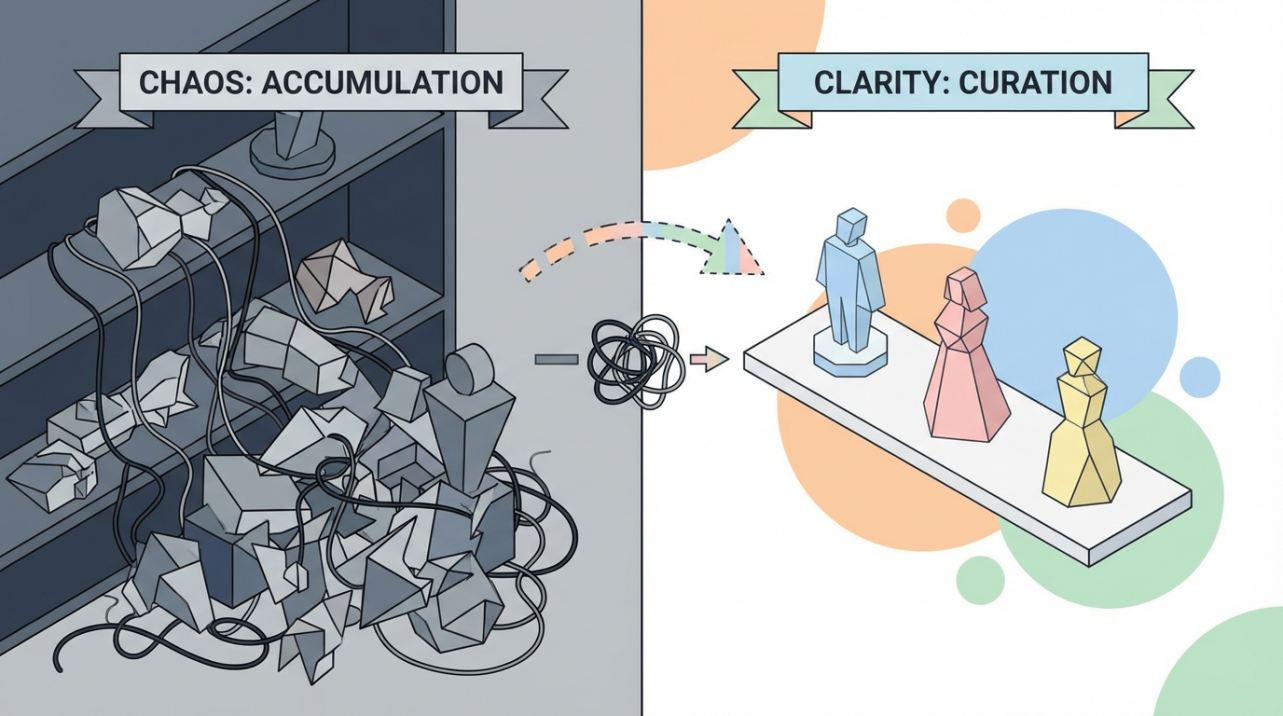
Curators and philosophers of home life argue that the shift from "tidying" to "curating your stuff" is what turns a space into a true reflection of you, because you are not just keeping objects; you are choosing which stories you want in the room and which ones you are ready to retire. That mindset, borrowed from museum practice and applied to everyday possessions, means asking whether a new figurine actually contributes to the long-term story you want your collection to tell rather than just scratching a short-term impulse.
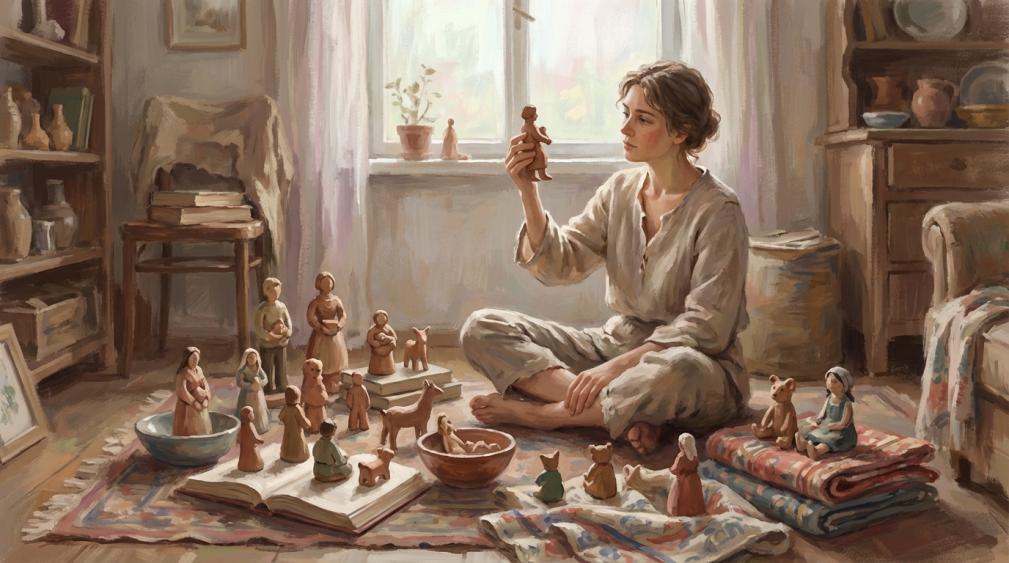
Thoughtful deaccessioning—selling, trading, or gifting pieces that no longer fit—also keeps your social signal clear instead of burying your best stories under noise, as discussed in work on curating your stuff.
Brand strategists talk about design as "emotional architecture," the way every visual choice builds a world people want to step into, and the same logic applies to your shelf. When the colors, poses, bases, and even the gaps between your handmade figures share a coherent emotional logic, the whole display feels like a tiny brand world that people instantly recognize as yours. That coherence is a powerful form of social currency: it makes your collection memorable and gives friends, visitors, and online followers an easy entry point into your fandom story.
What "Handmade" Really Means in Figurine Fandom
In anime and pop-culture collecting, "handmade" covers more than just sculpting from raw clay, although that is the purest version. It can mean a one-off ceramic yokai, a resin cast sculpted and finished in a home studio, a fully scratch-built diorama base, or a custom paint job on a factory figure where the original mass-produced colors disappear under layers of shading, weathering, and hand-painted eyes. The common thread is that a human hand and eye are clearly present in the final piece, in the same way studio ceramics preserve subtle tool marks and surface variations that distinguish them from over-glazed factory ware described in guides to ceramic art objects, even if that specific source focuses on decor rather than fandom.
Customization blurs the line between collector and artist. Repainting, resculpting hair or clothing, swapping parts, and kitbashing different toy lines let you turn generic releases into hyper-personal canon or fanon: the alternate outfit that never got a figure, the gender-bent version of a hero, or an original character that lives only on your shelf. Custom-action-figure makers describe these one-of-a-kind pieces as conversation magnets that showcase imagination and skill, and that same magnetism carries over to anime figurine customs and garage-kit builds.
Then there are ultra-personal commissions that turn specific memories into figurines. One keepsake story describes a couple who commissioned a figurine based on a favorite photo for their fifth wedding anniversary, capturing matching outfits, a shared smile, and a heart-filled background in miniature; that single piece became a physical snapshot of their relationship that sits on a shelf instead of in a photo album, as in a photo-to-figurine story shared on Lemon8. Pieces like that carry enormous emotional weight and social meaning, because when friends ask about them you are not just explaining a character—you are telling a real-life story.

Why Handmade Figurines Act as Social Currency
Handmade pieces carry a different emotional charge because they are chosen for how they make you feel, not just for logo or rarity. Designers who help people curate art for their homes emphasize that the best pieces are the ones that make your heart "skip a beat," and that art is an experience rather than mere decoration, a point echoed by interior curators who focus on art curation for emotion and wellness. Applied to figurines, that means the slightly imperfect clay shrine maiden you bought from a local artist may outrank a flawless mass-produced scale figure in social value, because it carries a stronger, more personal reaction.
Collectors of handcrafted objects talk about looking for works that "tell a story" and building relationships with the artists behind them, turning their collections into webs of human connection rather than just price tags or checklists, as described in discussions of collecting meaning-filled objects. In figurine fandom, that might mean knowing the sculptor you support on a crowdfunding platform, following their work-in-progress posts, and proudly explaining that history when someone points to the piece on your shelf. The story becomes a kind of social currency: it earns you time and attention, and it signals that you care about the people behind the characters.
Mainstream figurine guides underline how collecting is driven by nostalgia, self-expression, and community, not just monetary value, especially when they talk about figurines as ways to reconnect with childhood characters, show off favorite series, and meet other fans at events that feel like giant show-and-tell sessions for grown-ups, as in overviews of collectible figurines and how to grow a collection. Handmade figurines amplify all three drivers: they are more nostalgic because they are often tied to specific moments, more expressive because you chose or designed them, and more social because they nearly always come with a story of who made them and how you found them.
Here is one way to think about it:
Type of social currency | What your handmade figurines communicate |
|---|
Emotional | How intensely you connect to certain characters, scenes, or memories. |
Cultural | How deep you go into franchises, indie artists, or niche aesthetics. |
Economic | How much time, skill, or money you are willing to invest in rare or custom pieces. |
The goal is not to chase every type at once but to decide which mix you care about most and curate around that.
Designing a Collection That Actually Communicates
A lot of collectors hit a point where the shelf feels crowded but strangely blank, because there is no clear through-line. General figurine and toy-collecting guides repeatedly stress the importance of defining a focus—by era, theme, franchise, artist, or material—so the collection feels cohesive instead of random, a principle that shows up in advice on starting and growing a figurine collection. In practice, a focus might be "only handmade figures of my comfort character," "only yokai or spirits," or "only pieces made by small studios I can talk to directly online."
Curators of everyday objects suggest going one level deeper than "I like this" and writing a loose mission for your space, such as "my room should feel playful and hopeful" or "this corner should feel like late-night city streets," as encouraged in essays on curating possessions with a mission. Translating that to figurines, you might decide that your handmade shelf exists to celebrate underdog characters, fierce girls, or quiet scenes rather than big battle poses. Suddenly, picking the next piece becomes a story decision rather than a panic scroll through preorders.
People who help new art collectors often suggest a simple exercise: instead of rating everything, notice what you naturally linger in front of and what you breeze past, then look for patterns. That same trick works at conventions and online marketplaces: pay attention to which Artist Alley tables you keep circling back to, or which customizers' timelines you keep revisiting, and ask what they have in common. Over time, you may discover that you are drawn to muted palettes, chibi proportions, or very angular, stylized faces, and that knowledge makes your future decisions sharper and your collection more coherent.
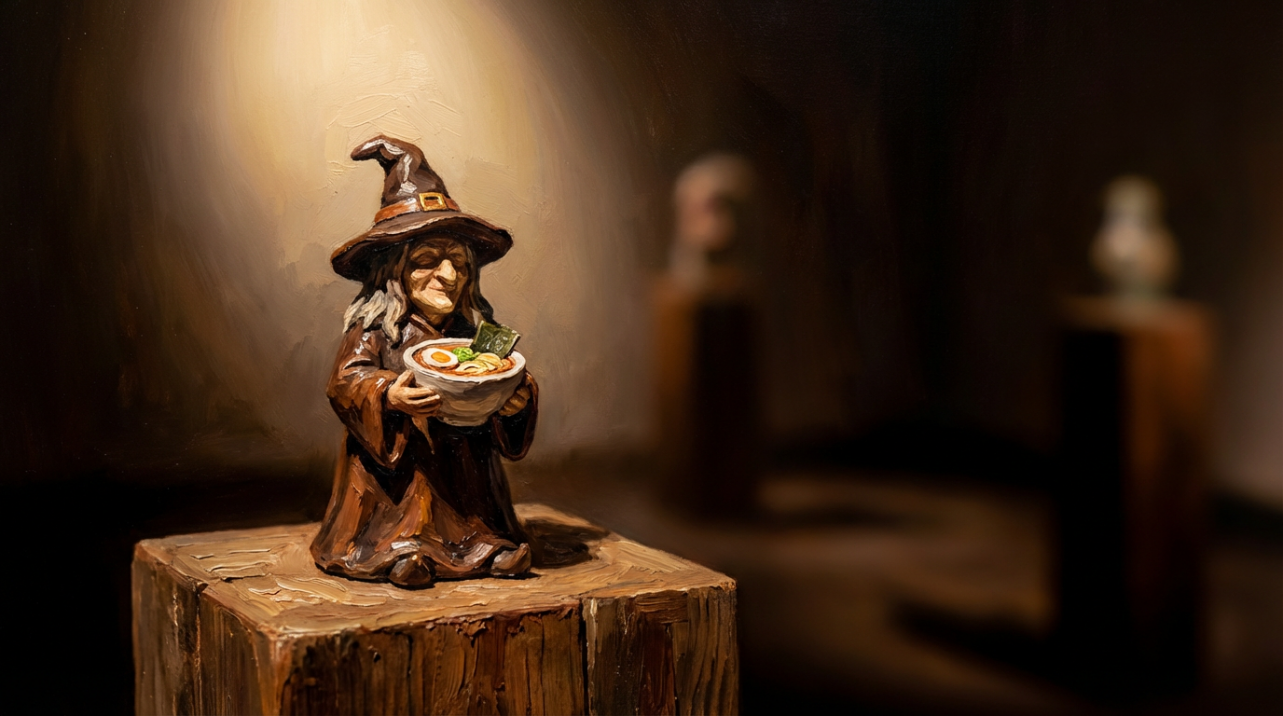
A concrete example: imagine deciding that your mission is "every handmade figure on this shelf must tell a story I can describe in two sentences." You pick a hand-sculpted witch hunched over a ramen bowl, a custom repaint of a popular hero in a casual hoodie instead of armor, and a small clay figure of you and a friend in cosplay at your first convention. Together, they say far more about you than ten random prize figures, and whenever someone points to the shelf, you instantly have stories ready to share.
Curating and Displaying Handmade Figurines Like a Tiny Museum
Exhibition curators talk about starting from a central theme and then arranging pieces like chapters in a story, using placement, sightlines, and lighting to guide how people move and what they feel. You can borrow those tools on a single bookshelf. Choose a theme for a shelf—maybe "found family" or "final boss energy"—then place handmade figures so the eye moves naturally from one to the next, with enough negative space that each piece has room to breathe, echoing museum advice to use space and juxtapositions instead of walls of text.
Because many handmade pieces are essentially small sculptures, it helps to think of them as "sculpture in the round," designed to be seen from all sides, which forces you to consider composition, balance, and viewing angles instead of only the front view, as introductory questions about planning sculpture in the round point out. On a practical level, that might mean turning a figure slightly so a dynamic cloak reads better, or raising a shorter piece on a riser so its base details and silhouette are not lost behind taller neighbors.
Environmental care is part of curation too, because nothing kills social currency faster than yellowed plastic or flaking paint. Conservation guidelines for metal objects explain how moisture, pollutants, and even fingerprints can speed up corrosion and surface damage, and they recommend stable humidity, minimal handling, and gentle cleaning to preserve surfaces, principles laid out in advice on caring for metal collections. Figurine-specific care guides say something similar: keep figures away from direct sunlight that can fade or warp materials, control humidity so paint does not peel, and avoid hot spots like right above radiators or in tightly closed display cases near windows where temperatures spike.
Veteran collectors frequently swear by glass or acrylic display cases, not just because they look clean but because they protect figures from dust, falls, pets, and curious hands. Storing particularly delicate or high-value handmade pieces in their original boxes when they are not on display adds a second protective layer and helps preserve resale value if you ever decide to trade up. Day to day, a soft, dry microfiber cloth is usually enough for dusting; harsh cleaners, bleaches, or abrasive pads risk scratching or clouding finishes, especially on matte ceramics or delicately painted surfaces, just as ceramic specialists warn against aggressive cleaning on hand-built art objects.
Try this small experiment: take one handmade figure and rebuild a micro-display around it. Place it at eye level, give it a bit of empty space, maybe pair it with a small prop or art print that echoes its colors or mood, and clean the area meticulously. Then compare how often people comment on that figure versus one crammed in a busy section. Chances are the curated one gets more attention, showing how display turns a single piece into social currency.
When Handmade Figurines Become Economic Currency Too
For some collectors, social currency eventually overlaps with literal currency, especially when skills improve and people start asking, "Would you ever sell one of these?" Guides to crafting side hustles describe how DIY makers use resin art, 3D printed figures, and other handmade goods to build semi-passive income streams, sometimes combining collecting with small-batch production and online sales, as outlined in discussions of crafting and collectibles as income. Handmade figurines fit neatly into that model: they are visually striking, relatively small to ship, and naturally suited to fandom niches.
If you go that route, platform choice becomes part of your strategy. Overviews of online craft marketplaces highlight Etsy, Amazon Handmade, Cratejoy, Zibbet, and others as major hubs, each with different audiences, fee structures, and levels of curation, as summarized in guides to websites for selling crafts. Etsy, in particular, has tens of millions of buyers looking specifically for handmade and creative goods each year, which makes it a natural fit for small-batch figurine artists who do not want to build a full standalone store yet.
More general art-business resources point out that you can also treat your figurines as art objects and list them on broader platforms or combine marketplace listings with social media promotion, with each platform charging its own mix of listing, transaction, or commission fees, as explained in discussions of how to make art that sells online. The key is to price in a way that covers materials, time, and those platform costs while still leaving you enough margin to reinvest in better tools, molds, or classes.
Turning your handmade figurines into products also changes your social currency. Suddenly your shelf is not just a display; it is a portfolio that signals reliability, consistency, and aesthetic direction, much like a brand whose visual world is carefully curated for coherence, as branding thinkers note when they describe strategy as curation. That can be a huge plus if you want commissions, collaborations, or artist-alley tables, but it also introduces trade-offs: deadlines, customer expectations, and the temptation to chase trends rather than your own taste.
Here is a quick look at the trade-offs of viewing your handmade collection as social and economic currency:
Aspect | Upside | Trade-off |
|---|
Emotional | Stronger attachment to pieces and stories; more joy in sharing. | Harder to let go of pieces that no longer fit your mission. |
Social | Easier conversations, friendships, and community recognition. | Pressure to "perform" taste or constantly acquire new work. |
Financial | Possibility of funding the hobby or building a side income. | Risk of burnout if money or trends start driving every decision. |
Time and energy | Motivation to learn new skills and curate more thoughtfully. | Ongoing commitment to care, documentation, and interaction. |
None of these pros or cons are universal, but naming them helps you decide how far you want to lean into each type of currency.
Quick Answers to Common Handmade Figurine Questions
A frequent worry is that handmade figurines "do not count" unless they are flawless, but social currency favors sincerity over perfection. A slightly uneven glaze or a rough edge can actually increase charm and signal that a human touched this piece, especially when you can tell a specific story about the artist, commission, or build process. As long as the figure is structurally sound and the flaws do not distract from the overall feel, it earns its place on the shelf.
Another common question is whether a collection with only one or two handmade pieces can function as social currency, and the answer is yes, if you place them with intention. Giving a single handmade figure a prime, well-lit spot with breathing room and a clear line of sight turns it into a focal point that visitors naturally ask about, much like a standout artwork in an otherwise simple room. Over time, you can build around it with other handmade or carefully chosen factory pieces that support the same emotional story.
Finally, collectors often wonder when to sell or trade a handmade figurine that no longer feels right. Borrow a page from museum "deaccessioning" practice and ask whether the piece still fits your mission, duplicates something else, or blocks you from acquiring something more meaningful. If it no longer adds to your story, letting it move to a collector who will cherish it can actually increase its social currency while freeing you to evolve your own.
Handmade figurines are tiny, tangible stories that sit right at the intersection of art, fandom, and community. Treat them with the care of a curator, the curiosity of a fan, and the integrity of a friend, and your shelves will not just look better—they will speak for you every time someone steps into your room or scrolls past your feed.