The Appeal of Comedy Figures in Collectible Art Displays
If you have ever tucked a ridiculous chibi figure between two ultra-serious statues and then noticed that everyone’s eyes go straight to the goofy one, you already understand the power of comedy in a display. Comedy figures are the scene-stealers of our shelves. They break the tension, pull people in, and often end up being the pieces we talk about the most.
As an anime figurine addict who has rearranged shelves more times than I want to admit, I’ve learned that the “funny” pieces are rarely just jokes. They change the emotional temperature of a room, they tell stories, and yes, they can fit into a serious, data-informed collecting strategy just as much as any solemn museum-style piece.
This article digs into what makes comedy figures so appealing, how they fit into broader trends in art and collectibles, and how to display them in ways that feel intentional rather than chaotic, using ideas from art market analysis, display-design guides, and research on humorous art and comic imagery.
What Do We Mean By “Comedy Figures”?
When I say “comedy figures,” I’m talking about any collectible figure or small sculptural piece that is intentionally humorous. That can mean exaggerated chibi proportions, slapstick poses, parody or mashup characters, meme-inspired sculpts, or just figures with facial expressions so over the top that you cannot help but grin.
On the art side, Barrie J. Davies defines humorous art very broadly as any visual work that makes viewers smile or laugh, whether it is a painting, comic, sculpture, or digital image. Comedy figures are essentially the three-dimensional branch of that same tree. They occupy the same emotional territory as funny paintings or comic strips: quick hits of joy, but with all the material and display options of physical objects.
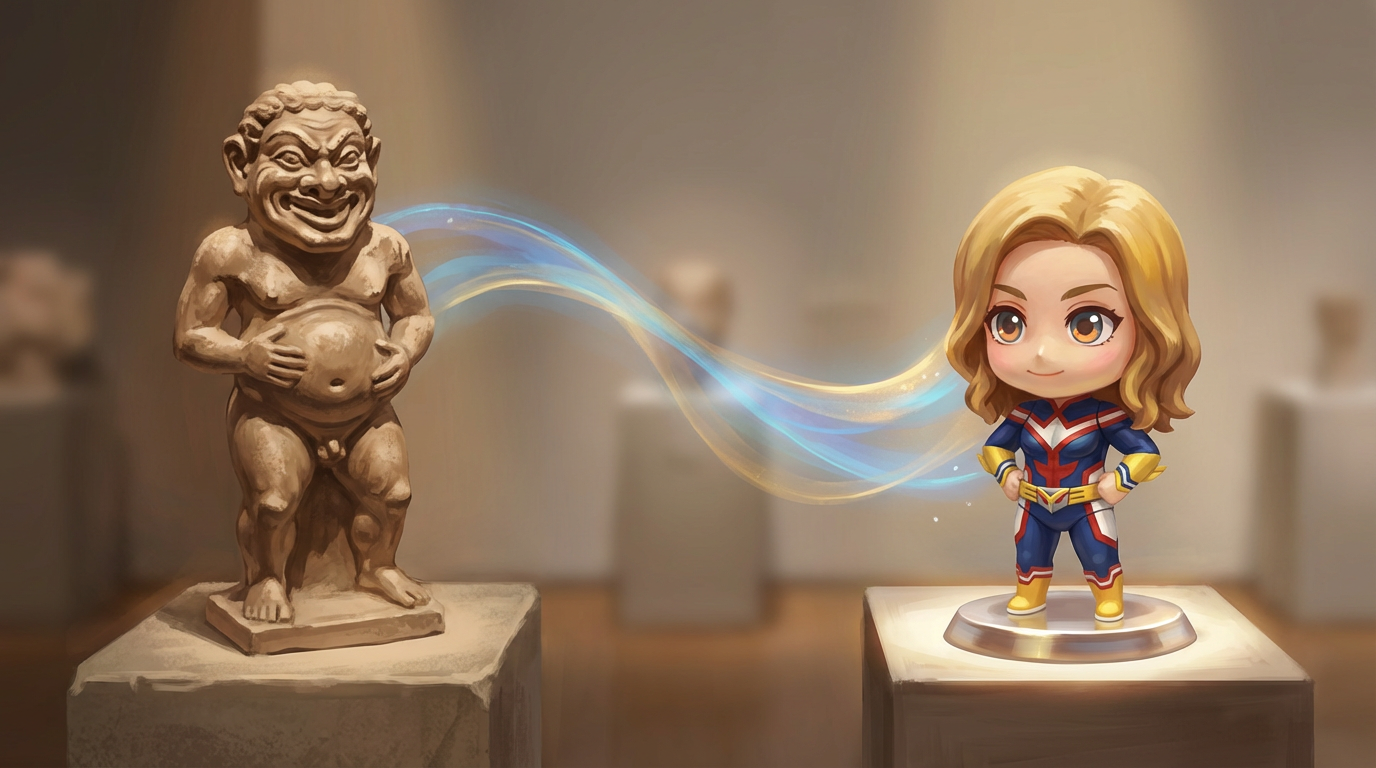
This idea of sculpted humor is not new. Scholarship on Greek comic art, discussed in a chapter circulated on Academia.edu under the title “A Comedy of Errors: the Comic Slave in Greek Art,” shows how ancient terracotta figurines and vase paintings used grotesque, exaggerated bodies, comic costumes, and masks to represent slaves and other characters. Those figurines traveled widely, from mainland Greece to places like Rhodes and North Africa, which means funny little sculptures have been part of everyday visual culture for a very long time.
In other words, that goofy Nendoroid on your shelf has a surprisingly deep artistic family tree.
Why Comic Relief Works So Well In Displays
Joy, Stress Relief, And Atmosphere
Barrie J. Davies emphasizes that humorous art lifts mood, reduces stress, and makes homes and workplaces feel lighter and more welcoming. You can feel that effect immediately when you walk into a room. A wall of serious mecha and stoic samurai has a certain gravitas. Add one absurdly smug mascot character or a figure mid-pratfall, and the whole space relaxes.
Psychologically, humor is a pressure valve. When you embed that into a display, the collection stops feeling like a shrine you are afraid to touch and starts feeling like a space you actually want to hang out in. That matters for the people who live with you, too. A partner or friend who does not know the lore behind every character may still laugh at a figure pulling a ridiculous face. Comedy figures set the tone that “this shelf is meant to be enjoyed, not just admired from a distance.”
More Than Just Gags: Story And Commentary
One reason comedy figures resonate so strongly is that humor often carries layered meaning. The Greek comic slave imagery mentioned earlier was never just slapstick; it reflected and shaped how people thought about status, otherness, and power. The chapter on Greek art notes that comic costume with padded bellies and exaggerated features was sometimes applied even to elite politicians being mocked, blurring the line between “slave” and “free” and hinting at how unstable social status could feel.
Modern projects play a similar game. TrendHunter has covered a cartoonish NFT series titled “I Like you, You’re Weird,” described as an interpretive comic art collection that mixes nostalgia with social justice themes. The cute, weird designs are not only meant to look quirky; they explicitly celebrate individuality and difference, framing “weirdness” as something to like, not hide.
In figure collecting, parody and comedic character designs often work this same way. A figure that pokes fun at an overpowered hero or gently mocks over-serious tropes tells a story about the fandom itself. Your display becomes not just a lineup of characters but a commentary on what you love, what you find ridiculous, and where you see yourself in the fandom.
Fandom Identity And Personal Humor
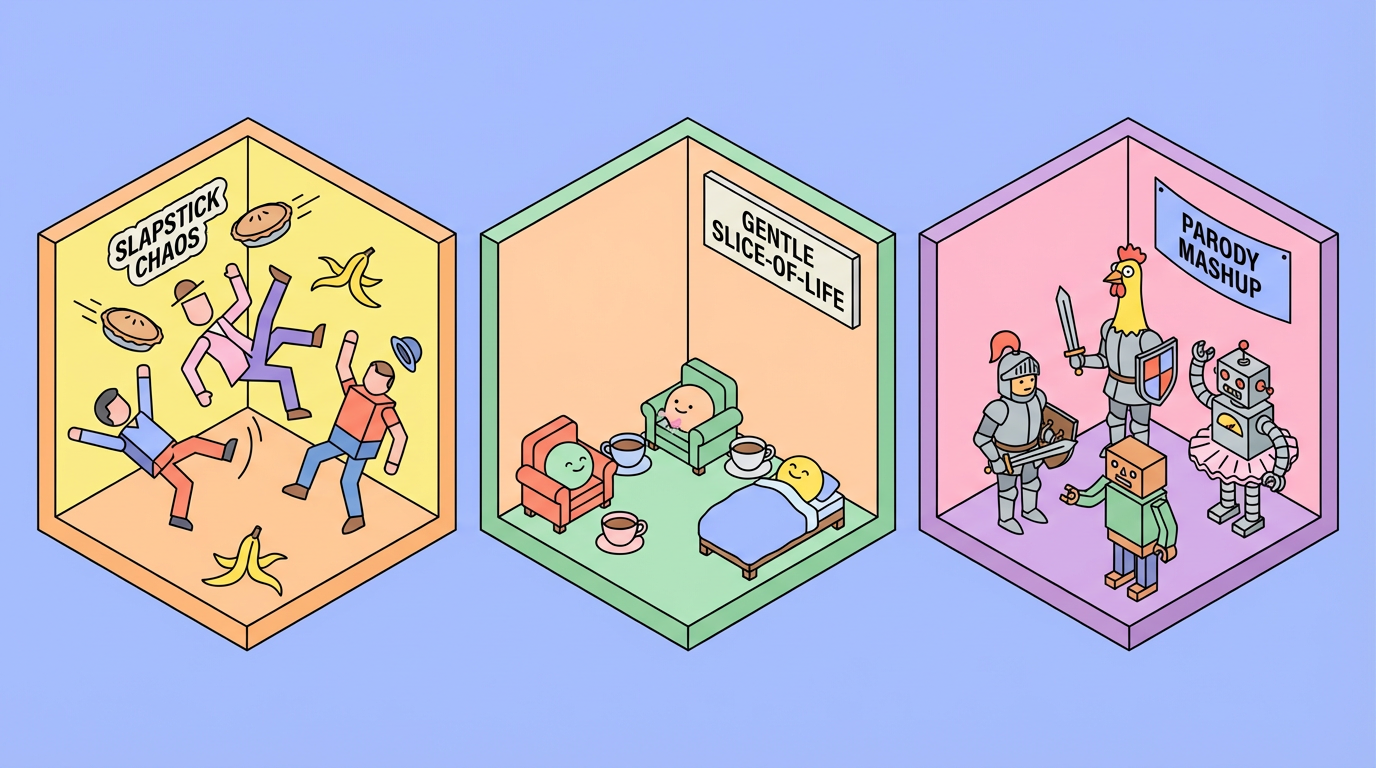
Davies recommends that collectors of humorous art start by clarifying their personal sense of humor: funny animals, wordplay, silly faces, absurd juxtapositions, and so on. That advice translates perfectly into figure collecting. A shelf full of slapstick slapdowns and chaos gremlins says something very different from a shelf of gentle slice‑of‑life jokes.
When you build a display around your own humor rather than just the latest hype, you end up with a collection that feels deeply personal. Even if someone else owns the same figure, the way you position it, what you put next to it, and the stories you tell about it are uniquely yours.
Comedy Figures As Collectibles And Assets
The Serious Money Behind “Funny” Art
It is easy to assume that humorous or cartoonish pieces are lightweight compared with “serious” fine art, but the market does not really draw that line. Forbes has pointed out that original comic art, including work by artists like Hergé and Frank Frazetta, now reaches seven-figure prices. Hergé’s Tintin artwork for “The Blue Lotus” sold for nearly four million dollars, and that is about as “cartoony” as it gets.
The same article notes that this market used to treat comic art as disposable production material. Over time, as online auctions and global collectors came in, it evolved into a serious asset class. European buyers in particular helped push prices up once they could access U.S. artwork directly.
Similarly, The Collector Hub has highlighted that key comic books such as “Amazing Fantasy #15” have sold for millions when graded in high condition; a CGC 9.6 copy reached about three point six million dollars in 2021. These are cartoon characters, yet the objects connected to them function like blue-chip assets.
The takeaway is not that every comedy figure is a hidden gold mine. It is that the market clearly accepts that cartoonish, humorous imagery can carry significant cultural and financial weight under the right conditions.
Data, Not Just Laughter: Applying Price-Guide Thinking
One of the more structured approaches to valuing comic art comes from Patrick Bain’s case study on the Comic Art Trends Price Guide. That guide organizes pages and covers by artist and uses a content-based grade plus comparables—publication date, featured characters, title, and similar works—to estimate prices. It emphasizes two main steps.
First, identify the original artist. In Bain’s analysis, a genuine piece by a master artist commands vastly more than a strong recreation, which is why authorship is treated as one of the most important price drivers.
Second, find comparables. The article walks through Doc Savage-related art by James Bama, John Buscema, and Jim Lee, showing how similar subjects and formats can still land at very different price levels depending on artist prominence and era. It even uses compounded growth rate, treating value appreciation like compound interest, to reason about how a Bama painting might reasonably have grown in price over time.
If you swap “artist” for “sculptor or brand” and “cover” for “figure,” the logic carries over nicely. Manufacturer reputation, sculptor identity, character importance, and production era all matter. Instead of guessing, you can look at past sales for similar pieces and think in terms of comparables and growth, just as Bain does for comic art.
What matters here is the attitude. Bain’s core recommendation is to keep emotional bias in check and use a structured, data-informed framework. Comedy figures are especially vulnerable to impulse buys because they make us laugh. Borrowing that framework helps you decide whether a figure is just a fun purchase or something you expect to hold or possibly sell later.
Avoiding FOMO And Novelty Traps
GoCollect’s analysis of comic book trends is very blunt about the dangers of chasing hype. Their writers pair sales data with interviews from conventions and shops and point out that much of the speculation around things like the animated series “X‑Men ’97” has been driven by short-term flippers rather than long-term collectors. When even speculators are not convinced a book has lasting appeal, paying a premium becomes risky.
They argue that early, foundational keys with real historical weight are where serious collectors put their money, while media-tied spikes often fade. A similar pattern appears in coverage from RetroResell, which distinguishes between collectors driven by personal attachment and investors who follow data. That piece flags overprinted modern comics and many digital-only editions and NFTs as weak long-term bets compared with scarce physical issues.
TrendHunter’s profile of the “I Like you, You’re Weird” NFT project shows how comedic, nostalgic art is being packaged as collectibles in the Web3 space. The project leans on cartoonish charm and social-justice messaging, but there is no hard market data yet in that snapshot. Paired with The Collector Hub’s warning that digital-only releases and NFTs are poor investments relative to physical items, it is a reminder that the funniest, most shareable items are not automatically the smartest places to park serious money.
For comedy figures, this means treating meme-driven pieces and limited digital drops as “heart” purchases, not “spreadsheet” purchases. If you love them, that is enough. If you are thinking in terms of long-term value, lean more heavily on the Bain and GoCollect approach: focus on recognizable creators, enduring characters, quality materials, and real scarcity rather than whatever has the loudest buzz this month.
Designing Displays That Let Comedy Figures Shine
Space, Themes, And Flow
EVORETRO describes “comic book curation” as the art of organizing and displaying a collection so it is visually appealing and functional, not just stacked away. That mindset transfers perfectly to figure displays. You are not just finding flat surfaces; you are designing an experience.
Articles from EVORETRO and Smart.DHgate on comic and art display emphasize creative shelving, themed nooks, and thoughtful organization. Floating shelves, custom wood-and-pipe shelves, and slim shelves with small lips turn collections into wall art. The same shelves that hold protected comics can easily anchor a little army of comedy figures.
QuirkShelv’s guide to displaying collectibles recommends starting with clear goals: decide on themes and overall aesthetic, whether that is minimal, vintage, or loudly maximalist. It stresses measuring the space, considering how displays interact with furniture, and avoiding awkward, overcrowded corners. Applied to comedy figures, that means deciding whether you want a concentrated “comedy corner” or to sprinkle funny pieces throughout more serious shelves as accents.
In practice, the most successful setups treat comedy figures like the punchlines in a good story. You build visual “sentences” across a shelf—serious characters, mood, mood, mood—and then drop in one absurd piece where the viewer’s eye naturally lands. The laughter makes the entire arrangement feel intentional.
Light, Environment, And Long-Term Care
Every display guide aimed at paper collectibles hammers the same point: light is both your friend and your enemy. Smart.DHgate suggests picking well-lit areas that avoid direct sunlight, then using frames or stands with UV-protective glass for any pieces that might be exposed. EVORETRO and Smart.DHgate both emphasize the importance of protecting comics with acid-free backing and cases to slow yellowing and damage.
Figures are more forgiving than vintage paper, but they are not invincible. Strong sunlight can still fade paint, and heat can warp softer plastics. QuirkShelv recommends LED lighting as the best balance of low heat, energy efficiency, and drama, and advises keeping high-value or fragile items away from heavy foot traffic.
If you are adding accent lighting, The Postman’s Knock shows how art lamps and directional lights can spotlight key pieces. The same effect can make a single comedy figure the “headline act” of a detolf or shelving unit. A small, focused light on one silly figure among stoic statues sends a clear signal about where the fun lives.
Display Options And Tradeoffs
Different display setups change the way comedy figures read in a room. Collectible display guides from QuirkShelv and Smart.DHgate outline the tradeoffs between open shelves, enclosed cabinets, wall-mounted units, and more. Translated into a comedy-figure context, it looks something like this:
Display style | Strengths | Drawbacks | Best use case |
|---|
Open shelves | Easy to rearrange, invite interaction, feel casual and fun | More dust, more risk of accidental bumps, less protection from light | Everyday comedy figures you handle often or do not mind cleaning |
Enclosed cabinets | Better protection from dust and curious hands, feel like a “museum” | Higher cost, slightly less accessible, glare if lighting is poor | Higher-end or fragile comedy figures, signed pieces, or small dioramas |
Wall-mounted shelves or grids | Save floor space, turn figures into wall art, great for themed clusters | Need careful installation and weight limits, harder to reconfigure quickly | Compact comedy figure sets or coordinated character lines |
Mixed media displays with comics or art | Create narrative-rich vignettes, as EVORETRO suggests by mixing comics, action figures, and art | Require more planning to avoid clutter, harder to dust if overcrowded | Displays where comedy figures relate directly to a comic or print behind them |
QuirkShelv also recommends leaving intentional negative space and using risers so items do not visually flatten. That advice is especially important for comedy-heavy shelves. Without breathing room, the visual noise can drown out the jokes.
Balancing Humor And Serious Pieces
Barrie J. Davies encourages collectors to mix humorous works with other art styles, not just cluster everything silly together. The contrast makes both sides stronger: a serious landscape next to a cartoon amplifies the charm of both.
On figure shelves, you can echo that strategy. A comedy figure placed near a serious centerpiece breaks the ice and keeps the display from feeling stiff, while the more dramatic piece prevents the whole shelf from turning into chaos. The key is whether you want the humor to be the main event or the twist ending. Design the shelf accordingly.
Building A Comedy-Focused Section Without Losing Control
Start Small And Affordable
Davies advises beginners in humorous art to start with small, affordable items like prints, postcards, and stickers rather than diving straight into big-ticket originals. The same spirit applies to comedy figures. Before covering an entire billy case in gag sculpts, experiment with a handful of pieces that really fit your taste.
This helps in two ways. First, you refine what actually makes you laugh over time instead of chasing every joke that scrolls past your feed. Second, you avoid the scenario GoCollect and RetroResell warn about, where you buy into every “hot” novelty without thinking about long-term enjoyment or value.
Integrate Figures With Comics And Artwork
EVORETRO specifically recommends combining comics with related memorabilia like action figures, posters, and original art to make displays more narrative-rich and engaging. That is practically an invitation to pair comedy figures with the media that inspired them.
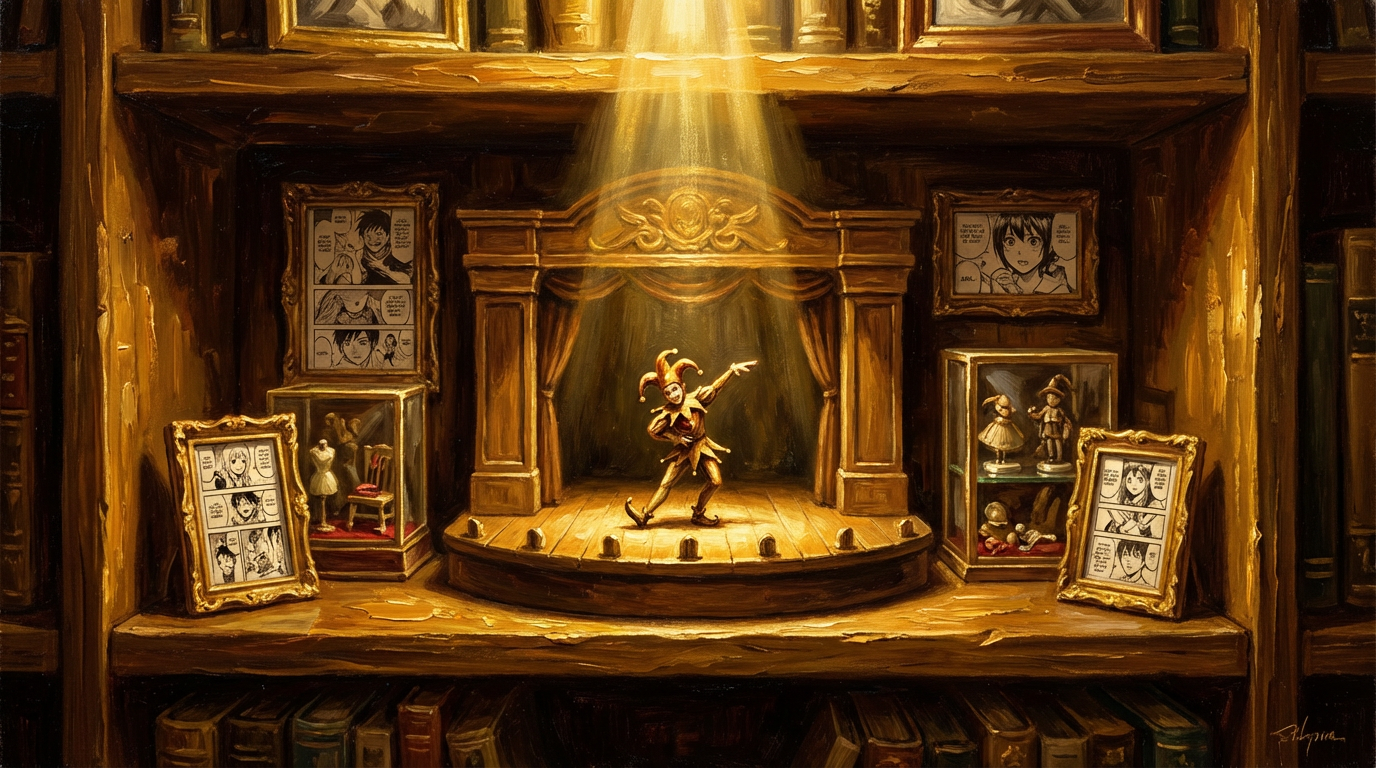
One shelf might have a favorite comedic manga volume in a protective display case, a framed print of a gag panel inspired by The Postman’s Knock–style framing tips, and in front of that, a figure capturing the punchline pose. Smart.DHgate’s suggestions about using clear acrylic stands, slim shelves, and plate stands for art can easily be adapted to give small figures height and spotlight in such mixed setups.
When you treat the shelf as a little stage, the figure is no longer just an object; it becomes part of a carefully directed scene.
Rotate And Keep Things Fresh
Multiple display guides, including EVORETRO and Smart.DHgate, encourage rotating what is on display. They note that rotating comics or art keeps a collection feeling fresh, helps manage limited space, and gives different pieces time in the spotlight.
Comedy figures benefit from rotation even more. Humor often depends on surprise. A joke you see every single day can fade into the background. Swapping a few figures in and out on a monthly or seasonal cycle makes the shelf feel alive again. It also lets you adjust the emotional tone of a room; maybe you want bigger, louder jokes near the holidays and something calmer when you are buried in work.
QuirkShelv’s emphasis on future-proofing your space with modular setups dovetails nicely with this. Adjustable shelves, movable risers, and cases that can handle varying figure heights make it easier to change your “cast” without rebuilding everything from scratch.
Pros And Cons Of Leaning Into Comedy In Your Display
From a collector’s perspective, comedy figures bring clear benefits. Guided by Davies’s discussion of humorous art, they add everyday joy, reduce stress, and make rooms more welcoming. They work as instant conversation starters, especially for guests who might not connect to the deeper lore of a series but instantly understand a visual joke. They also allow you to express your personality more openly; your sense of humor is often one of the most distinct parts of your fandom identity.
Comedy-heavy displays also tap into broader cultural trends. TrendHunter’s coverage of nostalgic, socially conscious comic-style NFTs and Forbes’s look at the comic art market both show that cartoonish imagery is a fully accepted cultural force, not a guilty pleasure. There is something satisfying about acknowledging that in your own home by giving comedic pieces real display space rather than relegating them to a bin.
There are tradeoffs, though, especially if you care about aesthetics and value. From a visual standpoint, comedy figures are often more brightly colored and more exaggerated than “serious” statues. Too many in one space can push a room from curated to chaotic very quickly. The display guides from QuirkShelv and Smart.DHgate implicitly warn against that by stressing the need for intentional organization, clear themes, and negative space.
From a financial angle, the GoCollect and RetroResell analyses suggest caution about novelty-driven purchases. Comedy figures that exist mainly as memes or one-off jokes may have short cultural half-lives. That does not mean you should not buy them—it just means you should classify those purchases as “for fun” in your own mental ledger, not as long-term investments. When you want value retention, the more structured, artist- and data-driven approach that Patrick Bain uses for comic art is a better model.
The sweet spot for many collectors is to treat comedy figures as emotional centerpieces and aesthetic anchors, while using more historically important, less fad-driven items as the backbone of any serious investment strategy.
FAQ
Are comedy figures worth collecting if I care about long-term value?
They can be, but it depends on the specific piece and how you approach the market. Forbes has shown that cartoon-style art and comic imagery can reach seven-figure prices when it involves culturally iconic characters and artists. Patrick Bain’s work with the Comic Art Trends Price Guide demonstrates that you can use comparables, artist identity, and compounded growth over time to think about value in a disciplined way.
At the same time, GoCollect and RetroResell caution against chasing short-lived hype and media-driven spikes. For comedy figures, that means focusing on pieces by respected creators, from well-established franchises, or with genuinely limited runs if you care about value, and treating meme-only or trend-only pieces as passion buys rather than investments.
How do I stop a comedy-heavy shelf from looking cluttered?
Display guides from QuirkShelv, EVORETRO, and Smart.DHgate all stress planning and negative space. Pick a clear theme for each shelf, use risers so figures are not all on one level, and resist the urge to fill every inch. Keep the most visually chaotic comedy pieces as focal points rather than covering the entire shelf with them. Rotating displays periodically also helps; when you give each figure a dedicated moment instead of cramming everything together, the jokes land harder and the display feels more intentional.
Comedy figures are the trickster gods of our collections. They keep us from taking ourselves too seriously, they invite people into our fandoms, and they remind us that joy is a completely valid collecting goal. Whether you are chasing data-driven grails or just building the ultimate “this makes me laugh” shelf, giving comedy a real seat in your display is one of the best ways to make your collection feel alive.
References
- https://www.academia.edu/2561088/2013_A_Comedy_of_Errors_the_comic_slave_in_Greek_art
- https://scholarship.depauw.edu/cgi/viewcontent.cgi?article=1123&context=studentresearch
- https://researchdiscovery.drexel.edu/view/pdfCoverPage?instCode=01DRXU_INST&filePid=13360280610004721&download=true
- https://digitalcommons.mtu.edu/cgi/viewcontent.cgi?article=2342&context=etdr
- https://surface.syr.edu/cgi/viewcontent.cgi?article=1292&context=thesis
- https://scholarworks.utep.edu/cgi/viewcontent.cgi?article=2130&context=open_etd
- https://www.arts.gov/impact/arts-and-artifacts-indemnity-program/domestic-indemnity
- https://www.irs.gov/pub/irs-appeals/appraisal_item_format.pdf
- https://muse.jhu.edu/book/7756/pdf?pvk=book-7756-14dad242c487f59fcabe5b95592dc345
- https://aichat.physics.ucla.edu/fetch.php/virtual-library/4S7Aoo/Elmer_Fudd_Hunting_Images.pdf