Why We Love Red-Haired Heroines: Understanding Their Appeal in Collectibles
The Red-Haired Girl At The Center Of The Shelf
If you’re anything like me, you can walk into your collection room at night, let your eyes adjust, and instantly spot the red-haired girl on the shelf. Even in a crowded Detolf, that shock of crimson, auburn, or fiery orange always seems to jump forward. It might be an anime scale figure, a fashion doll, a resin garage kit, or a vintage rag doll, but the effect is the same: the redhead pulls focus.
Collectors feel this long before we try to explain it. We “just know” that the red-haired heroine has presence, that she photographs better, that she anchors a display. What’s interesting is that psychology and marketing research back up that gut feeling. Studies summarized by USC’s applied psychology program and by marketing analysts show that people form judgments about products within roughly 90 seconds of seeing them, and up to about 90% of that first impression is driven by color. Other research compiled by Color Psychology.org and print and retail specialists suggests that around 93% of purchase decisions are based on what we see, with color doing most of the heavy lifting while texture and sound barely register by comparison.
In other words, before we even process who a character is, the color of her hair and outfit is already whispering a story to our brains. With warm colors like red and orange, that story tends to be about energy, urgency, and intensity. That is exactly the emotional territory red-haired heroines live in, and it is a big part of why they dominate our shelves, photo feeds, and wish lists.
The Power Of Red Hair, From Color Psychology To Character Design
What Color Psychology Says About Red
Color psychology is essentially the study of how different hues and tones influence our emotions and behavior. Branding specialists writing for marketing and design firms consistently describe warm colors such as red, orange, and yellow as energetic and urgent, while cooler colors like blue and green feel calm, trustworthy, or nature-aligned. Neuroscience-based commentary in outlets like Forbes points out that our eyes contain cone cells tuned to different wavelengths of light; long wavelengths correspond to reds, which our neural systems tend to interpret as intense and attention-grabbing.
Marketing-focused summaries from sources such as USC, Printivity, and various color-psychology analysts sketch a consistent picture of red. Red is linked to passion, excitement, appetite, and even risk or urgency. Research cited in consumer-behavior articles notes that red can raise heart rate, nudge people toward more impulsive buying, and make calls-to-action feel more immediate. Retail researchers have also found that many top global retailers use red in their branding, and trade publications describe how bright red sale signs and buttons exploit what marketers call the Isolation Effect: a unique color stands out dramatically against a more muted background.
When you translate that to collectibles, a red-haired heroine is basically a walking call-to-action. In a lineup of pastel magical girls or cool-toned mecha pilots, the redhead is the “Buy Me” button your brain notices first. Even if you ultimately decide to pass on her preorder, your gaze will pause there. That pause is the opening through which personality, pose, sculpt quality, and nostalgia can flow.
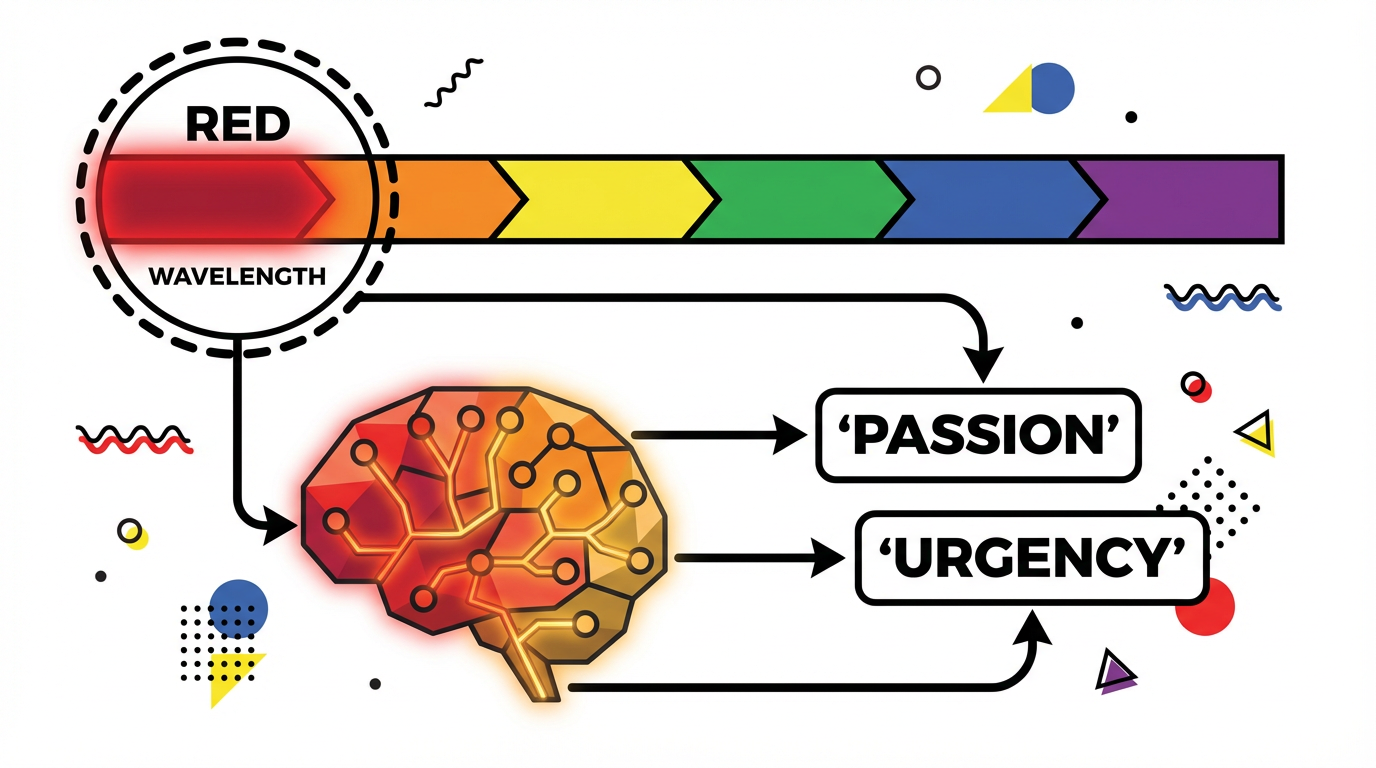
Yellow and orange, cousins of red in the warm spectrum, play supporting roles here. Articles from design firms note that yellow is the most visible color in many contexts and extremely stimulating, although hard on the eyes if overused. Orange is pitched as energetic and approachable, often associated with value and affordability. When figure designers give a character vibrant orange-red hair or accent a red-haired sculpt with yellow effects, they are stacking warm tones that practically guarantee visual impact, but they also risk overwhelming the eye if everything is saturated at full power. That is part of why many of the best red-haired figures balance that hair with cooler bases or backgrounds.
How Animators Use Red Hair In Western Cartoons And Anime
The appeal of red-haired characters is not just about the physics of light; it is also about decades of visual storytelling. A survey of “ginger cartoon characters” compiled by animation commentators traces how red hair in Western animation evolved from a blunt stereotype into something far more nuanced. In cartoons from around the 1930s through the 1950s, red hair often signaled a “fiery” temperament and unconventional behavior. The hair color was a shorthand: if you saw the redhead, you knew to expect trouble, mischief, or at least stubbornness.
Over time, some landmark characters shifted that pattern. In 1969, an animated Pippi Longstocking made waves as a strong, fiercely independent red-haired heroine whose wild braids matched her free spirit rather than a one-note temper. Decades later, Pixar’s Merida in Brave took this even further. Analysts note how Merida’s curly red hair became a symbol of cultural identity, rebellion, and a rejection of traditional princess roles. Instead of red hair meaning “angry,” it came to represent independence, resistance, and the refusal to fit neatly into expectations.
The same article points out that cultural context matters a lot. In Western animation, red hair often hints at Celtic heritage and associated folklore. In Japanese anime, by contrast, red hair is less about ethnicity and more about signaling that a character is special, supernatural, or otherwise set apart from the crowd. That fits perfectly with what collectors see in figure form: the red-haired girl is rarely designed as a bland background extra. Her hair color is a visual flag for a central role, unusual powers, or a personality that breaks the mold.
Scholars of animation design emphasize that hair color in general is a central tool in character design. Warm red tones stand out on screen, guide viewer attention, and help cement characters in memory. When that design logic is translated into PVC and resin, it gives us figures that act like focal points in a display. Red-haired heroines are literally built to be the main characters of a shelf.

From Screen To Shelf: Why Collectors Chase Red-Haired Heroines
Overrepresentation On Screen, Attraction In The Brain
If you feel like you are seeing redheads “everywhere” in modern media, that is not just your collector brain noticing favorite tropes. A study reported by The Hollywood Reporter, conducted by a media analysis firm, looked at more than 1,700 primetime TV commercials across major U.S. networks. Redheads make up only about 1–2% of the world’s population and roughly 2–6% of the U.S. population, yet the analysis found that 30% of the ads contained at least one redhead, or about 33% if you only count ads featuring people. Across all the individuals coded in those commercials, 11% were redheads.
Even more striking, when a commercial included a redhead, over half the time that character was a main figure, not background scenery. The study also noted gender differences: adult women with red hair appeared twice as often as redheaded adult men. Among children, the pattern flipped, with redheaded boys appearing more than redheaded girls, but in adult-focused advertising, women with red hair were clearly the visual stars.
Why would advertisers do that? The article’s authors suggested a few reasons grounded in both psychology and marketing research. First, redheads photograph extremely well; the vivid hair contrasts strongly with typical backgrounds and anchors the frame. Second, decades of psychological work on color show that red is linked to increased heart rate, appetite stimulation, intense emotion, and even sexual attraction, all of which advertisers want to tap into. Third, novelty matters: because natural red hair is rare, our brains flag it as something unusual and potentially rewarding to pay attention to.
Once you know this, the bridge to collectibles becomes obvious. Manufacturers are not just making “random” hair-color choices. Red-haired female characters sit at the sweet spot where color psychology, rarity, and narrative drama overlap. If an anime studio, toy company, or doll designer wants a heroine who will pop visually, feel emotionally charged, and stand out in marketing shots, red hair is an extremely efficient choice.
Evidence From Dolls, Handmade Markets, And Nostalgia Toys
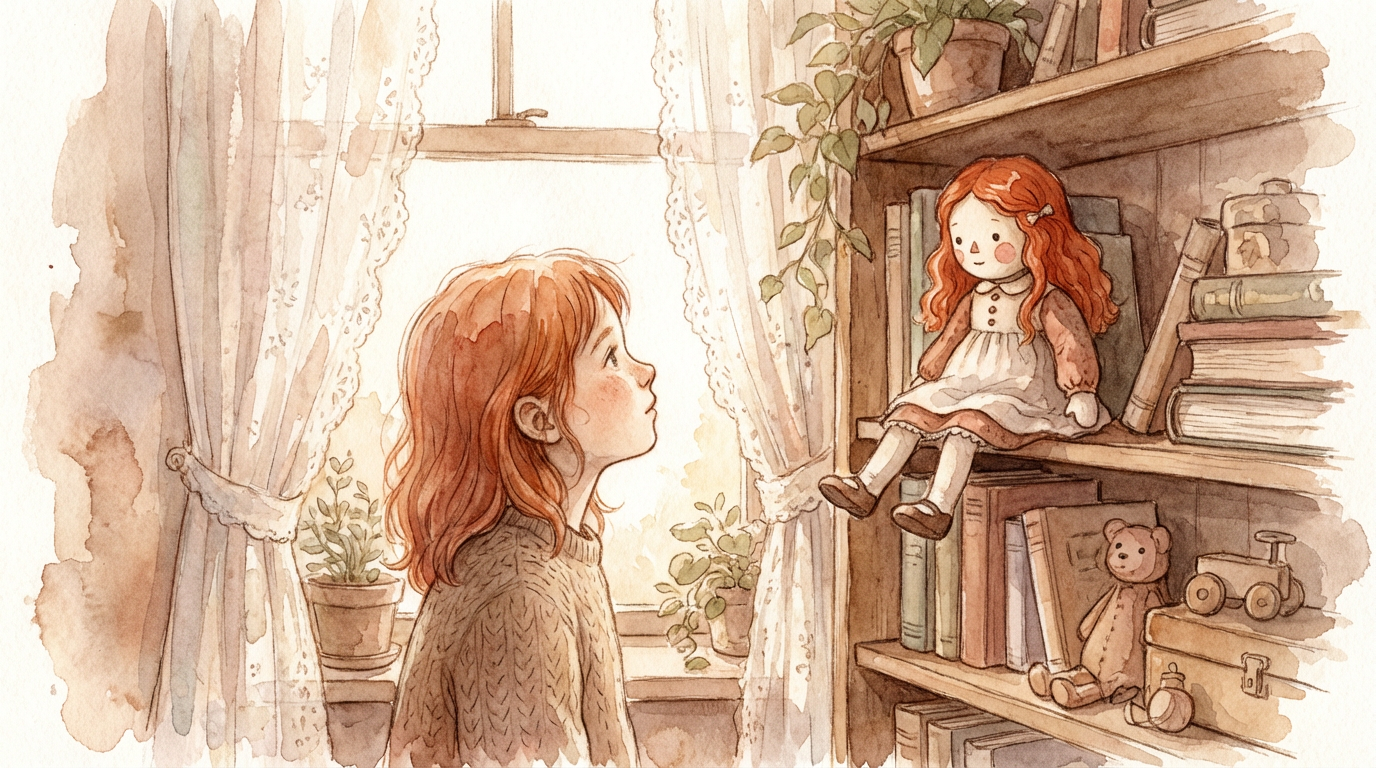
You can see this logic echoing across different corners of the collectibles world. Raggedy Ann, for example, is a red-haired rag doll with a triangle nose who has been capturing hearts for more than a century. Toy-history storytelling on social platforms recounts how illustrator Johnny Gruelle created her around 1915, inspired by a simple rag doll he found in his parents’ attic and developed for his daughter Marcella. He published Raggedy Ann Stories in 1918, and the character soon gained a red-haired brother, Raggedy Andy. Over the decades, the pair became icons of American childhood, appearing in books, films, and even on a U.S. postage stamp.
What is fascinating for collectors is how Raggedy Ann’s red hair sits at the intersection of comforting nostalgia and eerie mystery. The same narratives point out that the real-life “Annabelle” of paranormal lore is actually a large Raggedy Ann doll, reportedly kept in an occult museum and associated with haunting stories. So the red-haired doll that once signified love, kindness, and imagination also became a vessel for horror. That emotional complexity—warmth on the surface, darkness lingering underneath—is deeply attractive to collectors who enjoy pieces that carry layered stories.
Modern doll culture offers another angle. Blythe dolls, which date back to the 1970s, have a signature string mechanism on the back of the head that changes their eye color and gaze direction. They were not especially successful at first but reportedly became “super popular” in the 2000s, especially among collectors. A recent social post on a lifestyle platform featured a red-headed Blythe-inspired doll as aspirational profile-picture material, with the author confessing they wanted a doll that looked exactly like them in order to reconnect with their childhood self.
That desire to see yourself in the doll, combined with the punch of red hair, turns a toy into a kind of emotional avatar. For red-haired fans especially, finding a red-haired female character who matches their own look is powerful because natural redheads are rare in real life. For everyone else, the red hair still provides that visually distinct identity that helps a character stand apart from the sea of similar faces.
Marketplaces like Etsy and eBay underline how specific this niche has become. There are dedicated search categories for “redhead figurines” and “red head girl figurine,” and even focused searches for particular brands like Goebel redhead figurines. Researchers who examined snapshots of those pages noted that they aggregate many different handmade and vintage figurines built around the red-haired girl motif. The fact that an entire marketplace category can be organized around red-haired figures suggests that this is not just a minor quirk; it is a recognized aesthetic lane with its own tiny economy.
Mass retailers tap into the same visual appeal in more mainstream doll aisles. A search snapshot of a major U.S. retailer’s site for “red hair Bratz doll” shows that shoppers are specifically hunting by hair color, even when the store is promoting other doll brands in the same space. Hair color becomes a filter, a way to navigate an overwhelming page of options. For collectors who browse online as much as they hunt in person, that matters.
How Research And Fandom Overlap: A Quick View
To see how neatly the science of color and the fandom love for redheads line up, it helps to put a few points side by side.
Aspect | What Research Shows | What It Means For Red-Haired Characters |
|---|
First impressions | Studies summarized by USC and Printivity say up to about 90% of first product impressions come from color. | Before we know her backstory, the red-haired heroine’s color has hooked our eyes. |
Purchase decisions | Marketing briefs report that around 93% of buying choices are driven by visual appearance. | Sculpt, pose, and accessories matter, but red hair gets a massive head start. |
Warm color psychology | Color-psychology sources link red to excitement, passion, appetite, and urgency. | Red-haired characters feel intense, romantic, or dangerous before they say a word. |
Advertising presence of redheads | A Hollywood Reporter analysis found redheads vastly overrepresented in primetime ads, especially women. | Media keeps casting red-haired women as focal points, priming us to notice them. |
Brand and character recognition | Color-consistency research shows brand recognition can increase by about 80% with strong color identity. | A vivid red-haired heroine becomes an instant “logo” for a series or game. |
For collectors, this means that the pull of the red-haired heroine is not random. It is built into how our brains process color, how media frames characters, and how brands design for memorability.
Emotional Layers: Nostalgia, Empowerment, And The Slightly Haunted Redhead
Red-haired heroines in collectibles also sit at the crossroads of several emotional currents. Nostalgia is one of the strongest. Raggedy Ann’s century-long run as a symbol of childhood, mixed with her eerie Annabelle connection, shows how a single red-haired doll can embody both comforting memories and spooky campfire-story energy. That same duality pops up in many fan-favorite redheads who are cheerful on the surface but carry trauma, secrets, or rebellion in their arcs.
Empowerment is another thread. An article from a redhead-focused lifestyle and advocacy site profiled ten redheaded women “changing the world,” from actors and entrepreneurs to activists and policy experts. The piece framed them as contemporary “freedom fighters” working on issues like global poverty, hunger, gender equality, sexual violence, and digital surveillance. The point was not that their hair color causes their impact, of course, but that their red hair has become part of how they are visually recognized as powerful, visible agents of change.
When you put that next to characters like Pippi Longstocking and Merida, you start to see a pattern: red-haired women are often imagined, and then merchandised, as rule-breakers and path-makers. Animation scholars speaking about ginger characters recommend that creators move past old “fiery temper” clichés and build fully developed personalities. Modern red-haired heroines increasingly reflect that, combining vulnerability, courage, humor, and complexity. As collectors, we often gravitate toward figures that capture those traits in a single snapshot pose.
There is also a subtle thrill in owning something that feels slightly rare or “other.” Remember that natural redheads are a small fraction of the population. Neuroscience-informed commentary in the Hollywood Reporter piece suggests that human brains are wired to respond to novelty, seeking out unusual traits as potentially rewarding. A red-haired figure on your shelf is a safe, aesthetically pleasing way to indulge that novelty-seeking instinct. It feels special even if thousands of copies were made.
On the softer side, modern social posts about red-headed Blythe dolls reveal another layer: self-reflection. The author who longed for a Blythe doll that looks exactly like them explicitly linked that desire to reconnecting with their childhood self. Red hair, in that context, becomes a mirror and a bridge, not just a fashionable color. For collectors who share that hair color, collecting red-haired figures can be a way of seeing themselves in worlds—anime, games, fantasy—that do not always reflect their real-life demographics.
How To Curate A Thoughtful Red-Haired Character Collection
For anyone tempted to let redheads take over their shelves, it helps to think of red-haired heroines as a theme rather than a single trope. A “red-haired female character collectible” can be anything from a chibi keychain of a magical girl to a high-end polystone statue of an archer-princess or a custom Blythe doll, as long as that warm-toned hair is central to the design. Curating that theme deliberately keeps your collection exciting instead of repetitive.
One practical approach is to build around contrast. Color-psychology sources aimed at brand designers consistently warn that covering everything in intense reds can feel chaotic and even anxiety-inducing. The same writers recommend using warm colors like red as accents against calmer palettes. Translating that to figure displays, you can let red-haired characters be the focal “pops” in a shelf anchored by cooler or neutral tones. A red-haired swordswoman posed in front of a muted stone-textured base, flanked by characters in blues and blacks, will command attention without making the whole display feel aggressive.
The flip side is that red hair also makes it easy to slip into impulse-buy territory. Insights in Marketing and similar consumer-behavior writeups associate red with urgency and impulsiveness, while navy and cooler shades correlate with more thoughtful, budget-conscious behavior. Retail studies even connect red-heavy environments with an uptick in spur-of-the-moment purchases. For us as collectors, that might show up as preordering a red-haired variant of a character we only mildly like, just because the prototype photos look electric.
A simple way to manage that is to pause and separate the color from the character. Ask yourself whether you would still want the figure if the character were drawn with brown or black hair. If the honest answer is no, then the color alone is probably doing more work than the character design or story. There is nothing wrong with occasionally buying a pure “color crush,” but it helps to be conscious of when you are doing it.
Thinking about representation is another way to make your red-haired collection more interesting. The ginger-character research encourages creators to move away from one-note hot-headed stereotypes. As a collector, you can reward that by choosing red-haired heroines who are complicated: the shy strategist with auburn hair, the goofy inventor, the anxious but loyal friend. Children’s animation has already broadened the palette, with characters like a nervous yet devoted redheaded boy in Rugrats showing that ginger characters can represent anxiety and loyalty rather than anger. Collectibles that capture those subtler traits often have more staying power in a collection than yet another “angry redhead with a sword” pose.
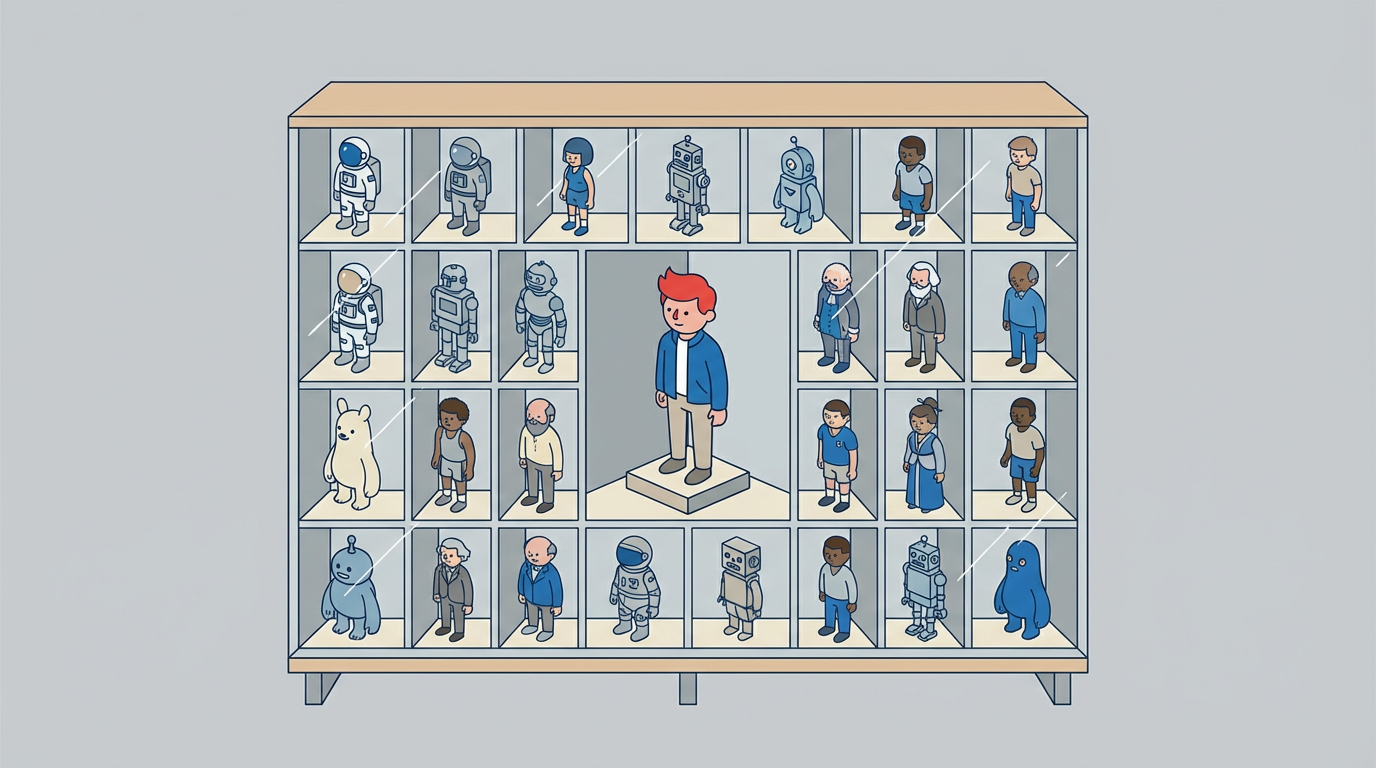
There are also pros and cons to building an entire collection around redheads. On the plus side, a red-haired focus gives your shelves a clear visual identity, makes your photos instantly recognizable, and makes it easier to decide what to add or skip. It also aligns with the way brands build recognition through consistent color, a tactic research shows can boost recognition dramatically. On the downside, a redhead-only focus can crowd out characters you love who do not fit the theme, and it can unintentionally reinforce narrow ideas of who gets to be visually central. Mixing in a variety of hair colors, skin tones, and body types around your red-haired anchors can keep your display both dynamic and inclusive.
Myths, Stereotypes, And Smarter Collecting
One persistent myth is that all red-haired heroines are angry, volatile, or constantly in “tsundere” mode. Historical surveys of ginger cartoon characters show where that idea came from: early animated redheads were often written as hot-headed troublemakers. But modern creators are increasingly pushing past that, crafting red-haired characters who are independent without being abrasive and passionate without being caricatures. Merida’s rebellious streak exists alongside deep loyalty to her family and culture. Pippi Longstocking’s chaos is balanced by generosity and imagination.
As collectors, we can either reinforce the old stereotype or help push it aside. If every red-haired figure you own fits the same narrow personality mold, your collection is echoing those outdated tropes. If you deliberately seek out red-haired characters who show softness, introversion, or quiet resilience, you are telling a richer story on your shelves. That choice matters, especially for younger fans who see your display at conventions or online and take cues from which characters you spotlight.
Another myth is that focusing on red-haired characters is inherently shallow or purely aesthetic. The research on color and consumer behavior suggests something more complex. Yes, the color red gives these characters a head start in grabbing attention. But attention is only step one. Long-term loyalty, whether to brands or to characters, depends on congruence between the color and what it represents. Academic perspectives gathered in marketing journals emphasize that the “right” color is the one that feels appropriate for the personality and story being told. In the same way, a red-haired heroine collectible really lands when the character’s narrative intensity matches the emotional heat of her color.
There is also a practical misconception that red-haired figures automatically hold or increase their value better because redheads are rarer in real life. The available research addresses attention and recognition, not aftermarket prices for collectibles. Overrepresentation of redheads in ads actually hints at the opposite: once something becomes a go-to device for getting attention, it risks losing some of its novelty. For collecting, that means you should still prioritize sculpt quality, character importance, and production numbers over hair color when thinking about long-term value.
Short FAQ
Why do red-haired girls feel so “main character” in anime and Western shows?
In Western animation, red hair has historically been used as a shorthand for unconventional, high-energy personalities and sometimes for Celtic heritage, which made redheads stand out from other characters. In Japanese anime, red hair tends to mark characters as special or supernatural rather than signaling ethnicity. Combine that with psychological research showing that red is one of the most attention-grabbing colors, and red-haired girls almost automatically read as central figures in a story.
Is it a bad idea to build a collection mostly around red-haired heroines?
It is not inherently bad; in fact, it can give your collection a strong visual identity and make your displays pop, much like how brands use consistent colors to boost recognition. The potential downside is that you may overlook non-red-haired characters you love or unintentionally reinforce narrow stereotypes if every redhead you pick is the same type of “fiery” personality. Balancing your red-haired centerpieces with a diverse supporting cast of other characters keeps your shelves more interesting and inclusive.
Why do I impulse-buy red-haired figures more than others?
You are not alone. Research on color and consumer behavior links red with urgency and excitement and even associates it with more impulsive purchases in comparison with cooler colors like navy. When a figure has striking red hair and is posed dramatically, the combination feels like an emotional shout. Knowing this can help you slow down and ask whether you love the character and sculpt as much as you love that initial color hit.
Closing
In every collection I have ever seen, from wall-to-wall anime scales to quiet shelves of vintage dolls, the red-haired girl is the one who refuses to fade into the background. She is science and story in one sculpt: a tiny embodiment of how our eyes chase warm wavelengths, how our culture casts rebels and dreamers, and how our hearts cling to both nostalgia and novelty. The next time you pose a red-haired heroine on your shelf, take a second to appreciate just how much history, psychology, and fandom energy is glowing in that single streak of red.
References
- https://appliedpsychologydegree.usc.edu/blog/color-psychology-used-in-marketing-an-overview
- https://www.colorpsychology.org/blog/color-psychology-marketing/
- https://wedareyou.tourismthailand.org/default.aspx/fulldisplay/Y65717/FormOfCelebrityThatConsumesRedhead.pdf
- https://viamarketing.net/blog/how-color-influences-consumer-behavior/
- https://spice.alibaba.com/spice-basics/ginger-cartoon-character
- https://www.ebay.com/shop/goebel-redhead-figurine?_nkw=goebel+redhead+figurine
- https://www.etsy.com/market/red_head_girl_figurine?ref=lp_queries_external_bottom-11
- https://www.howtobearedhead.com/10-redheads-changing-the-world-right-now/
- https://insightsinmarketing.com/how-does-color-affect-consumer-behavior/
- https://www.lemon8-app.com/@vacillatordoll/7400943689084060165?region=us