Understanding the Rise of Figurine Collecting Among Seniors Over 50
If you have ever walked past a convention booth and seen a silver-haired fan gently comparing paint apps on two anime statues, you already know the secret: figurine collecting is not just a young person’s game. Across fandoms, more and more people over 50 are leaning into figurines, statues, and action figures as serious, joyful parts of their lives.
There is not yet a massive dataset that isolates “figurine collectors over 50,” but broader research shows how widespread collecting has become. A survey cited by MoneyDigest, based on work from Magnify Money, found that about 61 percent of more than 1,500 consumers consider themselves collectors, and toys are ranked among the top categories alongside coins and trading cards. At the same time, retirement and downsizing sites quoted by MoneyDigest report that around half of retirees eventually move to smaller homes, which means older collectors are negotiating both expanding fandoms and shrinking floor plans.
In fan communities that have been around for decades, such as Star Trek and ElfQuest groups on social platforms, you can see fans asking how to start a toy collection later in life or how to protect a damaged original comic page. Retailers from large toy brands to niche figurine shops publish guides focused on display, preservation, and resale value. Put together, the picture is clear: collecting has matured along with the fans, and figurines sit right at the heart of that story.
In this article, we will unpack why figurine collecting is so appealing after 50, what counts as a figurine, the real-life pros and cons for older fans, and practical ways to build and care for a collection that fits both your fandom and your future.
Why Figurines Are So Appealing After 50
Nostalgia With More Life Behind It
Toy-collecting guides from retailers like Anotoys and Pick A Toy consistently emphasize nostalgia as one of the strongest motives for collecting. For fans over 50, that nostalgia has extra layers. Figurines are not just reminders of childhood; they can represent the first anime you watched on TV late at night, the sci-fi series that helped you through college, or the characters you cosplayed with your kids.
Unlike streaming queues that come and go, a well-made figurine anchors those memories in three dimensions. Articles from toy retailers describe collecting as a way to “preserve stories” and “relive cherished memories.” For seniors, that storytelling can be powerful. A shelf of Dragon Ball, Gundam, or classic Disney statues can become a life timeline in plastic and resin.
Identity, Mastery, and Meaning
Consumer researchers have even suggested, in journals such as the Journal of the Association for Consumer Research, that there is a potential collector in every consumer. The basic idea is that collecting is how people express identity, mastery, and meaning. That matches what many figurine guides describe: people do not just buy “things,” they build sets, chase variants, learn about sculptors, and curate displays like miniature museums.
For someone over 50, those identity questions often sharpen. You may be stepping back from a career, managing an empty nest, or rethinking how you spend time. Figurine collecting offers a gentle but satisfying sense of mastery. You learn to distinguish mint from lightly damaged paint, to recognize which manufacturers handle faces well, to understand how rarity and condition affect value. Guides from JAKKS, Tactics2Toys, and others frame this as a hobby that rewards research and planning, not just impulse buying, which often resonates with older collectors who enjoy doing their homework.
Time, Space, and Resources
Several retailer guides stress that collecting takes time, energy, and money. Those constraints feel very different at 25 versus 55. In many cases, people over 50 finally have a bit more stability. The kids may be grown. The career may be established or even winding down. There may be enough disposable income to choose a few high-end statues instead of only clearance-bin figures.
On the other hand, MoneyDigest points out that large collections can also drive up storage and housing costs, and that about 51 percent of retirees move to smaller homes eventually. Seniors have to balance a love of figurines with realistic space planning. That tension often pushes older collectors toward more intentional, curated collections: fewer random impulse buys, more carefully chosen centerpieces that justify their shelf space.
Community That Spans Generations
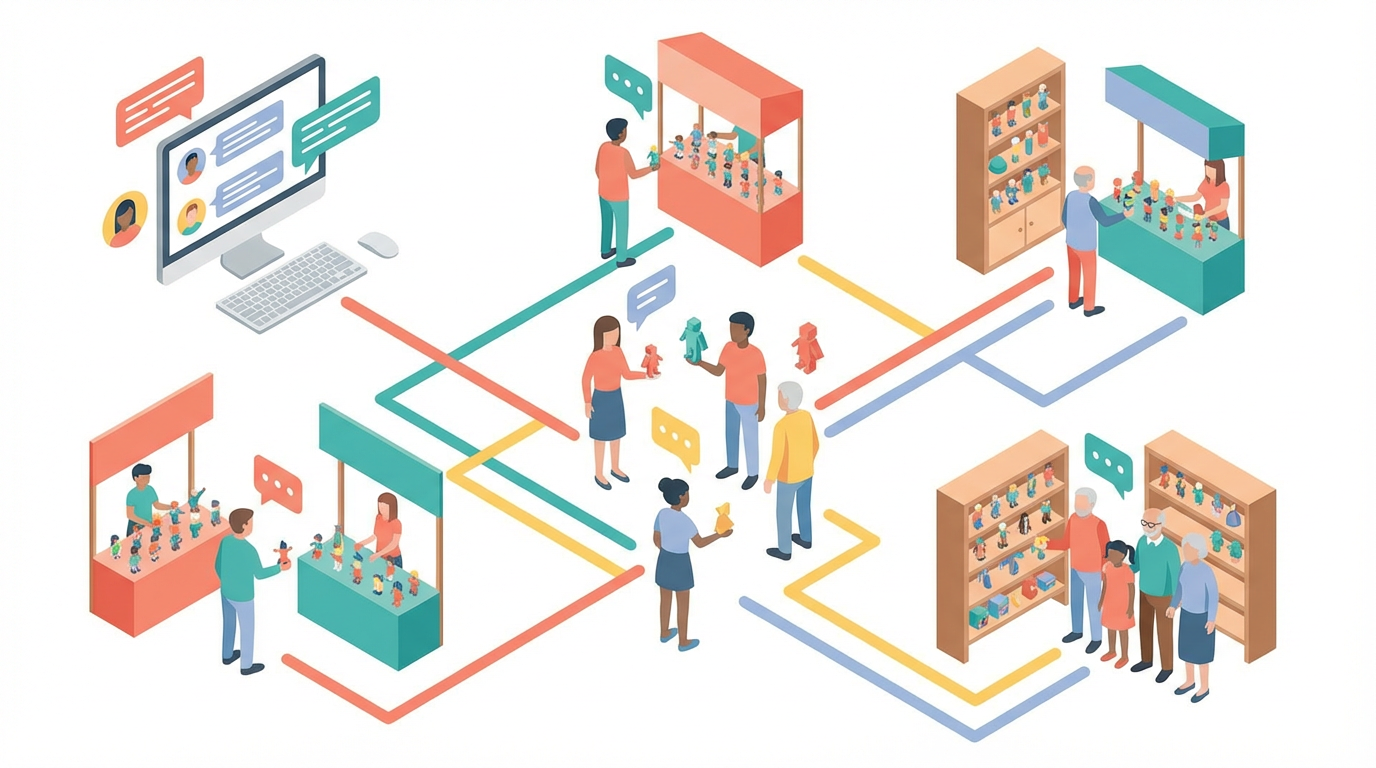
Toy-collecting articles from JAKKS, Shumi, Tactics2Toys, and action-figure blogs all highlight one common theme: the community matters. Collectors chat in forums, join Facebook groups, attend conventions, and show off display photos. Long-running fandom groups, such as those around Star Trek or ElfQuest, show fans asking for advice on both starting new collections and preserving old art and figurines, often in the same threads.
For seniors who may be retiring, relocating, or losing some day-to-day social contact, these communities can be lifelines. Sharing an updated figure shelf, comparing notes on a new statue line, or trading tips on preventing sun damage creates real connection. Collecting becomes a social ritual, not just a private pastime.
What Counts as a Figurine?
“Figurine” is one of those words fans toss around casually, but it helps to get specific, especially when you are shopping online.
A figurine is usually a non-posable or lightly posable representation of a character, creature, or scene, often made of resin, porcelain, PVC, or similar materials. These are designed to be displayed rather than played with. They can range from tiny chibi mascots a few inches tall to elaborate, multi-piece dioramas.
Action figures, by contrast, are made to be poseable, with joints and sometimes accessories. Guides from Tactics2Toys and Shumi explain that many collectors treat action figures like display pieces anyway, but the design priorities are different. Statues are often larger and heavier, with fixed poses and more dramatic sculpting. Art toys occupy a creative middle space: limited-run, designer-made figures that blur the line between toys and sculpture.
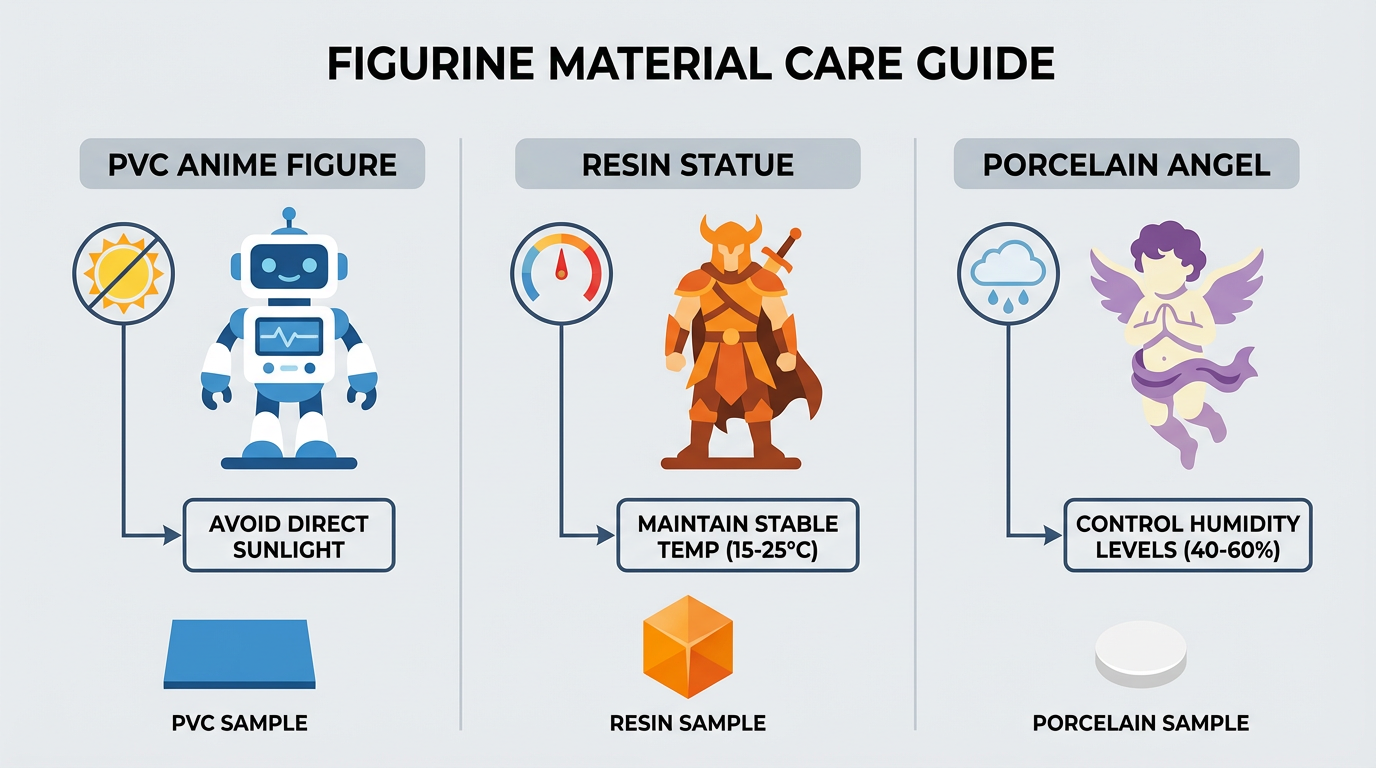
Understanding these distinctions matters because it changes how you display and care for them. A delicate porcelain angel from a maker like Royal Doulton has very different cleaning needs than a PVC anime prize figure. Porcelain cracks easily and hates sudden temperature shifts. PVC can warp if left in direct sun or overheated. Resin can become brittle over time if the environment is too dry or too humid.
Condition Terms You Will See
Adult collectors, including many seniors, quickly run into a few pieces of jargon about condition. Guides from Shumi and action-figure retailers summarize them this way:
Term | What it means | Why it matters more after 50 |
|---|
MISB (Mint in Sealed Box) | Factory seal is unbroken; figure and packaging are untouched. | Highest value and best for long-term resale, but you do not get to handle the figure. Storing sealed boxes takes space. |
MIB (Mint in Box) | Box is opened, but figure and accessories are still mint and complete. | Good balance between enjoyment and value, as you can inspect contents and still keep things tidy. |
BIB (Back in Box) | Figure was removed for photos or short display, then put back. | Fine for personal collections, but resale value is usually lower than MISB or MIB. |
Loose | Figure is fully out of the box and often missing packaging. | Great for posing and display, and usually far cheaper, but offers less resale value and needs more careful dusting and handling. |
Seniors often gravitate toward a mix. Loose figures are easier to enjoy day to day, especially if you like rearranging your shelves. A few special MISB or MIB pieces can double as a modest store of value, although, as we will see next, it is important not to treat figurines as a guaranteed investment.
Data Snapshot: Collecting, Retirement, and Figurines
While there is no single report titled “Figurines and Seniors,” pieces of the puzzle are scattered across finance and collecting articles.
MoneyDigest, drawing on a Magnify Money survey, reports that 61 percent of surveyed consumers consider themselves collectors, with toys and figurines on the list behind coins and trading cards. The same article warns that 83 percent of collectors expect their items to go up in value, even though markets are unpredictable. Financial writers therefore advise older collectors to have high enjoyment expectations but modest investment expectations, and to consider appraisals well before retirement if they plan to sell.
The retirement-focused analysis in MoneyDigest also references data from Senior Living showing that roughly half of retirees end up in smaller homes. That has two implications. First, there is clear evidence that many older adults already own significant collections, including figurines. Second, physical space is precious, and every new statue you add should earn its footprint.
Articles from SubZero Comics, which specializes in buying and evaluating toy collections, echo the caution on value. They note that toys generally do not appreciate as reliably as comics or trading cards and that condition and completeness matter enormously. A sealed, early figure from a beloved line might be worth serious money, but many newer mass-market pieces will remain sentimental, not financial, assets.
High-end art figurines illustrate the upside and the risk. A collector guide to Thomas Blackshear figurines highlights that some retired pieces have sold for over $5,000 at auction, especially limited editions with certificates of authenticity and impeccable condition.
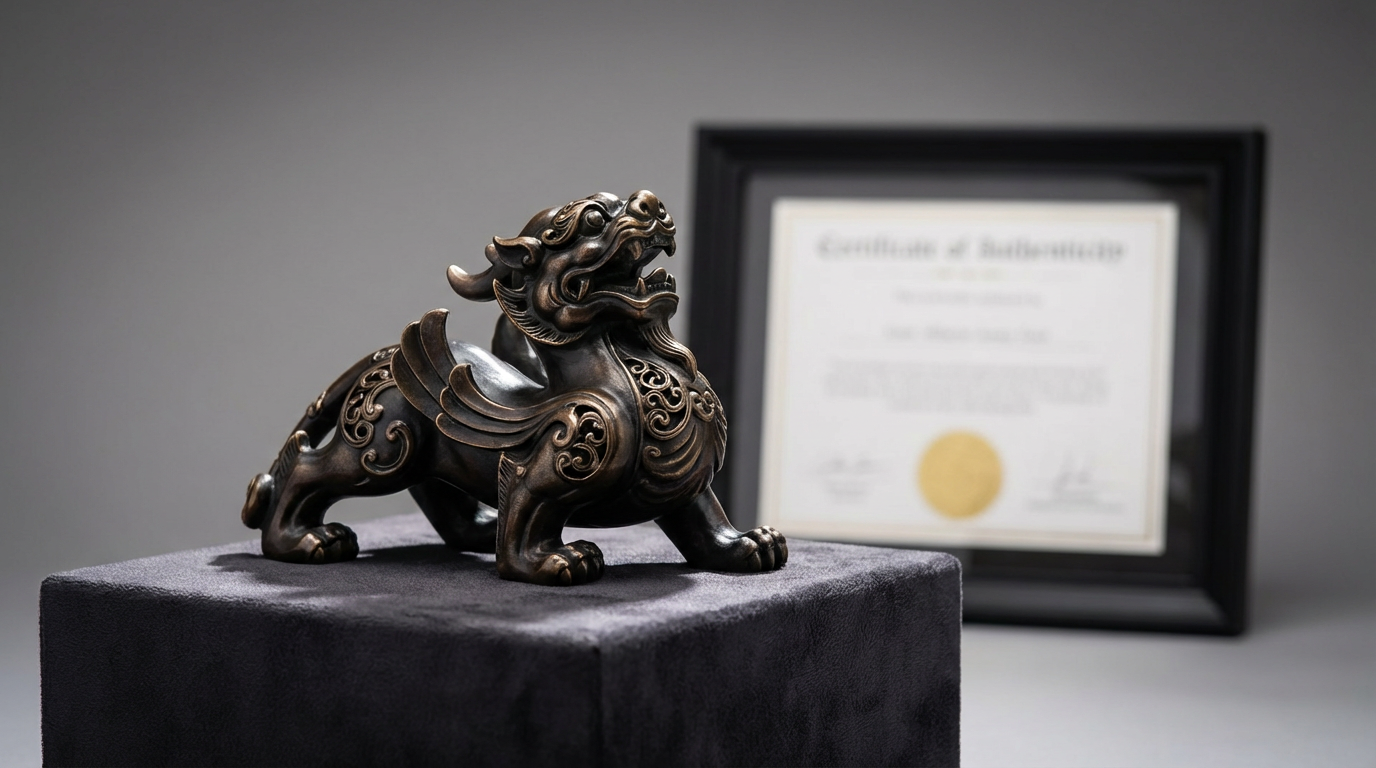
At the same time, the guide stresses meticulous care, documentation, and buying from reputable sources, because not every piece will perform like a star.
For seniors, the theme is straightforward. Figurines can absolutely be part of a thoughtful retirement plan, but they should rarely be the plan. It is wiser to see them as cherished art that might, in certain cases, help fund a future goal rather than as a portfolio substitute.
Benefits of Figurine Collecting After 50
Emotional Joy and Mental Engagement
Toy-collecting guides consistently describe collecting as “fun,” “rewarding,” and “creative.” For older fans, that joy can be deeply restorative. Curating a shelf of anime heroines, superhero statues, or art angels invites you to make small, aesthetic decisions: which pose goes in the center, which background fits, which lighting mood feels right. This kind of low-stress design work keeps the brain engaged without feeling like homework.
Because figurines are tied to stories, they also become prompts for reminiscence. A retired fan might use a Sailor Moon statue to tell a granddaughter about watching the show for the first time, or an Evangelion figure to explain what it felt like when anime first became widely available in local stores. Research on reminiscence and aging generally supports the idea that storytelling and revisiting meaningful experiences can support emotional well-being, and figurines are tactile anchors that make those stories easier to share.
Social Connection and Community
Articles from retailers such as JAKKS, Tactics2Toys, and Collectible Kingdom all recommend joining online communities, local collector clubs, conventions, and swap events. Facebook groups around comics and figurines often set rules that forbid sales but encourage discussion and showcase photos, which builds a sense of shared enthusiasm rather than just marketplace chatter.
For someone over 50 navigating retirement or reduced work hours, hobby communities fill real social gaps. Posting a photo of a newly arrived figurine, asking how to remove dust from tiny hair strands, or debating whether to keep a limited edition boxed can spark conversations with fans across ages and continents. Unlike some youth-dominated hobbies, figurine collecting often honors long-term fans, because deep franchise knowledge and old stories have real value in the community.
Intergenerational Bridges
Figurines are also fantastic icebreakers between generations. Younger family members might be into current anime hits, while older fans have a soft spot for classics or the series that reached them in VHS form. Putting those characters on the same shelf invites conversation. A grandparent and grandchild can co-build a small display, or a fan in their 50s can teach a teenager how to dust and handle figures safely.
Several care guides, including those from The Prudent Collector and Marple Antiques, emphasize avoiding kids and pets when it comes to fragile pieces. That caution is real. Still, when supervised carefully, sharing the story behind a figurine can be a way to pass down fandom, values, and memories.
Risks and Downsides Seniors Should Watch
Financial Overreach and Investment Myths
The biggest risk for any collector, regardless of age, is overspending. Guides from Pick A Toy, JAKKS, and Tactics2Toys all stress setting a realistic budget, starting small, and prioritizing meaningful pieces over sheer volume. For seniors living on fixed incomes, that advice becomes non-negotiable.
MoneyDigest’s summary of collector surveys shows that most collectors expect their items to rise in value, but sellers like SubZero Comics warn that this rarely happens across a whole toy collection. Vintage pieces from the early 1900s through the 1970s, high-end art figurines, or iconic lines like early Star Wars often carry strong value, especially if sealed and complete. Newer, mass-produced prize figures, on the other hand, may never be worth more than you pay today.
Treat figurines as luxuries that need to fit comfortably into your entertainment budget, not as speculative bets. If a piece might strain your finances or make you anxious about other obligations, it is better to admire it from afar.
Space, Clutter, and Safety
Several sources, particularly MoneyDigest, highlight how collections can quietly expand housing and storage costs. Figurines might look small individually, but a decade of collecting can fill bookcases, closets, and even rented storage units. For older adults, clutter is not just a visual annoyance; it can become a tripping hazard or make cleaning difficult.
Care guides from Collectible Kingdom, Marple Antiques, and Shumi all encourage spacing figurines out and using shelves or display cabinets, both for aesthetics and safety. For seniors, that advice extends to choosing display heights that do not require step stools, keeping pathways clear, and using sturdy, stable furniture to avoid tip-overs.
Physical Maintenance Demands
Figurines, especially detailed pieces with tiny accessories, are dust magnets. Articles from Collectible Kingdom, Marple Antiques, The Prudent Collector, and Demeng Toy all agree that dust, sunlight, heat, and humidity are the main enemies.
Cleaning typically involves regular, gentle dusting with a soft artist’s brush or makeup brush, occasionally using a lightly damp microfiber cloth for smooth surfaces. Some guides recommend washing more robust figurines in warm water with a drop of mild dish soap, but they emphasize safety steps like lining the sink with towels, taping air holes in porcelain, and avoiding long soaks, abrasive tools, or harsh chemicals.
For older collectors with limited mobility or arthritis, these tasks can feel daunting, especially if the collection is large. That is another argument for a curated, manageable number of figures rather than an endless wall of plastic.
Family Conflict and Misunderstanding
The emotional side can be tricky, too. In one Quora discussion, a parent worries about a 30-year-old child still collecting action figures and model robots, unsure how to react. You can flip that scenario for seniors: adult children sometimes fret when their parents lean hard into collectibles, especially if they do not understand the fandom.
The easiest way to defuse that tension is transparency. Be clear about your budget, explain what the hobby does for your happiness, and, when appropriate, invite family members into the fun. If a particular piece has potential financial value, note that in your records so relatives see you are being thoughtful, not reckless.
Practical Guide: Building a Figurine Collection After 50
Clarify Your Focus and Budget
Nearly every beginner guide, from Anotoys to Pick A Toy to JAKKS, starts with the same core advice: decide what you actually want to collect. That can mean narrowing by franchise (for example, one anime series you truly love), by type (only small-scale PVC figures, or only porcelain angels), or by theme (females leads, mecha designs, fantasy creatures). A focused collection is easier to enjoy, easier to display, and cheaper to maintain.
Set a monthly or yearly budget just as you would for dining out or travel. Tactics2Toys suggests watching for preorders, sales, and bundles, and prioritizing a few “grail” pieces over dozens of forgettable ones. For seniors, that budget may need to coexist with medical expenses, travel goals, and retirement savings, so err on the side of caution. A well-chosen $80 statue that makes you smile every morning is more satisfying than a random $20 impulse buy that ends up in a box.
Choose Pieces That Fit Your Life Now
Think about scale, weight, and maintenance before you hit “buy.” Larger resin statues can weigh many pounds and demand deep shelves or special risers. Smaller PVC or vinyl figures are lighter and often easier to dust but can look cluttered if you buy too many.
Retailer guides point out that mint-in-box pieces hold value best but take up more space and are less visually satisfying if you cannot display the figure. Seniors often strike a middle ground: opening some figures for display and keeping packaging for a handful of premium items, or focusing on loose figures they love and treating boxes as recyclable packaging rather than sacred objects.
Display and Storage That Protects Your Collection
Articles from Collectible Kingdom, Marple Antiques, Shumi, and The Prudent Collector read almost like interior-design guides for collectors. They suggest treating your display as art curation: give each piece breathing room, vary heights, and use warm LED lighting rather than harsh spotlights. Glass or acrylic cabinets are repeatedly recommended because they block dust and protect against accidental bumps from guests, kids, or pets.
These sources also agree on a few environmental rules. Keep figurines away from direct sunlight to prevent fading, paint damage, and warping, especially for plastic. Avoid placing displays near heaters, fireplaces, or other heat sources that can create sudden temperature changes, which are notorious for causing cracks in porcelain and ceramics. Aim for a cool, dry room, with some guides suggesting a comfortable indoor range around the upper 60s °F and low humidity. In very dry cabinets, one antique dealer even recommends a small glass of water inside to gently stabilize humidity for fine porcelain.
For seniors, accessibility is key. Place your favorite figures at eye level so you can enjoy them without stretching or bending. Use cabinets with doors that open easily and shelves strong enough to hold heavier art pieces. Museum putty or similar products can secure bases to reduce the risk of falls during minor bumps or earthquakes.
Cleaning Without Damage or Stress
Cleaning is where figurine care articles really converge. Collectible Kingdom and Marple Antiques treat dust as the main daily enemy, especially for detailed pieces with folds, flowers, or tiny armor plates. They recommend using a soft, clean makeup brush or artist’s brush to flick dust away once or twice a month, working from top to bottom. For smoother surfaces, a microfiber cloth is ideal.
The Prudent Collector adds practical sink-side safety tips for washing sturdier figurines. Line the bottom with thick towels, so if a piece slips, it lands softly. Use only warm water and a little mild dish soap. Tape over any visible air holes in porcelain to prevent water from entering and then expanding later. Never soak for more than a few seconds and absolutely never put figurines in a dishwasher, which can ruin glaze, paint, or delicate details.
Art glass and crystal figurines, according to The Prudent Collector, can usually handle a gentle glass cleaner and soft cloth. Art pottery prefers just water and a soft cloth. Across all materials, harsh chemicals, abrasive sponges, and bleach-based cleaners are off the table.
Demeng Toy frames this whole process as a way of preserving not just objects but memories and culture. That perspective can resonate strongly after 50. Cleaning becomes a ritual of respect, not a chore, especially if you have fewer, more meaningful pieces to care for.

Documenting, Appraising, and Insuring
Collecting guides from JAKKS, Pick A Toy, and several action-figure blogs encourage keeping simple records of your collection. That can be as basic as a spreadsheet with purchase dates, prices, conditions, and notes about rarity. Sellers like SubZero Comics stress that documentation and clear photos help if you ever decide to sell or if a piece is lost or damaged.
High-end figurine guides, such as the one focused on Thomas Blackshear, go further. They recommend preserving certificates of authenticity, checking maker’s marks and production years, and storing paperwork in labeled, dry containers. For seniors with a few valuable art pieces, it can be worth asking a professional appraiser or insurance agent whether those items should be listed separately on a homeowner’s or renter’s policy.
This is also the moment to think about legacy. If there are a handful of figurines you want to pass down, note that clearly in your records or talk about it with your family. Combining emotional stories with practical details can prevent confusion later.
Figurines, Retirement, and Legacy Planning
As retirement approaches, figurines move from “fun hobby” into the broader question of what you want to carry into the next chapter of life.
MoneyDigest argues that large collections can quietly eat into retirement resources through storage costs, space, and missed opportunities to redeploy value. The article highlights dramatic examples such as vintage collectibles selling for tens of thousands of dollars, but also notes that many items are better off sold before retirement rather than kept indefinitely on the assumption of endless appreciation.
A practical approach for seniors who love figurines is to sort pieces into three mental stacks: keep, gift, and sell. The “keep” group is made up of figures that still spark joy and comfortably fit your space and budget. The “gift” group can be offered to family, friends, or younger fans who will appreciate the stories behind them. The “sell” group includes duplicates, pieces that no longer fit your taste, and items with genuine market value that could meaningfully support your financial goals.
SubZero Comics and similar buyers advise being realistic at this stage. Most modern toys will not pay for a year of retirement, but well-chosen vintage, early, or high-end pieces might contribute to a special trip, a medical cushion, or a grandchild’s education fund. The goal is to align your shelves with the life you want now, not the life you had decades ago.
FAQ: Seniors and Figurine Collecting
Is it odd to start a figurine collection after 50?
Not at all. Toy-collecting guides repeatedly describe collecting as a cross-generational hobby, and financial surveys show that most adults already collect something. Starting at 50 or 70 simply means you bring more life experience and clearer preferences, which often leads to a higher-quality, more thoughtful collection.
Can figurines be part of a serious financial plan?
They can be a small supporting player, but they should not be the star. Articles summarized by MoneyDigest and SubZero Comics both caution that most toys do not appreciate like stocks, bonds, or even trading cards. A few rare, early, or high-end figurines might grow in value, but the safest assumption is that you bought them for joy first and resale potential second.
How do I handle family members who think my collection is childish?
Open communication helps. Explain what the hobby gives you in terms of relaxation, creativity, and community. Share care guides from places such as The Prudent Collector or Collectible Kingdom to show that you are taking preservation and safety seriously. If budget is a concern, demonstrate that you have set limits. Inviting loved ones to pick a figure for a joint display can transform skepticism into shared fandom.
Closing Thoughts
Figurine collecting among seniors is not a quirky exception; it is a natural evolution of fandom in a world where stories and characters travel with us from one life stage to the next. With clear eyes about budget and space, and with gentle care guided by experienced collectors and conservators, fans over 50 can build collections that are not just piles of plastic, porcelain, or resin, but small, shimmering archives of a life well loved in anime, comics, games, and beyond.
References
- https://researchdiscovery.drexel.edu/view/pdfCoverPage?instCode=01DRXU_INST&filePid=13360280610004721&download=true
- https://dc.etsu.edu/cgi/viewcontent.cgi?article=2163&context=etd
- https://www.journals.uchicago.edu/doi/10.1086/737203
- https://www.demengtoy.com/the-ultimate-guide-to-art-toy-maintenance-keeping-your-collection-pristine.html
- http://www.theprudentcollector.com/how_to_clean_figurines.html
- https://www.wikihow.com/Care-for-an-Action-Figure-Collection
- https://solowestend.com/thomas-blackshear-retired-figurines-collector-guide/
- https://www.sparefoot.com/blog/how-to-store-and-display-action-figures
- https://www.subzerocomics.com/post/how-to-sell-your-toy-or-action-figure-collection-with-value-guides
- https://tactics2toys.com/how-to-start-an-action-figure-collection-a-beginners-guide-to-collecting-toys/?srsltid=AfmBOoq-651yb-u9TM7BSzneD-hTRZSEIefQLzXB86yCHR2xBaj2hg1K