The Evolution of Pikachu Figures: A Comprehensive Overview
If you have ever picked up a Pikachu figure and felt that tiny jolt of nostalgia, welcome home. As someone whose shelves have gone from one chubby little Pikachu to entire Pika-only detolf shelves, I can tell you: following Pikachu figures is like watching the whole Pokémon franchise evolve in 3D, right in your living room.
This is not just a cute mascot slapped onto plastic. Pikachu has helped drive over 300 million game sales, an anime that passed 1,000 episodes, and global phenomena like Pokémon GO exceeding one billion downloads and movies clearing well over $170 million at the box office, as reported in franchise retrospectives and fan analyses. That kind of cultural weight filters directly into how its figures are designed, marketed, and collected.
In this guide, we will walk through how Pikachu’s design changed and how figures followed, what kinds of Pikachu figures exist today, how they compare with other Pokémon figures, and how to buy and care for them with a collector’s eye and a fan’s heart.
Pikachu: From Pixel Rodent To Global Icon
Pikachu started humbly in 1996, as an Electric-type rodent-like Pokémon on the Game Boy. According to creator interviews on Pokémon’s official channels and coverage by outlets like Polygon, character designer Atsuko Nishida originally built Pikachu directly as pixel art, imagining it as a dumpling- or daifuku-like blob with ears, inspired by the way squirrels stuff food in their cheeks. Those cheeks became electricity pouches, the lightning-bolt tail telegraphed its Electric type, and black-tipped ears plus back stripes made the sprite readable on a tiny monochrome screen.
Early on, Game Freak’s monsters skewed “tough-looking,” but internal advocates pushed for cuter creatures. Nishida and planner Koji Nishino iterated Pikachu repeatedly, with Nishino famously asking for it to be “even cuter,” effectively acting as an internal “cuteness supervisor.” Pikachu was not originally pitched as a mascot, but surveys inside the company showed it was a staff favorite, and it became one of the few Pokémon that received prominent manual art and rare in-game encounters.
Then the anime happened. Director Kunihiko Yuyama chose Pikachu as Ash’s partner so no kid who picked a different starter would feel left out, a decision Ken Sugimori later pointed to as the true moment Pikachu became the face of the franchise. Over the years, Pikachu appeared everywhere from merchandise lines and fast-food promotions to the Macy’s Thanksgiving Day Parade. Media retrospectives and wiki entries describe Pikachu as arguably the most recognizable Pokémon in the world and a key symbol of Japanese kawaii culture.
All of that brand power funnels straight into figures. When a character is this iconic, every generation’s art style shift and every new form becomes potential figure fuel.
How Pikachu’s Design Evolution Shapes Its Figures
If you line up Pikachu figures from different eras, you are basically holding a hands-on history of Pokémon design.
Design analysis pieces and fan documentation trace a few big pivots.
In the first generation, Pikachu was short, chubby, and almost blob-like. The Game Boy’s tiny sprites and limited shading pushed designers toward simple silhouettes. TheGamer’s survey of Pikachu art styles points out that early sprites had a soft round belly, shorter ears, and a longer, thinner tail closer to Raichu’s. Figures from that era tended to echo that squat, plush-like silhouette.
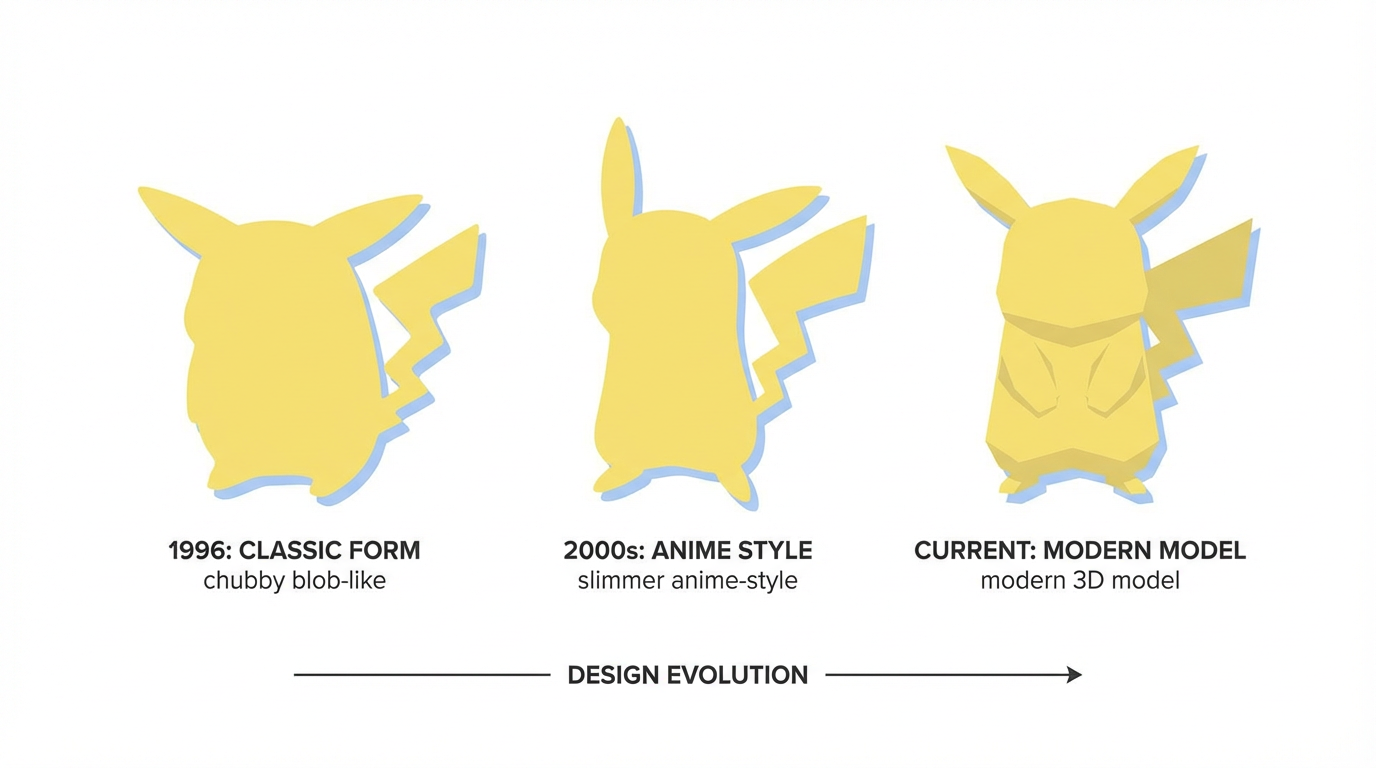
By the second and third generations, the anime’s influence started to dominate. Pikachu slimmed down: a more defined neck, longer spine, and larger, more expressive eyes. As hardware moved from Game Boy to Game Boy Advance, sprite resolution improved and designers could render more dynamic poses and stronger color contrast. Articles on design evolution in Generations 3 and 5 highlight how better resolution and animation allowed more exaggerated, expressive movements, which naturally inspired more dynamic figure poses rather than simple standing or sitting.
In later generations, Pikachu’s core silhouette stabilized. Mainline games like X and Y, then Sword and Shield, standardized a 3D model that closely matches the anime look. At the same time, Pikachu spawned stylized experiment after stylized experiment across spin-offs and merch. Toy-like, blocky models in titles like Pokémon Rumble, super-deformed chibi looks in games such as Café-style spin-offs, and the hyper-detailed fur-textured Pikachu in the Detective Pikachu movie all gave figure designers new styles to mine.
Sword and Shield introduced Gigantamax Pikachu, a special battle form that intentionally returns to a fatter, retro look reminiscent of the original “fat Pikachu.” That design choice practically begs for oversized, playful figures, and you can see how it bridges nostalgia with modern 3D modeling.
Across all this, Game Freak’s internal design philosophy matters. Developer discussions and interviews describe how designers think in terms of believable creatures that share a common “Pokémon vibe,” with Sugimori acting as a filter to keep designs cohesive. Because Pikachu’s base design is kept tightly controlled across games, anime, and cards, figure makers have an extremely clear template to build from, even when they push into stylized or realistic territory.
Eras And Styles Of Pikachu Figures
Even without a complete historical catalog in front of us, you can see some broad eras in the way Pikachu has been realized in physical form.
In the early boom years, Pikachu mostly appeared as simple toys and plushes. Articles on imagery and merchandise note Pikachu as a central driver of Pokémon’s plush, clothing, and accessory revenue. The figures of that time tended to emphasize simple shapes and bright colors: basically plastic translations of early anime stills and Sugimori art.
As sprites and anime animation became more fluid in the Game Boy Advance and Nintendo DS eras, battle figures and multipacks started to show more motion: Pikachu in mid-attack, mid-leap, or pointing its tail, echoing highly animated sprites from later handheld games that many fans still regard as a visual high point.
Once the franchise moved fully into 3D mainline entries, figure makers had access to consistent 3D models. That is when you start seeing a clearer split between different product philosophies. Some figures stay close to the game and anime model. Others exaggerate proportions for chibi cuteness. Some, like premium statues and certain movie tie-ins, lean into high detail and environmental bases.
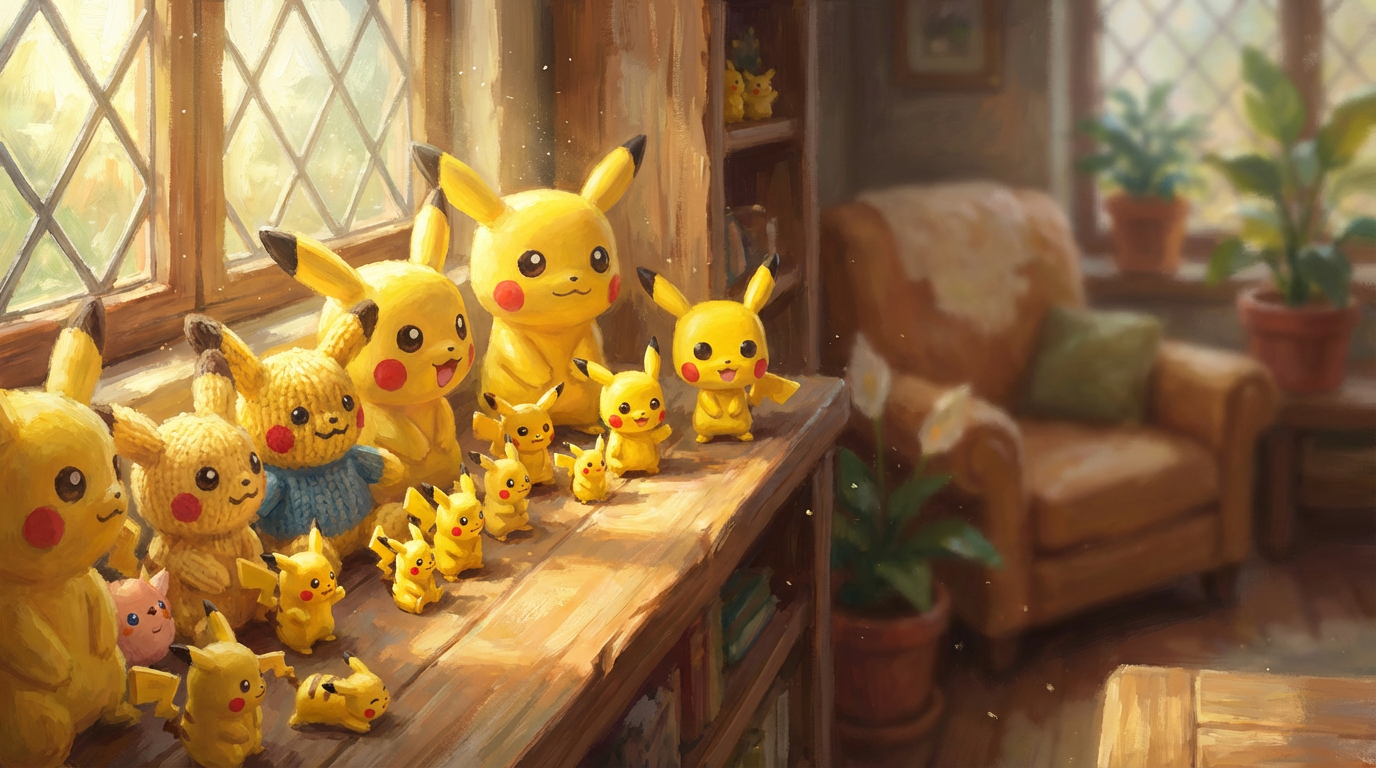
Today, Pikachu figures span everything from two inch PVC battle pieces and plushes sized for Christmas stockings to life-size polystone statues that are closer to an art piece than a toy.
The Main Types Of Pikachu Figures On The Market
To make sense of the current Pikachu figure ecosystem, it helps to group what you see on shelves and online.
Here is a high-level snapshot, built from official product descriptions, marketplace data, and collector-focused articles.
Category | Typical products | Strengths | Trade-offs |
|---|
PVC battle figures and multipacks | Small two to three inch figures, often in sets with other Pokémon | Affordable, kid-friendly, easy to pose and display in groups | Paint simpler, less dramatic detail than premium statues |
Plush and soft “figures” | Eight inch plushes, velvet-textured plush, Squishmallows style Pikachu | Comfort, gift appeal, huge emotional impact for kids and nostalgic adults | Less sculpted detail, not “figures” in the strict sense |
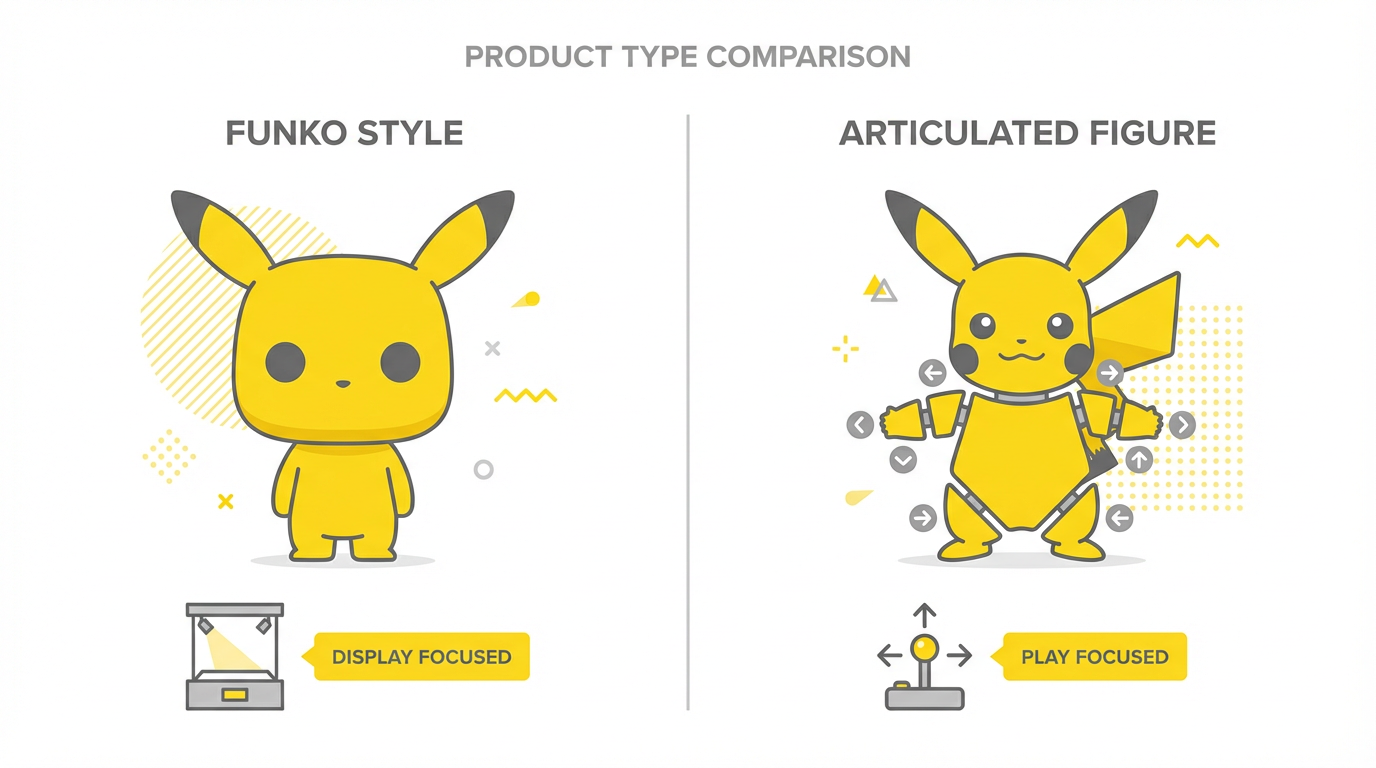
Vinyl collectibles | Funko Pop Pikachu, other desk-sized vinyls | Iconic stylized looks, massive brand crossover appeal | Very stylized; not everyone likes the big-head aesthetic |
Building sets and model kits | MEGA construction kits, Bandai snap-together kits, block-style Pikachu | Blend of play and hobby building, creative posing, satisfying to assemble | Require time and patience; blocky styles can diverge from “on-model” look |
Premium statues and life-size pieces | Polystone life-size Pikachu, deluxe collector statues | High-end sculpting, realistic textures, centerpiece presence | High price, heavier and more fragile, need display space |
Custom and fan-made creations | Handmade resin figures, 3D-printed keychains, indie dioramas | One-of-a-kind designs, deep fandom expression | Licensing gray areas, quality and durability vary by maker |
Let us unpack how these play out for Pikachu specifically.
PVC Battle Figures And Multipacks
On big retail platforms, Pikachu appears constantly in small battle figure sets. A recent snapshot of a large online retailer’s Chinese-language Pikachu figures search configured to ship to Taiwan showed 554 results, with many items being battle figure multipacks where Pikachu shares the blister card with partners like starters or other popular monsters. Ratings on these sets frequently cluster around 4.6 to 4.8 out of 5 stars, with some packs reaching thousands of reviews and purchases.
These figures are usually around two to three inches tall, made from PVC with simple articulation or fixed poses. Sets that include Pikachu alongside companions such as Charmander, Eevee, or Paldea starters serve as instant dioramas for kids and easy starter packs for new collectors. Articles comparing Pikachu figures to other Pokémon figures note that these multi-character sets are a great way to build variety while still keeping Pikachu as the anchor.
The advantages are clear. They are relatively inexpensive, durable, and sized perfectly for desks and bookshelves. The trade-off is that sculpt and paint are designed for play and mass production, not ultra-fine detail.
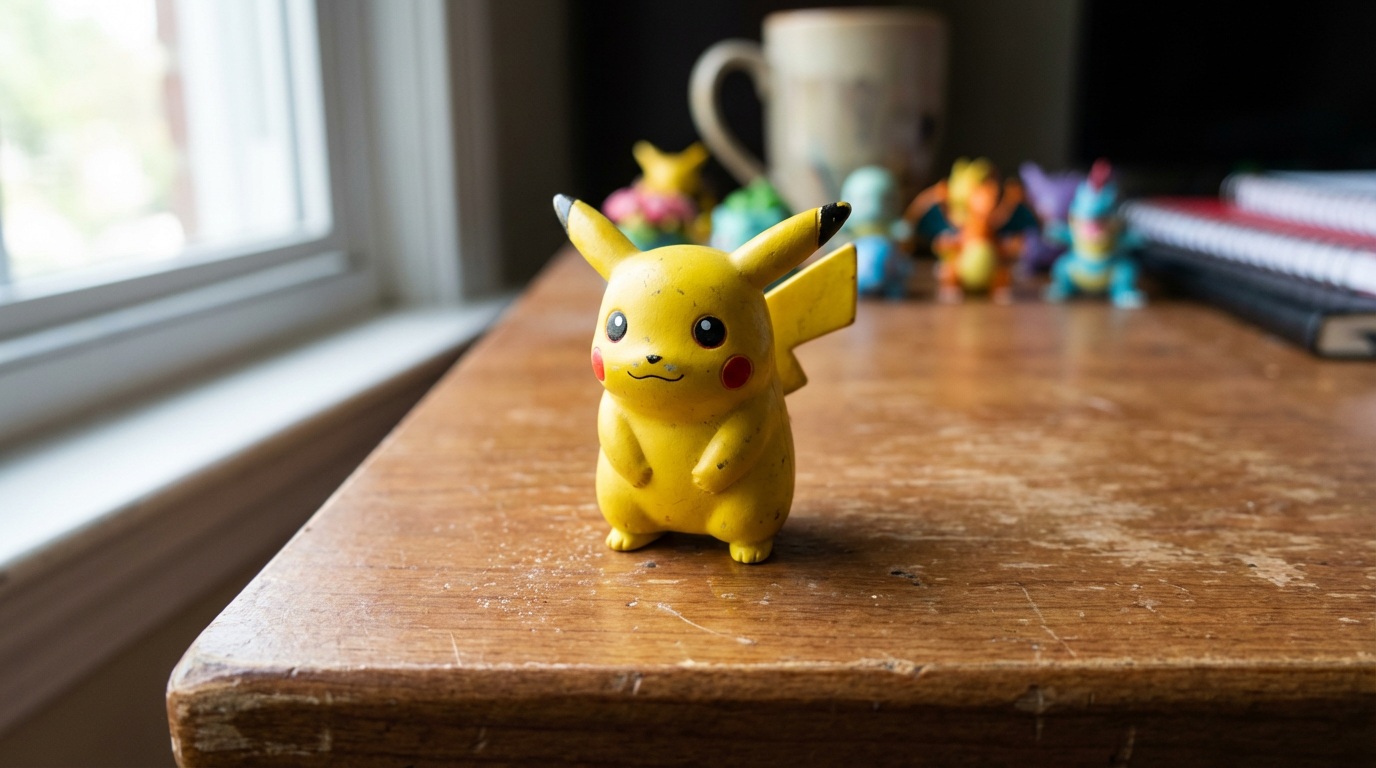
For a lot of fans, that is exactly the point: you can actually handle them.
Plush Pikachu And Squishy Comfort Icons
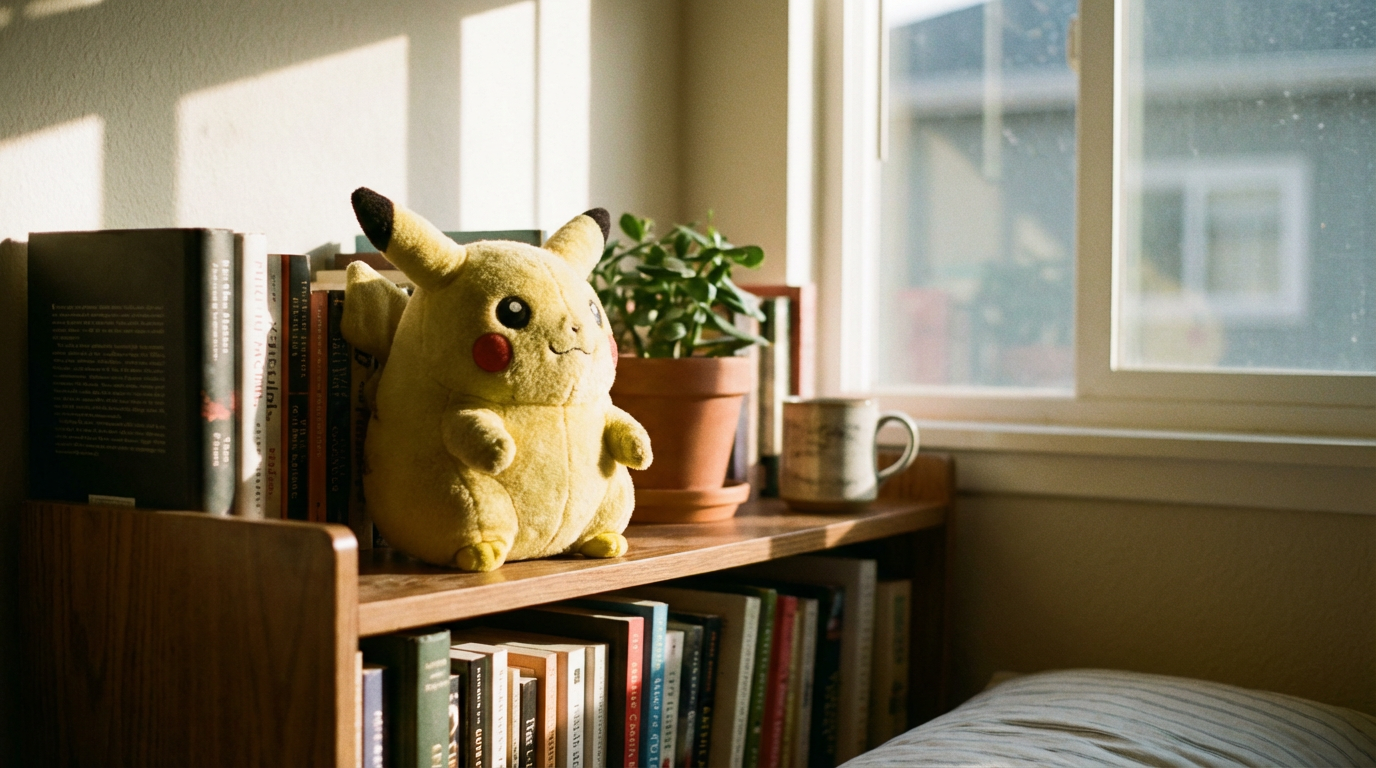
Strictly speaking, plush is a different category than hard figures, but modern Pikachu collecting blurs that line. Plush toys are as central as plastic figures when you look at real shopping behavior.
That same large retailer snapshot highlighted an eight inch Pikachu plush with about a 4.8 star rating, roughly 17,000 reviews, and more than 3,000 purchases in a single recent month. Velvet-textured Pikachu plush and Squishmallows style Pikachu clips and ten inch HugMees also showed ratings around 4.8 to 5.0 out of 5 with hundreds or thousands of monthly purchases. That is an enormous signal that “soft Pikachu” is how many fans first bring the character into their homes.
From a collector’s perspective, plush Pikachu figures deliver maximum emotional resonance, especially as gifts for kids or nostalgic adults. The downside is that they do not scratch the same itch as a finely sculpted statue or a perfectly painted battle pose. Fabric also ages differently; dust, sunlight, and handling wear are bigger concerns than scuffs and paint rub.
Vinyl Pikachu And The Pop Collectible Wave
Vinyl collectibles like Funko Pop Pikachu sit in a sweet spot between toy and decor. In the same retailer snapshot, one standard Pikachu Pop variant had on the order of 34,000 reviews and thousands of purchases in a single month, with ratings in the 4.8 to 4.9 out of 5 range. Other variants, such as attack pose or sitting Pikachu, also scored very high.
These figures lean hard into stylization: oversized heads, simplified details, and a very specific expression language. The upside is that they mesh well with broader pop culture collections; you can line Pikachu up with superheroes, movie characters, and game icons in a visually coherent way. The downside is that if you love the classic anime look, this may feel “off-model.”
For older fans who want something fun, affordable, and display-focused, vinyl Pikachu figures are an easy gateway. For kids, they are sturdy enough, but they lack the articulation and play patterns of battle figures.
Building Sets And Model Kits
Pikachu also stars in building and model kits that turn the figure itself into an activity. A collector-oriented comparison article contrasts two products that illustrate this well.
One is an officially licensed one tenth scale PVC Pikachu model, around 3.1 inches tall, sculpted in a chibi style with poseable joints, non-toxic eco-friendly PVC, and a gift-ready collector box aimed at ages three and up. It was reported at about $22.74 with an average rating of 4.6 out of 5 from 214 reviews.
The other is a block-style set labeled as a Pikachu and Bulbasaur building blocks kit. It uses a blocky aesthetic, requires assembly, and targets ages six and up. That set cost around $46.69 with a 4.3 out of 5 rating from 98 reviews in the comparison. Here, the trade-off becomes clear: the PVC model is cheaper and more poseable; the building block kit is more expensive but offers creative building play.
On major retailers, MEGA building sets push this further. A 205-piece Build and Display Pikachu kit collected around 13,000 reviews and more than 7,000 purchases in a recent month with a 4.8 star rating, according to the same marketplace snapshot. That indicates a strong audience for Pikachu figures that double as building projects.
Model kits from companies like Bandai bring snap-together assembly to more anime-accurate sculpts, sometimes even marking minimum ages from infancy on the box because the finished product is a simple rounded shape, though realistically these appeal most to slightly older kids and hobbyists.
Premium Statues And Life-Size Pikachu
At the top end, Pikachu figures turn into high-end collectibles.
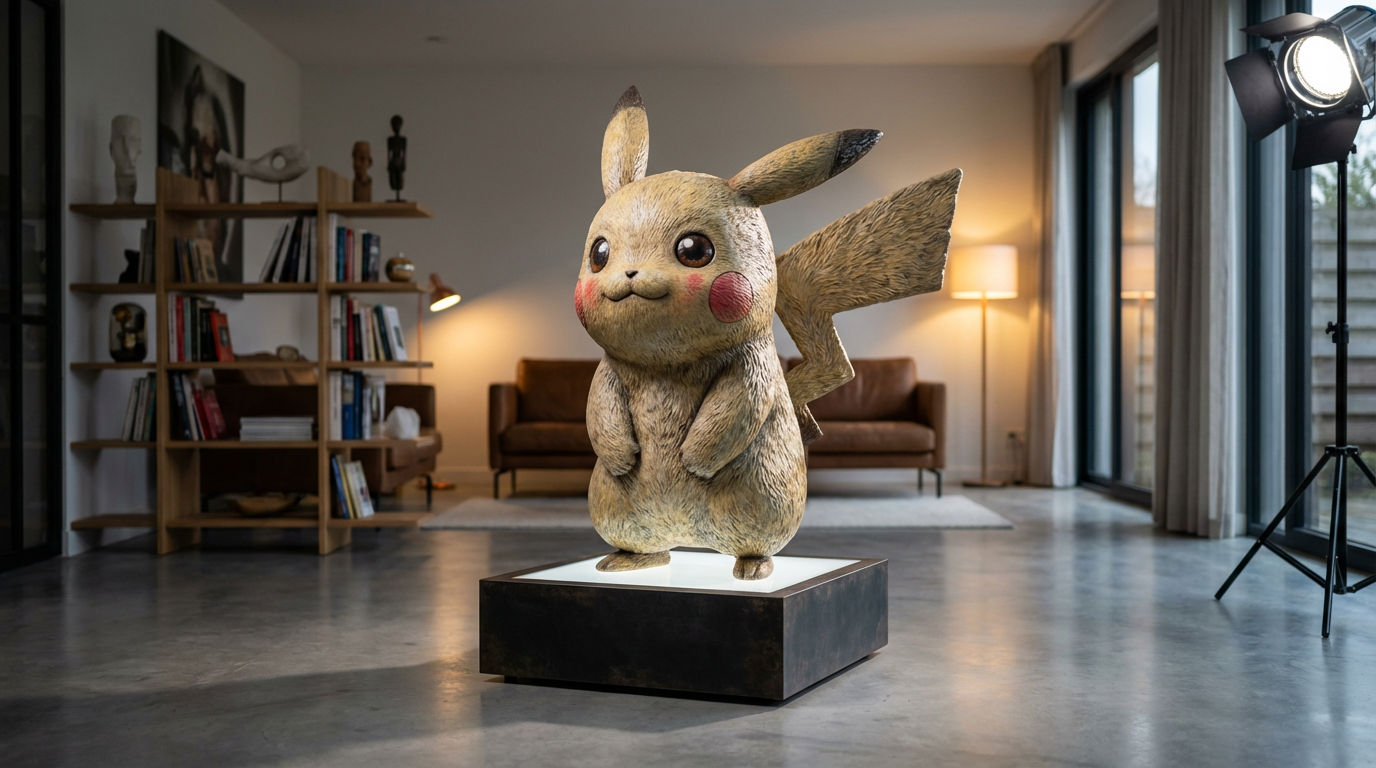
Sideshow’s life-size Pikachu is a polystone statue based on the animated look, posed standing on a grassy route base as if ready to set out with its Trainer. The piece measures about 18 inches tall and 18.25 inches wide, on a circular base around 10 inches deep. Marketing copy frames it as a centerpiece meant to “spark” a broader Pokémon collection. This is firmly in display-only territory: the materials and size make it feel more like fine art than a toy.
Marketplace listings on major retailers also feature deluxe Pikachu collector statues priced much higher than battle figures. For example, one deluxe statue around the equivalent of two thousand New Taiwan Dollars is positioned squarely at collectors, not kids, and carries ratings consistent with careful, limited purchases.
Here, the pros are obvious. Sculpted fur, carefully shaded cheeks, and environmental bases capture moments like Pikachu charging a Thunderbolt or standing at a route signpost. The cons are space, cost, and fragility. If your apartment turns into a con crunch war zone every few months, a heavy polystone Pikachu needs a safe, stable home.
Custom, Handmade, And Fan-Made Pikachu Figures
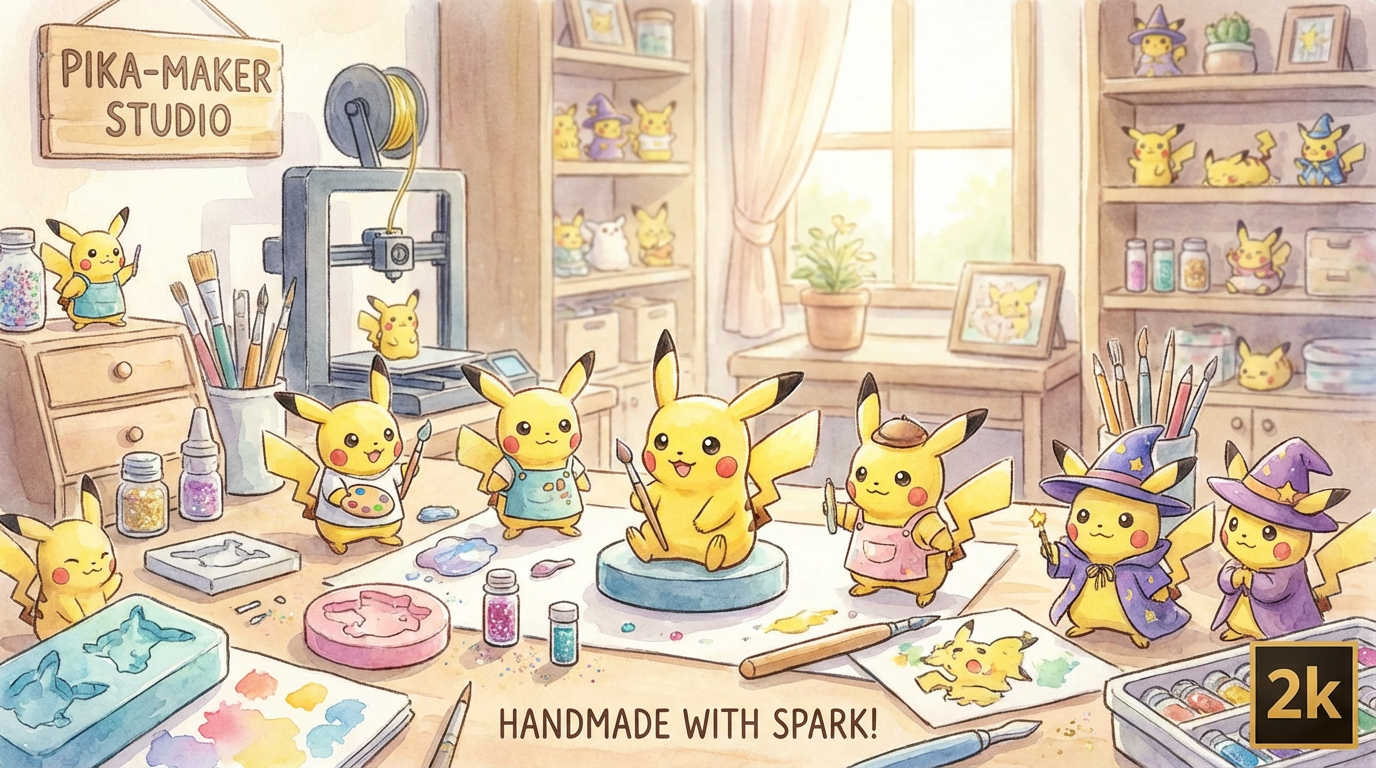
Beyond official products, Pikachu thrives in the handmade and fan art space. An Etsy marketplace snapshot points to “Pikachu figurines” as a vibrant category of handmade and vintage items, often using materials like resin, plastics, or 3D-printed components and sold by individual makers.
Elsewhere, creators promote 3D-printed Pokémon keychains, treating Pikachu and friends as must-have accessories for convention-going “trainers.” Posts emphasize that these are made in-house and designed specifically for fan events and collectible shows.
The appeal here is personalization and uniqueness. You might find a Pikachu sculpted in a particular outfit, merged with another fandom, or posed in a highly specific mood, similar to social posts that treat Pikachu as a working avatar, slumped behind a computer to represent everyday burnout.
A key caveat is licensing. The Etsy research notes highlight that many of these creations are unlicensed fan art, even if lovingly made. That matters if you care about supporting official channels or worry about future takedown risk. Quality and durability also vary widely; photos and seller reviews are your best tools.
Pikachu Figures Versus Other Pokémon Figures
Should you build a shelf that is Pikachu-only, or mix in the rest of the Pokédex? One collector-focused comparison article tackles this question directly.
It argues that Pikachu figures work brilliantly as a nostalgic anchor. Because Pikachu is instantly recognizable and emotionally loaded for many fans, it excels as a centerpiece or as a “safe bet” gift. In informal gifting tests described in that article, Pikachu consistently triggered stronger reactions than many rarer Pokémon.
At the same time, the author recommends collecting beyond Pikachu for enthusiasts. Figures of underrated or less mainstream Pokémon often feel like hidden gems. They help personalize displays and can sometimes offer better long-term value, simply because there is less competition among collectors.
The comparison between the one tenth scale Pikachu PVC figure and the more expensive Pikachu and Bulbasaur building blocks set illustrates another angle. The Pikachu-only PVC model was cheaper, more poseable, and presented as a standalone centerpiece. The higher priced building set required assembly but gave you two characters and a more creative, play-driven experience.
My own shelves mirror that conclusion. A lineup of nothing but Pikachu can be powerful, especially when you mix styles: a life-size statue anchoring vinyls, battle figures, and plush. But sprinkling in other Pokémon lets the Pikachu figures play off their partners the same way they do in the anime and games.
Variants, Forms, And The Endless Pikachu Multiverse
Part of what makes “completing” a Pikachu figure collection so impossible is the sheer number of canonical variants.
According to Bulbapedia, Pikachu has sixteen alternate forms grouped roughly into four clusters. There is Cosplay Pikachu with contest-themed outfits, Pikachu in a cap wearing different versions of Ash’s hats across the series, partner Pikachu from the Let’s Go games, and Gigantamax Pikachu. Many of these special forms cannot evolve and have unique moves or abilities.
Every time the games introduce a new cap, event, or special mechanic, merchandising teams effectively gain another Pikachu to work with. Combined with fashion and art collaborations highlighted in marketing analyses, this produces an almost fractal explosion of Pikachu looks.
Marketplace research reinforces this. One article notes that Pikachu appears in many costumes, poses, and event-exclusive figures, which boosts appeal but makes completing a Pikachu-only collection challenging. By contrast, many other Pokémon simply do not have that many variants, so completing a run of, say, a single favorite like Psyduck or Bulbasaur is more manageable.
If you are a completionist, it helps to define your own sub-lines. Maybe you focus on battle-ready Pikachu figures only, or on all the cap variants, or on plush dressed for seasonal events like Christmas and Halloween. Otherwise, the Pika multiverse will absolutely outpace your shelves.
How Big Is “Life-Size” Pikachu, Really?
Canonical sources such as encyclopedic entries put Pikachu’s height at about 0.4 meters, which converts to roughly 1 foot 4 inches. That gives figure makers a baseline for “life-size” interpretations.
Sideshow’s life-size polystone Pikachu is described as scaled to realistic in-world dimensions and measures about 18 inches tall on its grassy base. Different products interpret “life-size” slightly differently because they may include pose, ear angle, or base height, but overall, you can think of a life-size Pikachu figure as being around a foot and a half tall.
Knowing this helps when you are planning display space. A true life-size Pikachu is closer to a small statue than a typical desk figure and will command serious visual attention.
Practical Buying Guide For Pikachu Figures
Once you know the landscape, the next question is how to choose the right Pikachu figure for you.
A helpful starting point is to clarify your goal. If you want a crowd-pleasing gift or something for a younger fan, the data from large retailers is instructive. Items like the eight inch Pikachu plush and the MEGA Build and Display Pikachu kit with thousands of reviews and high ratings show what real-world buyers gravitate toward. Age recommendations on battle figure sets and playsets commonly target ages three to eight and up, which makes them safe picks for kids within that range.
If you are collecting for yourself, think in terms of three axes: style, materials, and scale.
Style covers choices like anime-accurate versus stylized. If your ideal Pikachu is the classic anime partner, you will probably prefer official battle figures, PVC statues, and some model kits. If you love experimentation, vinyls, brick-based building figures, and fan-made sculpts will speak more to you.
Materials have practical implications. PVC and vinyl, which dominate battle figures and Pops, are light and durable enough for regular handling. Polystone and similar resin-like blends used in premium statues feel weighty and luxurious but are more fragile if dropped or bumped. Soft plush and Squishmallows bring comfort and hug-ability but require different care routines.
Scale is where a lot of new collectors underestimate. Moving from two inch blind-box figures to eight inch vinyls to an eighteen inch life-size statue is an exponential jump in footprint. Before ordering that centerpiece Pikachu, picture where it will actually live. A life-size figure on the floor next to a bookcase reads very differently than the same figure at eye level in a dedicated display.
Marketplace research on platforms like eBay adds another dimension: condition and authenticity. When you move beyond first-party retail into auctions or resale, carefully read descriptions for condition, ask for extra photos, and pay attention to seller ratings. Even when listings are priced in another currency such as New Taiwan Dollar, factor in shipping, currency conversion, and potential import taxes.
On handmade marketplaces, the earlier noted intellectual property issue becomes practical. Decide where you stand on unlicensed fan art. If you are comfortable, prioritize makers who show clear, well-lit photos from multiple angles and have a track record of customer reviews. If you prefer official products, use search filters and read descriptions closely for wording that indicates licensing.
Spotting Authentic Pikachu Figures
One merchandise-focused article offers very concrete advice on avoiding bootlegs and disappointing knockoffs, especially relevant for Pikachu, whose popularity makes it a prime target for low-quality copies.
It recommends focusing on officially licensed figures from trusted platforms and paying attention to a few physical cues. Authentic figures tend to have a slightly heavier feel for their size, cleaner and more consistent paint lines, and properly printed logos and safety markings. Packaging should look professionally produced, with clear branding and often age recommendations and material information.
If a Pikachu figure feels very light and hollow, the yellow looks off, or the cheeks bleed red onto the face, treat that as a red flag. On online marketplaces, check for the brand names that appear in official contexts, such as Pokémon’s own label, Bandai, Jazwares, Funko, MEGA, Takara Tomy, Re-Ment, and similar companies mentioned in product listings.
The same article advises checking for safe-material certifications, especially for products meant for children, and warns against deals that look “too good to be true,” particularly on big, high-end figures.
Caring For Pikachu Figures And Displays
Once Pikachu is home, thoughtful care extends both the life and the joy of your collection. Collector advice in figure comparison and care articles converges on a few practical habits.
Dust and sunlight are the twin enemies of both plastic and plush. Clear acrylic cases or glass-front shelves dramatically cut down on dust, and positioning displays out of direct sunlight helps prevent yellowing, fading, and, for articulated figures, potential joint weakening over time.
Cleaning should be gentle. For PVC and vinyl, a soft microfiber cloth works well for routine dusting, with slightly damp cloths reserved for stubborn spots. Avoid harsh cleaners, which can cloud finishes or strip paint. Plush Pikachu figures benefit from occasional surface brushing and, if the manufacturer allows, very careful spot cleaning.
Over-posing can also creep up on articulated figures. Constantly flexing the same joint or leaving a figure in an extreme pose on an unstable stand can lead to warping or stress marks. Rotating poses seasonally keeps your shelves feeling fresh and spreads the strain across joints and stands.
Finally, consider seasonal rotation. Some collectors enjoy swapping displays to match holidays, using Pikachu in winter outfits or valentines-themed Pikachu figures during specific months. This not only looks fun but also gives individual pieces rest time away from light and dust.
Are Pikachu Figures A Good Long-Term Collectible?
In terms of emotional value, Pikachu is about as safe as it gets. Its status as the franchise mascot and as a symbol of kawaii culture suggests that Pikachu will remain relevant as long as Pokémon does, and the franchise shows no sign of slowing down given continuing game releases, anime series, and experiments in augmented reality and other new technologies.
From a financial perspective, collector commentary is more cautious. Some limited or vintage Pikachu figures and statues do appreciate significantly, but analyses emphasize that long-term value depends more on rarity, condition, and specific edition than on Pikachu itself. A mass-produced vinyl with tens of thousands of units in circulation is unlikely to become a high-value grail, even if it depicts the world’s most famous Electric-type.
That said, Pikachu’s sheer popularity creates a deep, liquid market. If you change your focus or need to downsize, it is often easier to rehome a well-known Pikachu figure than an obscure side character. That liquidity is a subtle but real advantage.
My own rule of thumb is simple: treat every Pikachu purchase as a fandom decision first. If a figure appreciates, that is a bonus. The primary return is the spark you feel when you see that little yellow silhouette on your shelf.
FAQ
Q: I am new to Pokémon figures. Should my first piece be Pikachu or another favorite?
A: If you are unsure what you like long term or you are buying a gift, Pikachu is a fantastic first pick. Collector comparisons show that Pikachu consistently generates stronger reactions than many rarer Pokémon, and marketplace data backs up its popularity. If you already have a deep personal favorite like Bulbasaur or Psyduck, pairing one Pikachu with one figure of that favorite gives you the best of both worlds.
Q: How much should I expect to spend on a “good” Pikachu figure?
A: Large retailer snapshots suggest that most Pikachu figures and figure-adjacent products cluster between roughly $8.00 and $50.00 for battle sets, vinyls, plush, and building kits, with premium statues reaching far higher. A well-made small PVC figure or Pop-style vinyl often sits at the lower end of that range, while multi-figure sets and elaborate building kits push toward the higher end. Premium polystone statues and life-size pieces sit in a completely different budget category.
Q: What is the best way to focus a Pikachu figure collection so it does not feel overwhelming?
A: Define one or two themes instead of trying to chase everything. You might concentrate on all Pikachu battle figures in a certain size, on a single style like vinyls, on a particular form family such as cap-wearing Pikachu, or on a mix of one plush, one vinyl, one battle figure, and one premium statue that represent your favorite eras. The research on forms and variants makes it clear that trying to “own every Pikachu” is not realistic. Curating a personal Pika narrative is.
Pikachu figures are where design history, merchandising strategy, and pure fandom joy collide. From tiny battle-ready PVCs and squishy comfort plush to towering life-size statues, each piece captures a different facet of a character that has been evolving since the mid nineties. Whether you are just adding your first partner to your desk or deep into planning a dedicated Pikachu display room, there is always another pose, another form, and another story waiting in that familiar yellow silhouette.
References
- https://exac.hms.harvard.edu/pokemon-gift-ideas
- https://en.wikipedia.org/wiki/Pikachu
- https://production.cbts.edu/Fulldisplay/93SBtZ/897886/Pikachu-Print.pdf
- https://bulbapedia.bulbagarden.net/wiki/Pikachu_(Pok%C3%A9mon)
- https://pokeshopper.net/figurines/
- https://www.amazon.com/Pikachu-Figures/s?k=Pikachu+Figures
- https://smart.dhgate.com/pikachu-figures-vs-other-pokemon-figures-are-they-even-worth-collecting/
- https://www.etsy.com/market/pikachu_figurines
- https://www.gamedeveloper.com/design/evolution-of-pokemon-design-generation-5
- https://www.lemon8-app.com/@artkal_beads/7507474519041458734?region=us