The Intersection of Collectibles and Performance Art Practices
Collecting anime figures is supposed to be simple. You buy a character you love, you pose them, you put them on a shelf, and you move on to the next pre-order. But if you have ever caught yourself spending an entire weekend arranging a diorama, tweaking a character’s pose by a fraction of an inch, or shooting a toy photo that took more time than a cosplay shoot, you already know the truth: our “collectibles” are quietly turning into performance partners.
Across art history, small figurines, dolls, and toys have always done double duty. They were not just objects; they were props in rituals, stand-ins for people, and tools for storytelling. Contemporary art writers covering custom dolls, art toys, handmade figurines, and diorama craft describe a world where making, posing, and playing are all performative acts that live somewhere between sculpture and theater. As an anime figurine collector who also makes customs and dioramas, I see that same impulse every time a fan turns a plain shelf into a cinematic battle scene.
This article explores how collectibles and performance art practices intersect, using research on figurines, dolls, art toys, and miniature crafting, and translating it into concrete ideas for anime figure and fandom communities. The goal is not to convince you to stop being a collector and become a “performance artist,” but to show that you might already be one, and that leaning into that can make the hobby richer, more expressive, and more inclusive.
From Ritual Objects to Art Toys: Figurines Built to Act
Before there were anime PVCs in glass cases, there were tiny clay and stone figures being carried into caves, temples, and tombs. Guides to figurine history from Paykoc Imports and Polyprestige3D describe how miniature human and animal figures show up in Mesopotamia as offerings to deities, in Egyptian burials as shabti figures meant to work in the afterlife, and across Asia as tomb companions and religious icons. These objects rarely sat passively. They were handled in rituals, placed carefully in specific locations, and activated by chants, gestures, and movement. In other words, they lived inside performances.
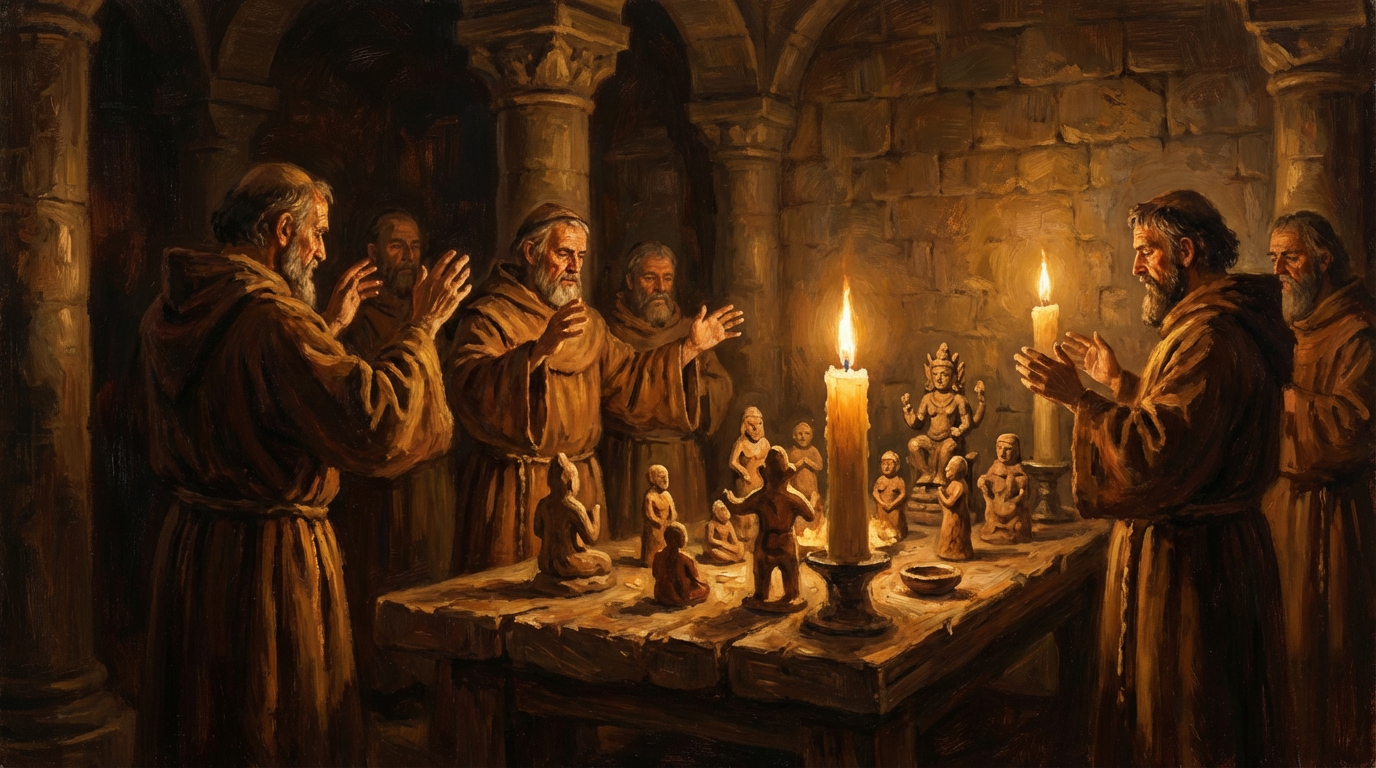
Polyprestige3D emphasizes that figurines functioned as portable sculptures that captured myths, social roles, and ideals of beauty. Terracotta and clay figures, from Egyptian shabtis to Chinese tomb companions and pre-Columbian deities, were designed for funerary and religious contexts. That is already an intersection of object and action: the figurine carries meaning, but the ritual around it is what makes that meaning come alive.
Prehistoric research on early symbolic objects adds another layer. David Neat’s discussion of the Makapansgat pebble and other mimetoliths highlights how humans have long been drawn to things that look like other things, such as stones that resemble faces or bodies. His argument is that recognizing those likenesses, a phenomenon tied to pareidolia, is a foundation for artistic imagination. Once you see a “figure” in a pebble, you can start to perform around it: treat it as a presence, give it a story, maybe even stage a small ritual. That mental act is not so far from how we treat a chibi figure as “them,” not “it,” when we talk to it or arrange it on the desk.
Fast-forward to the modern era, and art toys pick up this thread. An overview of art toys from Hihommi notes that handmade figurines in ancient cultures were both toys and folk art, carrying religious and storytelling roles. Later, mass production in the late nineteenth century created affordable toys, but a parallel tradition of handcrafted pieces stayed alive. In the late twentieth century, designer toys emerged from urban art scenes and countercultural movements, with figures by artists such as Michael Lau, James Jarvis, KAWS, and Takashi Murakami blurring the line between toy and sculpture. These pieces are still collectibles, but they are also charged with attitude, narrative, and cultural commentary.
Events like DesignerCon and ToyCon, as described in the Hihommi article, show how art toys and designer figures generate performative spaces: fans line up, trade, show off customs, and display collections at booths. The convention floor becomes a stage where figurines and people co-star.

For anime fans who flock to figure rows at conventions, this probably sounds very familiar.
Collectibles as Characters: Identity, Story, and Emotional Performance
If a figurine is just an object, it does very little. If it is treated as a character, it starts to demand story and performance. Custom doll artists, as documented in a qualitative essay on custom dolls, push this idea extremely far. They take mass-produced or blank dolls, strip away factory paint, reroot hair, sculpt new details, sew outfits, and build dioramas. The doll becomes a canvas for identity, narrative, and emotion.
That article notes several key points that absolutely resonate with anime customizers and garage-kit painters. Doll customizers frame their work as self-discovery, externalizing aspects of personality, heritage, gender identity, body type, and neurodiversity that mainstream toys and media often ignore. For LGBTQ+ and BIPOC artists, creating dolls with authentic gender presentation or diverse facial features is a deeply affirming act. It is not just about getting a cool look; it is about performing a more truthful version of self through the figure.
Custom doll makers also routinely treat their dolls as cast members in ongoing stories. They name them, imagine relationships, build worlds, and sometimes act out scenes in photo stories or stop-motion videos. The narrative building itself, according to that research, becomes a kind of nonverbal storytelling and informal art therapy. Grief, joy, loneliness, empowerment, and major life milestones all get processed through this ongoing performance with small figures and props. The central advice from that community is that there is no wrong way to customize a doll. What matters is self-expression and experimentation, not technical perfection.
Anime figure fans already do a similar kind of emotional performance, even if they do not use that language. When you buy a figure that reflects your gender, or your culture, or your favorite flawed hero, you are curating a cast that says something about who you are. When you set up a shelf to honor a coming-out, a graduation, or a recovery journey, you are turning collectibles into emotional actors. The custom doll world shows that leaning into that is not “cringe”; it is a legitimate art practice and a powerful way to rewrite personal narratives.
Handmade art more broadly, as described by Holyland Boutique, adds an important nuance. Handcrafted objects embody the maker’s creativity and cultural heritage, and many traditions emphasize healing and community. Art therapy and healing arts, which that guide discusses, treat the creative process as more important than perfection. The same is true for doll and figurine customization: sanding seams, repainting eyes, and sewing tiny outfits are not just technical tasks; they are time-based acts that regulate emotion and create meaning. That is performance, even if the “stage” is a cluttered desk at 1:00 AM.
Dioramas and Displays: Miniature Stages for Big Performances
If figures are cast members, dioramas are their stages. A beginner’s guide to miniature crafting from MG Collectibles & Toys defines a diorama as a small-scale, three-dimensional scene that combines terrain, structures, figures, and lighting to tell a visual story. That guide roots dioramas in nineteenth-century museum displays, but also shows how they evolved into a personal storytelling medium for hobbyists.
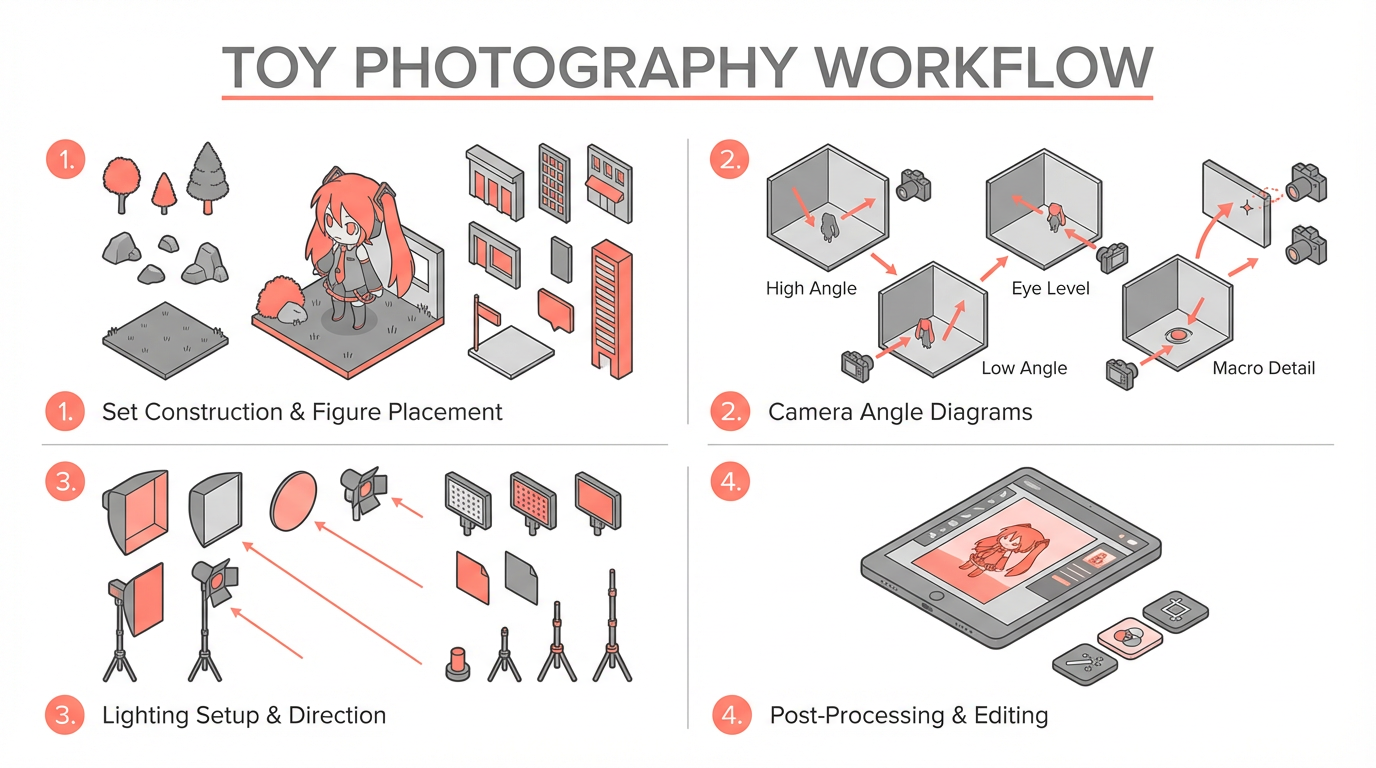
The techniques they describe are essentially stagecraft in miniature. Terrain building and landscape sculpting create the “set.” Lighting is planned to enhance drama and focus attention. Composition decisions about where to place each figure shape the implied movement and emotional impact. Character interaction, such as posing two figures mid-conversation or locking eyes in a clash, is highlighted as the key to making scenes feel alive.
Another article on human figurines from My3DSelfie emphasizes display strategy. It recommends using display cases, shelves, and stands to highlight unique features and reduce damage. It also suggests mixing and matching styles and themes to create visually engaging displays. When you combine that advice with diorama craft, you get a clear picture: the way we place figures is not just storage; it is choreography.
As anime collectors, we see this in action all the time. Someone might build a ruined city base for a spread of action figures, pose them with dynamic angles and environmental storytelling, then photograph the scene with careful depth of field. That series of actions is indistinguishable from a small-scale, time-based performance: plan, pose, light, shoot, adjust, repeat. The final Instagram post is just the souvenir.
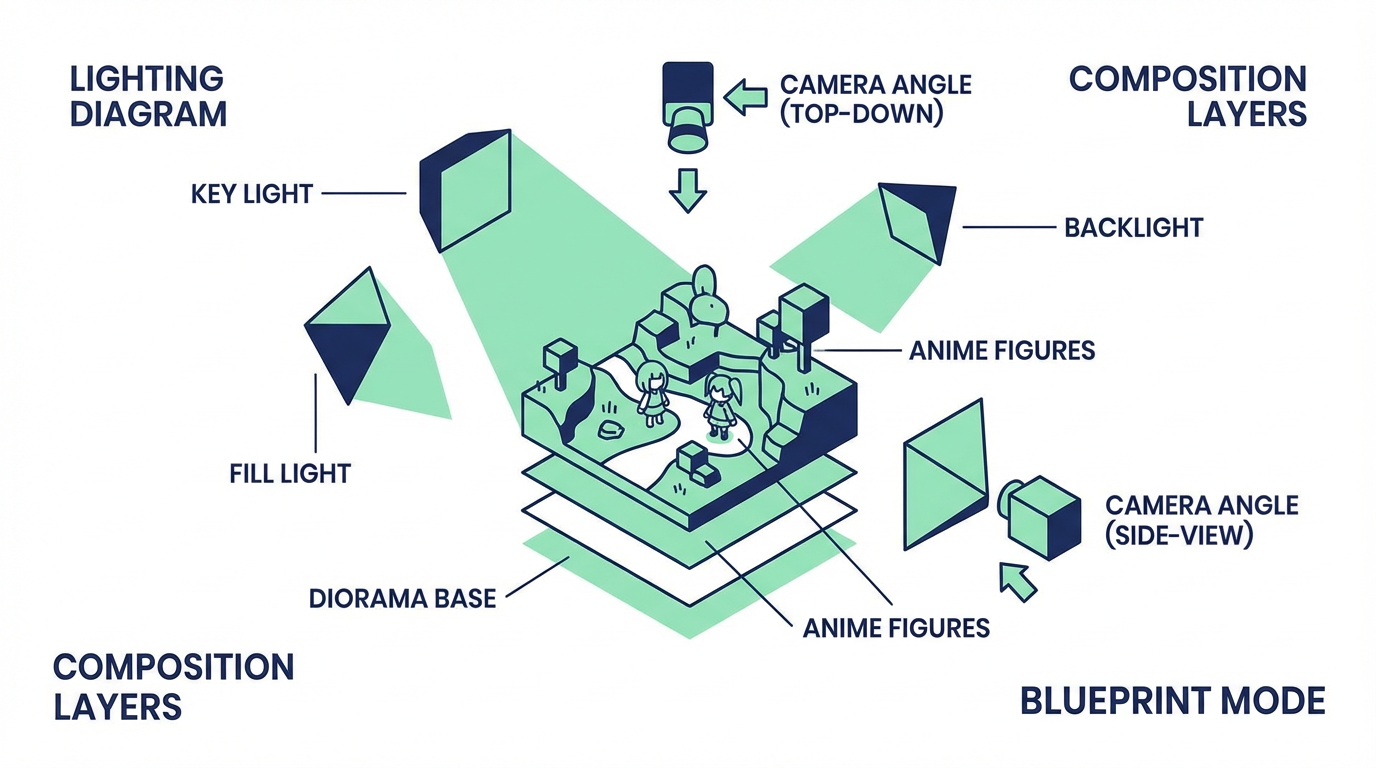
Dioramas are also a bridge between object-based and live performance practices. When fans share build progress, do live streams while painting bases, or invite friends over to rearrange a “holiday shelf,” they are performing the process of world-building. The MG Collectibles guide encourages creators to choose themes drawn from their personal interests, whether historical, fantasy, or everyday scenes. That choice shapes the narrative and keeps motivation high. For anime fans, mixing canon moments with personal what-if scenarios is a natural extension of fanfiction and roleplay, translated into tangible space.
Toys, Galleries, and Audience Participation
Performance does not just live in bedrooms and hobby desks. Toy-inspired art has a strong presence in galleries, and it frequently takes on performative dimensions. Handshucked’s deep dive into art inspired by toys traces a line from early modernists who admired childlike creativity, through Alexander Calder’s mobiles, to Pop artists like Eduardo Paolozzi and Peter Phillips. One striking example they mention is Andy Warhol’s 1983 series of 128 toy paintings, hung at child eye level. That installation already treats toy imagery as a way to choreograph the viewer’s body and gaze, pushing adults to crouch down or change posture. The audience’s movement becomes part of the artwork.
Contemporary artists use toys and toy aesthetics to explore identity, gender, violence, and politics. According to Handshucked, artists like Cindy Sherman, Claude Cahun, Sarah Lucas, and Rose Wylie use dolls and toy-like figures to expose how childhood play encodes expectations around femininity and self-presentation. Others, such as Paula Rego or Jake and Dinos Chapman, weaponize toy-like imagery to critique war and power, making conflict feel like a terrifying game. In these cases, the figurines and toy references are props in a conceptual performance about how society scripts us.
The same article highlights artists who turn galleries into playable spaces. Meschac Gaba’s interactive game room, for example, uses oversized games to invite participation and cross-cultural dialogue. The Mattel eightieth anniversary exhibition at Corey Helford Gallery in Los Angeles, as described by Handshucked, gathers over eighty artists reimagining brands like Barbie, Hot Wheels, Fisher-Price, Masters of the Universe, and UNO. The programming is overtly performative: artist signings with UNO gameplay, an artist panel, and even a mindfulness workshop tied to UNO. Visitors are not just looking at artworks of toys; they are playing, talking, and reflecting inside a choreographed experience.
Designer toy culture also brings performance into the marketplace. Hihommi’s history of art toys points out how limited editions, artist–manufacturer collaborations, and curated exhibitions turn toys into coveted cultural artifacts. Conventions like DesignerCon become spaces where collectors and artists perform expertise, taste, and fandom, from camping out for a drop to filming live unboxings. The designer toy scene differs from traditional fine art in many ways, but it shares one core element: the audience’s actions complete the work.
For anime figure fans, this is an invitation. Toy photography meetups, figure-diorama exhibitions at conventions, or community customs shows are all natural ways to push collecting toward performance. And as Handshucked warns, working with branded characters raises copyright and trademark issues, so artists need to understand fair use, parody, and the potential benefits of official collaborations. That legal awareness is part of responsible performance practice when toys and collectibles are in the mix.
Making as Performance: Sculpting, Customizing, and Sharing
Performance art is often defined as a time-based practice where the artist’s actions and presence are the core medium. If you watch someone sculpt a figure from scratch or repaint a doll head for hours on a livestream, it is hard to argue that what you are seeing is only “craft” and not also performance.
Technical guides on figure sculpture underline how physical and iterative the process is. A polymer clay overview notes that polymer clay stays soft until baked in a home oven, which allows for detailed human and animal figures without a kiln. Sculptors typically start with an armature, an internal wire skeleton wrapped in foil, to support the pose and prevent sagging. They build up clay in stages, first blocking out large forms, then refining anatomy and finally adding delicate features like eyelids, fingers, and clothing folds. Coloring can come from pre-tinted clay or from post-bake painting with acrylics and pastels, sealed with varnish.
A separate practical guide to beginner sculpture from DHgate emphasizes that rushing the armature or focusing on tiny details too early are common pitfalls. It recommends working in layers, keeping clay slightly moist for air-dry types, and allowing slow drying to avoid cracks. That same guide stresses the importance of negative space and thoughtful display lighting to bring out textures and shadows.
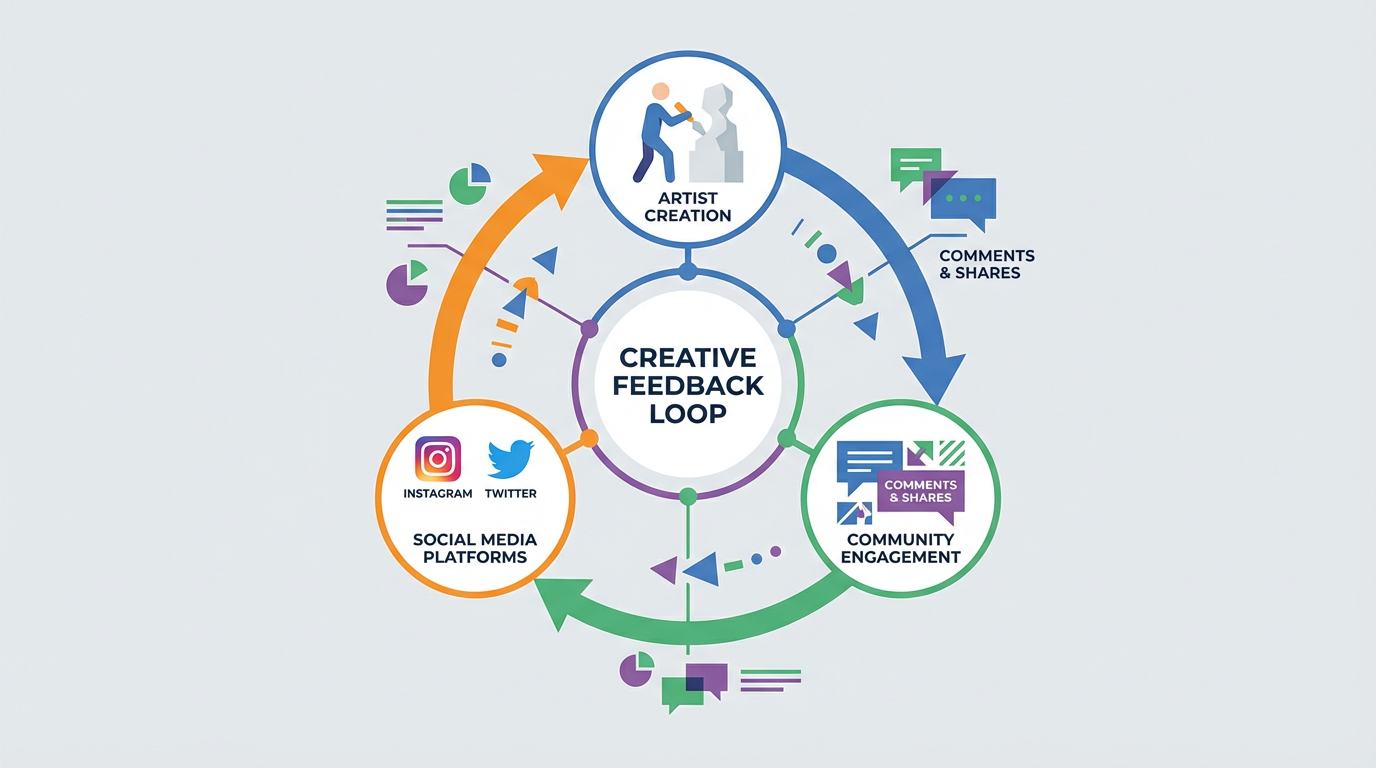
When you combine those technical insights with the custom doll community’s emphasis on emotional expression and identity, the process of making becomes a performance in itself. Every stroke of sandpaper, every rerooted hair, every carefully mixed skin tone is an action that leaves a visible trace. Online communities amplify this by encouraging before-and-after photos, progress shots, and themed challenges. The doll article mentions global communities on platforms like Instagram, YouTube, TikTok, and Discord that legitimize doll customization as fine art and foster inclusive participation. That feedback loop is pure performance: the artist acts, the community responds, and the work evolves in public.
Handmade wooden figurines, as discussed by Afriartisan, echo this ethos. Artisans spend days or weeks carving and refining a block of wood with chisels and sandpaper. Each piece is treated as one-of-a-kind, shaped intimately by the maker’s tactile relationship with the material. Some incorporate metals, glass, or stone to add new narrative layers. Owning such a figurine is framed as supporting traditional craftsmanship and slow, intentional making. Watching or documenting that process can be just as compelling as the finished work.
For anime fans, kitbashing a cheap figure, sculpting custom parts in polymer clay, or repainting entire characters is a perfect way to engage with this making-as-performance tradition. It also sidesteps some of the legal concerns around direct use of branded toys by pushing you toward original characters or heavily reimagined versions.
Pros and Cons of Treating Collectibles as Performance Partners
Seeing your collection through the lens of performance art unlocks exciting possibilities, but it also brings tradeoffs. Drawing from the research above, several benefits stand out.
First, there is the depth of personal expression. Custom dolls, handmade figurines, and art toys all show how figures can carry nuanced identities and underrepresented stories. When you perform with them through posing, dioramas, or narratives, you are not only consuming media; you are co-creating it. For marginalized fans in particular, this can be affirming and empowering.
Second, there is emotional regulation and healing. Both the custom doll article and Holyland Boutique’s discussion of art therapy emphasize that tactile, focused creative work helps people process grief, loneliness, and trauma, and nurture their “inner child.” Treating collecting as a creative performance makes the hobby more than escapism; it becomes a structured way to work through real feelings.
Third, performance-oriented collecting naturally builds community. Shared challenges, exhibitions, and events like the Mattel anniversary show at Corey Helford Gallery or conventions like DesignerCon create spaces where people collaborate, learn, and support each other. That social aspect matters at least as much as the objects themselves.
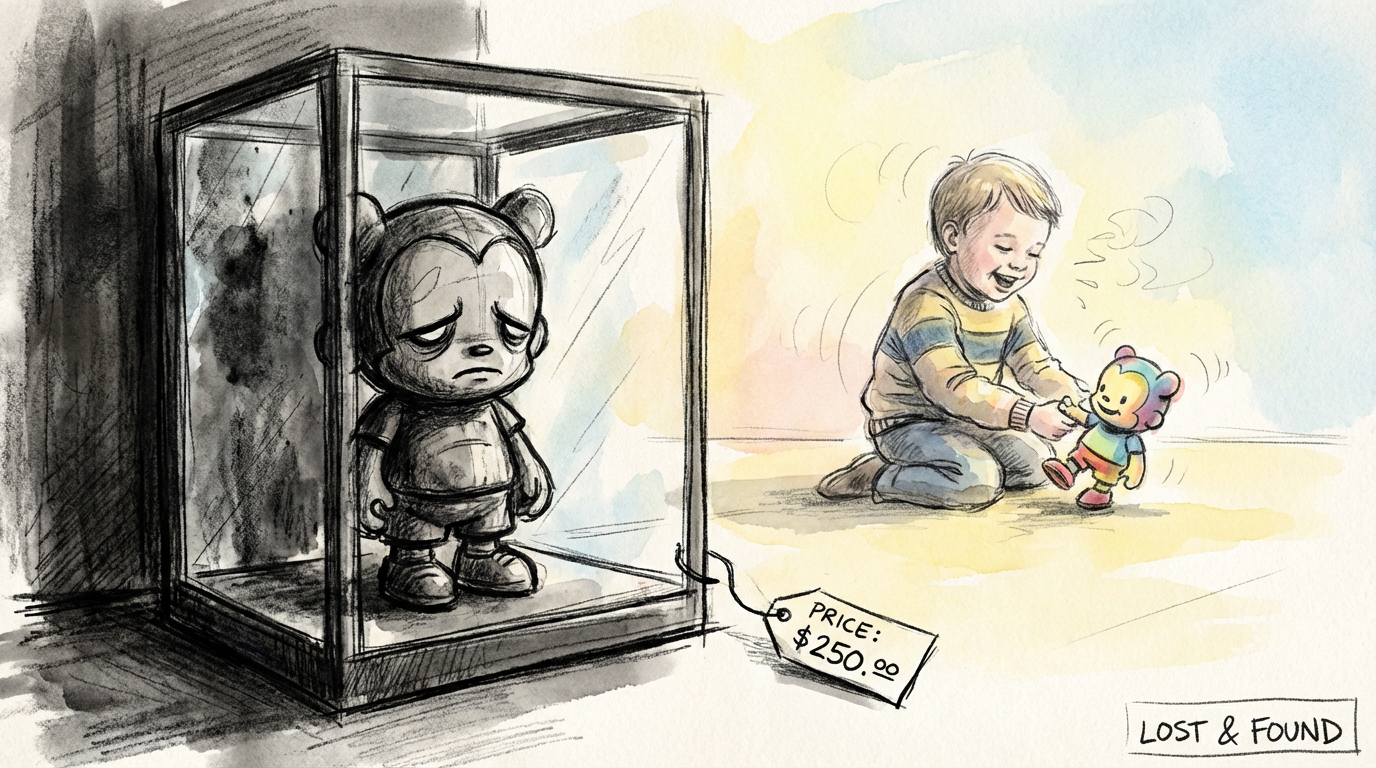
There are downsides, too. Treating every figure as a potential project can lead to burnout and perfectionism. The doll community’s repeated insistence that there is no wrong way to customize is an antidote to this, but the pressure is real, especially when social media numbers are involved. Financially, designer toys and custom pieces can be expensive, and art-historical discussions of figurines from Polyprestige3D and Paykoc note that rarity and prestige can drive values into “investment” territory. When market value becomes central, the joy of playful performance can get overshadowed.
Legal complexity is another constraint. Handshucked’s guidance on fair use and brand collaborations makes clear that artists cannot casually assume they are safe when they heavily reference trademarked toys. Parody and critique may be defensible, but the boundaries are gray. For anime fans making performance-focused projects with branded figures, that means being thoughtful about where and how works are shown and when to pivot toward original characters.
Finally, there is the simple risk of damage. Performance means handling. Posing figures for photography, transporting them for exhibitions, or integrating them into installations all increase the chance of breakage. My3DSelfie’s tips on careful cleaning, dust control, and material-specific care are a reminder to respect the physical fragility of our co-stars.
Practical Ways Anime Figure Fans Can Explore Performance Practices
So how do you actually bring performance sensibilities into an anime figure collection without needing a gallery budget or a theatre degree? The sources above point toward several practical paths that are accessible, even if you are starting from a single prize figure on a bookshelf.
You can treat your shelf as a diorama rather than a storage zone. MG Collectibles encourages builders to think in terms of theme, composition, and character interaction. Instead of lining figures in a row, try staging a specific scene: a training arc, a final battle, a festival day. Consider terrain elements like simple foam rocks, bits of miniature foliage, or tiny architectural props. Pay attention to lighting, using lamps or LED strips to create mood.
You can use toy photography as a performance medium. Toy photos rely on the same techniques MG Collectibles describes for dioramas, combined with the composition and storytelling instincts of performance art. Decide what emotional beat you want to capture, pose your figures accordingly, and experiment with angles that place the viewer “inside” the scene. Each reshoot is an iteration of the performance.
You can explore customization as a slow, therapeutic performance. The doll article recommends starting with an inexpensive base, removing factory paint with acetone-free remover or isopropyl alcohol, sketching your design, and focusing on small facial details first. Polymer clay guidance suggests using armatures and working in layers to build durable custom parts. Reusing materials such as yarn, old clothes, or basic craft paints, as custom doll artists often do, keeps costs manageable and reinforces the handmade, personal feel.
You can build original characters or heavily stylized versions to navigate legal and creative freedom. Handshucked’s legal notes and the custom statue discussion from Robin Antar’s studio both hint that original designs give artists more control. You can channel the energy of your favorite series into new characters that avoid direct IP issues while still scratching the same aesthetic itch.
You can experiment with participatory experiences in your community. Inspired by the Mattel anniversary show’s programming and community-based art described by Holyland Boutique, consider creating small, local events. That could be as simple as a “figure storytelling night” where everyone brings one collectible and shares its story, a collaborative diorama at a club table, or a shared photo challenge tied to a seasonal theme. In these cases, the real artwork is the group performance around the figures.
For clarity, here is a compact comparison of different approaches to collecting and how much they lean into performance practices.
Approach | Main focus | Performance dimension | Typical tradeoff |
|---|
Display-only collecting | Preservation and visual enjoyment | Minimal; staging is static | Less time and risk, but limited self-expression |
Narrative diorama building | Storytelling with scenes | Strong; arranging figures as actors | Requires space, materials, and planning |
Customization and sculpting | Personal identity and craft skills | Very strong; making process is central | Time-intensive, higher learning curve |
Community events and exhibitions | Shared experience and dialogue | Highest; audience interaction is essential | More logistics, potential legal considerations |
None of these modes is “correct.” Most fans blend them over time.
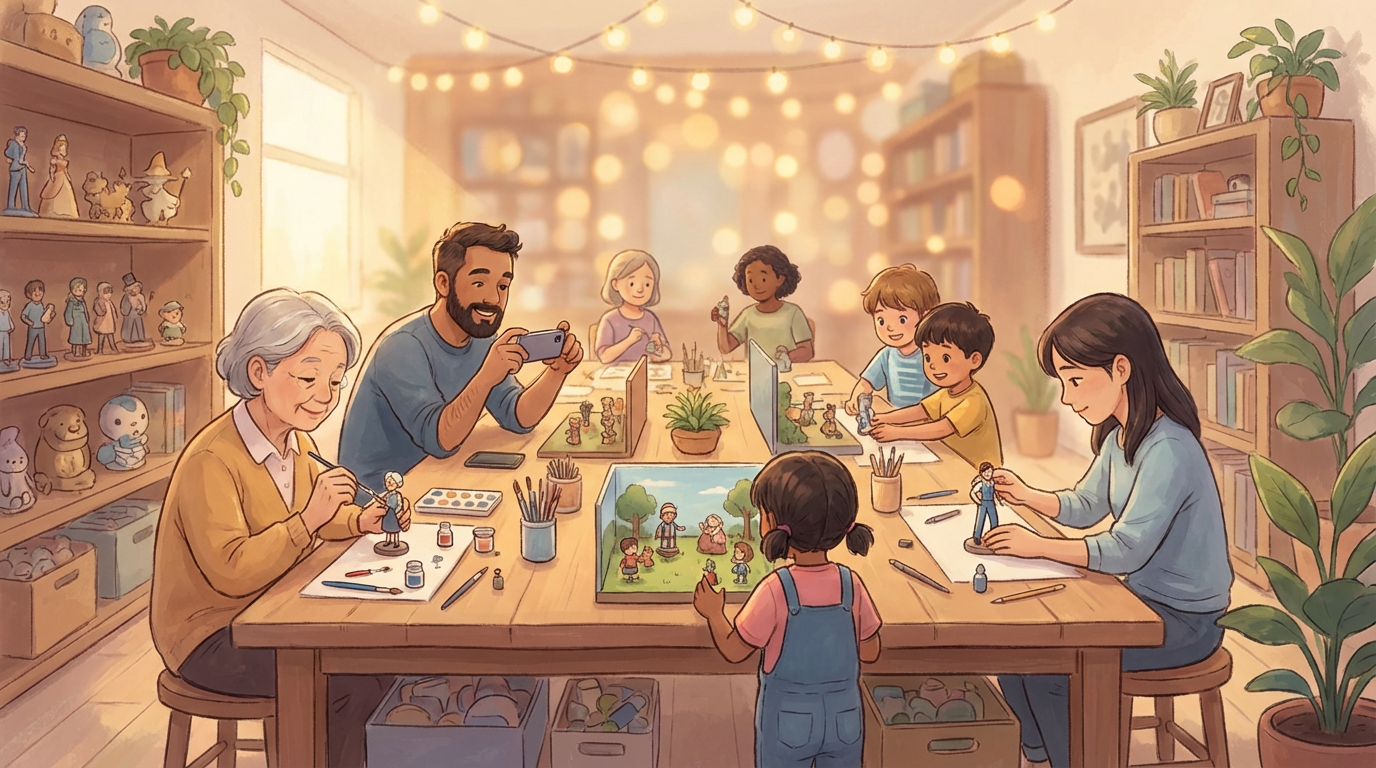
What matters is being conscious of which type of performance energy you enjoy and giving yourself permission to lean into it.
FAQ: Collecting, Fandom, and Performance
Does toy photography or diorama building really count as performance art?
If you use a strict academic definition, performance art is about time-based actions where the artist’s body and decisions are central. Toy photography and diorama building absolutely fit the spirit of that, even if they are not always labeled that way. The MG Collectibles guide treats composition, movement, and emotional impact as core goals, and the custom doll community emphasizes process and self-expression. When you spend hours staging a scene, changing poses, and adjusting lighting, you are engaging in a time-based art practice where your actions and the figures’ implied actions intertwine.
How can I start customizing without ruining expensive anime figures?
The custom doll article is clear about accessibility: start with an inexpensive base. Thrifted dolls, cheaper figures, or blank bodies are ideal training grounds. Remove paint carefully with acetone-free remover or isopropyl alcohol, sketch your designs in advance, and begin with small details rather than full repaints. Polymer clay and beginner sculpture guides recommend working in stages, using armatures for larger additions, and choosing materials like air-dry or polymer clay that can be cured at home. Document your progress so you can see growth over time and avoid beating yourself up over early attempts.
What about cultural and identity representation in anime figure performance?
Custom dolls, handmade art, and toy-inspired fine art all show that figures can be powerful tools for representing identities that mainstream media sidelines. The custom doll research highlights how LGBTQ+ and BIPOC artists use dolls to explore authentic gender presentation and diverse racial features. The Asian Voices figure sculpture lesson plan connects figurative sculpture to cultural background and personal voice for Asian and Asian American artists. When anime fans bring that awareness into their figure displays, customs, and performances, they are continuing a long tradition of using small figurative objects to claim space and tell stories that matter.
Closing
Collectibles have never really been still. From ancient terracotta figures in funerary rituals to designer toys in interactive gallery shows, they have always lived in motion, whether in our hands, our stories, or our imaginations. As anime figure fans, we stand in that lineage every time we pose a character, build a diorama, or stream a painting session. Treat your shelf as a stage, your customs as performances, and your fandom as a living, ongoing artwork you get to direct.
References
- https://results2021.ref.ac.uk/impact/583d7ebc-988f-488f-a110-8b8e62504c92/pdf
- https://escholarship.org/uc/item/1mh3b3mv
- https://www.cantonart.org/sites/default/files/Asian%20Voices%20Exhibit%20-%20Figure%20Sculpture%20Lesson%20Plan.pdf
- https://nirakara.org/index.jsp/u3534E/244315/Creating%20Lifelike%20Figures%20In%20Polymer%20Clay%20Tools%20An.pdf
- https://valleygallery.org/2023/10/11/sculptures-as-art-a-timeless-expression-of-human-creativity/
- https://www.researchgate.net/publication/351675790_Artistic_Expression_and_Material_Limitations_An_Iterative_Process_of_Porcelain_Making
- https://aaronawadzi.plymouthcreate.net/uncategorized/customs-influence-on-artistic-expression/
- https://www.allpastimes.com/art-toy-creation-for-beginners
- http://creatyourartout.weebly.com/figure.html
- https://smart.dhgate.com/mastering-sculpture-techniques-a-practical-guide-to-creating-your-own-artworks/