The Role of Collectible Figures in Adult Toy Therapy Approaches
When you line up your favorite figures across a shelf, it does not just look cool. For many adults, that little vinyl army of heroes, villains, and mascots becomes a coping toolkit, a portable shrine to comfort, identity, and story. As someone who has sunk more hours than I will admit into posing anime figures, cataloging boxes, and hunting down grail pieces, I see that experience echoed in emerging research on collecting, crafts, and doll therapy. Adult “toys” are not just nostalgia traps; used intentionally, they can become part of real mental health support.
In this article, we will explore how collectible figures fit into broader adult toy therapy approaches, what current research actually says about collecting and toy‑based interventions, where the evidence is thin, and how you can build a figure‑based coping practice without sliding into hoarding, financial stress, or infantilizing vibes. Think of this as a bridge between the display case and the therapy room.
Collectible Figures Are More Than “Just Toys”
Collectible figures sit at a crossroads between entertainment, art, and ritual. Psychologists and hobby writers describe collecting as intentional acquisition, organization, and care of specific objects, whether those are stamps, sports cards, or model cars. Articles from Collectibles Insurance Services and Serious Detecting emphasize that collectors are usually driven not only to own items but also to learn about them, display them, and connect with others around them.
Figures take that pattern and attach it to characters and worlds that already live in your head. A scale anime figure or a detailed robot model is not a random object; it is a physical anchor for stories, relationships, and values. Research summarized by Medical Economics and Psychology Today highlights several recurring motives in collecting: pleasure, pride, aesthetics, knowledge, social status, and the sheer thrill of the chase. Those motives are exactly what animate figure collecting.
The key point for mental health is that this is not simply “stuff.” In multiple articles, collecting is framed as a meaningful leisure activity that can reduce stress, stimulate the mind, and build community. A piece from Serious Detecting notes that collecting can improve mental health by reducing stress and anxiety through engagement and routines, echoing findings from Utah State University that hobbies in general support well‑being. An article on Psychology Today argues that, when approached mindfully, collecting becomes a purposeful, psychologically rich activity rather than random accumulation.
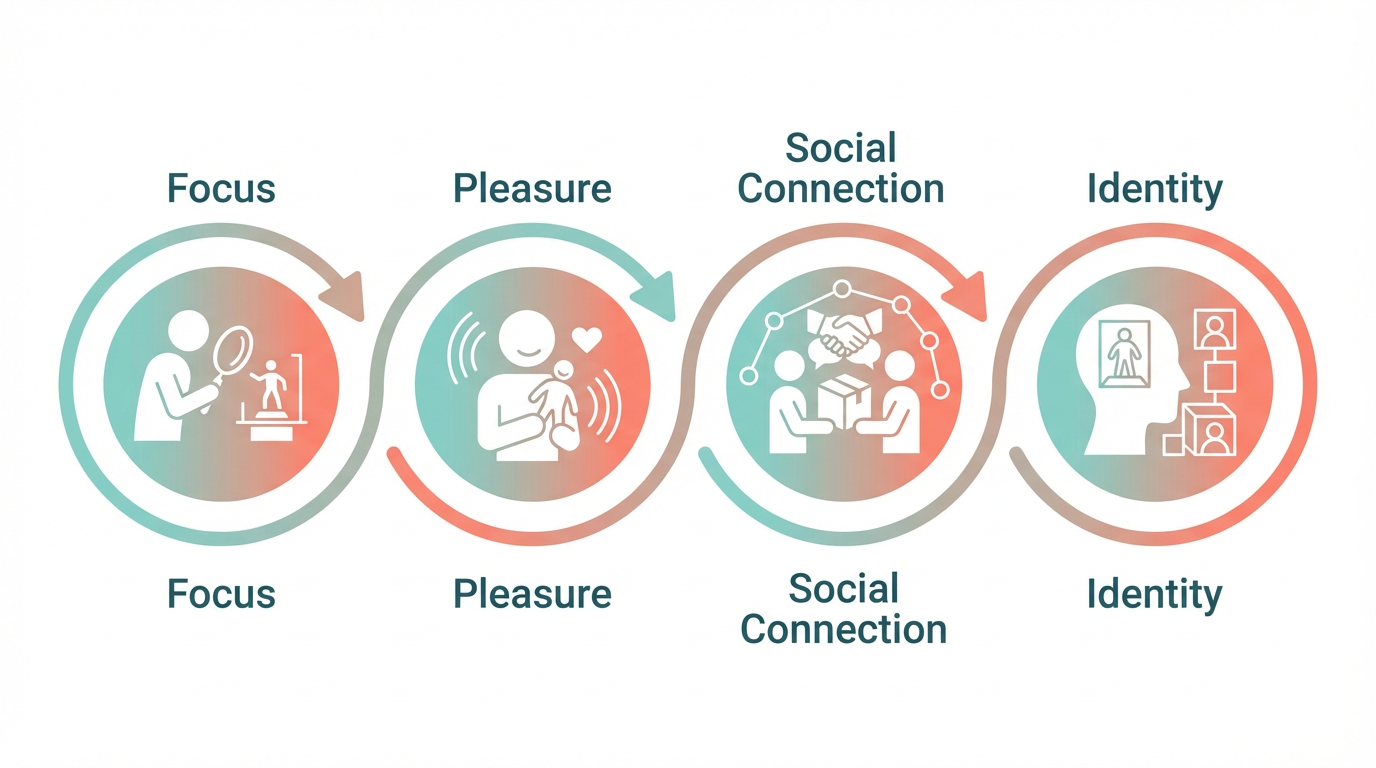
When therapy or self‑care taps into figures, it is leveraging these same psychological engines: focused attention, pleasure, social connection, and identity.
The Psychology of Collecting Figures
Nostalgia, Curiosity, and the Hunt
Across sources, nostalgia and curiosity show up as some of the strongest reasons people collect. The Collectibles Insurance Services article on the psychology of collecting describes how childhood fascinations often resurface in adult collections. Vintage toy collectors might chase the robots or action figures they once saw in store windows but could not afford. A CPTSD Foundation writer, living with depression and complex PTSD, explains how collecting 90s fast‑food toys, ceramic rabbits, Lego sets, Star Wars memorabilia, and a massive Care Bears collection has become a deliberate mental health tool. For them, thrifting and hunting specific items gives purpose when depression makes basic tasks feel heavy.
Research‑oriented pieces connect that subjective experience to brain mechanisms. Medical Economics discusses the nucleus accumbens, a core reward center, and notes that anticipation of acquiring an object often lights up this region even more than the moment of ownership. That goes a long way toward explaining why we keep refreshing preorder pages and why the “thrill of the hunt” can be so absorbing. Psychology Today highlights that the anticipation and pursuit of a new piece can create immersive “flow” states, where stress and intrusive thoughts fade into the background.
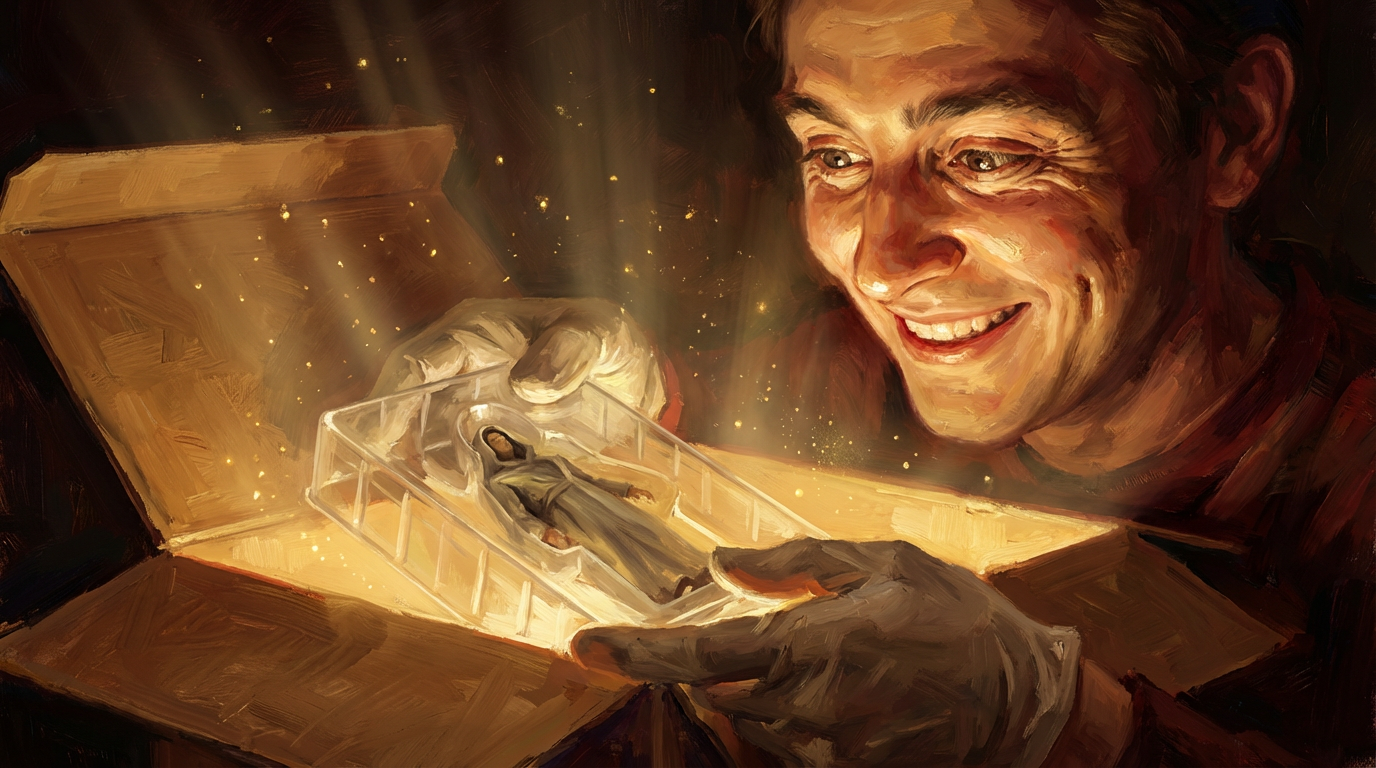
In practical terms, this means the chase for a new figure, the hours of research, and the moment you finally unbox it are not trivial distractions; they are activating reward pathways that can feel like a pressure valve for stress.
Aesthetics, Storytelling, and Identity
Many collectors are driven by aesthetics as much as nostalgia. The Collectibles Insurance Services piece and a fandom marketing analysis from EQL both emphasize how people are drawn to objects they find beautiful, inspiring, or emotionally resonant. Action figure collectors interviewed by TransMY describe their displays as “visual narratives” of who they are and what they love. Arranging and rearranging figures becomes a creative act, almost like micro‑set design or diorama building.
A systematic review on crafts‑based interventions in PubMed Central adds a data‑informed angle. Crafting is defined there as creating material objects through skilled hand and brain work. Across nineteen studies on activities like pottery, embroidery, knitting, papercraft, and woodwork, all reported short‑term improvements in outcomes such as anxiety, stress, depression, mood, self‑esteem, and life satisfaction. Treatment durations ranged from brief 10‑minute sessions to multi‑week programs, often supervised by therapists, nurses, or occupational therapists. The studies were methodologically mixed, and only one checked whether benefits lasted, but the pattern is clear: focused, creative, hand‑based making can support mental health in the short term.
When you pose a figure, tweak the lighting, craft props, or photograph a scene, you are engaging in a similar combination of hands‑on creativity and narrative imagination.
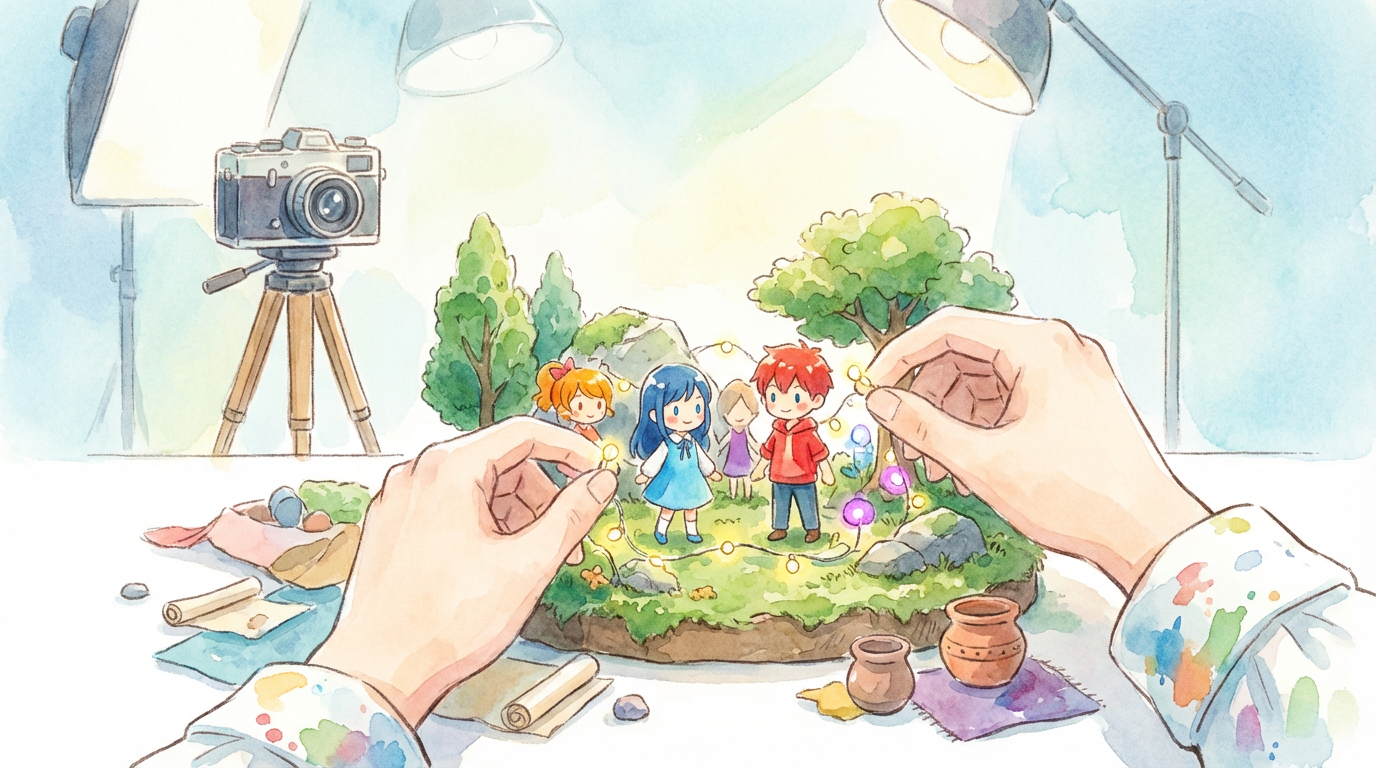
Even though anime figures were not in those craft studies, the underlying process—attentive, visually driven, self‑paced creation—is very similar.
Collecting vs Hoarding
Whenever we talk about therapy and collecting, we need to draw a bright line between healthy collecting and hoarding. Serious Detecting and multiple Psychology Today articles stress that collecting is typically structured and purposeful, whereas hoarding involves persistent difficulty discarding possessions, a loss of control over accumulation, and cluttered living spaces that impair everyday functioning.
Healthy collecting is usually characterized by organized storage, curated displays, and the ability to sell, give away, or pass on items. Hoarding, as described in DSM‑5 and summarized by Psychology Today, is associated with significant distress, safety risks, and sometimes other conditions such as depression, obsessive–compulsive disorder, or schizophrenia.
For figure‑based therapy approaches, that distinction matters.
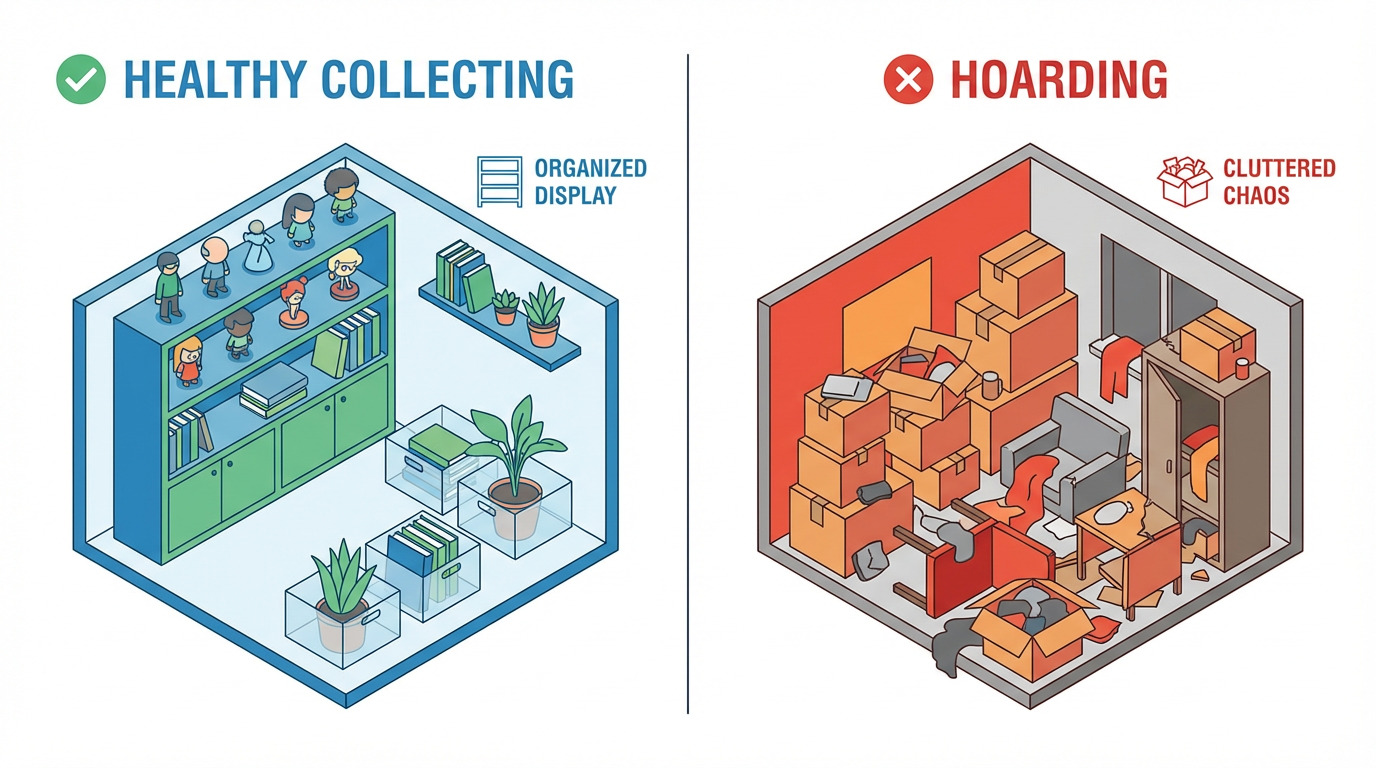
The goal is not to justify piling boxes in every room. It is to use select, meaningful figures in ways that reduce stress and support functioning while keeping your living space safe and workable.
How Figures Support Mental Health Outside the Clinic
Stress Reduction, Flow, and Grounding
An article from Psychology Today on collecting and mental health describes how searching, cataloging, and arranging items can induce deep concentration states. During these “flow” periods, physiological stress markers like cortisol and heart rate tend to decrease. Another Psychology Today piece notes that the routines and rituals of collecting—weekly cataloging sessions, handling familiar objects, planning the next acquisition—provide predictable structure, which can be anchoring during chaotic times.
A grief‑focused article from Advanced Counseling in Bozeman shares the story of a sports memorabilia dealer and his clients. One veteran with trauma from multiple deployments uses building and maintaining a sports card collection as a way to occupy his mind and shift attention away from intrusive memories. After losing his wife, the dealer himself returned to reorganizing his baseball collection, finding that sorting cards and opening old packs felt grounding and comforting. The author frames this as a form of grounding: intentionally focusing on immediate sensory detail (names, numbers, images) to stay present and reduce anxiety.
That pattern maps beautifully onto figure collecting. Opening a long‑awaited package, checking paint apps, clicking joints into place, and posing a character all require sensory attention and small decisions. With enough focus, the rest of the world gets quieter.

The CPTSD Foundation writer similarly describes how the hunt for specific toys gets them out of bed on hard days, gives structure to outings, and adds social connection through collecting groups. They frame toy collecting as a deliberate tool alongside therapy, psychiatric medications, and brain stimulation treatments, not a replacement.
Inner‑Child Work and Self‑Acceptance
A powerful theme in the CPTSD Foundation essay is inner‑child work. Reacquiring toys that brought joy in childhood becomes a way to soothe and honor younger versions of the self. Wearing a Care Bears backpack in public or getting excited about a ceramic rabbit—despite other adults seeing it as childish—is described as an act of self‑acceptance. The writer notes that people who judge them for this are simply “not my people.”
Figure collectors often echo similar sentiments. Rebuilding a favorite mecha lineup, finally owning the magical girl you idolized, or setting up a shelf dedicated to a comfort series can feel like telling your younger self, “I see you, and you matter.” In therapy terms, this is not trivial; it is a form of narrative repair.
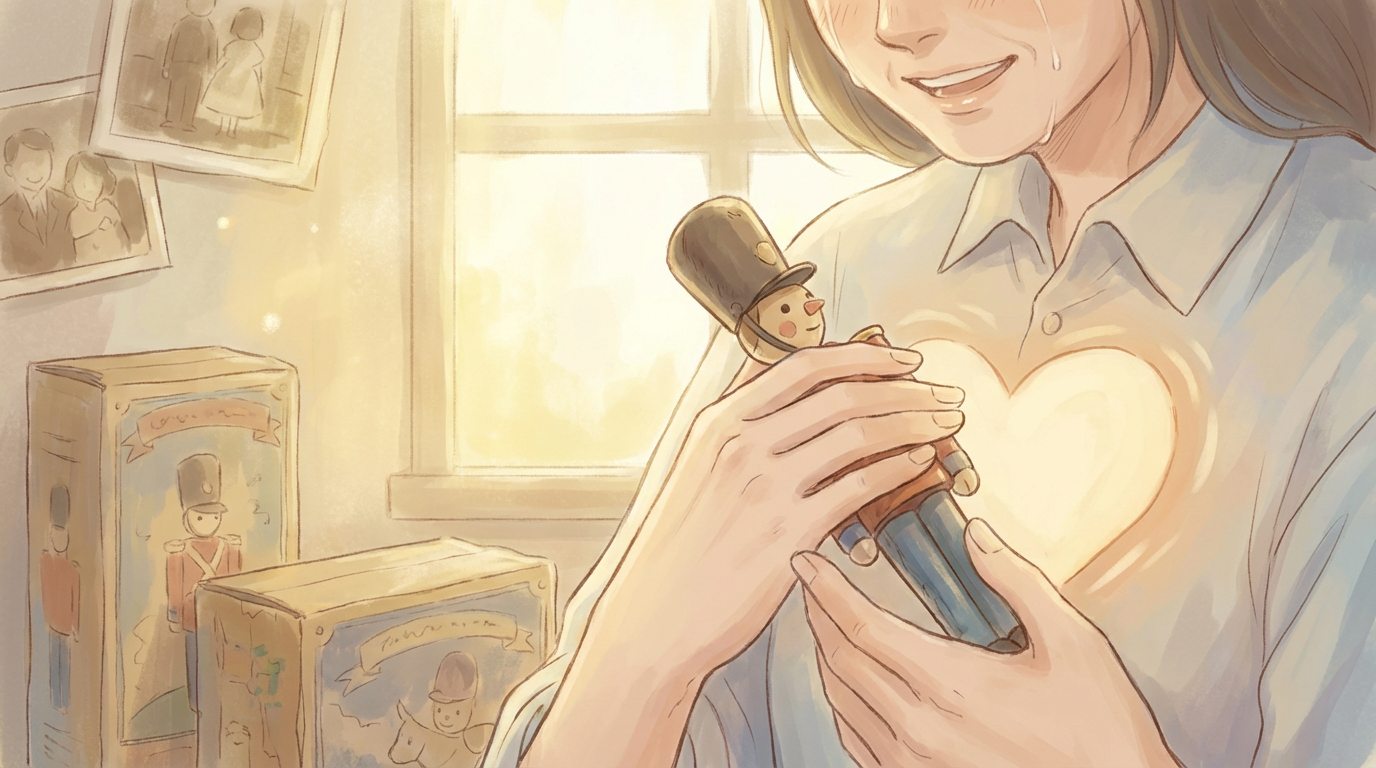
Articles on art and mental health, such as one from Gray’s Auctioneers, explain that making or engaging with art helps people externalize internal chaos. Feelings that are hard to put into words can be expressed through images, objects, or rituals. Figures, especially when linked to stories that mirror your struggles, can play a similar role. You might not be ready to talk about grief, but you might be able to pose a character in a way that captures how heavy everything feels.
Figures in Formal and Semi‑Formal Therapy
Collectible figures are only slowly entering formal therapeutic spaces, but closely related tools have been studied more directly, especially dolls, play figures, and crafts.
Doll Therapy and Dementia: Comfort with Caveats
Doll therapy is a non‑pharmacologic approach where life‑like dolls are offered to adults with middle or late‑stage dementia. Articles from Hope Dementia Support, BetterHelp, and CraneWerks describe how doll therapy can increase smiling, calm distress, reduce wandering, and give people a sense of purpose by allowing them to care for “someone” instead of only being cared for.
One study cited by Hope Dementia Support followed fifty‑one nursing home residents with dementia and found that doll therapy reduced negative verbalizations, wandering, aggression, and obsessive behaviors, while other studies noted improved happiness, social interaction, activity levels, and acceptance of care. A separate case study described reductions in challenging behaviors and anxiety, along with better communication.
CraneWerks profiles a charitable effort called Lucys for Lynn, which donates specially designed dolls to people with Alzheimer’s and dementia. Their events often coincide with Christmas; Santa visits nursing homes, sings carols, and hands out dolls that become companions, sparking memories and providing comfort long after the holidays.
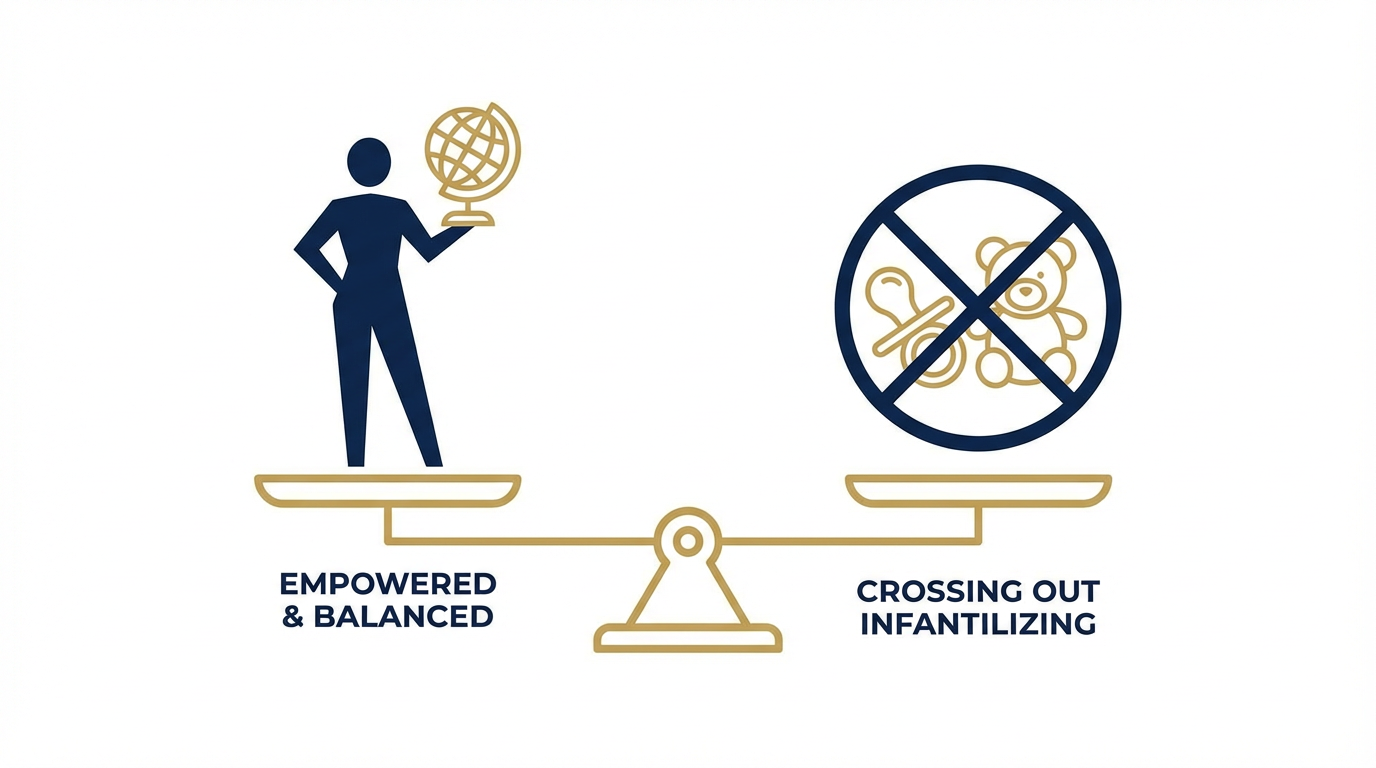
At the same time, ethical concerns are very real. Hope Dementia Support and BetterHelp both highlight worries about infantilization: giving dolls to adults can feel demeaning if staff or family treat them like children. People with dementia may also become distressed if they believe the doll is a real baby they must protect, particularly when the doll goes “missing” or appears to be “sleeping” with closed eyes.
These articles recommend thoughtful practice: letting individuals discover dolls rather than forcing them, treating them as adults with rich histories, preparing families in advance, and being ready to adjust or stop the intervention if it causes distress.
For figure‑based therapy, the takeaways are caution and respect. A realistic baby doll and a stylized anime figure carry different cultural signals, but the risk of being perceived as childish is similar. The goal should be empowerment and comfort, not regression.
Figurine Counseling and Play‑Based Therapy
BetterHelp describes “figurine counseling,” where therapists use dolls, figurines, and other items to help clients express thoughts and emotions that are hard to put into words. This approach is often used with children but can also support adults, including those with dementia. Research summarized there, including clinical trials and at least one systematic review, reports positive effects in improving mood, reducing challenging behaviors, and supporting behavioral and emotional well‑being. The article also notes that evidence for play‑based therapy is strongest for preschool and school‑aged children but more mixed for other groups, and that outcomes depend heavily on the therapist’s skill.
In this context, action figures and collectible characters can become tools for symbolic communication. Clients may project feelings onto figures, act out scenarios, or rearrange scenes to explore different choices or endings. A license‑oriented article from License 2 Play explains how children use character figurines to rehearse social dilemmas, test reactions, and process big life changes. For adults, especially fans, doing similar work with beloved characters can feel less threatening than talking about themselves in the first person.
TransMY’s piece on action figure collecting and mental health goes further, arguing that collecting can function as expressive and narrative therapy. The author, a mental health advocate, describes how arranging and re‑arranging figures demands present‑focused attention and becomes a mindfulness practice, while curating displays turns living spaces into visual autobiographies. They suggest that discussing a collection in therapy can surface values, interests, and coping strategies.
Sensory Toys, Fidgets, and Crafts as Adjacent Evidence
Stress‑relief toys and fidgets add another layer of evidence. A Medium article on stress‑relief toys (summarized from its metadata and general research) explains that small handheld objects like stress balls, fidget spinners, and textured toys help regulate arousal through touch and repetitive movement. A piece from the University of California’s Morning Sign Out blog reviews how fidgeting correlates with anxiety and how fidget toys might help some people self‑regulate, especially those with ADHD or autism, while also noting that flashy spinners can be distracting and that robust clinical trials are scarce.
The crafts‑based systematic review in PubMed Central, discussed earlier, synthesizes nineteen studies and finds consistent short‑term gains across anxiety, depression, and related outcomes when adults engage in structured craft activities run by professionals. The studies vary, and the authors caution against over‑interpreting the results, but they conclude that crafts‑based interventions are promising enough to justify further, higher‑quality research.
Taken together, these lines of evidence suggest that tactile engagement, focused creative activity, and symbolic play with objects can all support mental health. While we do not yet have randomized controlled trials specifically on “anime figure therapy,” the mechanisms that make dolls, crafts, and fidget toys helpful can plausibly be harnessed through collectible figures.
Examples and Potential Adaptations
Here is a high‑level way to connect research contexts to figure‑based practice.
Therapeutic context | Evidence‑backed example from sources | Possible adaptation with collectible figures |
|---|
Dementia care | Doll therapy reduces agitation and improves mood in some residents, but carries infantilization risks (Hope Dementia Support, BetterHelp, CraneWerks). | Carefully chosen, age‑respectful figures tied to the person’s interests (for example, sports heroes or classic film characters) used as conversation anchors or comfort items, with attention to dignity. |
Trauma and depression | Toy collecting and sports card collecting help some adults cope with CPTSD and grief by providing purpose, grounding, and nostalgic comfort (CPTSD Foundation, Advanced Counseling). | Figure collectors use curated shelves, photo projects, or “hunt” goals to structure days, revisit safer memories, and create small moments of joy, ideally alongside professional treatment. |
Expressive and narrative work | Figurine counseling helps clients express complex feelings; action figure displays become identity narratives (BetterHelp, TransMY). | Fans externalize inner conflicts or hopes through character posing, dioramas, or fan‑made scenes, then discuss these stories with a therapist or trusted friend. |
Crafts‑based interventions | Nineteen studies show short‑term mental health benefits from structured craft sessions (PubMed Central systematic review). | Build and customize model kits, paint bases, or craft props for figures, creating a craft‑like, hands‑on component within the collecting hobby. |
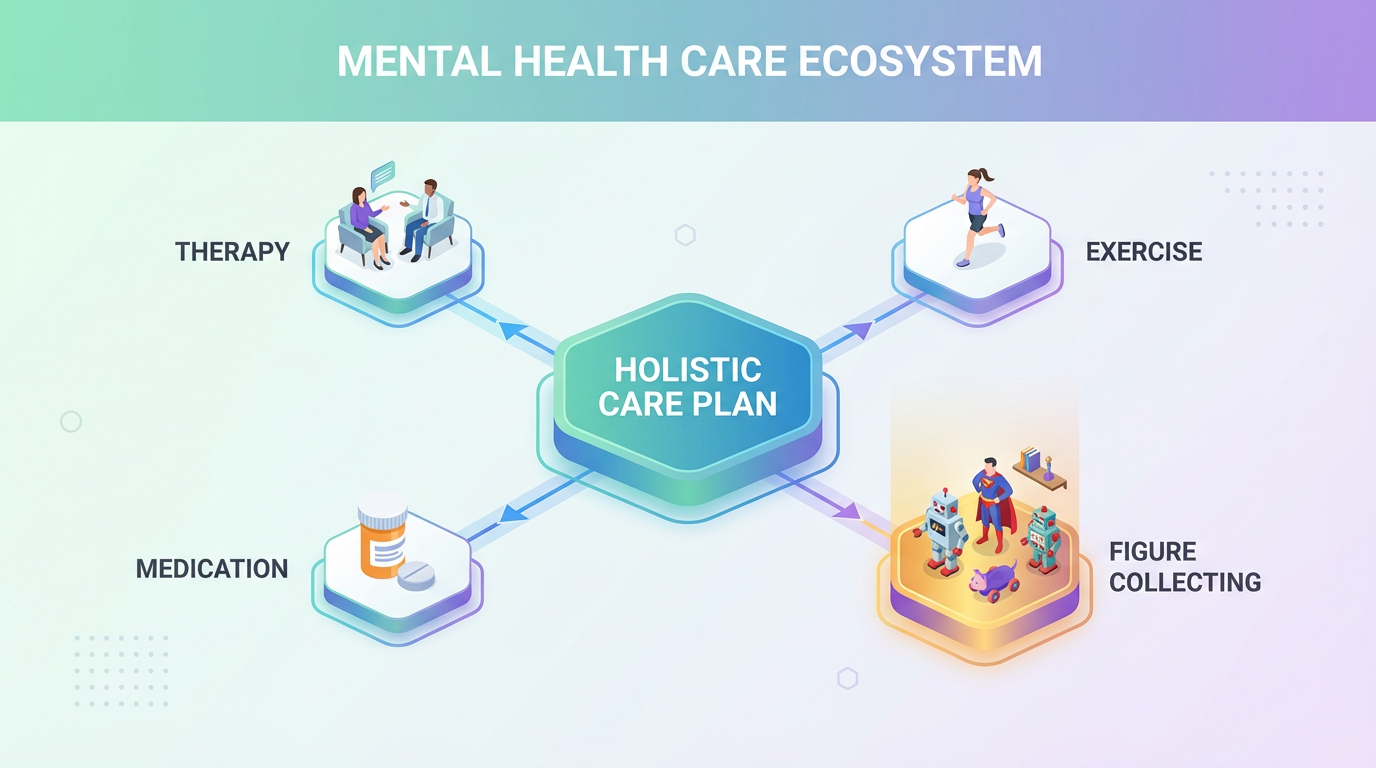
These adaptations should be seen as informed experiments, ideally integrated into a broader care plan rather than standalone cures.
Building a Healthy Figure‑Based Coping Practice
If you are tempted to fold your collection into your self‑care or therapy, you do not need a full clinical program to start experimenting—just intention and boundaries.
Clarify Your Intent
Before buying another figure “for mental health,” it helps to decide what role you want it to play. Some collectors use figures primarily for comfort and emotional regulation, reaching for a specific character when they feel overwhelmed. Others emphasize focus and grounding, using unboxing, assembly, or posing sessions as planned breaks from stress. Still others lean into self‑expression, building themed shelves that tell the story of their recovery, identity, or values.
Being explicit about intent makes it easier to tell whether the hobby is helping or just filling time. The CPTSD Foundation writer, for example, frames their toy collecting as one tool among many, right alongside therapy and medications. That framing keeps the hobby in its lane.
Create Rituals, Not Just Purchases
Research on crafts and collecting suggests that the process matters more than any single object. In the systematic review of crafts‑based interventions, benefits showed up during and right after activity sessions, regardless of whether participants produced something fancy. Psychology Today notes that the routines of collecting—searching, cataloging, arranging—provide structure and a sense of progress.
You can borrow that insight by building small, recurring rituals around your figures. You might set aside a specific evening each week to dust and rearrange a shelf, treat a new preordered figure as a mini celebration you plan for in advance, or create simple photo prompts such as “pose a character who represents how I want to feel this week.” Even a ten‑minute check‑in with your display can become a grounding ritual instead of a random scroll through online shops.
Protect Your Space and Budget
Multiple sources warn that the benefits of collecting can flip if the hobby spills into hoarding or financial strain. Serious Detecting and Psychology Today both recommend structured budgeting and clear physical limits for collections. One Psychology Today article cites a 2024 Bankrate survey in which 47% of U.S. adults reported that money had a negative impact on their mental health. It is hard for a figure to help you relax if the credit card bill makes your chest tight.
Practical guidelines drawn from these sources include keeping collection spending within a defined monthly or yearly budget, tracking purchases in a simple log, and designating specific shelves or cases as the maximum space the collection is allowed to occupy. When the space fills, something has to be reorganized, sold, or donated before new pieces arrive. This mirrors clinical recommendations for differentiating collecting from hoarding: living spaces should remain functional, and you should be able to let go of items when needed.
Know When to Bring a Professional In
Several articles emphasize that toy‑based and craft‑based hobbies work best as part of a broader treatment plan. The CPTSD Foundation writer is explicit that collecting supports but does not replace therapy, psychiatric medication, and other interventions. The crafts systematic review concludes that crafts are promising but not yet backed by strong proof of long‑term effectiveness. BetterHelp’s discussion of figurine counseling notes mixed results and highlights the importance of therapist skill.
If your figure collecting is tied to intense trauma, grief, or conditions like OCD or hoarding disorder, involving a therapist who is open to working with your hobby can be very valuable. They can help you notice when collecting shifts from self‑soothing to avoidance, when spending crosses your financial boundaries, or when clutter starts undermining the very calm you are chasing.
Risks, Limits, and Ethical Questions
Infantilization and Stigma
Doll therapy literature, especially from Hope Dementia Support and BetterHelp, raises hard questions about treating adults like children. The concern is not the doll itself; it is how people speak to and about the person using it. The same dynamic can show up with collectible figures. A grown adult who finds comfort in hugging a plush or posing a figure is not regressing; they are using an accessible tool to self‑regulate.
BetterHelp points out that adult engagement with toys is common and normal. They cite survey data showing that 58% of parents buy toys and games for themselves. Toys can stimulate creativity, support emotional expression, and relieve stress. The Clark doll studies, also referenced by BetterHelp, remind us that representation in toys affects how children see themselves; dolls and figures that reflect diverse backgrounds can help people feel seen and valued. That logic does not suddenly stop at age eighteen.
The ethical responsibility falls on caregivers, clinicians, and peers to interact with adults who use figures for comfort as adults, not as overgrown children.
Evidence Gaps and Overclaiming
The evidence base for using toys and crafts in mental health is promising but limited. The crafts systematic review found that all nineteen included studies reported short‑term improvements in outcomes such as anxiety, depression, and life satisfaction, yet noted major methodological weaknesses and a lack of long‑term follow‑up. Doll therapy research in dementia, as summarized by Hope Dementia Support, shows reductions in agitation and improvements in mood and engagement in small samples. Fidget toy research, reviewed in the UCI Morning Sign Out article, links fidgeting to anxiety regulation but finds limited direct evidence that specific toys reliably improve attention or stress.
Taken together, these findings justify cautious optimism but not sweeping claims. It would be inaccurate to say that figure collecting is a proven treatment for any diagnosis. A fairer, research‑aligned statement is that collecting and toy‑based interventions can support coping, emotional expression, and quality of life for some people, especially as part of a broader care plan.
Balancing Passion with Life
Psychology Today warns that collecting can become all‑consuming if not balanced with work, relationships, and self‑care. Financial overreach, neglect of other responsibilities, and social withdrawal are all risks. Serious Detecting similarly notes that unchecked collecting can create clutter and stress, undermining mental health.
For figure fans, this might look like chasing preorders to escape financial anxiety, ignoring social plans in favor of constant online auctions, or letting boxes pile up so high that your living space feels chaotic. A practical approach is to treat collecting as one pillar in a wider life structure. It can be a source of joy, community, and self‑expression, but it is not meant to carry your entire mental health load alone.
Short FAQ
Is it “childish” for adults to use collectible figures for mental health?
Evidence from BetterHelp and doll therapy literature suggests that adults using toys or dolls for comfort is both common and psychologically meaningful. Many adults keep toys from childhood or buy new ones for themselves; one survey reported that 58% of parents purchase toys and games for their own use. The key issue is not the object but the purpose and context. If figures help you cope, express yourself, or connect with others without harming your functioning, that is a valid tool, not a regression.
Can figure collecting replace therapy or medication?
No. Writers from CPTSD Foundation and Advanced Counseling are explicit that collecting is one coping tool alongside therapy, medications, and other treatments. The crafts‑based systematic review also notes that crafts are promising but not a stand‑alone cure, especially given the lack of strong long‑term data. Think of your collection as a support character in your mental health party, not the main healer.
How do I talk to a therapist about using figures in my treatment?
You can frame your collection the way research does: as a structured hobby that reduces stress, supports focus, and carries personal meaning. Sharing specific examples—such as how reorganizing your shelf helps you decompress, or how a certain character represents a part of you—can give your therapist concrete material to work with. Articles on figurine counseling and action figure collecting as narrative therapy suggest that many clinicians are open to using such objects as bridges into deeper work, especially when they clearly matter to you.
For those of us who live with PVC armies and resin shrines, the idea that “toys” can be part of serious mental health care is not a stretch; it is our daily life. The research on collecting, crafts, dolls, and sensory toys is still catching up, but it already points to what figure fans know intuitively: meaningful objects, handled with intention and respect, can help us hold ourselves together. So keep posing your heroes, keep telling stories with your shelves, and if it feels right, let those tiny guardians follow you into the therapy room.
References
- https://digitalcommons.lesley.edu/cgi/viewcontent.cgi?article=1324&context=expressive_theses
- https://pmc.ncbi.nlm.nih.gov/articles/PMC11830576/
- https://etd.auburn.edu/bitstream/handle/10415/6679/Guidelines%20for%20Designing%20Stressful%20Emotion%20Relief%20Toys%20for%20Adults%20.pdf?sequence=2&isAllowed=y
- https://sites.uci.edu/morningsignout/2017/11/13/fidget-toys-the-craze-the-pushback-and-the-therapy/
- https://hopedementiasupport.org/pros-and-cons-of-doll-therapy-in-dementia/
- https://cptsdfoundation.org/2023/04/11/4-ways-collecting-helps-me-maintain-my-mental-health/
- https://www.shs-conferences.org/articles/shsconf/pdf/2025/04/shsconf_messd2025_02027.pdf
- https://www.advancedcounselingbozeman.com/blog/finding-peace-and-grounding-through-collectibles
- https://www.cranewerks.com/doll-therapy-for-adults-with-alzheimers/
- https://www.eql.com/media/collector-culture-insights