The Therapeutic Role of Collectibles in Mental Wellbeing
Intentional, bounded collecting can support mental health by offering comfort, structure, creative focus, and community.
Collecting anime figures, trading cards, or retro game merchandise is more than just a hobby. People with regular hobbies tend to report higher happiness, life satisfaction, and fewer depressive symptoms than peers without hobbies, according to a large study of hobbies. Within that broader pattern, collecting can become a sturdy pillar of everyday mental health.
Why Our Collections Feel So Comforting
When I line up a new scale figure next to the rest of the crew, my nervous system basically exhales. Research on the psychology of collecting suggests that around a third of people keep some kind of collection, often to create order and capture memories in a chaotic world.
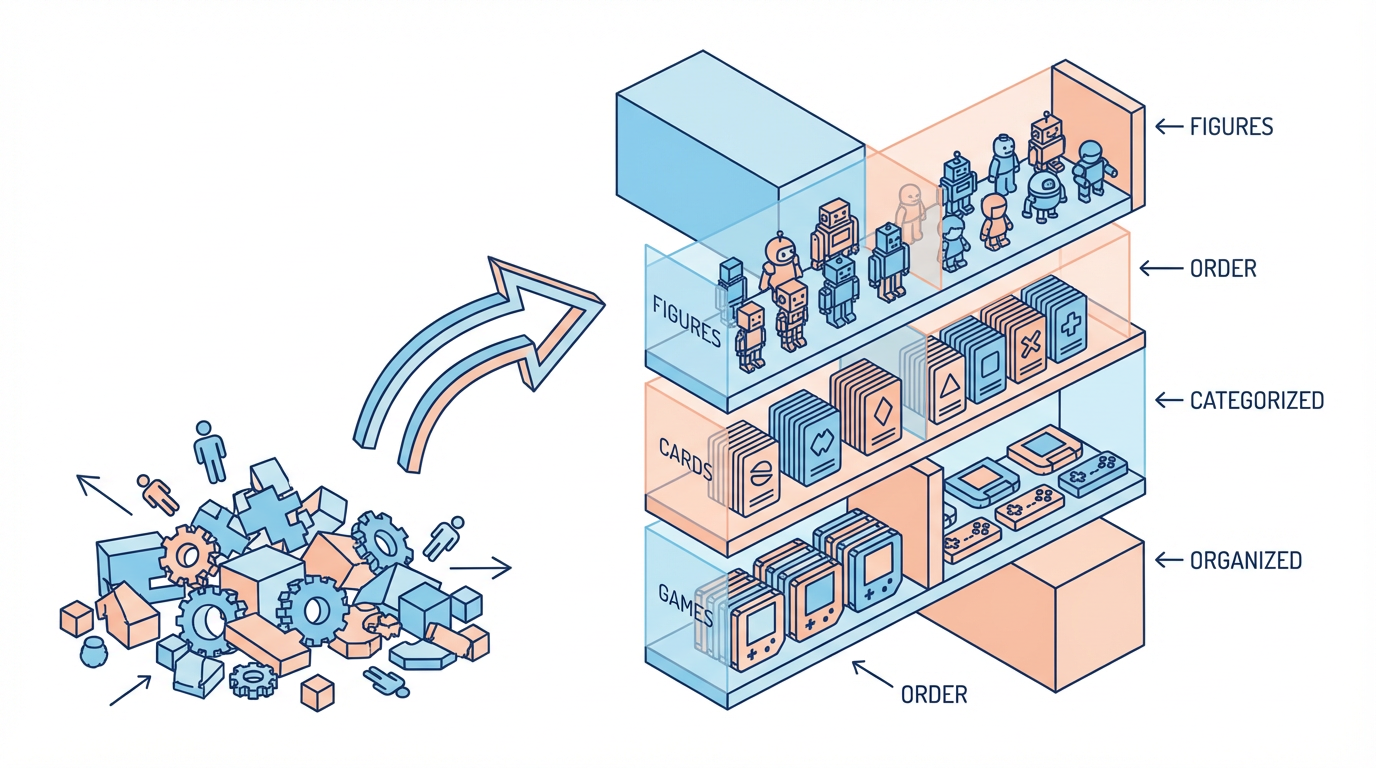
That "mini-universe on a shelf" matters. Choosing a theme (say, only main heroines or only mecha), deciding who makes the cut, and arranging the poses gives you a pocket of life where you are in charge and the rules are clear. That sense of control and completion is a quiet antidote to the endless, unsolvable to-do lists of adult life.
Nostalgia adds another layer. When you finally grab that reissue of the first shonen protagonist you loved, you are not just buying PVC; you are buying a direct line back to the kid who watched Toonami after school, which is deeply soothing when the present feels heavy.
Flow State, But Make It Plastic
A lot of collectors describe "losing hours" while reorganizing shelves, sleeving cards, or carefully dusting delicate wings and hair strands. That is a textbook flow state: focused attention, time distortion, and a feeling of calm productivity.
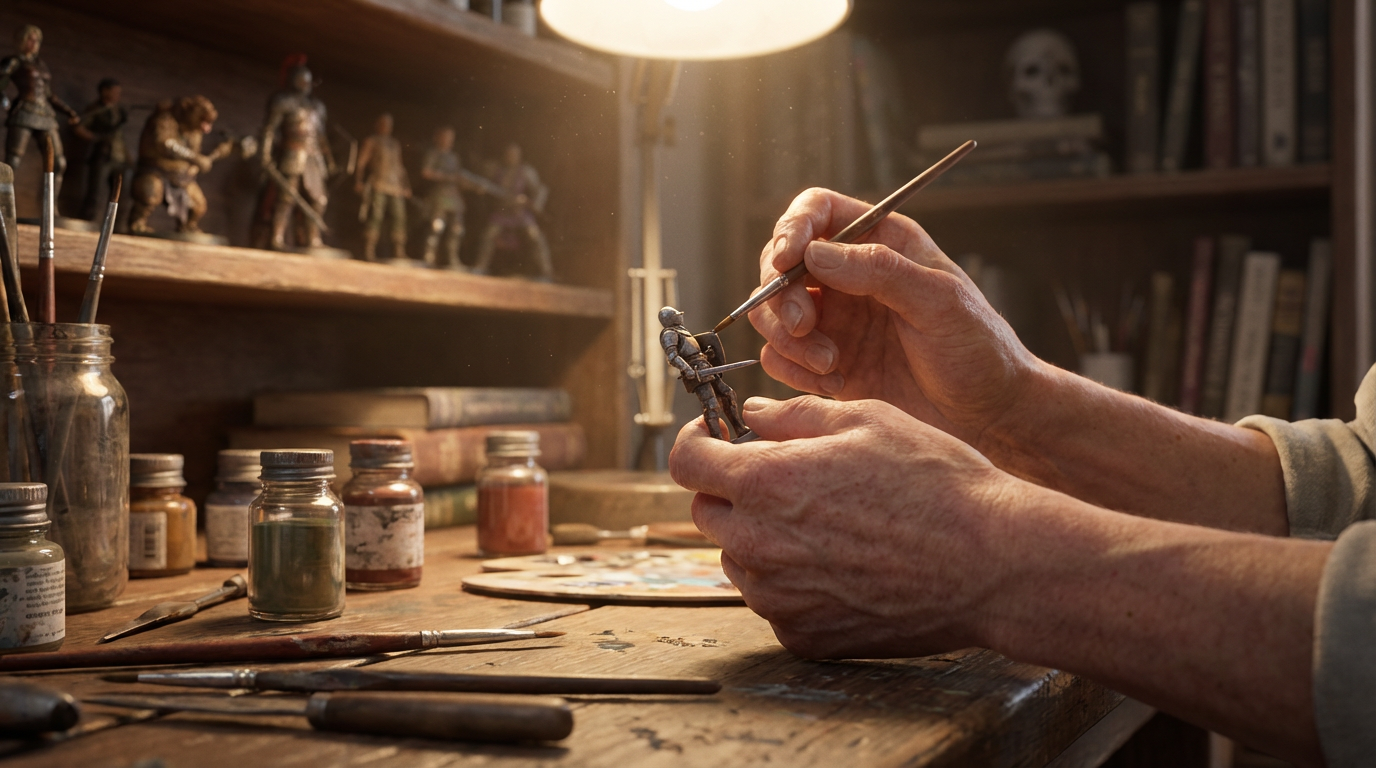
A 2024 review of crafts-based interventions found that structured making activities (like pottery or embroidery) consistently improved mood, stress, and life satisfaction in adults, at least in the short term. Painting a custom base, repairing a figure, or building a garage kit taps into the same mechanism: hands busy, brain anchored in the present.
There is a nuance, though: most studies are short term and observational, so we know collecting and crafts correlate with better mood, not that they magically cure depression or anxiety.
Think "tool in your kit," not "replacement for care."
Identity, Storytelling, and Found Family
Collections are basically 3D autobiographies. Research on the mental health benefits of collecting shows that people use their objects to express values, interests, and personal history, which is exactly what is happening when your Detolf tells the story of "girls with giant weapons" or "every version of that one husbando."
Seeing your identity reflected back at you every time you walk past the shelf is grounding, especially if the rest of your life feels like code-switching between roles (worker, caregiver, student). The collection becomes a stable, physical "this is who I am."
Then there is community. Figure groups, artist alleys, local card shops, and con lines give you instant conversation starters and shared quests. Studies consistently link that kind of hobby-based social connection to lower loneliness and fewer depressive symptoms, which is huge in an era when many of us feel isolated even while "connected" online.
Keeping Collecting Therapeutic, Not Toxic
All that said, collecting has a dark mirror: hoarding and compulsion. Clinicians note that healthy collectors curate and organize, while hoarding creeps in when items pile up without order, crowd out living space, and start causing real distress or conflict.
For neurodivergent fans, especially those with ADHD, the risk is higher. One review of collecting passion and ADHD describes how impulsivity and the dopamine rush of "must-have" drops can override budgets, sleep, and responsibilities, turning a soothing hobby into a guilt spiral.
A few simple guardrails keep the hobby on the therapeutic side:
- Set a clear monthly figure or card budget and track it.
- Define a physical limit (one shelf, one room) and respect it.
- Schedule collecting hours so the hunt does not eat into work or sleep.
- Regularly ask, "Does this still bring joy, or just obligation?"
- If money, space, or relationships are suffering, talk with a mental health professional.
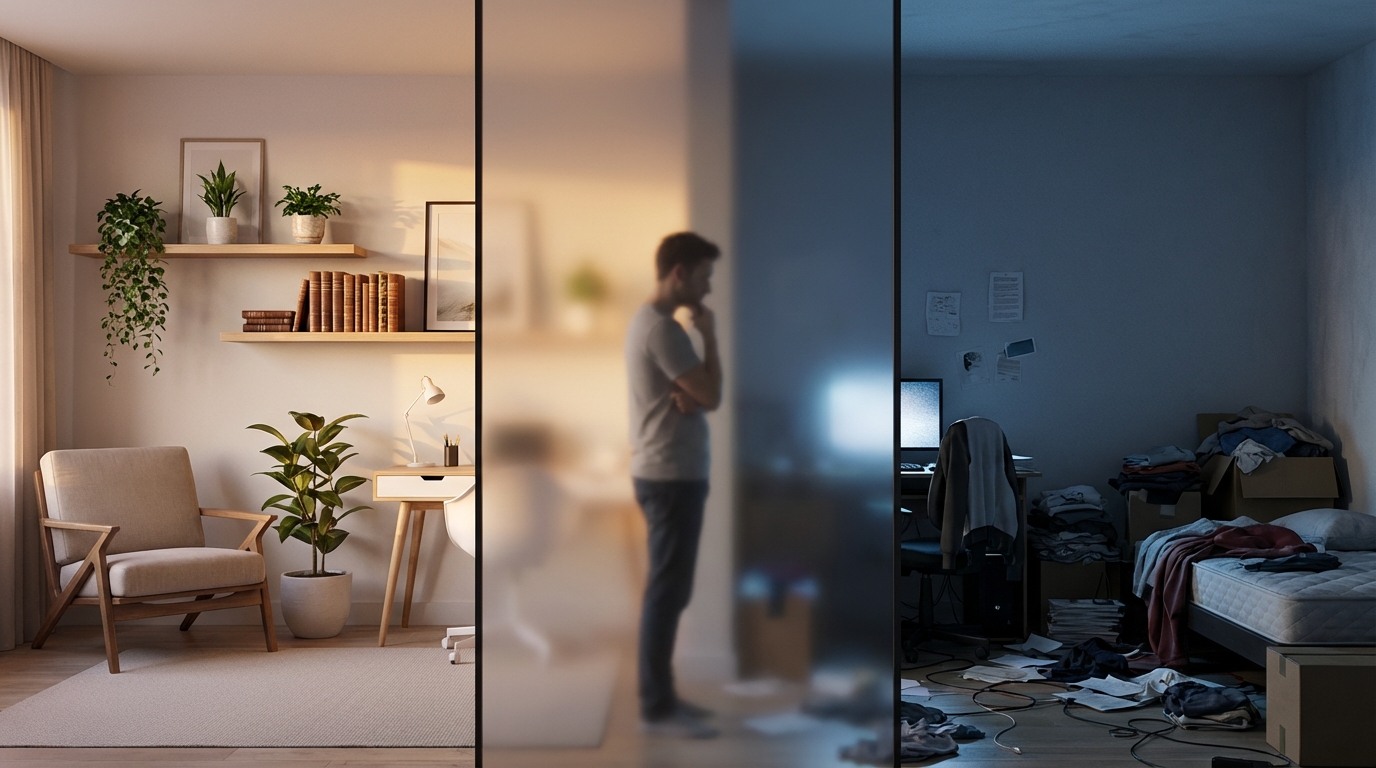
Used intentionally, that shrine of tiny plastic heroes is not escapism in a bad way. It is a structured, creative, community-rich practice that helps you regulate emotions, remember who you are, and find small, steady moments of joy in the middle of real-life boss fights.