The Truth Behind Figure Oiling: Understanding Material Aging
Figure "oiling" is plastic additives slowly migrating to the surface; with careful cleaning and good display conditions, you can slow this aging and keep figures looking close to new.
You finally pull a long-boxed grail down, crack the blister, and instead of a smooth touch you feel that faint sticky film on the hair, skin, or base. Collectors who switch to gentle hand-washing and museum-style display often keep both budget prize figures and high-end statues looking close to mint for many years, with far fewer sticky surprises. This article explains what that oil actually is, what it means for your collection's future, and the safest ways to clean, display, and store figures so your favorites stay beautiful as they age.
What "Figure Oiling" Really Is
When a figure feels oily or sticky even after a careful wipe, you are usually not dealing with spilled lotion or "sweat." You are seeing additives inside the plastic working their way out over time. Guides on PVC figure care from sites like Gadgeticloud explain that those oily surfaces usually come from plasticizers, the softening chemicals mixed into PVC to make it flexible and easier to mold. As the years pass, especially in warm or stagnant air, some of that plasticizer migrates to the surface and sits there as a slick or tacky film.
Good Smile's Mikatan blog describes the same phenomenon on older PVC characters such as Nendoroids that sat boxed for years. The sticky feel was worst on pieces that stayed trapped in their clamshells, because heat and time slowly pushed vaporized plasticizer out of the plastic and then it condensed back down on nearby surfaces. That is why a figure that was "new in box" can come out stickier than one that spent the same years on a cool, open shelf.
Preservation specialists who work with plastics in museums, such as those quoted by Gaylord Archival, talk about "inherent vice" in plastic objects. In simple terms, many plastics are chemically unstable by design and will degrade under light, temperature, humidity, and pollutants, sometimes releasing gases that can even hurt nearby materials. Figure oiling is one small, visible slice of that bigger story of off-gassing and material breakdown.
The uncomfortable truth is that once plasticizer leaves the plastic, it does not go back in. Cleaning can remove the surface mess and restore the look and feel, but the core material is now a little closer to stiff, brittle, or discolored than it was on day one. That is why understanding how environment affects this process matters more than any supposed magic cleaning trick.
How Environment Speeds Up or Slows Down Oiling
The same things that fade posters and warp vinyl records also accelerate figure oiling: light, heat, and moisture swings. Multiple figure-care guides, from Darkwolf Collectibles and MovieFigures to Made-in-China's plastic figure maintenance articles, land on a similar recipe for longevity. Keep figures in a cool, stable room, roughly around the mid-60s to high-60s °F for comfort, avoid hot windows, radiators, and vents, and aim for moderate humidity rather than damp basements or bone-dry attics.
Collectors and retailers who focus on statues recommend a range of roughly 59–77°F with moderate humidity. Quirkshelv's preservation tips suggest watching both temperature and relative humidity and keeping them fairly steady in the 65–70°F and 40–50% humidity neighborhood. Gaylord's storage advice for plastics is similar and explicitly warns that plastics exposed to high light, temperature, and humidity degrade more quickly and give off more reactive vapors.
Light is just as important as heat. Articles from Darkwolf Collectibles, MovieFigures, and Sideshow all warn that direct sunlight and strong lighting will fade paint and damage plastic surfaces. On the vintage side, Star Wars collectors on Rebelscum noticed that clear versus yellowed card bubbles correlated far more with time spent in sun and heat than with whether the cardback had a "vent hole." Better plastic helps, but storage conditions still decide whether that clear plastic stays clear.
A simple real-world example is two prize figures from the same crane game wave. One lives for five years in an enclosed glass cabinet away from the window, with a few silica gel packets at the bottom and only cool LED lights for display. The other sits on an open shelf directly across from a bright window where the afternoon sun cuts across its face. The cabinet figure will usually keep richer colors and a cleaner touch, while the window figure is much more likely to feel tacky, show gloss changes, or start to yellow or chalk in spots.
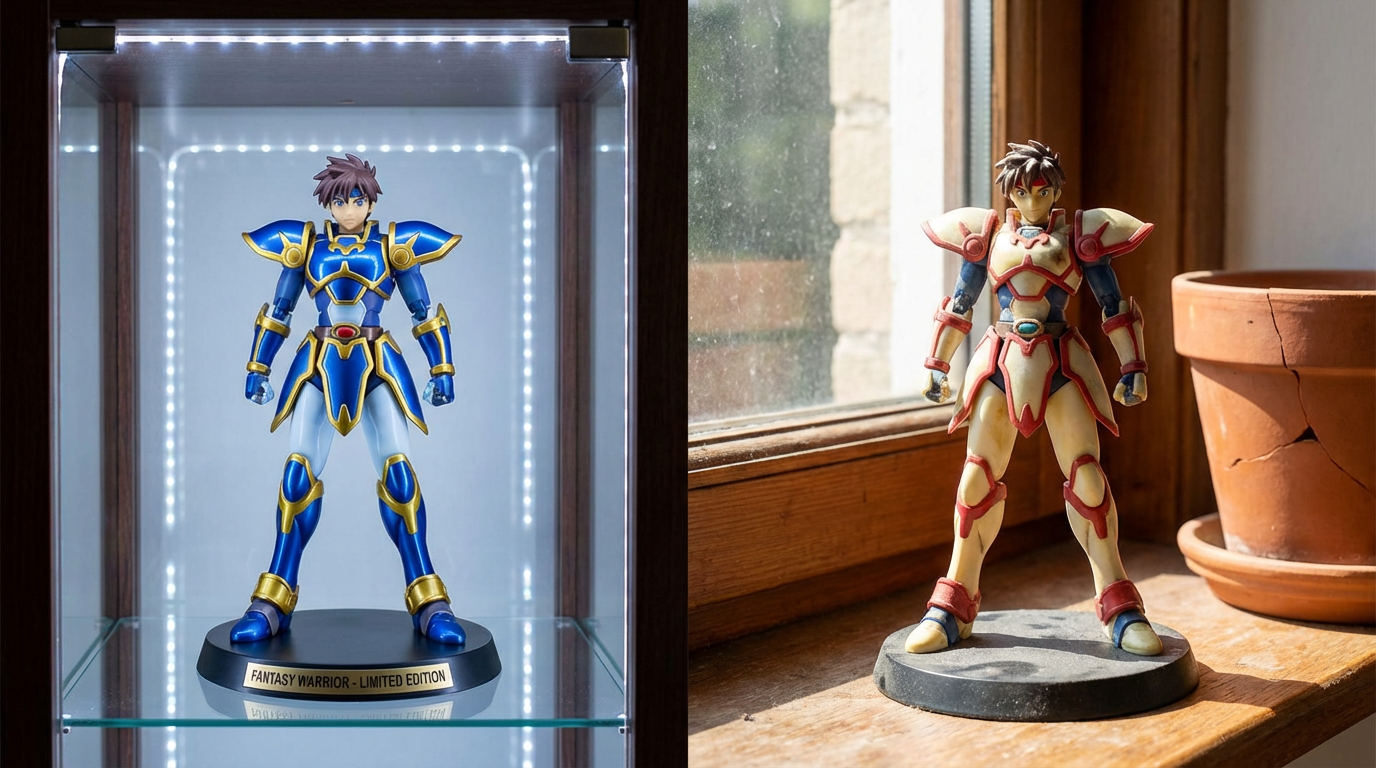
Airflow matters too. Gadgeticloud's care guide for PVC figures points out that completely sealing a figure for long periods can lead to paint deterioration and discoloration, because whatever is off-gassing from the plastic has nowhere to go. Good Smile's Mikatan article noticed stickiness especially on figures left in their boxes for many years. The balance many long-term collectors land on is enclosed cases for dust and safety, but not hermetically sealed boxes forever. Let the collection breathe a bit during periodic cleaning and inspection.
Should You Oil a Figure on Purpose?
The phrase "figure oiling" can also mean something more deliberate: using baby oil, mineral oil, or other products as a treatment, especially on soft skins and seamless bodies. Looking across advice from brands and preservation sources in these notes, a clear pattern appears. The reputable, collectible-focused sources talk about gentle washing, neutral soaps, controlled environments, and sometimes specialized archival waxes or sprays. They do not recommend rubbing household oils into PVC or silicone.
Sideshow's care tips for sixth-scale figures with silicone "skin" focus on museum-style neutral poses, avoiding long-term tension that can tear material, and keeping pieces out of excess heat, humidity, and direct sunlight. MovieFigures, writing about resin and PVC statues, emphasizes avoiding general-purpose cleaners and untested chemicals and advises that any protective coating, even a museum-grade wax, should be used cautiously on a small, hidden area first. Gadgeticloud mentions that after degreasing a sticky PVC surface with neutral dish detergent, collectors can optionally apply a specialized transparent spray designed for soft glue-like materials as a temporary barrier against air, but it is framed as a niche, purpose-made product rather than something from the bathroom cabinet.
When you combine those points, a practical rule emerges. Most professional and manufacturer-aligned guidance is trying to get excess oils and plasticizers off the surface and to slow further migration by managing environment. None of these sources are trying to "feed" PVC or silicone with outside oils or moisturizers. Because the oily film is made of additives leaving the plastic, adding more oil on top does not reverse aging; it just leaves a new layer that can attract dust, stain paints, or react unpredictably with the original material.
If you are tempted to try any topical treatment, treat it the way museum and statue guides treat waxes: use a product designed for plastics, test it on a tiny, hidden area, and accept that you are experimenting at your own risk. For the vast majority of anime figures, the safer long-term plan is simple cleaning plus environmental control, not cosmetic oiling.
Safe Ways to Clean Sticky or Oily Figures
Once you are dealing with an oily or sticky figure, the goal is to remove the surface layer as gently as possible while leaving paint and plastic intact. Several independent guides line up on a similar, low-risk approach.
Good Smile's Mikatan blog describes good success washing sticky parts by hand using mild dishwashing liquid and water, avoiding abrasive sponges or harsh scrubbing. In their tests, soaking particularly sticky pieces for around 12 hours in a diluted solution of about 10 parts water to 1 part dish soap softened the residue enough that a follow-up hand wash removed most of the tackiness. They also note that scouring creams with fine abrasives can strip stickiness and leave parts very clean, but at a real risk of scratching and dulling surfaces, and that scouring powders are a bad idea entirely.
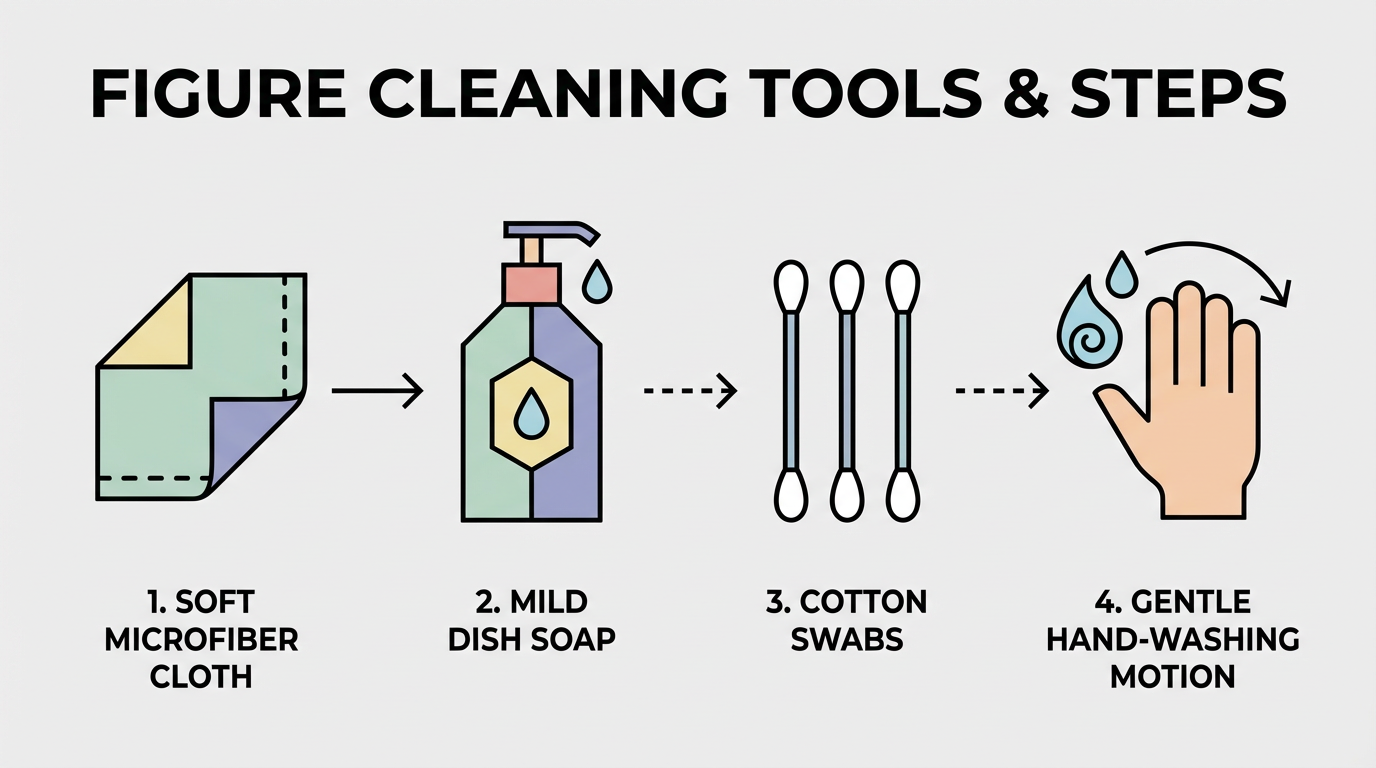
Gadgeticloud's PVC care piece recommends similar tools: soft glass cloths, flannel, or cotton swabs for routine cleaning, with diluted alcohol only for stubborn marks and never in strong concentration. For oily or sticky surfaces caused by plasticizer migration, they advise washing with neutral dish detergent to degrease, then, if desired, adding that specialized transparent spray as a temporary shield. They explicitly warn against washing figures with hot water during normal cleaning because heat softens PVC and raises the risk of warping; warm water is reserved for controlled reshaping sessions when you are intentionally bending a warped part back into place.
Action-figure cleaning guides like those from Gifting Online and Made-in-China add a few finer points. They suggest starting with dry dust removal using a soft makeup brush, rubber dust blower, or microfiber cloth, so you are not grinding dust into the paint. For deeper washes, they recommend room-temperature to slightly lukewarm water with a small amount of mild dish soap, applied with a soft cloth or toothbrush, followed by a gentle rinse and thorough drying on a clean towel away from sunlight and heat. One deep-clean routine even suggests a brief soak of removable parts in a one-to-one mix of white vinegar and water for about 15 minutes to loosen grime, followed again by gentle scrubbing and full air-drying.
After cleaning, several sources suggest a thin protective layer, but always with caveats. Gifting Online mentions that a very thin coat of wax formulated for collectibles can add shine and a barrier against dust, while MovieFigures notes that some statue collectors use museum-grade wax or resin-safe protectants. In both cases, the strong advice is to test in an inconspicuous area and to remember that any extra coating, even one marketed as safe, changes the surface and might interact badly over years.
One practical routine that fits these recommendations is to dust actively displayed figures about once a week, then do a careful mild soap-and-water session every two or three months for those that feel grimy or slightly tacky, allowing each piece to dry completely before returning it to the shelf. That timing, suggested in plastic-figure maintenance guides, gives you regular chances to catch early stickiness and surface issues long before they become severe.
Slowing Material Aging Across Your Collection
Cleaning treats symptoms; environment shapes the whole story. The good news is that the same habits that protect comics, trading cards, and sneakers work well for anime figures too.
Display and storage guides from Quirkshelv, SpareFoot, and various collectible retailers all stress getting figures out of direct sunlight. Glass or acrylic cabinets with doors are repeatedly recommended, both for dust control and for physical protection from bumps, pets, and curious kids. Many collectors go for affordable glass cabinets, sometimes with added UV-filtering film or UV-blocking acrylic, paired with cool LED lighting that does not blast heat on the shelves.
Climate control is the quiet hero here. MovieFigures recommends keeping statue rooms roughly between 59 and 77°F with moderate humidity, and Quirkshelv narrows that sweet spot to around 65–70°F with 40–50% relative humidity. Made-in-China's plastic figure guide suggests adding silica gel packets to cabinets and storage boxes to keep moisture in check. Gaylord's museum storage tips warn against attics, garages, and damp basements because big temperature and humidity swings accelerate plastic breakdown and off-gassing. Together, these sources point toward a familiar checklist: climate-controlled rooms, no windows blasting your display, and small moisture-control helpers inside any closed cases.
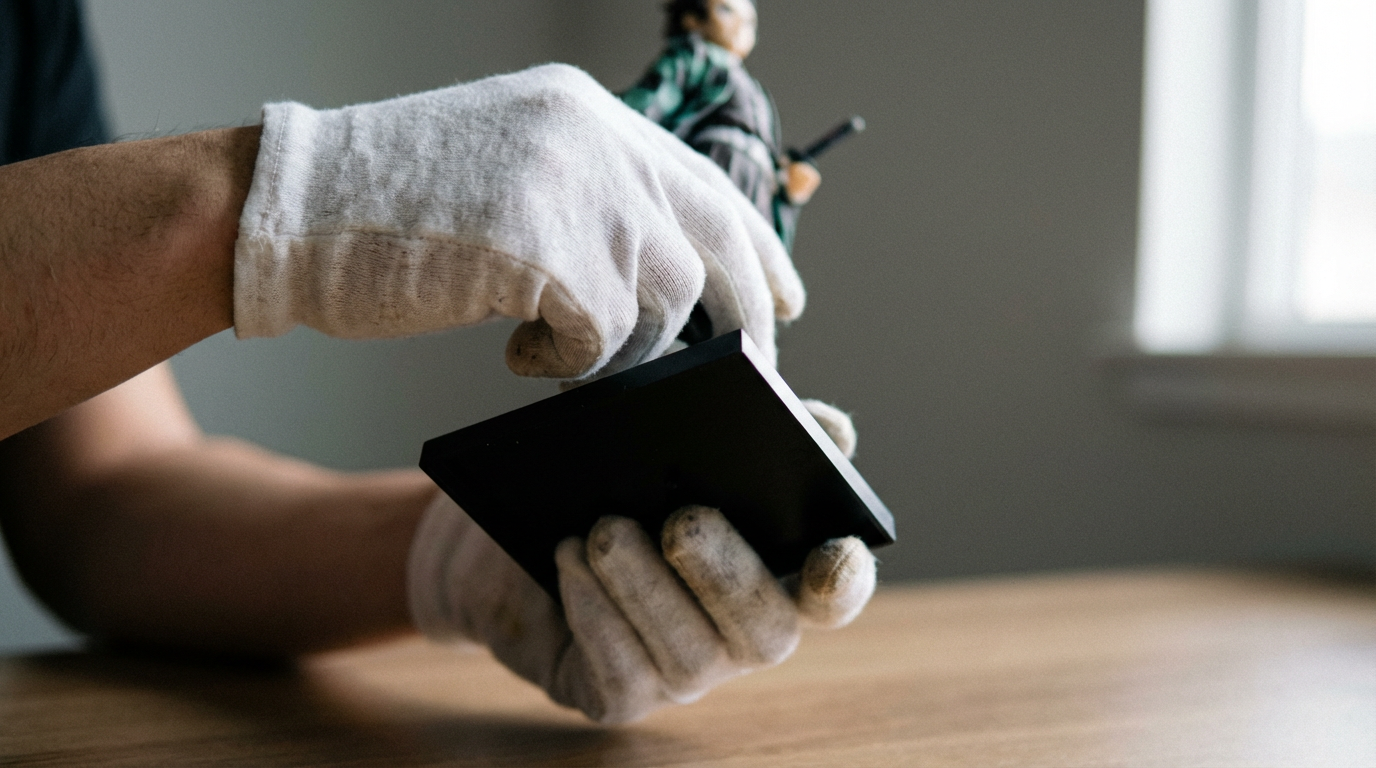
Handling is another place where small changes pay off. Sideshow's care guidance recommends minimizing handling, especially of delicate silicone-skinned bodies, and using simple museum poses for long-term display to reduce stress on joints and surfaces. Toy and figure cleaning guides from Darkwolf Collectibles, Gifting Online, and other toy-care articles emphasize clean, dry hands or cotton gloves, avoiding thin or delicate parts when lifting, and supporting heavier pieces from the base rather than by weapons or flowing hair. Each time you avoid grabbing a figure by its outstretched sword arm, you skip one more chance for hairline cracks, flaking paint, or stress marks down the line.
Storage choices during off-season periods or moves also affect aging. SpareFoot's action-figure storage guide recommends disassembling removable parts, cleaning and fully drying pieces first, then wrapping them in acid-free tissue or bubble wrap and placing them in clear, labeled bins or archival bags. Gaylord suggests storing plastics separately from metals and organic materials like wood to reduce cross-contamination from acidic vapors. Several sources, including Sideshow and MovieFigures, recommend using original packaging and foam inserts for long-term storage and transport, since they were designed to support and cushion the specific sculpt.
There is a financial angle too. Gifting Online cites a study showing that keeping action figures in clean, well-preserved condition can boost resale value by up to 50% compared with visibly neglected ones. That bump is not just about dust; it is about avoiding the kind of glossy, oily, yellowed surfaces that quietly tell a buyer the plastic has been stressed. Every small choice that slows oiling and aging also protects the emotional and monetary value of your grails.
FAQ: Quick Answers on Figure Oiling
Is figure oiling always a sign of damage?
A bit of surface oil or stickiness on an older PVC figure is usually a sign of normal aging rather than catastrophic damage. Good Smile's Mikatan piece shows that even very sticky parts can often be cleaned back to a pleasant feel with mild detergent soaks. The deeper issue is that the plastic has already lost some plasticizer, so you want to clean gently, adjust storage conditions, and then keep an eye on that figure to make sure it is not also yellowing, warping, or cracking.
Is it safer to keep figures sealed in their boxes?
Sealed boxes protect from dust and handling, but they are not a magic shield against aging. Good Smile's and Gadgeticloud's guides both note that figures left sealed for years tend to develop more stickiness because plasticizer vapors build up inside the package. Museum storage advice from Gaylord and display guides from Quirkshelv point instead to cool, dark, stable environments with controlled humidity. A common compromise is to keep packaging for transport and value but display figures in enclosed, climate-controlled cases and periodically rotate them into darker storage.
Should I ever use baby oil or other household oils on figures?
None of the figure, statue, or action-figure care sources here recommend household oils as a routine treatment. Instead, they consistently push toward mild soaps, neutral detergents, distilled water for tough spots, and occasionally purpose-made protective sprays or waxes tested in tiny areas. Because figure oiling is about plasticizers leaving the plastic, adding baby oil not designed for PVC or silicone will not reverse the process and can trap dust or stain paints. If you experiment anyway, treat that piece as a test subject, not as the standard for the rest of your collection.
Closing Thoughts
Figure oiling feels scary the first time you touch it, but it is less a curse and more a reminder that these tiny sculptures are made from changing materials. With cool rooms, shaded displays, gentle washing, and a light hand around experimental coatings, you can keep your shelves full of vibrant, smooth characters instead of sticky, yellowed casualties. Treat each figure like a small gallery piece, and your future self will thank you every time you pull a favorite out and it still looks and feels close to the day you fell in love with it.
References
- https://copyright-certificate.byu.edu/news/mcgz-your-guide-to-repair
- https://lsa.umich.edu/ummz/herps/collections/preservation-techniques.html
- https://www.getty.edu/conservation/publications_resources/pdf_publications/pdf/conserv_outdoor_painted.pdf
- https://www.floridamuseum.ufl.edu/wp-content/uploads/sites/67/2021/08/Wp18.pdf
- https://digitalcommons.unl.edu/context/museummammalogy/article/1271/viewcontent/Genoways_Preserving_Natural_Science_Collections.pdf
- https://insights.made-in-china.com/How-to-Maintain-Your-Plastic-Figures-A-Step-by-Step-Guide-to-Meeting-User-Needs_PAzayhMDgxIs.html
- https://www.preciousmoments.com/faq
- https://darkwolfcollectibles.com.au/optimal-care-for-anime-figures/
- https://info.gaylord.com/resources/tips-for-collectible-artifact-storage#:~:text=Prevent%20Physical%20Damage,on%20the%20outside%20of%20containers.
- https://help.sideshow.com/article/252-care-tips-for-your-collectible