Transforming Characters into Bluetooth Speakers for Unique Design
If you have ever looked at a favorite anime figurine and thought, “What if you actually played my playlist?”, you already understand the magic of character Bluetooth speakers. In my own workshop, the projects that make collectors stop, stare, and then grin like they just pulled a chase figure are almost always speakers disguised as characters. They sit on your desk like a tiny shrine to your fandom, but the moment the beat drops, they turn into living, breathing pieces of functional art.
In this article, we will walk through how characters become Bluetooth speakers, what makes a good design beyond just “cute,” how the market is evolving, and how you can approach your own builds or product line without sacrificing sound, safety, or fandom respect. Along the way, we will pull in data and insights from buying guides, DIY builds, and market research so this stays grounded, not just geeky daydreaming.
Why Turn Characters into Bluetooth Speakers?
Transforming characters into speakers taps into something that plain black cylinders never will: emotional connection. A buying guide on cute Bluetooth speakers from TREBLAB highlights that people reach for small, brightly colored, playful designs because they double as décor and gifts rather than just gear. We see animal shapes, food motifs, mascots, and mini “companions” that sit on a dorm shelf or a gaming setup. A Hello Kitty speaker guide goes even further, treating these devices as both wireless audio and collectible décor, with themes from classic pastel pink to surfer-girl and minimalist variants. The message is clear: people are not just buying sound; they are buying stories.
On the flip side, a market overview from Accio looks at character-themed boomboxes and projects this category to reach around $1.8 billion by 2030, with growth of about 7.3 percent annually from 2024 to 2030. That is not pocket change. It is a strong signal that integrating recognizable characters and pop culture into speakers is not niche anymore; it is a serious business opportunity across Asia-Pacific and North America.
For fans, character speakers are a way to live with their fandom in everyday spaces.
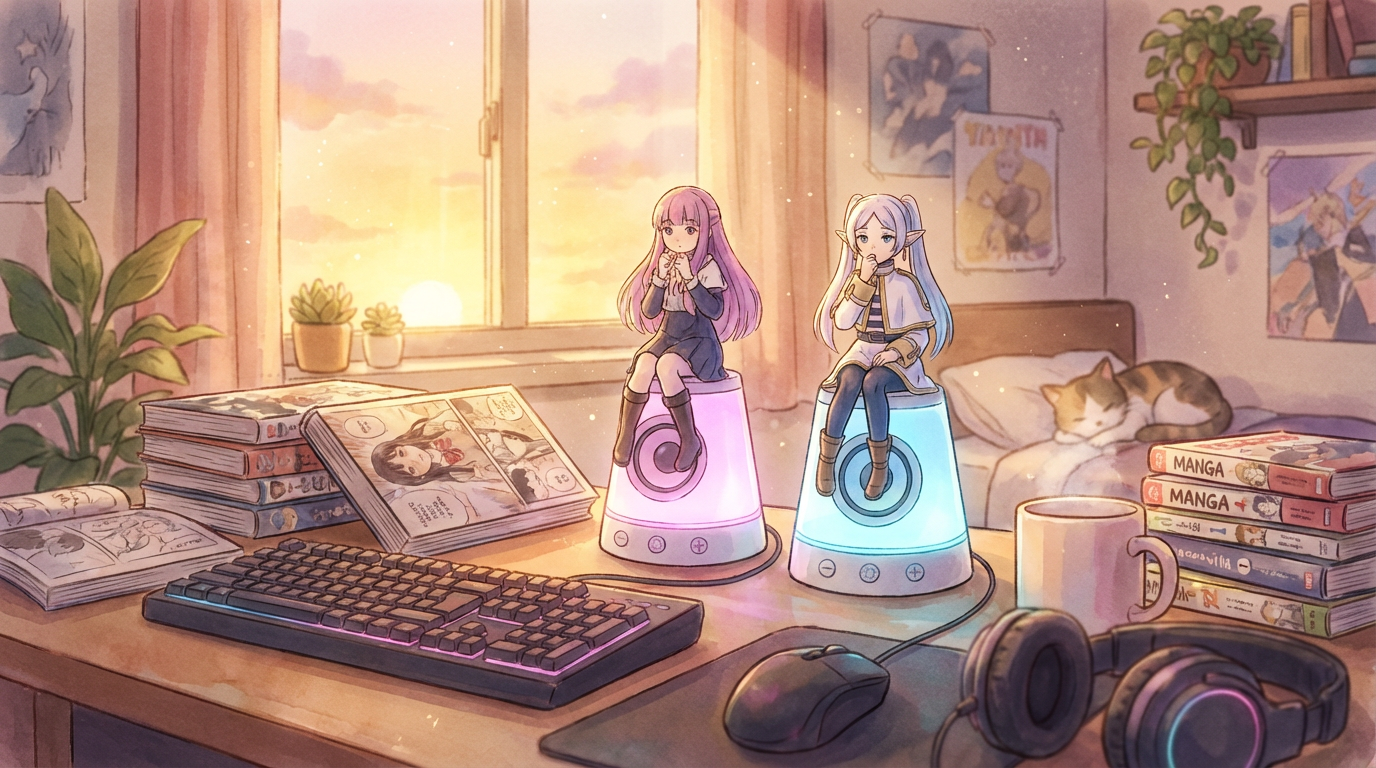
For brands and creators, they are a way to stand out in a crowded audio market where specs alone are not enough. And for people like us who love both anime shelves and gadget guts, they are the perfect crossover project.
From Kawaii Desk Buddies to Retro Beasts: A Quick Tour of the Landscape
When you look across the current character and character-adjacent Bluetooth scene, you start to see archetypes rather than isolated products.
Hello Kitty speakers exemplify the kawaii, icon-driven approach. The guide aimed at Hello Kitty fans stresses that these speakers must pull double duty as cute décor and competent everyday audio. It argues that buyers should look for at least Bluetooth 5.0, a wireless range of about 30 ft, and around 8 hours of battery life so the speaker can go from commute to late-night playlists. It even recommends around 30 watts of output if you want room-filling volume rather than background sparkle. Yet the decision still ends with style: once sound, range, and battery box are checked, the advice is to pick the Hello Kitty design that best matches your vibe.
In the “cute but surprisingly capable” zone, the TREBLAB buying guide points to models like the TREBLAB HD77, which hits about 30 watts peak output, offers up to 20 hours of playtime, 360-degree sound, IPX7 water resistance, and RGB light rings. While it is not based on a specific anime or cartoon, the light show, shape, and color push it into lifestyle territory more than pure utility. On the tinier end, a keychain-sized MOMOHO mini speaker around 1 inch in diameter is framed as a novelty or backup speaker; the charm is its toy-like size and color palette, not audiophile performance.
Then there are retro Bluetooth speakers highlighted by Ausman Audio: suitcase radio silhouettes, faux leather, metal knobs, and big grills that look straight out of a vintage anime café scene. These speakers quietly run Bluetooth 5.0, often boast 8 to 12 hours of battery life per charge, and still bring extras like FM radio, USB or SD card playback, LED sound-reactive lights, and built-in microphones. They show that “character” does not always mean a specific IP; sometimes the character is an era, like a retro radio that becomes your audio companion.
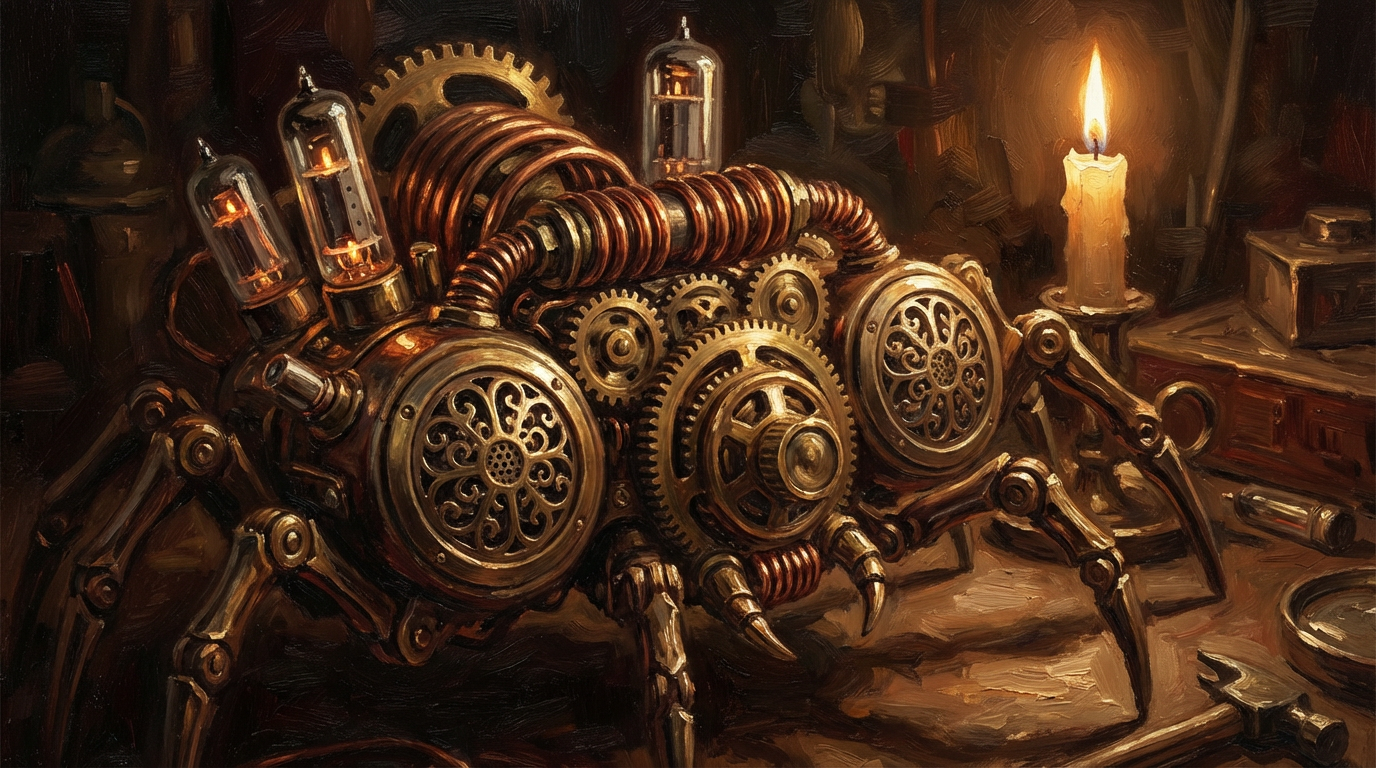
On the pure design-art side, a spider-shaped Bluetooth speaker shared in a steampunk Facebook group sparked hundreds of reactions and dozens of shares. The sculpt is a spider with the speaker hidden in its body, and fans praised the beautiful workmanship while admitting the price felt “crazy expensive.” That single piece captured what I see over and over: if the craftsmanship is high and the concept is wild, people will fall in love even when specs are not spelled out.
Kid-focused audio players like the Yoto system, featured by Trendhunter, lean more toward simplified characters and safe content ecosystems. These are not tied to a specific anime or cartoon but are absolutely character devices in the eyes of children. Yoto’s players are designed as child-safe speakers that provide stories, music, and activities without handing kids a screen or a cell phone. They show another side of character speakers: the character can be a friendly device itself, not just a licensed mascot.
Layer on marketplaces like Etsy, where “cute Bluetooth speaker” and “unique Bluetooth speaker” searches surface small-batch creations, nightlight-speaker hybrids, and character-inspired shells, plus platforms like Alibaba and DHgate that emphasize affordable character-themed boomboxes, and you start to see a whole ecosystem. Some are official IP, some are fan art, some are just “this looks like it walked out of a pastel anime café” design.
What Actually Makes a Good Character Bluetooth Speaker?
Under the paint, bows, and spider legs, you still need a proper speaker. The fun part of building or buying character audio is finding the sweet spot where fandom does not sabotage functionality.
A Hello Kitty buyer’s guide puts sound quality front and center, warning fans not to pick speakers based on looks alone. It recommends checking for clear, non-tinny sound with balanced bass and enough power to comfortably fill the space where you will actually use it. For a bedroom or desk, you might not need that full 30-watt blast; for a party or a small living room, it matters.
Battery life is another non-negotiable. Several sources converge around 8 or more hours as a baseline for portable speakers that are meant to go through a day of casual use. The Hello Kitty guide calls out 8 hours as the rule of thumb, while TREBLAB’s HD77 pushes up to 20 hours for serious outdoor sessions. On the retro side, Ausman Audio notes that many vintage-style units comfortably sit in the 8 to 12 hour range, and some add quick charging where around 15 minutes on the cable can yield roughly 2 hours of playtime. This matters when your “character” is also a travel companion for conventions, picnics, or long study sessions.
Range and wireless stability are usually less glamorous but crucial. Most mid-tier to premium character-themed and retro speakers now standardize around Bluetooth 5.x, with marketing often emphasizing stable connections at about 30 ft or a bit more. Both the Hello Kitty guide and Ausman’s retro overview frame this as enough to remove cable clutter and let your phone stay in your pocket or bag while the character sits picture-perfect on a shelf.
Durability and water resistance become especially important once you take characters outside. The TREBLAB guide stresses that speakers intended for poolside or outdoor use should have at least IPX7 or IP67 protection. That is why its outdoor picks, such as the HD77 and some of the JBL models, spotlight IPX7 or IP67 ratings. The Hello Kitty guide is a bit more flexible: it calls IPX4 a minimum for splash resistance if you plan to use your character near sinks, bathroom counters, or rainy-day windowsills.
Design-forward speakers often add extras that enhance the “character” experience rather than just raw audio. The TREBLAB article highlights RGB light rings syncing to music, while Ausman’s retro speakers bring LED party lights and FM radio. The Divoom Ditoo Pro, described on Amazon as a programmable pixel-art LED speaker with an integrated clock, leans hard into visual flair with emoji-style graphics that users can customize through an app. These touches turn your character into a performance piece, not just a sound source.
At the same time, the “cute tax” is real. TREBLAB warns that buyers can end up paying more for style while sacrificing durability, battery life, or sound quality. A travel speaker like Sunnylife’s colorful models, for example, is called out for very short battery life around one to two hours. The recommendation is to weigh price against actual specs, not just vibes, and to prefer reputable brands or well-reviewed makers when you expect the speaker to last.
Character Speakers for Different Fans and Use Cases
Character speakers are not one-size-fits-all. A Bluey-loving kid, a steampunk collector, and an anime figure photographer are all shopping for wildly different experiences, even if Bluetooth is the common thread.
A kid-focused speaker often trades raw power for safety, simplicity, and charm. The iLive Wild Tailz line, described in the TREBLAB guide, uses animal characters such as cats, dogs, penguins, unicorns, and narwhals, offering a Bluetooth range around 60 ft but only about 2.5 hours of battery life. These are positioned as low-cost, child-friendly gifts where the adorable shape and portability matter more than marathon listening sessions. Systems like Yoto’s dedicated audio players push safety further by removing screens, curating content, and giving parents more control over what children hear.
For collectors and décor-focused fans, a character speaker might be more like a sculpture. The steampunk spider speaker has no published specs, but fans called out the beautiful workmanship and the post drew significant engagement. In that context, the piece is closer to a limited-run art toy that happens to be a speaker; people tolerate a higher price as long as the build quality feels premium. That same mindset applies to anime figurine conversions or pixel-art devices like the Divoom Ditoo Pro, which are marketed as decorative centerpieces for homes and parties.
Then you have everyday lifestyle users who want something that looks good on a shelf but still works as a primary speaker. The TREBLAB HD77 and Sony’s ULT Field 5, with dual tweeters, a powerful woofer, up to 25 hours of battery life, IP67 protection, and full light shows, live here. The Hello Kitty guide explicitly separates homebodies, outdoorsy types, and collectors, recommending more stationary, high-quality sound for people who listen mainly at home, and compact, durable, water-resistant designs with longer battery life for those who travel or camp.
To make these tradeoffs clearer, here is a high-level comparison across common character-speaker archetypes.
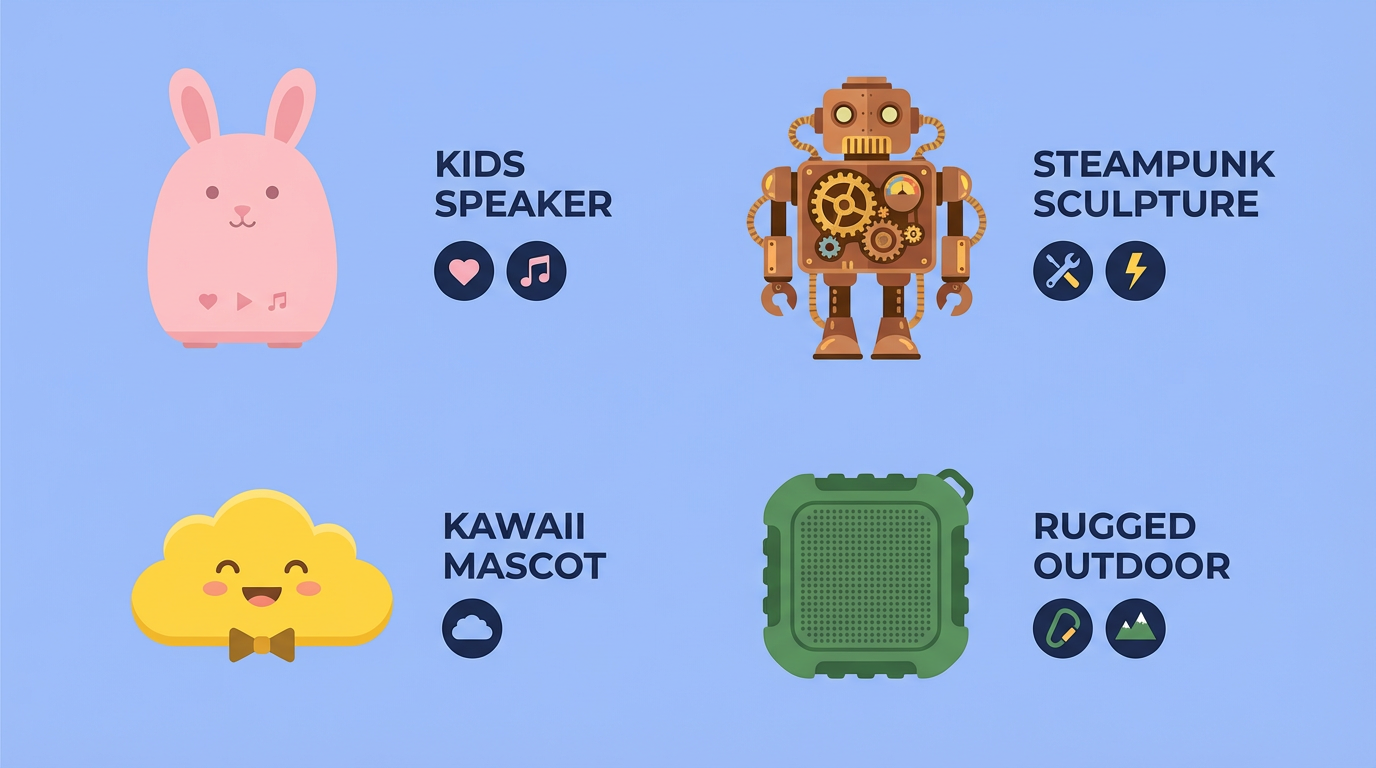
Archetype | Typical Character Expression | Ideal Use Case | Strengths | Common Tradeoffs |
|---|
Kid-friendly companion | Animals, simple faces, soft colors, friendly shapes | Bedtime stories, playroom, quiet-time audio | Safe materials, simple controls, curated or kid-safe use | Shorter battery life, modest volume and bass |
Collector art piece | Steampunk creatures, intricate anime-style sculpts | Display shelves, photo backdrops, conversation | Unique design, high craftsmanship, strong visual impact | Higher price, unknown or unlisted specs, limited availability |
Lifestyle décor speaker | Hello Kitty, kawaii mascots, pastel or themed shells | Desks, dorms, studios, casual listening | Balanced mix of design and sound, solid everyday specs | Some models charge a “cute tax” for mid-range performance |
Rugged outdoor character | Animal forms, retro radios, light-up “party” looks | Picnics, pools, beach days, conventions | Higher wattage, water resistance, long battery, loud sound | Larger size, more utilitarian shapes as power and durability grow |
DIY or custom build | Anime figures, fan art shells, mashups, reclaimed wood | Personal collections, commissions, gift pieces | Full design control, fandom-specific uniqueness | Requires tools and skills, potential IP and safety concerns |
Design Alchemy: How Characters Become Speakers
Now, the fun part: how do you actually turn a character into a working Bluetooth speaker without either ruining the figure or killing the sound?
A DIY project on Instructables walks through building a wooden Bluetooth speaker enclosure from reclaimed pallet wood, combined with a felt front. The author starts with sketches on paper, deliberately ignoring dimensions to focus purely on shapes and vibes. Only after landing on a design that “feels right” do they move into CAD, using Fusion 360 to adjust dimensions, create internal space for drivers and electronics, and iterate through the timeline feature before any material is cut. The final case is built as three CNC-milled wood pieces plus two laser-cut parts: a plywood panel with cutouts for the drivers and a felt cover with no holes, layered to hide the hardware while letting sound through.
There are several lessons here that translate directly into character builds. First, separate aesthetic brainstorming from technical planning. When you look at a beloved anime character and imagine them as a speaker, think in silhouettes and storytelling. Maybe their cape becomes the grille, or a magic circle at their feet houses the drivers. Sketch freely, the way the Instructables creator did, without worrying about the thickness of the Bluetooth module or the exact driver diameter. Once you have a concept that genuinely excites you, then open your CAD tool or draft physical templates.
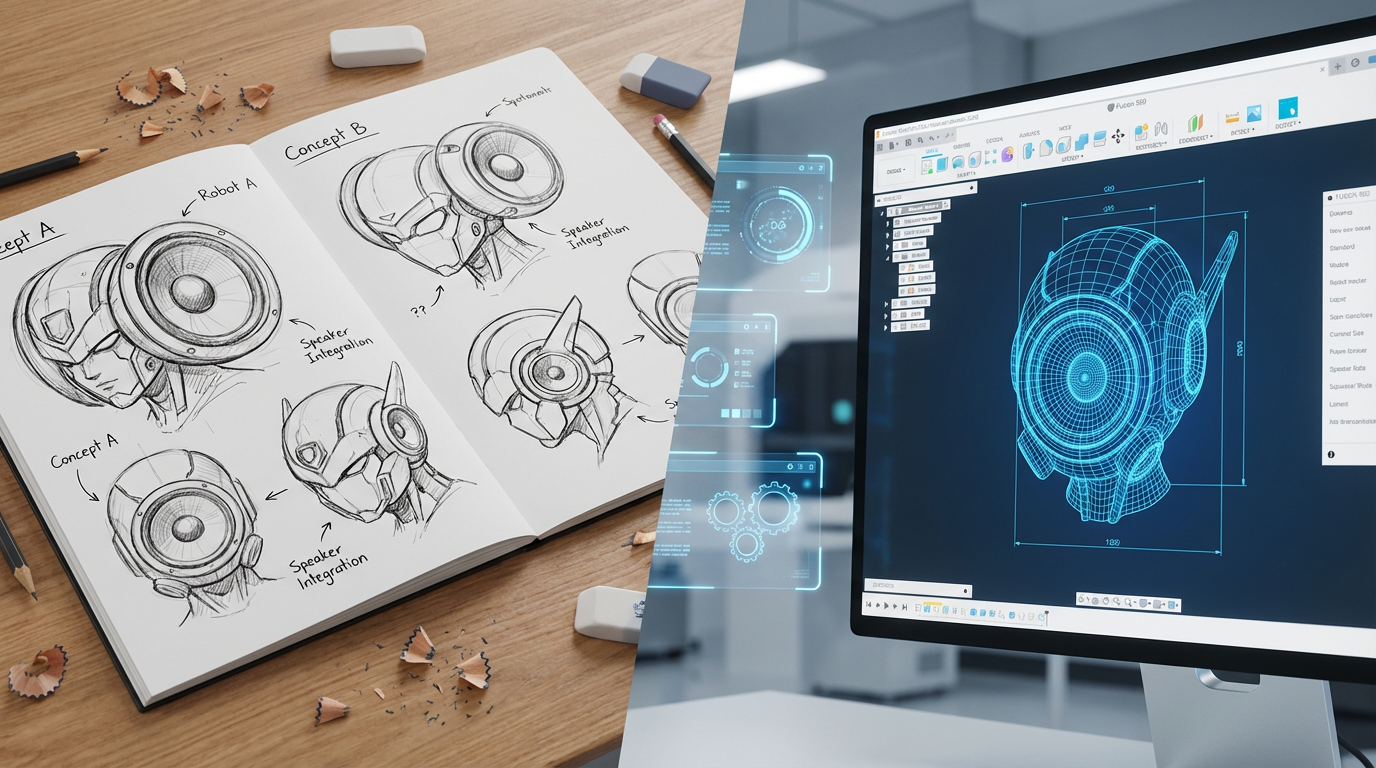
Second, treat the character and the speaker as a single composition, not a figure with a hole drilled into it. The Instructables build uses layers: a structural wooden shell for strength, with a soft felt outer layer for a minimal, warm look. A character speaker can use a similar layered approach. You might 3D-print a structural inner housing that holds the drivers and battery, then design a character shell that snaps around it with vents and openings placed intentionally where sound needs to escape. This keeps the figure’s pose and key details intact while giving the audio hardware the space it needs.
Third, accept imperfections and turn them into style. The pallet wood in the DIY project had nail holes and blemishes. Instead of hiding them under flawless lacquer, the builder filled the gaps with filler and then intentionally aged the finish to create a vintage look. Character speakers can lean into similar moves: a slightly weathered mecha skin, a steampunk repaint on a spider-like base, or a retro patina brushed onto a magical girl’s speaker stand. As long as the finish is safe and sealed, these “imperfections” become narrative texture.
Finally, never fully close your case until the electronics are installed and tested. The DIY author explicitly reminds us not to glue everything shut before placing the board, battery, and drivers. That advice is even more critical when working with delicate figures or small character shells. Always plan for access points, hidden screws, or magnetic panels so you can repair or upgrade the internals later without destroying the sculpt.
Pros and Cons of Different Build Approaches
There are three broad paths to creating character speakers: modding existing figures, designing custom shells around standard speaker cores, or commissioning OEM character-themed boomboxes from factories.
Modding an existing figure is the most emotionally intense option. You are literally cutting into a character you love, which is equal parts thrilling and terrifying. The upside is that the result feels like a one-of-a-kind relic pulled straight out of your own headcanon. The downside is that most mass-produced figures are not designed with internal cavities large enough for drivers and batteries, so you risk structural issues, paint cracks, or bad sound if you cannot carve out enough volume. You also have to consider the original manufacturer’s rights if the mod will be sold rather than kept in your personal collection.
Designing custom shells around standard speaker cores is more repeatable. You can start with a solid, spec-forward core such as a water-resistant 10-watt or 30-watt speaker with known battery life and range, then sculpt or 3D-print a character shell that wraps around it. TREBLAB’s guide suggests features like true wireless stereo pairing, RGB lighting, and IPX7 or IP67 ratings for outdoor use; integrating those into your chosen core gives you performance confidence from the start. Your shell becomes a skin that must not block passive radiators or vents, echoing the Hello Kitty guide’s warning not to cover bass ports and always place speakers on hard, flat surfaces for better sound.
Working with OEM or ODM manufacturers to create full character-themed boomboxes is where creators cross into business. The Accio market overview notes that OEM buyers look for Bluetooth 5.x (often 5.3), IPX7 water resistance, integrated RGB lighting, and at least around 10 watts RMS for mid-tier models. Procurement teams take regulatory compliance seriously, checking CE, RoHS, FCC, and similar standards, and they judge suppliers on lead times, minimum order quantities, and warranty support of at least 12 months. Customization is deep: logos, character shapes, and packaging all become branding layers. The upside here is scale and polish; the downside is up-front cost, licensing complexity, and the risk of shipping delays or inconsistent colors without good sample and inspection processes.
On the opposite end of the spectrum, platforms like Alibaba market character-themed speakers built for multi-device compatibility, emphasizing strong bass, sturdy materials, and decorative value. DHgate highlights a kid-focused cute speaker as both desk decoration and portable waterproof device at a price around $25.99, positioning it as durable décor for indoor and outdoor use. These show how overseas factories have already built a wide catalog of character-ish devices, which can inspire or complement your own designs but do not replace the magic of a truly tailored fan build.
Safety, Licensing, and Ethics: The Unsexy But Crucial Side
Any time you mix characters with consumer electronics, you step into a tangle of intellectual property, child safety, and ethical design.
An Accio buyer guide for character-themed boomboxes is blunt about IP: buyers must verify that suppliers have valid licenses for brands like Marvel and Disney, and they should insist on pre-production samples and inspections to ensure color and design fidelity. That advice applies just as much to anime and game characters as it does to Western superheroes. If you are a solo creator making one-off mods of a figure you bought, you are in a different space than a company planning to sell thousands of units with a famous mascot on the box. Once you move into commercial production, proper licensing is not optional.
At the same time, there is a thriving demand for character-inspired digital art and designs in fan communities. A Facebook crafting group dedicated to free SVG and sublimation files includes parents asking for designs featuring Scream’s Ghostface, horror character mashups, and Bluey variants because their kids are “picky.” This illustrates how deeply character themes drive consumer desire, especially for children. However, even at the digital-file level, creators need to understand what is allowed in terms of fan art, parody, and commercial use in their jurisdiction.
Safety is the other huge responsibility. Kid-facing speakers like Yoto players and iLive Wild Tailz emphasize safe materials, simple controls, and curated content because parents want devices that will not expose children to harmful content or sharp edges. Articles on kid-friendly gift wrapping for Bluetooth speakers stress non-toxic, tear-resistant papers, child-safe markers, and avoiding sharp or fragile embellishments. Translating that to speaker design means choosing coatings and plastics appropriate for children, avoiding small detachable parts that could be swallowed, protecting charging ports from curious fingers, and ensuring any light effects do not produce extreme heat.
For DIY builders working with reclaimed wood or repaints, the Instructables project is a good reminder to finish your surfaces properly. Filling holes, sanding edges, sealing paints, and avoiding abrasive or flaky finishes help keep both users and the speaker safe. Ausman Audio’s maintenance advice for retro speakers, such as gentle dusting and avoiding harsh cleaners, also applies here; the more chemical abuse your finish takes, the more likely it is to degrade and shed.
Finally, data from understanding digital marketing reminds us that digital natives and younger generations practically live online, shifting control of media away from traditional publishers to user-generated content. With that power comes the risk of “black hat” tactics and reputation damage. For character speaker creators, this means being transparent about what your product is, what licenses you hold, and what safety standards you meet. In an environment where social media can elevate or destroy a brand in days, authenticity and honesty are not optional.
Bringing Character Speakers to Market and To Your Community
The fun of character speakers does not end at the workbench or checkout page. How you tell the story of these devices online profoundly shapes who finds them and how they feel about them.
The book Understanding Digital Marketing paints a picture of a world where the internet reached 50 million households far faster than television did, and where a global online audience climbed from about 1.3 billion in 2007 to a projected 1.8 billion only a few years later. Today, that digital audience includes a full generation of “digital natives” who grew up expecting instant information and constant connectivity. They hang out in spaces where user-generated content and social media dominate attention. That is exactly where character speakers thrive.
If you are showcasing a custom anime-figurine speaker, a steampunk spider build, or a Hello Kitty shelf setup, the platforms that matter most are the ones built for visuals, video, and community conversation. The steampunk spider speaker went viral inside a niche Facebook group; an influencer on Lemon8 highlighted a tiny summer-ready portable speaker by comparing it to a Bose and calling out the cute color; Etsy pages cluster “cute Bluetooth speakers” and “unique Bluetooth speakers” into searchable markets where photos, ratings, and personal stories sell the product as much as specs do.
Digital marketing best practices from Damian Ryan and Calvin Jones emphasize choosing the right channels, measuring what works, and leaning into user-generated content. For character speakers, that means encouraging buyers to post their setups, share room tours, and record unboxing videos. It also means checking analytics to see whether your audience responds more to close-up sculpt shots, audio demos, or lifestyle images of speakers surrounded by manga stacks and gaming gear.
Pricing and positioning require the same data-informed mindset. TREBLAB’s guide warns against paying the “cute tax” blindly, recommending that buyers and brands both weigh design premiums against actual specs like wattage, battery life, and IP rating. The character boombox procurement notes from Accio add another layer: total cost of ownership matters more than headline unit price. For B2B buyers, shipping, customs, potential rework, and warranty obligations can erase any savings from a cheap but unreliable supplier.
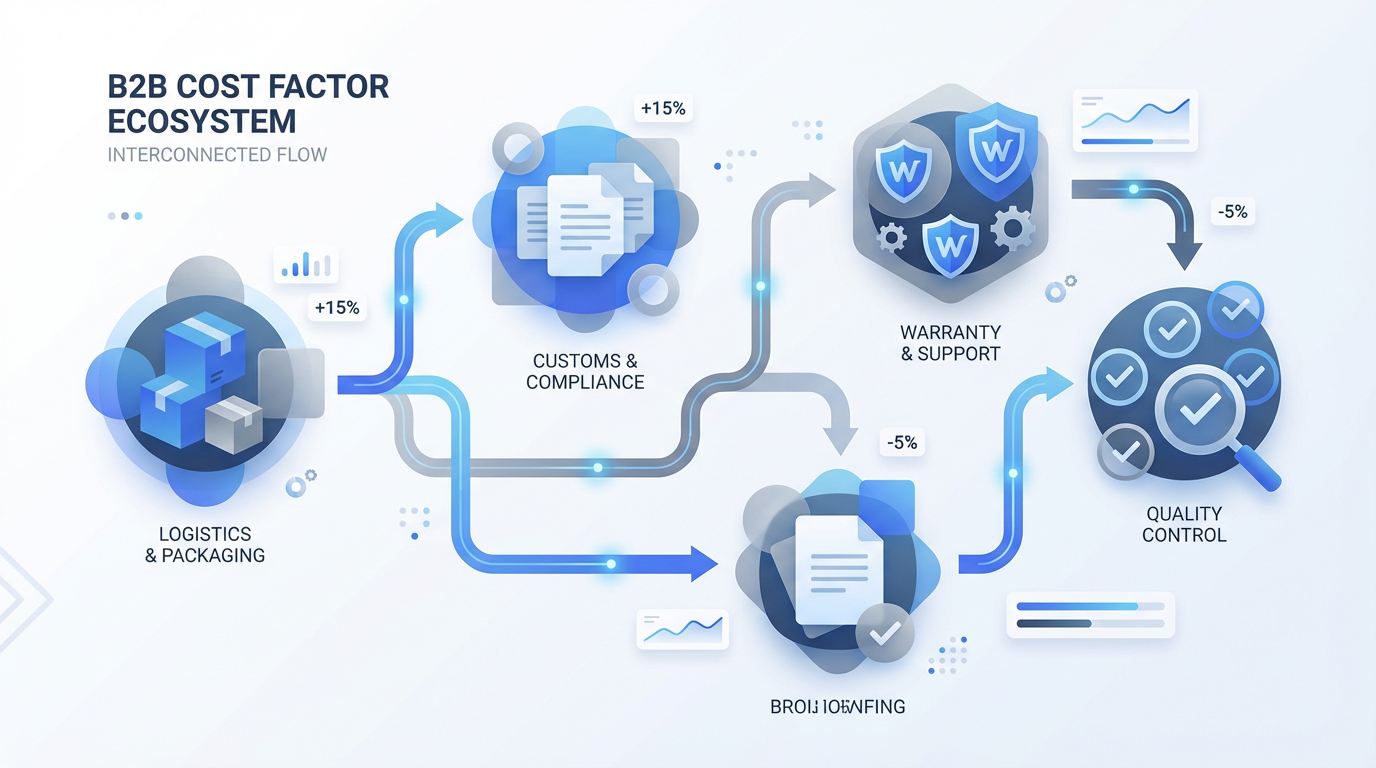
For smaller creators, that translates into being realistic about what it costs to source quality components, finish them safely, and ship them snugly without damage.
Presentation and packaging are part of the experience too. DHgate’s guide on kid-friendly gift wrapping for Bluetooth speakers focuses on turning the wrap into part of the play: treasure-map themes, animal or space motifs, reused comic pages, and chalkboard-style paper that kids can draw on. Even if you are not literally wrapping gifts, those ideas carry over into box art, instruction inserts, and unboxing rituals. A character speaker shipped in a plain brown box with a single-line manual feels different from one packed in art that looks like a limited-edition manga cover, with a quick-start card that treats the device like a companion in your daily “quest.”
When you combine narrative-rich packaging, honest specs, and fan-aware marketing, you give your character speaker the best chance to become part of someone’s everyday life rather than a novelty that gathers dust.
A Practical Roadmap for Your First Character Speaker
If you are itching to build or commission your first character speaker, it is helpful to think in phases instead of steps on a list.
Start in the sketchbook, not the parts bin. Take your favorite character or aesthetic and explore silhouettes, props, and scenes that could logically house a speaker. Maybe it is a mecha’s torso docked into a charging bay, a magical girl perched on a rune-covered base, or a chibi creature sitting on a log with the sound coming from the log rather than the figure itself. Keep it loose and imaginative, the way the DIY wooden speaker creator first played with shapes on paper.
Once a concept feels right, choose a base audio platform that matches the scenario. For a desk buddy, a mid-range, around 10-watt unit with 8 to 12 hours of battery life and at least IPX4 splash resistance might be enough. For a convention or outdoor companion, something closer to the TREBLAB HD77’s class, with higher wattage, IPX7 or IP67 rating, and closer to 20 hours of playtime, will make more sense. If kids are involved, be honest with yourself about durability, battery safety, and how simple the controls must be.
Then design the enclosure or shell as a respectful collaboration between sculpt and sound. Use CAD tools or physical mockups to ensure there is enough internal volume for the drivers, battery, and board, and that vents and ports are aligned with acoustically logical spots. Keep in mind the Hello Kitty guide’s advice about keeping passive radiators and ports uncovered, and Ausman Audio’s suggestion to place speakers away from corners to avoid muddying the sound.
After you prototype the shell, build with materials you can handle safely. Pallet wood, as in the Instructables project, is excellent for eco-friendly, one-off builds as long as you sand, fill, and seal it. Plastics and resins can give you anime-grade sculpt detail, but they demand good ventilation, protective gear, and curing discipline. Whatever you pick, test fit and audio performance before final finishing, and leave access for future repairs.
Finally, think about how you will share the result, even if it is just with a small fandom circle. Take photos that show both the character and the speaker reality: a close-up of the sculpt, a shot with the Bluetooth icon lit, a short clip where the character plays an anime opening across a desk. The digital marketing research makes a strong case that in a world of digital natives, your story and authenticity are as important as the finished object itself.
FAQ: Common Questions About Character Bluetooth Speakers
Are character Bluetooth speakers just gimmicks, or can they sound good?
They can absolutely sound good. Buying guides for cute speakers and Hello Kitty models emphasize that you should expect clear, room-filling audio and balanced bass, with benchmarks like around 30 watts output and at least 8 hours of battery life for everyday use. Many retro and outdoor-friendly designs include modern Bluetooth 5.x, water resistance ratings such as IPX7 or IP67, and serious battery specs. The key is to look beyond the sculpt and verify the audio and power details, especially if the manufacturer does not list them clearly.
Is it safe to turn an existing anime figure into a Bluetooth speaker?
It can be done safely, but you have to plan carefully. The Instructables wooden speaker project shows the value of designing an enclosure that respects both the electronics and the outer finish. With figures, the main risks are cutting into structural plastic, exposing yourself to dust or fumes, and leaving sharp edges or fragile joints. If the speaker is for kids, you also need to think about coatings, small parts, and how easily the figure could be dropped. For personal projects, start with less expensive figures or compatible shells rather than grail-level collectibles, and always ensure that any paints or adhesives you use are appropriate for indoor use.
What if I want to sell character speakers based on famous anime or game IP?
At that point you are dealing with licensing, not just craft. A market guide for character-themed boomboxes warns professional buyers to verify that suppliers hold valid licenses for brands such as Marvel and Disney, and to inspect samples before mass production. The same principle applies to anime and game properties. For personal builds kept in your own collection, fan mods live in a different gray zone, but once you sell at scale or use trademarked characters in marketing, you are entering a space where rights holders expect proper agreements. When in doubt, talk to an IP lawyer or work with original designs inspired by anime aesthetics rather than directly copying protected characters.
In the end, transforming characters into Bluetooth speakers is about giving your fandom a voice, literally. Whether you are sketching your first anime-inspired enclosure or negotiating specs for a full-on character boombox line, the sweet spot is where story, sound, and safety intersect. Build and buy with that in mind, and your speakers will not just play tracks; they will feel like they rolled straight out of your favorite series and onto your shelf.
References
- https://www.academia.edu/30511847/Understanding_Digital_Marketing_DAMIAN_RYAN_and_CALVIN_JONES
- https://dspace.mit.edu/bitstream/handle/1721.1/113526/1020172094-MIT.pdf?sequence=1
- https://www.accio.com/plp/character-themed-boomboxes
- https://www.alibaba.com/showroom/character-themed-boomboxes.html
- https://www.ausman-audio.com/blog/Retro-Bluetooth-Speakers-3-Secrets-Behind-Their-Rising-Popularity-in-2025_b7603
- https://smart.dhgate.com/creative-and-kid-friendly-ways-to-gift-wrap-a-bluetooth-speaker-that-wow/
- https://www.etsy.com/market/cute_bluetooth_speaker
- https://www.instructables.com/DIY-Wooden-Bluetooth-Speaker/
- https://www.lemon8-app.com/@mommso2025/7527136593870619191?region=us
- https://www.trendhunter.com/trends/bluetooth-speaker-design