Understanding the Appeal of Horror Anime Figures for Collectors
Horror anime figures turn your favorite nightmares into art you can actually live with, blending creepy detail, storytelling, and style. This guide explores why they are so addictive, how to choose and display them, and what to consider about money, authenticity, and resale.
Picture glancing up from your gaming chair at midnight and catching the glowing eyes of a cursed girl or grinning clown in anime form, perfectly lit, just unsettling enough to give you chills rather than full-on dread. Collectors who plan their displays like mini exhibits consistently end up with shelves that both protect paint and packaging and tell a clear story about the fandoms and fears that matter most to them.
What Exactly Are Horror Anime Figures?
Horror anime figures are collectible statues or poseable figures based on horror-themed anime or horror-flavored designs rendered in anime style. That can mean characters from psychological thrillers, curse-and-ghost stories, and monster or body horror series, or original designs that simply lean into creepy aesthetics.
If you search for horror "bishoujo" statues on Tokyo Otaku Mode's shop, you will see figures that reimagine horror icons as beautiful anime-style women. They blend classic monsters with Japanese character design in officially licensed, authenticity-guaranteed products that are curated by experienced buyers rather than pulled from random bulk stock Tokyo Otaku Mode's catalog. This mashup is part of the appeal: you get the familiar comfort of anime facial expressions and proportions, but wrapped around something sinister.
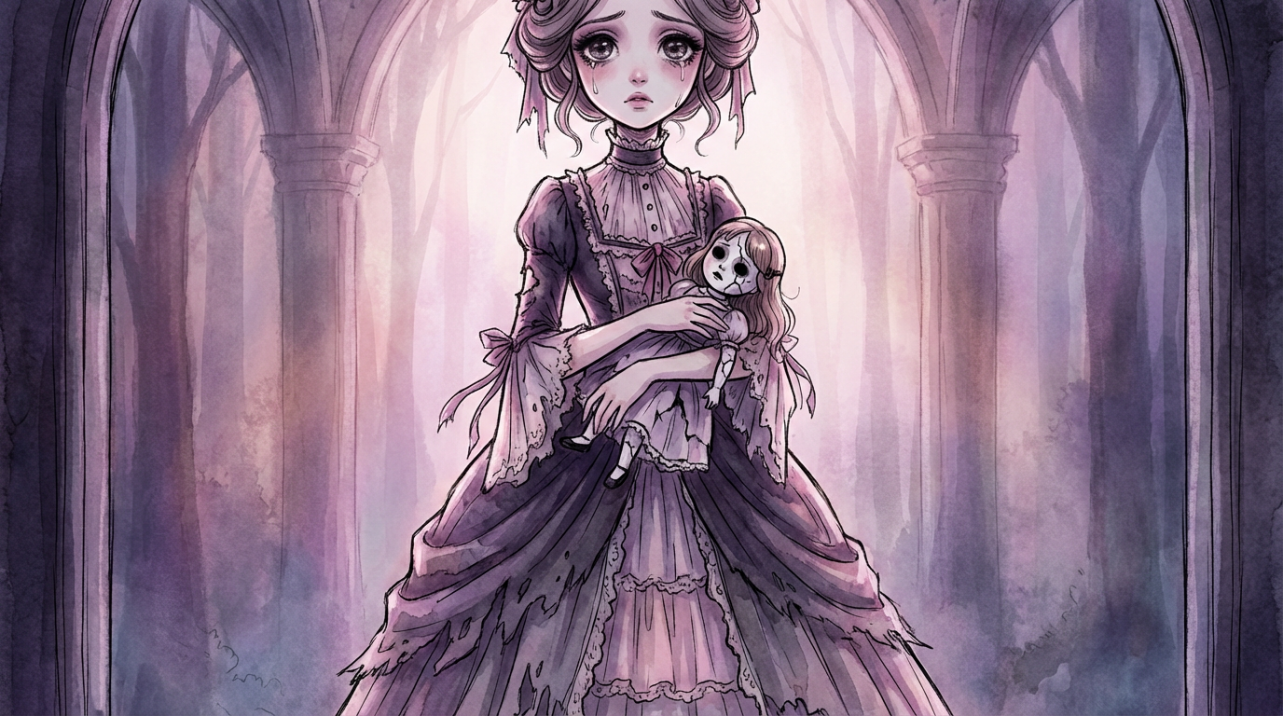
Horror anime figures also sit inside the broader horror collectibles ecosystem. Horror and sci-fi fans build full "horror rooms" around toys, statues, and replicas, mixing brands like NECA, Mezco, McFarlane, Sideshow, Funko, and Kotobukiya into dense, thematic displays that turn a room into a museum of fright horror-room setups and brands. Horror anime pieces slot into this culture but bring in manga-style dynamism, sharper color choices, and a different emotional flavor.
Why Horror Anime Figures Hit So Hard Emotionally
The emotional hook of horror anime figures is that they bottle the feelings of a scene you cannot stop thinking about and put them within arm's reach. Where a poster is flat and a Blu-ray sits in a case, a figure is three-dimensional proof that a moment mattered enough to you to give it physical space.
Horror collectibles in general are often used less as "cute merch" and more as statement pieces, like a possessed doll or levitating exorcist diorama meant to shock guests, with some pieces climbing well into the hundreds or even thousands of dollars when they are large, limited, or iconic high-impact horror centerpieces. When you translate that energy into anime form, you get something slightly more wearable in everyday life: scary, yes, but softened by stylized eyes, exaggerated poses, and color palettes you actually enjoy looking at every day.
There is also the emotional safety valve aspect. Horror anime already gives you a controlled space to explore fear, trauma, and moral gray areas; owning the figure of a character who survived a curse or embraced their monstrous side can feel like keeping a little guardian on the shelf. Over time, collectors describe their horror shelves as "a map of everything I've overcome," which is a big part of why the creep factor becomes comforting rather than draining.
The Aesthetic Mix: Cute, Macabre, and Bishoujo
One of the most distinctive subgenres is horror bishoujo: figures that reinterpret horror characters through the lens of "bishoujo" aesthetics, turning them into beautifully stylized girls while keeping key horror motifs. Kotobukiya's bishoujo lines, for example, take characters from Western comics, games, and movies and redraw them with Japanese visual sensibilities before turning them into statues aimed at fans worldwide, effectively remixing global pop culture into a single anime-style silhouette. Horror-focused bishoujo riffs apply that formula to slashers, demons, and monsters, creating figures that are unsettling and alluring at the same time.
Collectors gravitate to this contrast because it lets them display horror openly in spaces that also lean cute or pastel. Articles aimed at horror fans who build "horror rooms" already recommend starting with affordable lines like Funko ReAction or detailed 7-inch figures and then working up to more stylized Kotobukiya Horror Bishoujo statues once you know which characters truly resonate with you. On a practical level, horror bishoujo sculpts tend to have dynamic hair, weapon, and base designs, which give you more visual motion on the shelf than a basic standing pose.
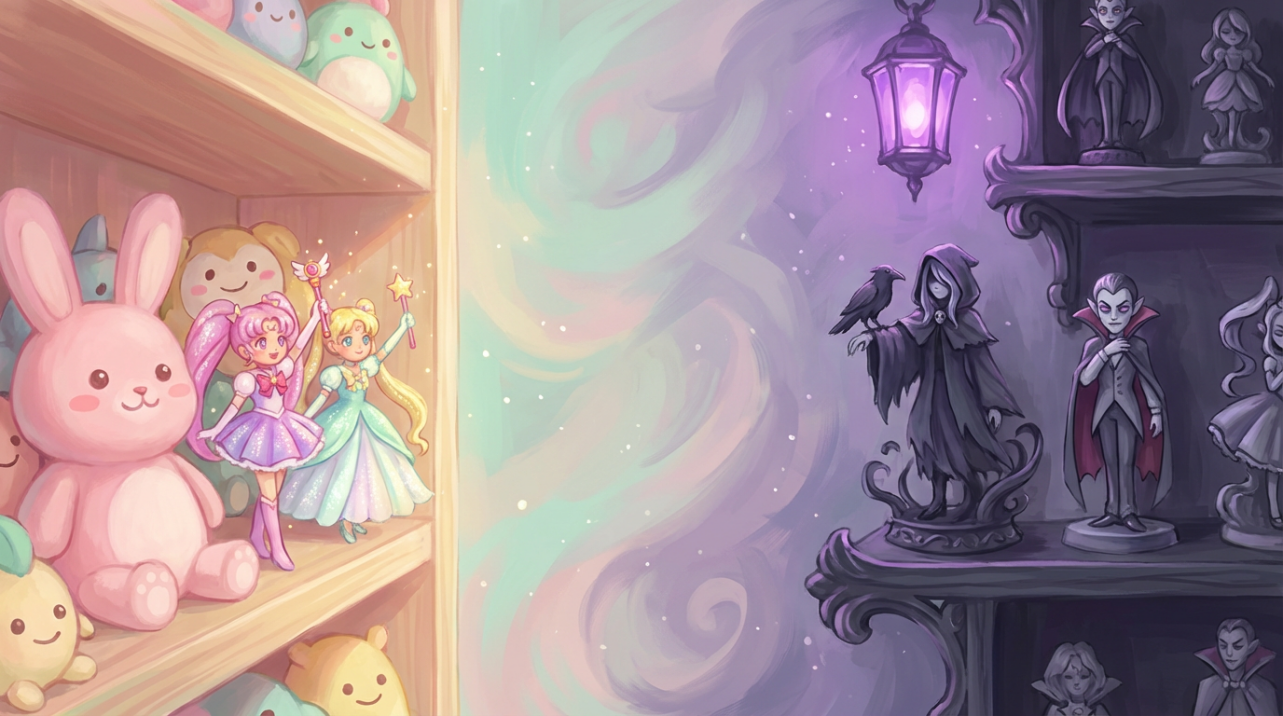
The tradeoff is taste. Some fans love the flirtier, fashionable reinterpretations; others feel they clash with the original tone of a brutal horror story. That tension is actually part of the appeal for many collectors, who enjoy the subversive joke of turning a childhood trauma-inducing villain into a gorgeous, stylized statue that now lives next to their favorite magical girls.
Types of Horror Figures and What They Are Like
Even if you stick to horror anime or anime-style designs, you will run into the same broad categories that define horror collecting in general: cheap-but-fun figures, mid-tier detailed lines, and premium centerpieces.
In the wider horror market, there are accessible 3.75-inch retro-style figures, mid-size 6–7 inch lines from companies like NECA that pack in articulation and accessories, and high-end statues from Sideshow or Kotobukiya that become the focal point of an entire display. Horror anime figures mirror this structure: tougher, cheaper "prize" figures you can handle more casually; more refined scale statues with cleaner paint and more fragile details; and stylized bishoujo or resin pieces that you treat like art.
On marketplaces like eBay, horror anime figures as a category usually run from about $10.00 to $200.00 or more, with most standard-size items clustering around $20.00 to $60.00 depending on licensing, sculpt detail, and whether they are new-in-box or pre-owned horror-anime figure pricing bands. Prices climb quickly when you get into limited editions, larger scales, or figures that stay factory-sealed with undamaged packaging, while smaller, loose, or bulk-lot pieces sit on the lower end of that range.
If you are drawn to poseability and like photographing your collection, articulated lines and accessories matter more than the "statue" feel. If you want a shelf that looks like a mini gallery, static horror bishoujo or scale statues are usually the better fit. Understanding your own temperament—do you want to handle and re-pose figures every few weeks, or set and forget—is crucial before you spend serious money.
Here is a quick comparison at a glance:
Type | Feels like | Typical pros | Typical cons |
|---|
Prize / budget figures | Fun merch, casual | Affordable, robust, low guilt to experiment | Softer detail, paint imperfections |
Scale / bishoujo statues | Mini art pieces | Strong sculpt, shelf presence, display focus | Fragile, higher cost, need better protection |
Articulated horror lines | Toys for adults, photo-friendly | Poseable, accessory-rich, dynamic scenes | Visible joints, more work to pose and maintain |
Displaying Horror Anime Figures Without Ruining Them
However beautiful a horror figure is, bad display choices can kill both the mood and the value. Horror collectors who build full horror rooms emphasize intentional planning so their props and figures look thematic instead of like random clutter, grouping items by type or character and clustering them to create impact rather than scattering them across every surface. That same principle translates perfectly to horror anime.
Treat your display like a tiny haunted exhibit. Decide whether a shelf is about cursed school stories, demonic contracts, or monsters, then stick to that vibe. Use risers to put "leaders" or centerpiece villains at eye level and let supporting characters fan out around them, angled so faces and key details are visible. Glass or acrylic cabinets give you dust protection and a premium gallery feel, while bookshelves and floating shelves work if you are willing to dust more often and accept a little risk for lower cost.
Many anime collectors set their figures around gaming or streaming setups, letting the background tell viewers exactly what they are into. One creator's kawaii pink gaming room, for instance, uses anime figures and plushies as the visual backbone of a cozy, on-camera vibe, with shelves carefully filled so they look intentional rather than messy anime figures as room-defining decor. Swap those pink mascots for horror bishoujo or cursed kids, adjust your LEDs from pastel to deep red and purple, and you have an instant horror anime backdrop.
Whatever your style, LEDs are your friend and direct sunlight is your enemy. Low-heat LED strips or spots give you dramatic highlights without warping plastic, while keeping displays out of harsh window light and maintaining moderate humidity helps prevent paint fade, mold, and that dreaded tacky surface over the years. This is not just preservation paranoia; if you ever resell, the person on the other end is buying your dust control and care as much as the figure itself.
Money, Resale, and Authenticity: Head vs Heart
Horror anime figures are first and foremost passion purchases, but the aftermarket is real enough that it is worth thinking about value early. Collecting guides for anime figures point out that unopened boxes and pristine packaging alone can lift prices by roughly 20%, and that rare or limited runs often justify pricing 20% to 50% above original retail when demand holds condition and pricing premiums. For horror, where designs are frequently more niche and print runs tighter, this effect can be even more pronounced.
If you ever plan to sell, treat your shelf like a showroom. Accurate listing details, crisp photos, and careful packing matter; specialized selling platforms emphasize that serious buyers want to see scale, edition, production info, box grade, and clear evidence of condition before they pay collector-level prices. On general marketplaces like eBay, you can sanity-check your expectations by comparing multiple listings—and especially sold or completed listings—of the same figure, paying attention to shipping, taxes, and the seller's feedback score so you are not fooled by either lowball outliers or inflated asks.
Authenticity matters twice as much in horror niches, because many designs are dark enough that bootleg paint jobs and sloppy sculpts feel especially obvious. Tokyo Otaku Mode explicitly markets its catalog as "always authentic" and curated by experienced buyers to weed out bootlegs, acting as a gateway for fans outside Japan to get official figures from horror bishoujo and other lines. Specialty retailers such as Sideshow Collectibles also maintain dedicated sections for anime collectibles, letting you browse high-end pieces in a more controlled environment than random search results anime collectibles browsing.
On the flip side, entry paths are generous. Horror-collecting guides recommend starting with accessible figures from lines like Funko ReAction or 7-inch NECA and then graduating into Kotobukiya's Horror Bishoujo or life-size statues only when you are confident in your taste and budget. That same staircase approach works perfectly for horror anime: begin with prize figures or modestly priced scales from series you deeply love, then save the four-figure grails for when you know exactly how you want your long-term display to look.
Is a Horror Anime Figure Collection Right for You?
The biggest question is not "Can it be worth money?" but "Can you live with horror on your walls every day?" If the idea of a cursed schoolgirl or demon towering over your desk makes you grin more than flinch—and you already rewatch horror anime for comfort—you are probably a good fit. If you are sharing a space with family members or roommates who dislike horror, it might be better to keep the scariest pieces in a dedicated corner or room.
Compared with general anime figures, horror anime pieces tend to have more extreme sculpt details, sharper objects, and more fragile edges, which makes careful placement and occasional earthquake or museum putty a good idea. They also invite stronger reactions from guests; for some collectors, the thrill of someone stopping in the doorway and saying "Whoa, that is intense" is exactly the point. For others, that social friction is more stress than it is worth.
There is no rule that says your whole collection must turn dark, either. Many fans keep one "Halloween shelf" or a single cabinet that goes full horror while the rest of the room stays cozy and kawaii. That contrast can actually make your horror anime figures feel even more special.
Quick FAQ for New Horror Figure Collectors
Are horror anime figures too intense to mix with cute or pastel displays?
Not necessarily. Display guides for both horror and general anime collecting show that grouping by theme, color, and mood makes mixed shelves look curated rather than chaotic, whether they feature slasher dolls or pastel mascots [horror-room curation and clusters]. If your room leans pink and cozy, think of a "dark corner" shelf with purple lighting and a few horror bishoujo or cursed characters; as creators sharing kawaii figure-filled gaming rooms prove, a handful of strong focal figures can define a vibe without overpowering everything else [anime figure-driven room aesthetics].
Where can you safely buy horror anime figures online?
For official pieces, curated shops specializing in Japanese goods and anime merch are a strong starting point, since they explicitly vet for authenticity and quality. General marketplaces such as eBay and Etsy host a wide mix of official, secondhand, and custom "creepy anime figures," so it is smart to check seller feedback, read item descriptions closely, and factor in shipping and return policies along with the sticker price. Dedicated anime and pop-culture retailers, including chains with horror sections and high-end collectible platforms with dedicated anime categories, add another layer of safety because their entire business depends on serving fans long term.
If I fall out of love with horror, can I resell without a huge loss?
You have a good chance if you bought thoughtfully and took care of your figures. Resale-oriented anime-figure guides note that keeping boxes, avoiding damage, and documenting edition details can support noticeable premiums, while rare or limited figures often resell for 20% to 50% above retail if demand remains strong. Checking typical sale ranges on eBay before listing helps you avoid both lowball offers and unrealistic expectations, and using specialist platforms or collector communities can connect your horror anime figures with buyers who appreciate their niche appeal.
Closing Thoughts from the Horror Shelf
Horror anime figures are where fandom, fear, and aesthetics collide, giving you a way to turn intense stories into physical shrines that feel uniquely yours. If you stay honest about your budget, pick characters that genuinely haunt you in a good way, and treat your shelves like tiny haunted galleries, your collection will not just look good in display photos—it will keep giving you delicious chills every time you hit the lights.