Understanding the Commercial Value of Team Mascot Figures in Esports
If you have ever rearranged your desk so your favorite anime figure can peek into frame on stream, you already understand the magic of tiny plastic idols. Now imagine that figure is not a shounen hero, but your esports team’s mascot. Suddenly that cute chunk of PVC is not just “decoration.” It is brand equity, revenue, and fandom identity sitting next to your keyboard.
In this article, I want to put on both of my hats at once: long‑time anime figurine collector and obsessive follower of esports business reports. Together we will unpack what team mascot figures really do for an esports organization, how much commercial value they can realistically carry, and when it makes sense for teams and fans to invest in them.
I will lean on data from analysts like Dimension Market Research, Mercer Capital, Statista, and academic work such as the International Journal of Esports, and then translate it into language that makes sense to someone who actually lines figures up on a shelf and cares about paint apps and character lore.
Where Mascot Figures Sit in the Esports Money Machine
Before we zoom into a three‑inch mascot, it helps to zoom out to the entire esports economy.
Multiple market studies agree that esports is no longer a niche scene. Dimension Market Research projects the global esports market climbing from around $3.8 billion in 2025 to nearly $27.8 billion by 2034, with North America alone holding more than a third of the market early in that period. Fortune Business Insights gives different absolute numbers but tells the same story: strong double‑digit annual growth and a U.S. esports market that keeps expanding through 2032. A separate LinkedIn analysis puts global esports revenues above $1 billion in 2020 and heading beyond $3 billion by 2025.
Despite huge headline numbers, the way teams actually get paid is quite lopsided. Research from Mercer Capital and industry briefings highlight that:
Teams derive most of their income from sponsorships and advertising, sometimes 50 to 80 percent of total revenue, and in some cases even more. An executive from Fnatic has estimated that roughly 95 percent of their team revenue comes from sponsorship deals. Prize money is big in the news cycle, but volatile and heavily skewed to players. Broadcast and media rights often flow to publishers and league operators first. Merchandise, which includes jerseys, apparel, accessories, and collectibles like figurines, usually shows up as supplemental, not core, revenue.
Academic work in the International Journal of Esports goes further and argues that many commonly quoted figures, such as Newzoo’s $1.1 billion esports market size for 2019, severely understate the true ecosystem because they mostly count event‑centric revenues. When they expand the view to include publishers, streaming platforms, physical products, leagues, tournaments, and digital tools, they estimate something closer to $24.9 billion annually, with game publishers controlling around 64 percent of the pie.
In that larger “Entire Esports Ecosystem,” team mascot figures sit in the “physical products” and “merchandise” corner, interlinked with team brands, streaming platforms, and fan communities. On paper, they are just one SKU among many. In practice, they can punch well above their weight if you treat them as both a revenue line and a storytelling device.
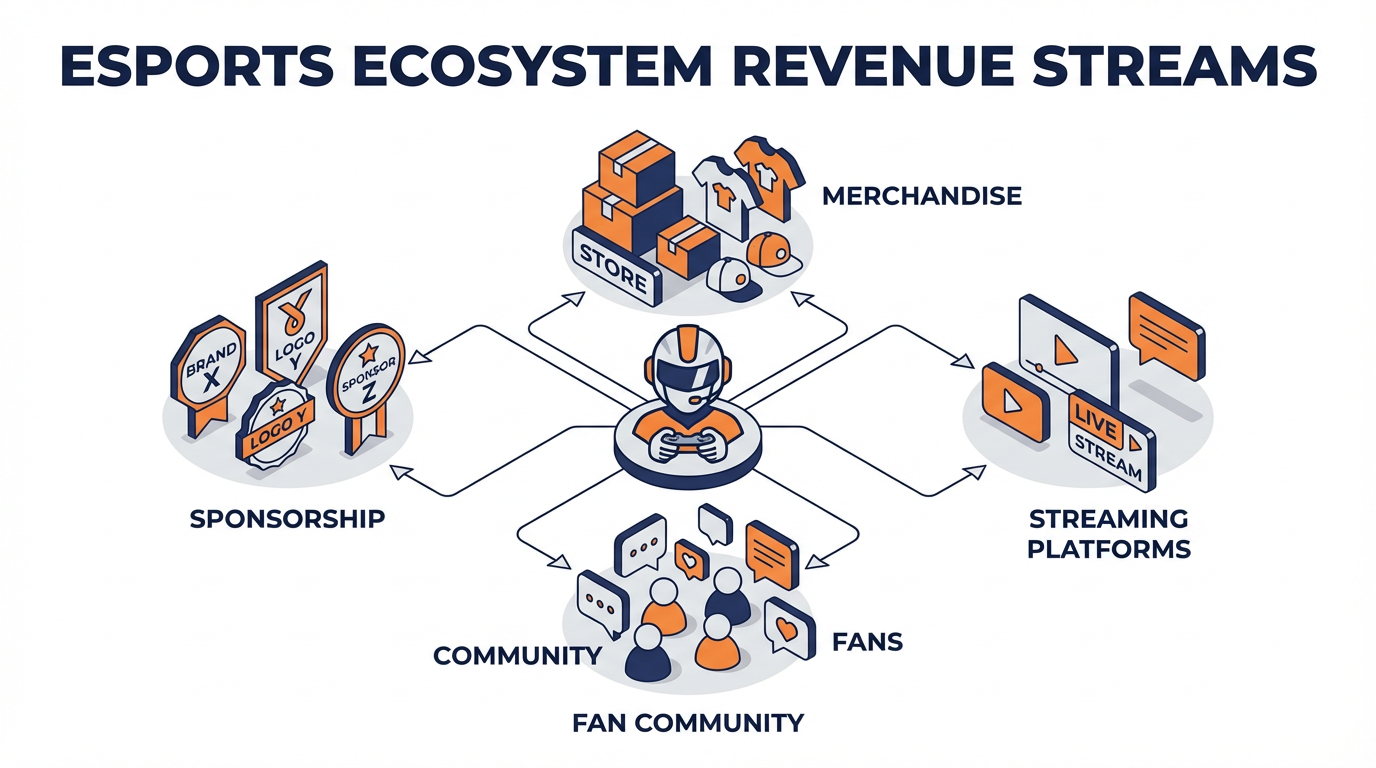
So what exactly are we talking about?
In this context, a team mascot figure is a physical collectible based on a team’s mascot or brand character: a chibi dragon for a League of Legends squad, a cyber‑fox for a Valorant roster, or a stylized avatar representing a whole organization. Think anime figure meets club crest. It can be a standalone statue, part of a blind‑box series, or a premium limited edition.
Commercially, those little characters matter in three ways. They generate direct consumer revenue, they amplify brand and sponsorship value, and they influence how investors and partners view the team’s long‑term monetization potential.
Let’s walk through each layer.
Direct Dollar Value: What Mascot Figures Actually Earn
Merchandise Is Small, But Growing Fast
Most valuation analysts still describe merchandise as a “supplemental” revenue stream for teams. Mercer Capital notes that merchandise sales tend to be relatively low and non‑recurring compared with sponsorships or subscriptions, so on a discounted cash flow model they do not move valuation as much as stable sponsorship contracts or subscription income.
At the same time, several trends suggest that the ceiling for collectibles is rising.
Telecoming’s review of monetization strategies points out that merchandising is turning into a major pillar for some esports organizations. FaZe Clan, for example, reportedly generated more than $40 million from merchandise in 2023 alone, as they leaned into limited runs, fashion collaborations, and collectibles. Telecoming also cites forecasts that the global esports merchandise market could edge toward $20 billion by 2025, once you include apparel, accessories, and collectible items.
Zooming out further, a gaming merchandise report from Research Nester expects Asia Pacific to account for more than 35 percent of global gaming merchandise revenue by 2037, driven by huge gamer populations and strong fandom cultures. North America is also seeing “remarkable growth” in gaming merchandise as esports normalizes and team apparel and collectibles move into mainstream fashion and lifestyle.
Mascot figures naturally ride both of those waves: the broader gaming merch boom and the shift of esports brands toward fashion and lifestyle status.
How Much Impact Can One Figure Line Have?
Analysts such as Newzoo and Mercer Capital have calculated that revenue per esports fan was only a few dollars annually in the mid‑2010s, with one estimate around $3.50 per fan in 2016. In other words, a fan who watches hundreds of hours of broadcasts might only generate a latte’s worth of revenue for the ecosystem each year.
From that perspective, a $40 mascot figure, even if purchased by a small percentage of a team’s fan base, is a significant revenue boost per converted fan. It also tends to be higher margin than tickets or low‑priced digital items, as long as you manage manufacturing and logistics sensibly.
However, teams are rightfully wary of over‑indexing on physical merch. Kboom.gg cites a PwC survey where more than 80 percent of teams admitted they were unsure they could build stable revenue strategies, and they warn that heavy dependence on volatile streams like one‑off sponsorships, prize money, and sporadic merch spikes makes organizations risky.
Within Kboom’s framework, major revenue streams such as sponsorships, broadcasting, and high‑value rights fall under “Control” and must be actively managed and stabilized. Minor revenue streams like merchandise, memberships, and local events sit under “Expand,” where the strategy is to broaden offerings and deepen engagement, but without pretending they will replace sponsorship money overnight.
Mascot figures clearly belong in the Expand bucket. They are a way to nudge revenue per fan upward and diversify income, not a silver bullet that suddenly makes a team independent from sponsors or publishers.
Official vs Knock‑Off: Lessons From Jerseys
Mascot figures live in the same ecosystem as jerseys and hoodies, and research on official esports apparel versus budget or counterfeit jerseys offers useful clues about how fans and wallets behave.
An in‑depth comparison on esports apparel quality found that official jerseys typically cost somewhere around $50 to $100 per piece, while budget or knock‑off options cluster closer to $10 to $30. Official gear generally uses higher‑grade, moisture‑wicking polyester blends, with better stitching and print quality, and tends to hold its shape and color over repeated washes. Cheaper jerseys in that study showed fading, loose stitching, and peeling logos after only a few cycles.
The article also highlighted that official apparel carries authentic, licensed branding and helps fund teams, events, and marketing, whereas counterfeits dodge licensing costs and can erode the ecosystem. Socially, wearing a counterfeit jersey does not instantly brand someone as a villain, but obvious fakes and low‑quality prints can draw side‑eye in hardcore communities, while official pieces clearly signal support and attention to quality.
You can expect mascot figures to follow similar patterns.
Official team mascots are likely to use better materials and sculpts, carry immaculate logos and lore‑accurate details, and route a meaningful portion of revenue back into the organization. Unlicensed figures may hit much lower price points, but with visible compromises in sculpt, paint, and packaging, and with zero cash returning to the team.
A simple way to think about it is to visualize two columns.
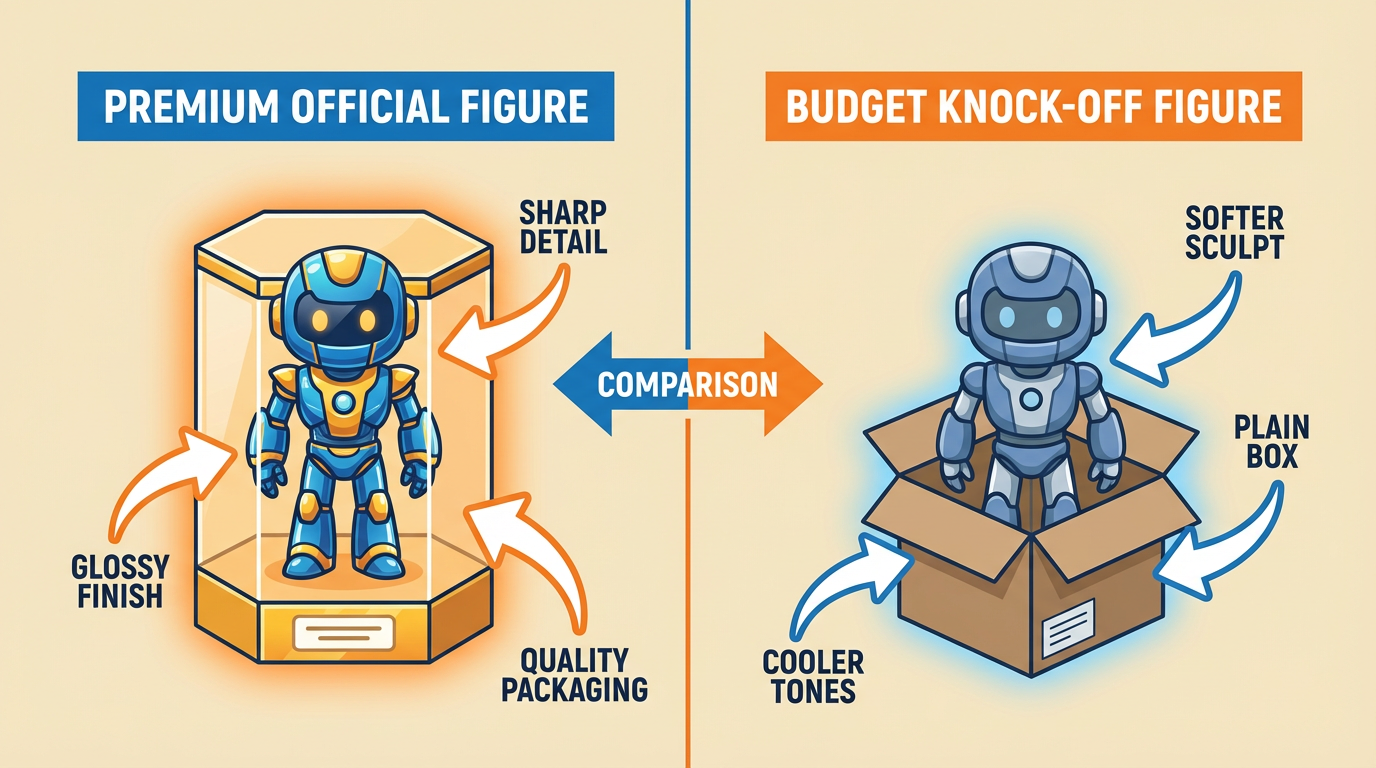
Dimension | Official mascot figure | Unlicensed mascot‑style figure |
|---|
Price level | Tends to sit in the same premium band that official jerseys do in apparel studies, reflecting licensing and quality. | Often closer to the budget jersey range, with aggressive price points but minimal margin for quality control. |
Build and finish | Better sculpt definition, sharper tampo prints, stable colors, and packaging designed to tell the team’s story and protect the collectible. | Softer detail, occasional paint bleed or misaligned logos, simpler packaging that treats the figure as a toy rather than an asset. |
Economic impact | Supports team operations in the same way jerseys and hoodies do, and can be factored into long‑term monetization strategies. | Diverts spending away from official channels, offering no direct support for team or publisher. |
Social perception | Clear signal of committed fandom and alignment with team identity; easier to flex on social media and at events. | Acceptable for casual style or experimentation, but can be frowned upon if obviously ripping off official designs. |
Longevity and value | More likely to hold up physically and maintain collector value, especially if limited or tied to iconic rosters and moments. | Quality issues and lack of official provenance generally limit long‑term desirability, even if the design is initially appealing. |
For teams, the takeaway is that well‑executed official mascot figures can command healthy pricing and loyalty, but only if they truly feel premium and connected to the brand narrative. For fans, the choice looks similar to the jersey decision: pay more for durability, authenticity, and direct support, or accept lower quality and ecosystem impact in exchange for a cheaper experiment.
Indirect Value: Mascot Figures As Brand Engines
If you only look at sales numbers, you miss a lot of the commercial value mascot figures create.
Brand Identity You Can Hold In Your Hand
Branding experts who study esports point out that a strong, cohesive brand identity is essential in a crowded, global market. Champlain College’s overview of esports branding stresses that clear values, personality, and consistent visuals make teams memorable and emotionally resonant. Examples like Cloud9’s welcoming blue cloud icon or Fnatic’s bold orange identity show how powerful simple, recognizable visuals can be.
Now imagine translating that visual system into a three‑dimensional character. A mascot figure becomes a physical anchor for brand personality. It sits on desks, shelves, and camera frames, quietly reinforcing the team’s colors, quirks, and values every day. For fans, it is like having a tiny guardian of their competitive hopes perched next to their monitor.

For the team, it is free daily brand impressions each time someone streams, posts a setup photo, or invites friends over to game.
The International Journal of Esports notes that fan loyalty in esports does not lean as heavily on city‑based allegiance as traditional sports, because teams and players are globally distributed. Instead, performance, identity, and the social experiences around teams are key drivers. Mascot figures provide a tangible way to express that identity in the absence of a local stadium or home city narrative.
Sponsorships and Media Value
Sponsorships are the lifeblood of most teams. Research from EsportsZone, Mercer Capital, and Kboom.gg all converge on the same point: sponsors and brand partners are typically the dominant revenue source, often making up more than half of total team income, and sometimes much more.
At the same time, sponsors are becoming more selective. Reporting from the Los Angeles Business Journal shows that as economic conditions tighten, many brands are scrutinizing every marketing dollar, shifting from broad, experimental “shotgun” spending to more targeted activations that demand clear value and engagement.
This is where mascots and their figures can help.
Modern brand deals in esports already revolve around activation rather than passive logo placement: behind‑the‑scenes content, collaborative drops, experiential events, and influencer‑driven campaigns. Kboom notes that companies like HP assess esports partnerships partly on fan engagement metrics, not just competitive results. The more creative ways a team can bring a sponsor into fans’ daily lives, the more compelling the sponsorship pitch.
Mascot figures help unlock those creative routes. A team can design co‑branded figure variants with a hardware partner, hide exclusive sponsor codes in the packaging, or build social media challenges around fans posing their mascots in everyday life. On broadcasts, mascots can sit on caster desks, appear as animated overlays, or star in short skits that elevate both team and sponsor.
Esports Charts recently introduced a standardized “Media Value” metric that estimates the cost of a standardized on‑screen banner during a tournament, factoring in live viewership, broadcast duration, and regional ad rates. They reported that The International 2024 alone generated more than $23 million in Media Value across dozens of broadcast languages. While mascot figures themselves are not counted in that metric, anything that boosts brand recall and gives sponsors memorable, clipped moments can strengthen the link between mascot presence and sponsor return.
Put simply, a charismatic mascot that fans love enough to buy in figure form gives sponsors another, often more playful surface to attach to, which makes a team more attractive relative to a purely logo‑driven competitor.
Asset Value and Team Valuations
Valuation specialists who work with esports organizations emphasize three pillars: risk, growth, and cash flow. Mercer Capital’s analysis of team valuations explains that recurring, contract‑like revenues such as sponsorships and subscriptions reduce risk and therefore increase value, while volatile sources like prize money and sporadic merchandise sales are treated cautiously.
Another essay on esports valuations argues that teams should be understood as hybrids of sports franchises and new‑wave media companies. Competitive performance across multiple titles matters, but so does the ability to produce content, sell merchandise, and integrate with sponsor brands. Newzoo data cited there suggested that overall revenue per fan was still quite low, emphasizing how much room there is to grow monetization.
In that context, a mascot figure line is not just another product. It is an expression of intellectual property.
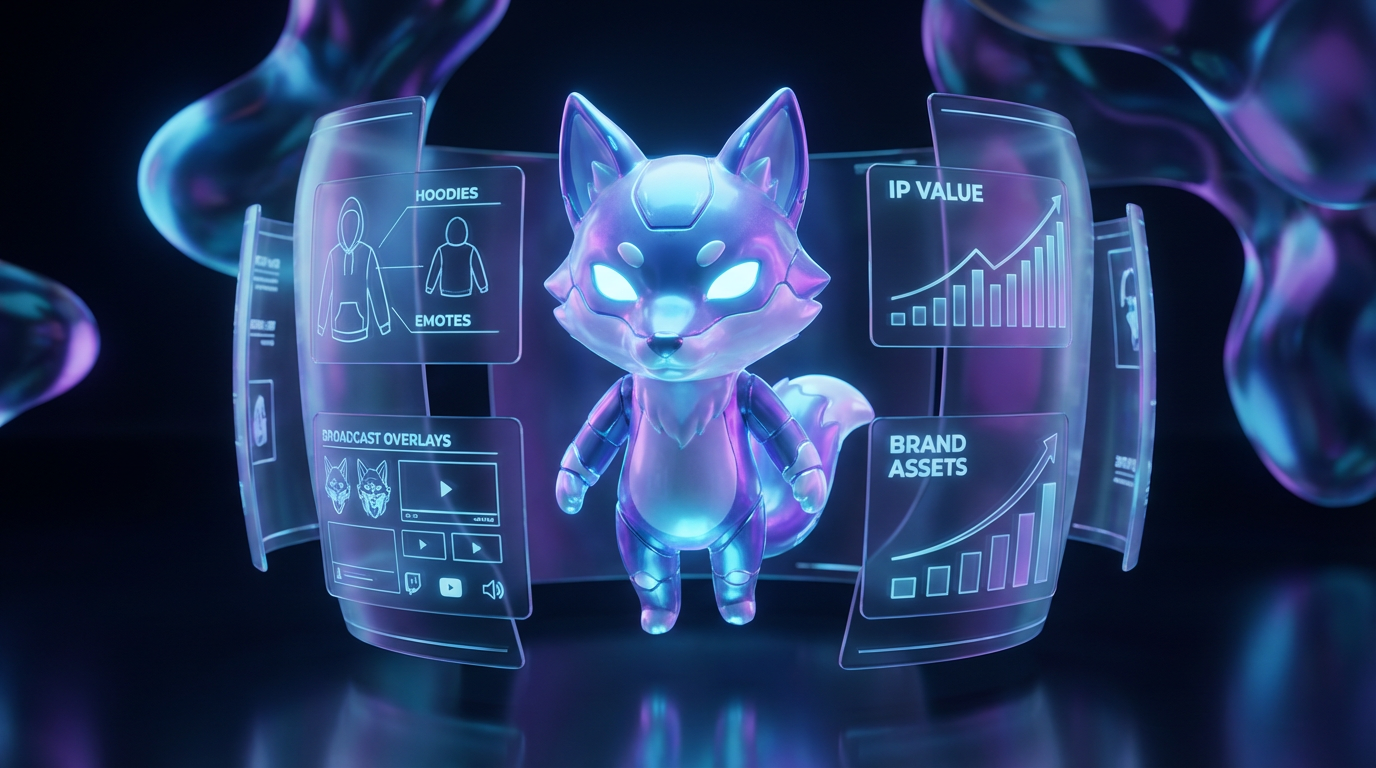
A team with a distinctive, widely recognizable mascot that appears in broadcast graphics, digital emotes, apparel, and physical collectibles has built something that can outlast any single roster or title. That IP can help stabilize cash flows through cross‑media storytelling and diversified merchandise, and it gives acquirers or investors a clearer asset to value.
When analysts look at KPIs for esports players, as in Ken Research’s cross‑company framework, they study esports‑attributable revenue, revenue mix, audience size, fan monetization metrics, and brand strength. Mascot figures can show up in several of those numbers: they are part of merchandise revenue, they indicate fan willingness to spend, and they contribute to brand and partnership depth.
No one will buy a team purely for its mascot, but a strong mascot portfolio nudges the valuation dial in the right direction.
Pros and Cons of Mascot Figures For Teams
Mascot figures sound delightful to someone who already lives in a forest of anime statues, but teams have to think like operators and investors.
On the upside, well‑executed figures create incremental direct revenue, especially when tied to big moments such as championship runs or roster eras. They are also powerful brand vehicles that live in fans’ real‑world spaces and social feeds, which supports sponsorship value. They provide rich opportunities for storytelling and content: unboxing videos, behind‑the‑scenes sculpting features, and crossover events with artists or toy designers all deepen engagement. Finally, they generate data on the most committed fans, which can feed back into membership programs and premium experiences.
On the downside, physical products are logistically messy.
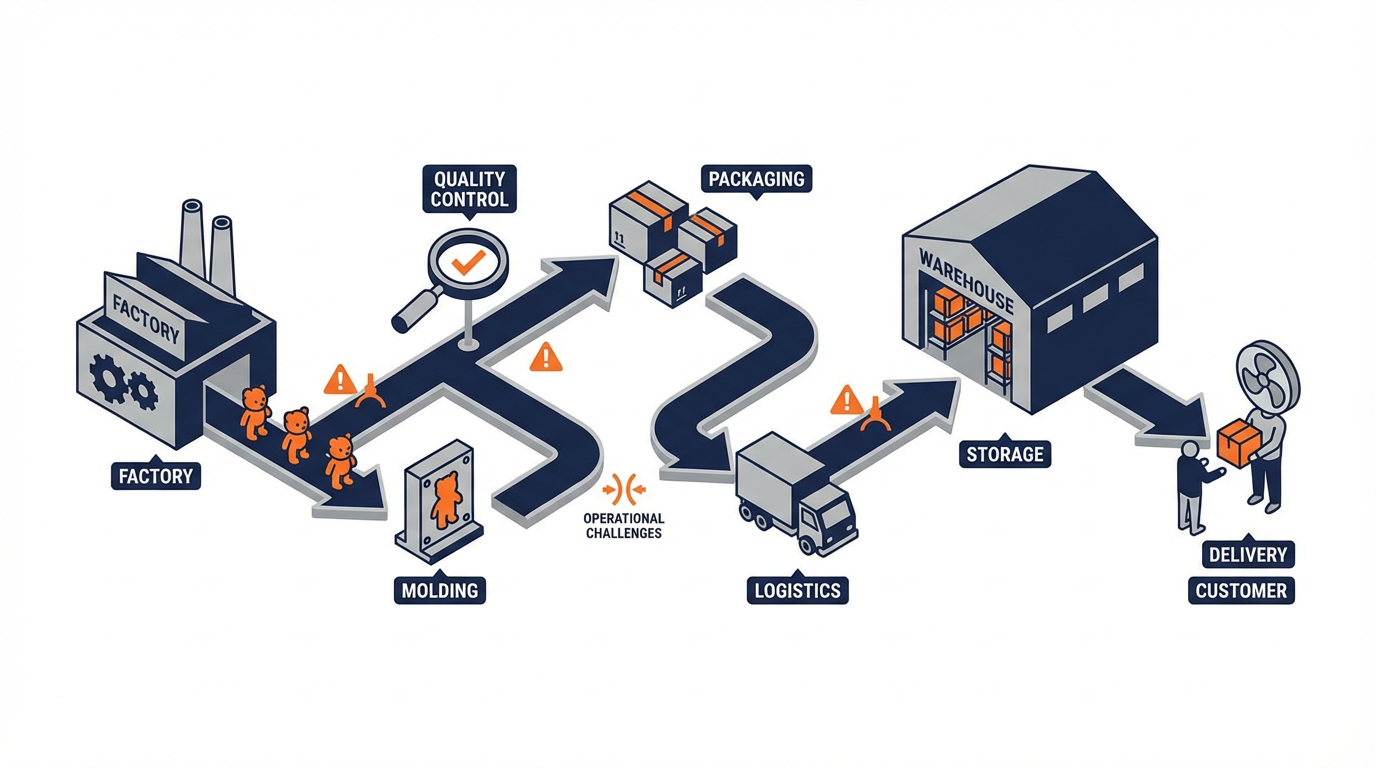
Teams must deal with manufacturing minimums, quality control, international shipping, and potential returns, all of which tie up capital. Mercer Capital’s observation that merchandise revenue is generally small and non‑recurring means that over‑reliance on physical collectibles can leave a team exposed when demand softens. Kboom’s emphasis on recurring revenue as a driver of lower risk and higher valuation still applies here: a mascot line without complementary digital and membership offerings will have limited impact on stability.
There is also brand risk. A mascot that feels off‑tone for the fan base, or a figure line that looks cheap next to other collectibles on a shelf, can undermine perception rather than enhance it. In esports, where authenticity matters deeply to younger, digitally native audiences, as highlighted in branding analyses from Champlain College and Penji, forced or low‑quality merch can backfire.
The most sustainable approach treats mascot figures as one layer in a diversified, data‑guided monetization strategy rather than a main pillar.
A Practical Playbook For Teams
If you are on the business or creative side of an esports organization and you are considering a mascot figure line, here is how all this research translates into practical moves.
Clarify What Your Mascot Represents
A mascot is not just a cute blob with your colors. Branding research stresses the need for clear values and personality. In traditional anime figure collecting, fans gravitate toward characters whose stories, aesthetics, and emotional arcs mean something. Esports is no different.
Start by articulating the traits your team stands for: ruthless efficiency, scrappy underdog energy, playful chaos, or polished professionalism. Then make sure the mascot design reflects those traits in silhouette, expression, and pose. This helps the figure feel like a natural extension of the brand rather than a random toy.
Validate Demand With Your Core Community
Esports marketing guides emphasize that community‑building and data are everything. Before committing to a huge production run, stress‑test mascot concepts with your most engaged fans: season ticket holders, Discord regulars, or long‑time subscribers. Use polls, concept art reveals, and limited prototypes to gauge genuine excitement.
Merchandise‑focused marketing resources recommend using limited editions and pre‑orders to balance hype and risk. That mentality applies here. A small, high‑quality initial batch, perhaps tied to a specific split or tournament, can validate demand and create a sense of narrative around early adopters.
Design For Content, Not Just Shelves
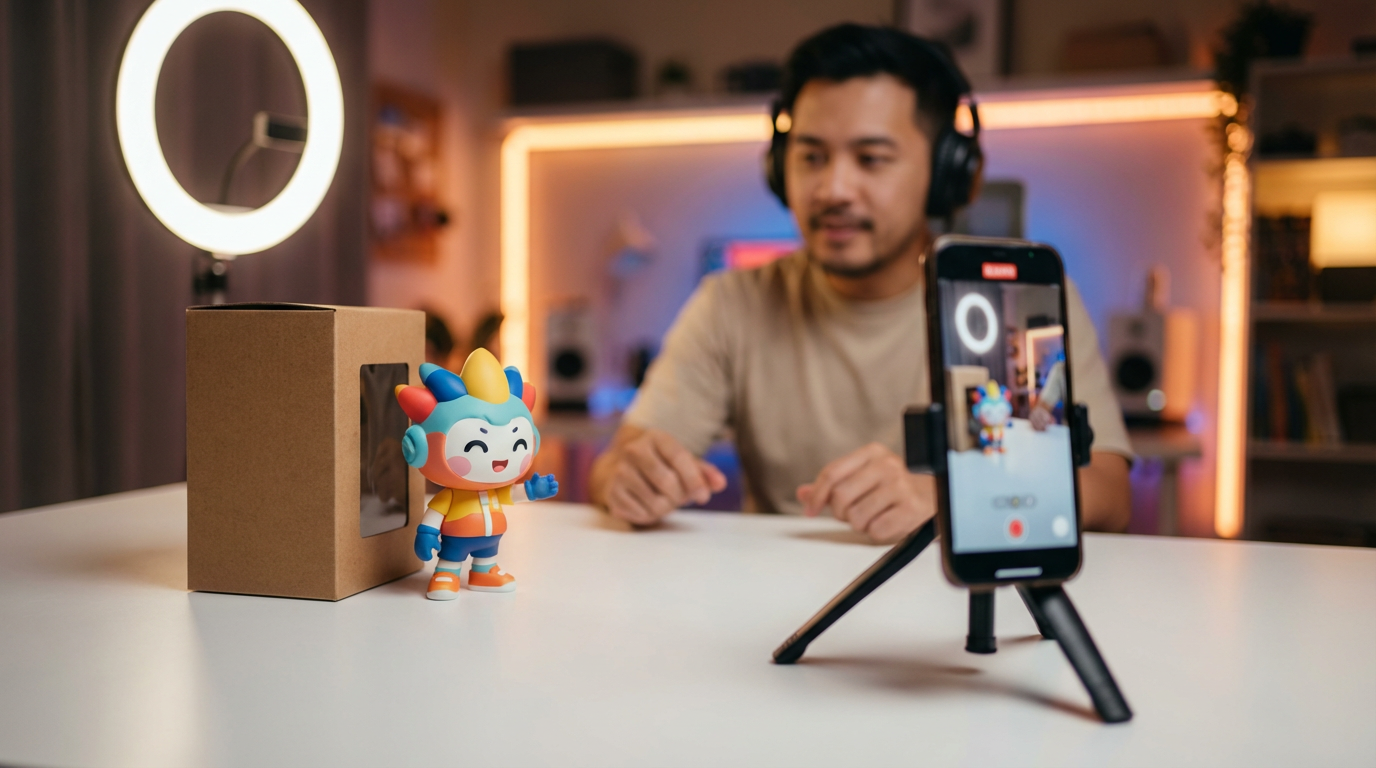
The most commercially powerful mascots are not only nice to look at in person; they are designed to be content‑ready. That means thinking about how the figure will appear on camera and in social media shots.
Telecoming’s breakdown of successful monetization strategies highlights how events like the League of Legends World Championship generate tens of millions of dollars through tickets, merchandise, and sponsorships and hundreds of millions of online views. A mascot that can sit on analyst desks, show up in crowd shots, and anchor fan‑generated photos and memes amplifies that exposure.
When sculpting or posing your figure, consider how it looks at common webcam angles, whether it reads clearly at small sizes in thumbnails, and what kind of props or backdrops fans might pair with it. A figure that naturally invites scenes and storytelling will generate more organic content, which sponsors love.
Tie Physical Mascots To Digital Economies
Esports has a uniquely strong digital merch layer. Reports from EsportsZone and Dimension Market Research note that publishers increasingly share revenue from branded in‑game cosmetics such as team skins around major tournaments, and that digital collectibles and NFTs are emerging engagement tools.
Rather than treating physical mascot figures as isolated, teams can link them to digital benefits. Buyers might get codes for in‑game emblem variants, access to a special Discord channel, or early viewing privileges for behind‑the‑scenes content. Kboom and Champlain both underline the importance of memberships and subscriptions as recurring revenue; mascots can become a gateway into those programs.
This also reinforces the sense that the mascot is not just an ornament but a key to deeper participation in the team’s universe.
Measure Impact With Real KPIs
Data‑driven methodologies from Statista, Ken Research, and Kboom stress that serious esports business decisions should be anchored in measurable indicators: user penetration, average revenue per fan, sponsor exposure, and audience growth.
For a mascot figure initiative, teams can track several practical metrics. One is conversion: the percentage of highly engaged fans (for example, those in a membership program or frequent stream viewers) who purchase a mascot figure. Another is uplift: any noticeable change in sponsorship attractiveness, social engagement, or content watch time linked to mascot‑centric campaigns. A third is repeat behavior: do figure buyers also buy other merch, attend more events, or join higher‑tier memberships?
Over time, if those patterns show that mascot collectors are among the highest‑value fans, that becomes a compelling story for both sponsors and investors.
Practical Advice For Fans and Collectors
Now let me switch from team strategy to shelf strategy. If you are a fan wondering whether that team mascot figure in your cart is “worth it,” here is how the research and collector instinct line up.
When It Makes Sense To Pay For Official Mascots
The esports apparel study comparing official jerseys to budget options found that official pieces were more comfortable, more durable, and held their print quality and shape much better over time. They also directly supported the teams and events they represented.
Collectors who care about long‑term enjoyment and display value should expect similar behavior from official mascot figures. The sculpt will likely be sharper, the paint more consistent, and the packaging nicer. If you care about your figure looking good five years from now, those details matter. You are also helping fund the team’s operations, content, and future merch.
Budget or unlicensed figures can still have a place. The apparel analysis acknowledged that low‑cost jerseys are fine for experimenting with style or joining the vibe on a tight budget, as long as buyers understand the quality trade‑offs and ecosystem implications. For mascots, a cheaper option might be a way to see whether you really like that character on your shelf before committing to a premium piece.
The key is to be intentional, not purely impulsive. As with anime figures, it is easy to wake up one day and realize you have more plastic than desk.
What Mascots Communicate About Your Fandom
Branding research observes that younger esports audiences place a high value on authenticity and community. Wearing a jersey or displaying a mascot does not just show which team you like; it signals what kind of fan you are.
An official mascot figure on your stream background or bookshelf tells a story: you care enough to support the team directly, you identify with their brand, and you want that identity in your daily environment. A random, low‑effort knock‑off may still look cute, but it lacks that deeper signal, especially to other hardcore fans who recognize the difference.
For many collectors, this is part of the appeal. A mascot next to your favorite anime figures is a way of declaring that esports is not just something you watch occasionally; it is part of the universe of stories and characters that matter to you.
Collecting With An Eye On Longevity
Valuation analysts warn that game sustainability is a critical risk in esports. Twitch viewership data has shown how quickly top titles can surge and then fade, forcing teams to constantly evaluate which games to enter or exit. That volatility affects collectibles too.
If you care about long‑term significance, you might prioritize mascots tied to organizations with strong cross‑game identities and stable publisher relationships, rather than characters tightly bound to one fragile league. Research Nester’s work on gaming merchandise underscores that regions with robust gaming ecosystems and strong fandom infrastructure, such as parts of Asia Pacific and North America, are likely to support merch longevity better than thinner markets.
On a personal shelf level, I find it helpful to think of mascots like anchor characters in anime. Some series are fun but fleeting, while others become foundational. Choosing mascot figures connected to teams and titles that feel foundational to you will make those pieces more meaningful long after the meta has shifted.

FAQ: Common Questions About Team Mascot Figures
Do Mascot Figures Only Make Sense For Tier‑One Esports Orgs?
Big organizations with global fan bases obviously have an easier time selling large volumes and attracting co‑branded deals. That said, the research on gaming merchandise and fan engagement suggests that niche, tightly knit communities can also support focused merch lines. For smaller teams, the goal is not mass production but limited, high‑touch runs that deepen relationships with their most dedicated supporters.
How Can A College Or Local Team Justify Investing In A Mascot Figure?
Academic work on collegiate esports shows that campus programs use esports to build community, identity, and school pride. A mascot figure can be a physical symbol of that identity, much like traditional sports mascots. The commercial goal is less about big profits and more about cost recovery and engagement. A small pre‑order among students and alumni, tied to events and social media storytelling, can make a modest run viable.
Are Digital Mascots More Important Than Physical Ones?
Digital cosmetics and avatars certainly scale more easily, and market reports highlight how in‑game purchases and virtual goods are becoming central revenue sources, especially on mobile. Physical mascot figures, however, live in the offline world where you work, study, and hang out. They compliment digital assets rather than compete with them. The most effective strategy usually blends both: digital mascots for scale and in‑game visibility, and physical figures for deep, personal connection.
Closing
As someone whose bookshelves are dangerously close to becoming shrines to plastic heroes, I see esports mascot figures as more than cute clutter. They are where fandom, finance, and storytelling meet. In an industry still trying to turn huge viewership into stable cash flow, a well‑designed mascot that fans are proud to put next to their favorite anime characters can be both a tiny revenue stream and a tiny totem of something much bigger: a team identity that actually lives in people’s everyday worlds.
References
- https://online.champlain.edu/blog/esports-marketing-branding
- https://www.ijesports.org/article/15/html
- https://thesportjournal.org/article/understanding-esports-from-the-perspective-of-team-dynamics/
- https://www.fortunebusinessinsights.com/esports-market-106820
- https://www.kenresearch.com/global-esports-market
- https://smart.dhgate.com/is-paying-more-for-official-esports-apparel-really-worth-it-what-are-people-saying/
- https://esportszone.uk/bs-how-teams-make-money/
- https://www.grandviewresearch.com/industry-analysis/esports-market
- https://www.kboom.gg/fanalytics/navigating-the-tides-strategies-to-ensure-sustainable-revenue-streams-for-esport-teams-by-kboom
- https://www.linkedin.com/pulse/economic-impact-esports-daisy-thomas-eg21e