Understanding Why Action Figure Joints Become Brittle and Break
Action figure joints usually become brittle and break because of aging plastic, harsh environments, and repeated mechanical stress, but you can slow that damage with better posing, cleaning, and storage habits.
Have you ever picked up a favorite figure, tried to raise an arm for just one more dramatic pose, and felt that sickening snap instead of a smooth click? That moment is usually not “bad luck” so much as the final result of years of quiet damage from sun, heat, dust, and cramped storage, something toy-care guides and even museum conservators call out again and again. With a few simple changes to how you warm, move, clean, and store your figures, you can keep joints from crumbling and keep your shelf of heroes, mecha, and idols posing hard for years instead of retiring in a zip bag.
What “Brittle” Really Means For Action Figure Joints
When collectors say a joint is brittle, they are talking about plastic that no longer flexes and bounces back. Instead, the joint feels dry or “crunchy,” shows tiny white stress lines, or simply shatters the first time you try to move it after a long rest. A well-known example is a 2005 NECA Dr. Finklestein figure whose arm joints disintegrated the first time they were moved after years trapped in the original blister; the plastic looked fine until motion exposed how fragile it had become.
This is different from a joint that is just tight or sticky. Some brand-new figures have stiff articulation because paint has dried in the hinge or tolerances are intentionally snug. By contrast, collectors on Star Wars forums have reported figures that turn sticky and yellow, especially white Clone Troopers and Stormtroopers, or deluxe pieces like Jango Fett and Holographic Yoda that feel almost tacky to the touch. In those cases, softer plastics and plasticizers seem to be breaking down over time rather than the joint simply “drying out.”
Conservation specialists who handle plastic artifacts describe many plastics as inherently unstable. They slowly deteriorate when exposed to light, temperature swings, humidity, and pollutants, and can even emit gases that harm other objects nearby. When that quiet deterioration happens right at a tiny elbow peg or hip barbell, the plastic is less able to flex.
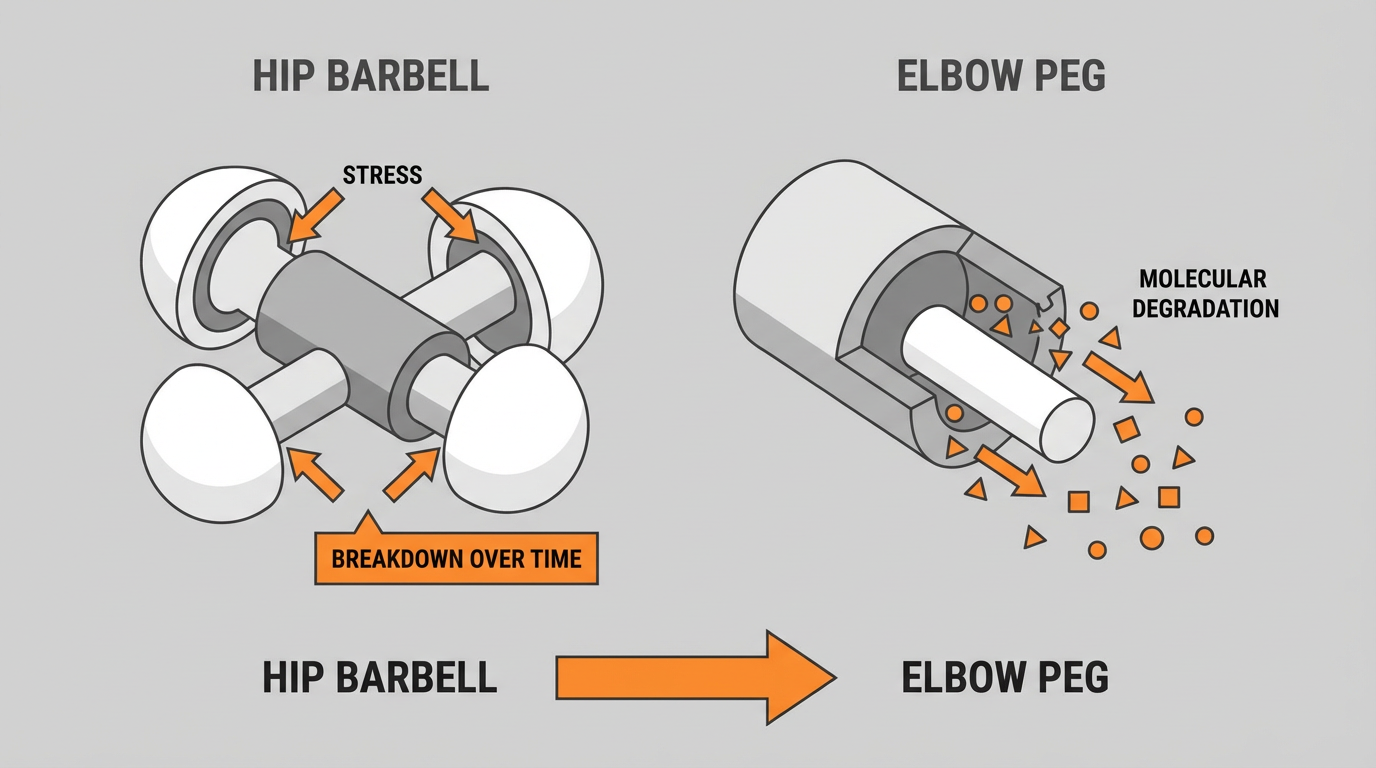
A pose that was safe 10 years ago can suddenly be the one that pushes a weakened joint past its limit.
The tricky part is that you rarely see the damage building. Joints hidden under soft suits, armor, or rubbery overlays can be under constant strain, and once the material has embrittled, every move becomes a gamble between a satisfying click and a broken limb.
The Big Environmental Culprits: Light, Heat, Humidity, And Airflow
Joints rarely “just break.” The environment you keep your collection in is constantly either helping or hurting those little pegs and hinges.
Light: Fading Color, Weakening Plastic
Direct sunlight is brutal on figures. Vintage-care guides highlight how sun can fade colors and blotch plastic and packaging in a matter of weeks, and toy-specific care articles stress that display shelves should never sit where beams of light hit them during the day. That same light does not just bleach paint; it also helps drive the chemical changes that weaken plastic over time.
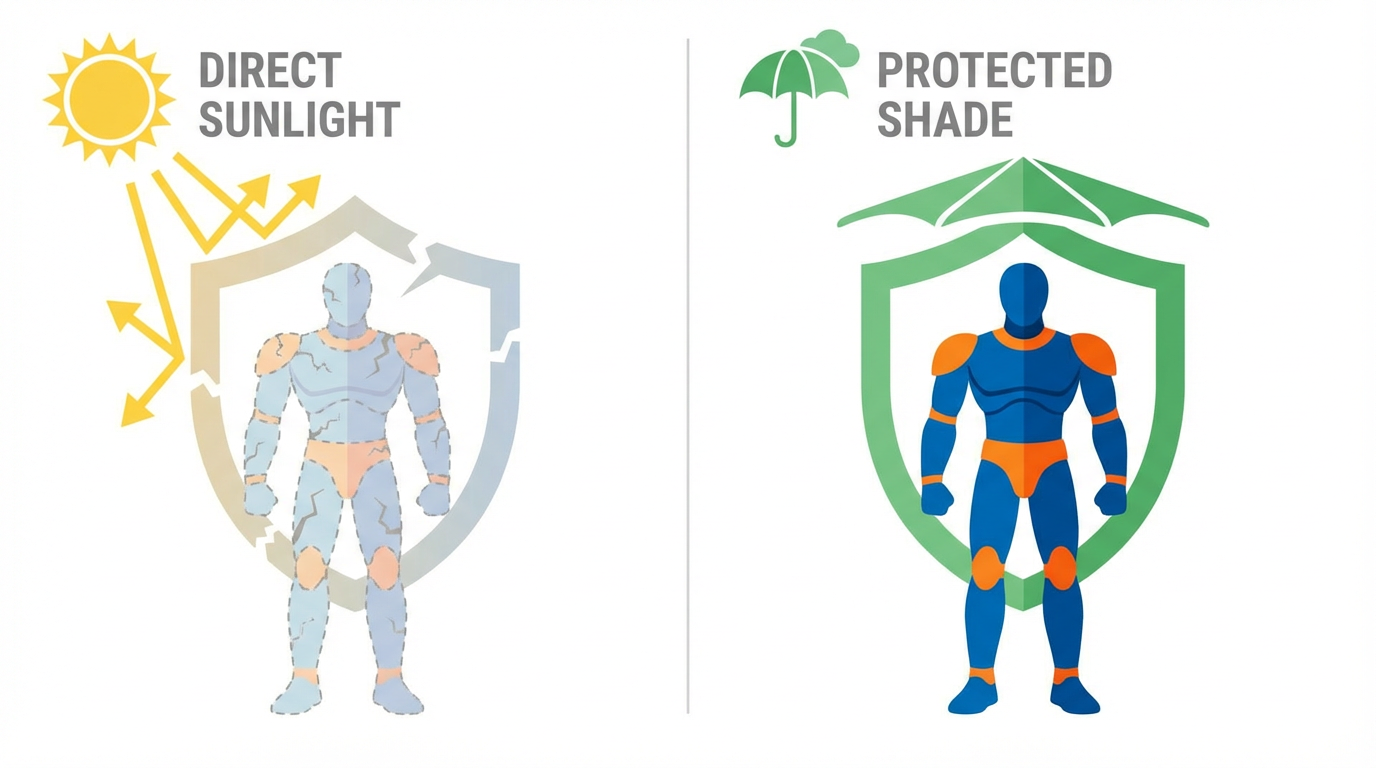
High-end 1:6 collectors are urged to keep their figures away from windows and to use UV-filtering films or curtains if they must display near natural light. Storage experts who deal with museum artifacts go even further, recommending opaque boxes in dark areas whenever possible and using UV-filtering on any display lighting. For joints, the takeaway is simple: the more UV exposure your plastic takes, the more likely it is to dry, discolor, and eventually crack at stress points.
Heat And Temperature Swings: Warping And Softening
Heat is the next big enemy. Care guides for dinosaur and creature figures warn that placing figures near heaters or other heat sources can melt plastic and ruin paint. Vintage-focused advice flags attics, garages, and hot rooms as dangerous, because heat softens and misshapes both figures and their packaging.
Storage professionals recommend cool, stable rooms rather than spaces with big temperature swings. Climate-controlled storage units and controlled room environments are suggested for large or valuable collections to avoid warping, dry rot, and other heat-linked problems. When heat cycles up and down, materials expand and contract repeatedly. On a tiny joint, that movement helps create microcracks and loosens the bond between different plastics and paints. Eventually, a hinge that has been baked in a hot attic and cooled over and over will be much more likely to snap when you try to pull off a dramatic midair kick pose.
Humidity And Stale Air: Sticky, Yellow, Or Crumbly Plastic
Humidity plays a surprisingly big role in joint health. Guides for both action figures and museum artifacts aim for moderate, steady humidity rather than extremes. High humidity can cause paint to peel and chip, decals to fall off, and joints to loosen. Too little moisture over long periods can contribute to plastics becoming more brittle and prone to cracking.
Ventilation matters just as much as the humidity number. Collectors discussing sticky Star Wars figures point out that sealed boxes and unventilated cabinets seem to make discoloration and stickiness worse. A storage thread that follows a wide range of 3.25–7-inch figures reinforces this: long-term airtight storage in blister packs or totally sealed tubs leaves some plastics tacky or brittle, especially translucent and rubbery parts that “need to breathe.”
Because plastics can give off gases as they deteriorate, keeping them locked in sealed bags or boxes means those gases stay trapped right against the figures.
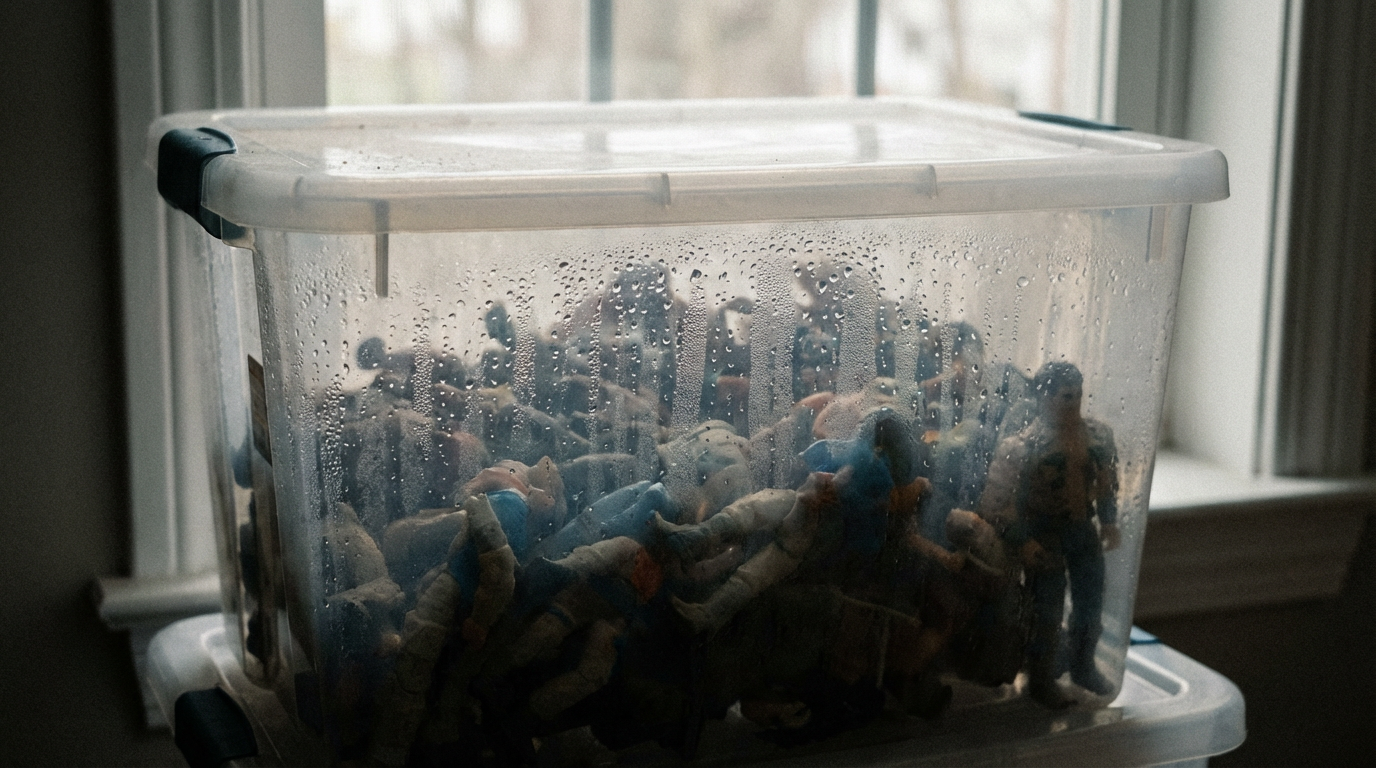
That environment accelerates the changes that turn a once-flexible hip into something chalky or gummy. Punching small ventilation holes in storage bags and using tubs with looser lids is not just about mold or odor; it is about letting those gases dissipate before they do more harm.
Every Pose Leaves A Mark: Mechanical Stress And Design Limits
Even in a perfect environment, joints are mechanical parts that wear with use. Every time you twist a barbell hip or swivel a tiny wrist, you are asking a narrow neck of plastic to flex.
Toy-joint tutorials point out that friction-based mechanisms like ball joints, swivel hinges, and peg connectors loosen over time from repeated posing and age-related wear. That same repeated movement, especially under heavy load, also creates stress that can turn into cracks if the material has been weakened by age or environment. Transparent ball joints on small block figures are a vivid example: collectors report that clear skeletal arms can tear their pegs if you try to rotate them under load, because the clear plastic seems more fragile than opaque versions.
Engineering studies on wooden furniture joints back up what your gut already knows from broken figures. When a leg is attached to a panel using only surface-mounted screws and a thin shim, stress concentrates where the leg meets the panel, and that joint fails much sooner than a reinforced design that spreads forces into stronger metal braces. On an action figure, forcing a frozen elbow by twisting from the hand concentrates all that torque onto the thinnest part of the peg. The result is often a white stress ring followed by a clean break.
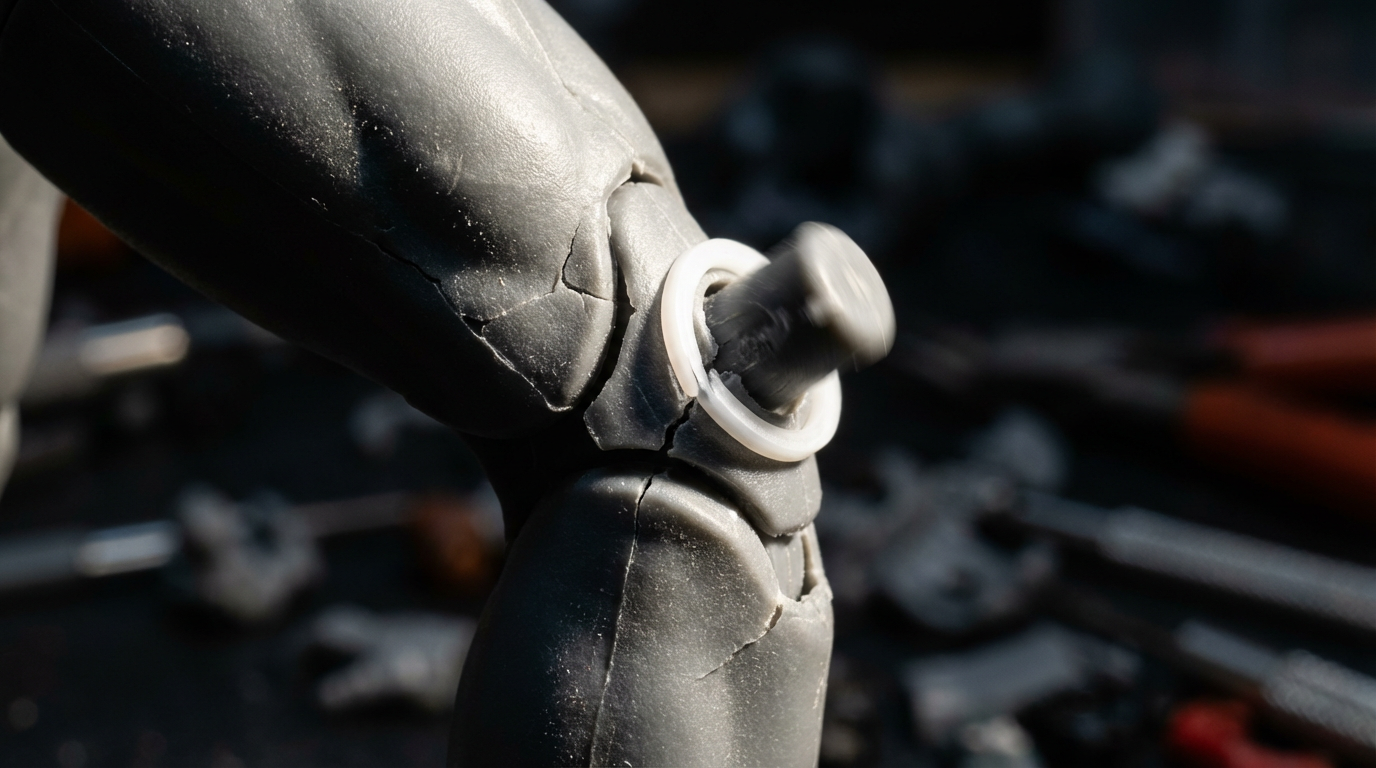
High-end figure care guides specifically warn against extreme long-term poses. Keeping a character in a deep crouch for months can permanently stress the internal body or the joint under a tight suit. Over time, plastic that was designed to flex within a certain range is held at its limits day and night, and any environmental damage gets magnified until the joint can no longer spring back.
How To Keep Joints From Turning Brittle
You cannot defeat time, but you can make it a much slower opponent. A few core habits dramatically reduce the chances that your figure’s shoulder explodes the next time you re-pose it.
Warm First, Then Move
Multiple figure-care guides recommend a warm-water routine before moving stiff joints. Dinosaur and creature figure instructions suggest dipping the figure in warm water for about 10 to 15 seconds, then gently moving the joints. If they are still stiff, you repeat the process with slightly warmer water, never boiling. A crafting-focused joint-loosening guide echoes this with the “baby-water warm” rule: around body temperature, warm enough to soften plastic safely but not so hot that it warps parts or burns your fingers.
If you are worried about soaking paint or fabric, you can place the figure in a freezer bag, press out most of the air, and submerge the bag instead, weighing it down so it stays under water. That sous-vide-style approach lets the plastic warm up without letting water sit directly on painted areas.
The key is patience. Warm the plastic so it becomes more forgiving, then slowly wiggle the joint back and forth rather than snapping it immediately into a dramatic pose.
Support The Joint And Use Gentle Pressure
High-end 1:6 guides emphasize using only light pressure when moving joints or swapping parts. Always support both sides of a joint, holding the torso as you move the arm or gripping the thigh as you rotate the hip. That spreads the load and keeps you from using the long limb as a lever against a tiny internal peg.
If a joint resists, stop. Warm it again, or change your approach. Collectors dealing with very tight clear joints on block figures sometimes pop the limb off, rotate it separately, and then pop it back on, rather than forcing the joint to spin under heavy stress. That may feel slower when you are mid-photo-shoot, but it is far cheaper than hunting for a replacement body later.
Clean Carefully Around Joints
Dirt, dust, and skin oils collect in joints and act like abrasive paste. Cleaning guides note that regular dusting with soft brushes or microfiber cloths preserves both appearance and long-term value. One study cited in cleaning advice found that well-preserved aesthetics can boost resale value by up to 50 percent compared with visibly neglected figures, which is a strong incentive to keep joints clean and moving smoothly.
For general cleaning, some guides recommend lukewarm water with a little mild dish soap and a soft cloth or toothbrush. Others, especially for high-detail or specialty figures, advise using only warm water without soaps or chemicals because certain paints and plastics can react badly. The safest path is to follow the stricter instructions for any premium or delicate figure, test any cleaner on a hidden area, and use the smallest amount necessary.
Around joints, focus on minimal moisture and maximum control. A cotton swab lightly dampened with water, or with a bit of isopropyl alcohol when you are specifically trying to remove old grease or residue before a repair, lets you clean inside the crevice without soaking surrounding paint. Dry everything thoroughly afterward and let figures air-dry out of direct sun before posing or storing.
Use The Right Lubricants, Sparingly
When a joint is stiff but not cracked, a tiny amount of the right lubricant can help it move without tearing itself apart. However, not all oils are safe. Hobbyists warn that WD‑40 and similar general-purpose oils contain solvents that can strip paint and attack plastics, so they are a bad choice for joints.
Safer options include light sewing-machine oil or certain dry bike-chain lubricants used with care. These can reduce friction inside the joint without flooding the surface, especially if you apply them with a toothpick directly into the joint cavity. The goal is a microscopic film, not a shiny, wet-looking hinge that will attract dust.
A warm-water soak followed by gentle movement is still the first move for a stuck joint. Oil is for stubborn cases where you are sure the joint is structurally sound but feels rough or squeaky, and even then it should be used sparingly.
Storage, Display, And Ventilation That Don’t Cook Your Joints
The way you store and display your anime figures, kaiju, mecha, and superhero armies determines whether their joints age gracefully or die in a sealed tomb.
Display: Showpieces, Not Sun Catchers
Multiple guides agree on core rules for displays. Keep figures out of direct sunlight, away from heaters and hot air vents, and in rooms with comfortable, stable temperatures and moderate humidity. Acrylic display cases, often with UV-resistant panels, protect from dust and bumps while softening light exposure. Closed shelves or glass cabinets shield figures from everyday dust and handling, which helps joints and paint, but they should not be fully airtight.
If you use lighting, cool LED strips are better than hot lamps, and UV-filtered options are ideal. Turning off lights when you are not enjoying the display is not only good for your power bill; it also cuts cumulative light damage to plastic and packaging.
Storage: Let Your Plastic Breathe
When figures are off-display, storage choices make or break joints over the long term. Practical storage threads recommend common zip bags sized to the figure, but with small ventilation holes punched along the sides. Very tiny accessories can sit in a small unpunched bag inside the main one so they do not fall out. The key is avoiding completely sealed plastic long-term.
Collectors who have experimented with both airtight and ventilated storage report that translucent mini-figures and rubbery parts often become tacky or brittle when they cannot “breathe.” Rubber capes, tails, and hair tend to be the first casualties, becoming oily or snapping easily. Using open-air drawer-style tubs or bins with looser lids, and standing bagged figures upright with room for air to flow between them, lets off-gassing disperse instead of being trapped.
Professionals who store plastic artifacts recommend acid-free, inert boxes and caution against attics and basements where heat and moisture swing wildly. Climate-controlled self-storage units or interior closets are much kinder to joints than damp basements or scorching garages.
Original Packaging: Protection With A Catch
Leaving figures in their original packaging protects them from dust, fingerprints, and some physical damage, and unopened boxes can greatly boost collectible value. Storage guides clearly say that factory packaging is shaped to cradle figures and antennas and can be excellent protection against crushing.
However, the NECA Dr. Finklestein example shows the trade-off. Blister bubbles and card backs were never designed for decades of preservation. Sun, heat, and off-gassing inside sealed blisters can make the plastic of both figure and bubble brittle. Glue can weaken, blisters can crack, and a joint that has never moved can be the one that explodes the first time it finally does.
If you are collecting for both display and longevity, you may decide to keep a few truly special pieces sealed while freeing others into ventilated, archival storage. There is no single right answer, but understand that “mint on card” does not automatically mean “safest for the joints.”
Summary Table: How Environment And Choices Hit Joints
Factor or habit | How it hurts joints | What helps most |
|---|
Direct sunlight and UV | Fades paint, accelerates plastic degradation | Keep displays out of sun; use UV-filtered cases and curtains |
Heat and hot rooms | Warps parts, drives stress and microcracks | Cool, stable rooms; avoid attics, garages, heater vents |
Airtight long-term bags | Traps off-gassing; promotes stickiness/brittle plastic | Ventilated bags and tubs; let figures “breathe” |
Extreme long-term poses | Constant stress on pegs and internal bodies | Neutral poses for storage; rotate dramatic stances |
Dust and grime in joints | Abrasive wear, extra friction | Regular soft dusting and targeted gentle cleaning |
When A Joint Is Already Cracked Or Crumbly
Sometimes you only discover a problem when a joint feels wrong under your fingers. Maybe an elbow makes a faint cracking sound, or you notice a pale stress ring around a hip peg the moment you try to rotate it.
If a joint already shows cracks or feels like it might crumble, stop forcing it. A warm-water soak can sometimes help the plastic flex enough for you to gently move it back to a safer, more neutral position, but aggressive posing is risky. For figures that are clearly aging badly or have become sticky and discolored, better ventilation and careful cleaning may slow further deterioration, but they will not reverse the chemistry already in motion.
For clean breaks in hard plastic, hobby tips frame glue as a last resort. A tiny amount of cyanoacrylate can bond broken pieces, but too much will run into the joint and lock it permanently. Some collectors use clear acrylic floor polish or clear nail polish in thin layers to tighten loose joints, but they also warn that brand chemistry matters and that soft vinyl is particularly vulnerable. On softer figures, it is important to test any polish on spare vinyl or an unseen area first, build up many very thin coats, and let each cure fully before moving the joint again.
When the stakes are high, such as premium 1:6 bodies or rare vintage figures, multiple guides recommend consulting professional restoration services rather than experimenting with home chemistry. Professionals who specialize in collectible figures have the tools and experience to repair or reinforce joints with the least additional risk.
FAQ: A Few Joint Myths And Realities
Are Sticky Joints A Sign That A Figure Is Doomed?
Sticky or oily surfaces are usually a sign that plastic is breaking down or plasticizers are migrating, especially on softer or translucent parts. Collectors have seen this on Star Wars figures, deluxe exclusives, and small block figures. Good ventilation and careful cleaning can keep the problem from spreading quickly, but they cannot undo the underlying material changes. It is still worth improving storage to slow any further damage.
Is It Safer To Keep Everything Sealed In Boxes?
Sealed packaging protects from dust and handling and can preserve value, but it also traps off-gassing and can amplify heat and light damage. Some figures, like the NECA example, have actually suffered catastrophic joint failure when first moved after long years in sealed blisters. For purely financial collecting, you might accept that risk for the sake of “mint in box” value. For long-term poseability and joint health, ventilated, climate-controlled storage is kinder.
Do I Need Special Museum Materials For Storage?
Museum-grade, acid-free boxes and archival bags are ideal, especially for valuable or older pieces, and experts recommend using inert materials when possible. However, even common household options can be made much safer by following the same principles: avoid extreme environments, add ventilation to storage bags, separate figures so they do not rub, and keep plastics away from wood and metal that can react with them over time.
Closing Thoughts
Brittle, snapping joints are not an unavoidable curse on anime, kaiju, and action figure collections; they are usually the last chapter of a long story about light, heat, stale air, and hard poses. Treat those tiny hinges and pegs like the stressed-out engineering parts they are, warm and support them before every big move, give them clean air and a calm climate, and your plastic heroes will keep striking dramatic poses long after cheaper shelves have given up.
References
- https://news.mit.edu/2012/buckliball-collapsible-structure-0326
- https://samueli.ucla.edu/new-material-that-retains-stiffness-while-changing-shape-developed/
- https://www.academia.edu/Documents/in/Adhesive_Joints
- https://bioresources.cnr.ncsu.edu/resources/experimental-and-numerical-studies-on-the-cantilevered-leg-joint-and-its-reinforced-version-commonly-used-in-modern-wood-furniture/
- http://www1.coe.neu.edu/~bhaghpan/papers/Adhesively%20Bonded%20Lap%20Joints%20with%20Extreme%20Interface%20Geometry.pdf
- https://news.cornell.edu/stories/2012/08/make-your-own-action-figures-3-d-printer
- https://seas.harvard.edu/news/2012/03/buckliball-engineered-buckling-structure-advances-folding-materials
- https://www.open.edu/openlearn/science-maths-technology/introducing-engineering/content-section-4.5
- https://engineering.purdue.edu/cdesign/wp/wp-content/uploads/2015/01/Handimate_Final.pdf
- https://crisp.southernct.edu/wp-content/uploads/2016/08/demoworks_final.pdf